

Key Takeaways
- Leather watch straps provide classic elegance and are breathable for comfortable wear.
- Metal watch bracelets offer superior durability and water resistance.
- Your choice between leather and metal depends on your daily activities and work environment.
- Maintenance preferences play a key role in selecting the right watch strap material.
Table of Contents
- Leather or Metal Watch Strap, How to Choose What Truly Fits Your Life
- Leather vs Metal Watch Strap: Core Definitions & How They're Built
- Comfort Showdown: Leather or Metal Watch Strap on a Real Wrist
- Durability & Water: How Long Leather and Metal Really Last
- Style & Aesthetics: Matching Leather or Metal to Your Look
- Choosing by Lifestyle: Office, Gym, Travel, and Everything Between
- Sizing and Fit: Getting Leather and Metal Watch Straps Right the First Time
- Care & Cleaning: Simple Routines for Leather and Metal Watch Straps
Leather or Metal Watch Strap, How to Choose What Truly Fits Your Life
Choosing between a leather or metal watch strap fundamentally changes how your watch feels, looks, and performs in daily life. Leather straps offer classic elegance and breathability, while metal bracelets deliver durability and water resistance. The right choice depends on your work environment, activity level, and maintenance preferences.
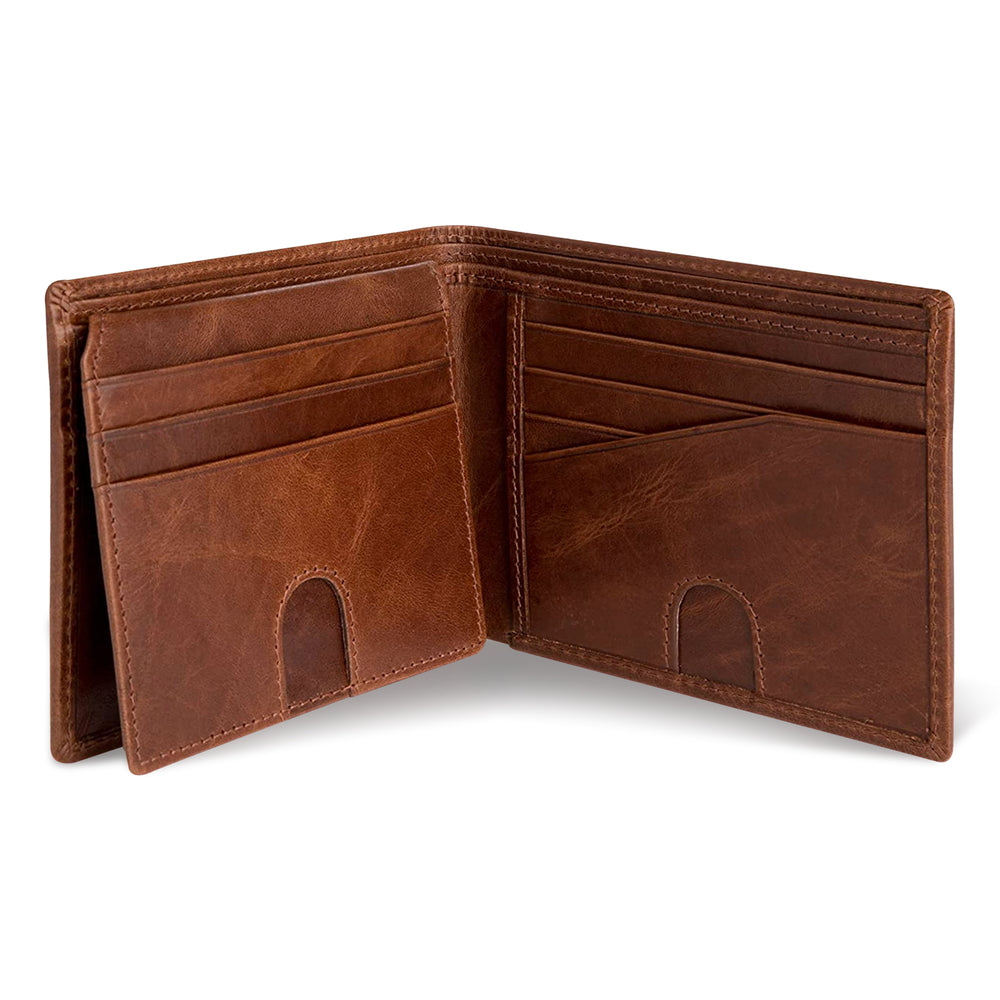
Core decision factors include comfort during break-in, water exposure frequency, formal versus casual styling needs, and long-term durability expectations. Understanding these differences helps you select a strap that enhances rather than limits your watch experience. Bifold with Flip Up ID wallets and Classic Leather Trifold wallets are excellent examples of how material choice impacts both style and practicality in everyday accessories.
For a deeper dive into the various types of straps available, you may find this guide on different types of watch straps helpful as you consider your options.
Leather vs Metal Watch Strap: 20-Second Overview
Leather Straps: Breathable, classic style, requires break-in, water-sensitive, 1-3 year lifespan
Metal Bracelets: Immediate comfort, water-resistant, heavier feel, decade-plus durability
Quick Recommendations:
- Office workers: Leather for traditional environments, metal for variable conditions
- Active users: Metal for swimming/sports, leather for light activities only
- One-watch owners: Metal for versatility, leather for dress-focused wear
Leather vs Metal Watch Strap: Core Definitions & How They're Built

What Is a Leather Watch Strap?
A leather watch strap consists of animal hide or engineered alternatives cut to specific lug widths (typically 18-24mm) and thickness ranging from 1.8-3.5mm. Common materials include calfskin for everyday wear, alligator for luxury applications, suede for casual styling, and crazy horse leather for vintage aesthetics. Vegan alternatives use polyurethane or plant-based materials to mimic leather properties.
Construction involves cutting the hide to size, skiving edges for tapering, applying padding and lining layers, then stitching components together. Edge finishing uses painting or burnishing techniques to seal and smooth cut surfaces. Quality straps feature hand-stitching or reinforced machine stitching at stress points near the lugs and buckle.
What Is a Metal Watch Bracelet?
Metal watch bracelets use linked segments in stainless steel, titanium, or precious metals, typically 2.5-4.5mm thick per link. Construction methods include solid links for premium feel and durability, or folded/hollow links for lighter weight and lower cost. Common designs include Oyster (three-link), Jubilee (five-link), and Milanese mesh patterns.
Links connect via pins, screws, or friction-fit systems, allowing length adjustment by adding or removing segments. Clasps feature micro-adjustment holes for fine-tuning fit, while higher-end bracelets include deployant or flip-lock mechanisms for security and convenience.
How Construction Affects Feel and Performance
Leather strap padding and lining materials directly impact breathability and flexibility. Thicker padding provides cushioning but reduces airflow, while unlined straps offer maximum ventilation at the cost of comfort on bony wrists. Leather thickness determines break-in time, thinner straps (under 2.5mm) conform within days, while thick straps may require weeks.
Bracelet link size and articulation affect how the strap drapes around the wrist. Smaller, more numerous links create smoother curves but increase complexity and potential failure points. Solid links feel substantial but add weight, while hollow construction reduces mass while maintaining visual presence.
Comfort Showdown: Leather or Metal Watch Strap on a Real Wrist
Weight, Flexibility & Break-In Time
Leather straps with buckles typically weigh 10-25 grams, while steel bracelets range from 50-100 grams depending on link construction and size. This weight difference becomes noticeable during extended wear, with lighter leather reducing wrist fatigue during long days or physical activity.
Leather requires 2-7 days of regular wear to break in, gradually conforming to wrist shape over 1-3 weeks. Quality leather becomes more flexible and comfortable with use, developing natural curves that match your wrist contours. Metal bracelets feel finished immediately when properly sized, requiring only micro-adjustments for optimal fit.
Breathability, Heat, and Sweat Management
Leather naturally allows air circulation through its porous structure, but can trap moisture in lining materials when worn too tightly. Optimal fit requires approximately one finger's width of space beneath the strap, with additional loosening recommended during hot weather to prevent sweat accumulation.
Metal bracelets offer less breathability through solid links but allow air movement between segments. Mesh designs provide better ventilation but may catch arm hair. Summer heat makes metal initially hot to touch, while winter cold requires brief warming period. Leather warms to skin temperature more quickly year-round.
Fit Tuning: Micro-Adjustments vs Buckle Holes
Leather strap adjustment depends on hole spacing, typically 5-7mm apart. Adding holes requires careful placement to maintain at least 5-7mm edge distance, preventing tears during daily use. Custom hole punching allows perfect fit but permanently alters the strap.
Metal bracelets allow for precise micro-adjustments via clasp settings or removable links, enabling a more tailored fit without damaging the strap. This flexibility is especially useful for accommodating wrist swelling due to heat or activity.
Durability & Water: How Long Leather and Metal Really Last
Real-world lifespan expectations separate theoretical marketing claims from daily use reality. Quality leather straps typically survive 12-24 months of everyday office wear before showing significant wear patterns, while premium examples often reach 2-5 years with proper care. Heavy sweat exposure or daily outdoor activities reduce this to 6-18 months for most leather types.
Stainless steel bracelets demonstrate superior longevity, often lasting 10+ years with periodic maintenance. Quality construction and periodic tightening of links maintain structural integrity throughout the watch's lifetime. Factors affecting both materials include manufacturing thickness, finishing processes, and frequency of exposure to moisture and physical stress.
Water Resistance and Moisture Management
Leather straps face fundamental limitations with water exposure that metal bracelets easily overcome. Frequent soaking breaks down leather fibers, causes delamination between layers, and creates persistent odor issues. The practical rule: occasional splashes or brief rain exposure remain manageable, but submersion in pools or showers accelerates deterioration significantly.
When leather or metal watch strap choices involve regular water contact, metal bracelets prove superior. Steel and titanium bracelets handle swimming and water sports effectively, provided the watch case offers appropriate water resistance ratings. Saltwater exposure requires thorough rinsing and drying to prevent corrosion, but the bracelet structure remains uncompromised.
How Leather and Metal Age Over Time
Leather develops character through patina formation, with visible changes appearing within 2-4 weeks of regular wear. Smooth calfskin shows creasing where buckles create pressure points, while pull-up leathers darken dramatically at stress areas. This aging process reaches full development over 3-6 months, creating unique visual signatures. For those interested in premium materials, learning about shell cordovan leather can provide insight into one of the most sought-after strap leathers.
Metal bracelets age through microscopic link stretching over several years, particularly in folded-link constructions. Surface scratches accumulate gradually, creating the "desk diving" marks common to daily wear. Professional polishing can restore original appearance, though many owners prefer the lived-in character of naturally aged metal.
3 Simple Habits to Extend Strap Life
Leather Care: Allow complete air drying for 8-12 hours after sweat exposure, clean monthly with barely damp cloth, and apply pea-sized conditioner portions every 3-6 months. Rotating between multiple straps prevents continuous stress on single pieces. 2 ID Leather Wallet designs also benefit from similar care routines to maximize longevity.
Metal Maintenance: Rinse with lukewarm water after heavy perspiration or swimming, deep clean monthly using mild soap and soft brushing between links, and pat dry thoroughly with microfiber cloths to prevent water spots.
Style & Aesthetics: Matching Leather or Metal to Your Look

Material choice fundamentally alters a watch's visual character and outfit compatibility. Leather straps soften angular case designs and reduce perceived size, while metal bracelets extend the case visually and increase wrist presence. Understanding these effects guides appropriate selection for specific style goals.
Formal, Business, and Dress Watch Use
Traditional dress codes favor smooth black or dark brown leather for formal occasions, with optimal proportions achieved through 18-20mm widths and slim 2-2.5mm thickness profiles. These dimensions maintain elegant proportions without overwhelming dress shirt cuffs or competing with suit aesthetics.
Metal bracelets work in business settings when matching bracelet finish to other accessories. Polished bracelets complement dress belt buckles and cufflinks, while brushed finishes pair with more casual business attire. The key lies in maintaining consistent metal tones throughout the overall look.
Casual, Sport, and Outdoor Looks
Sport and dive watches achieve their intended character through robust metal bracelets, particularly Oyster or Jubilee constructions that emphasize tool watch heritage. Titanium options provide lighter weight with reduced visual flash, appealing to understated preferences.
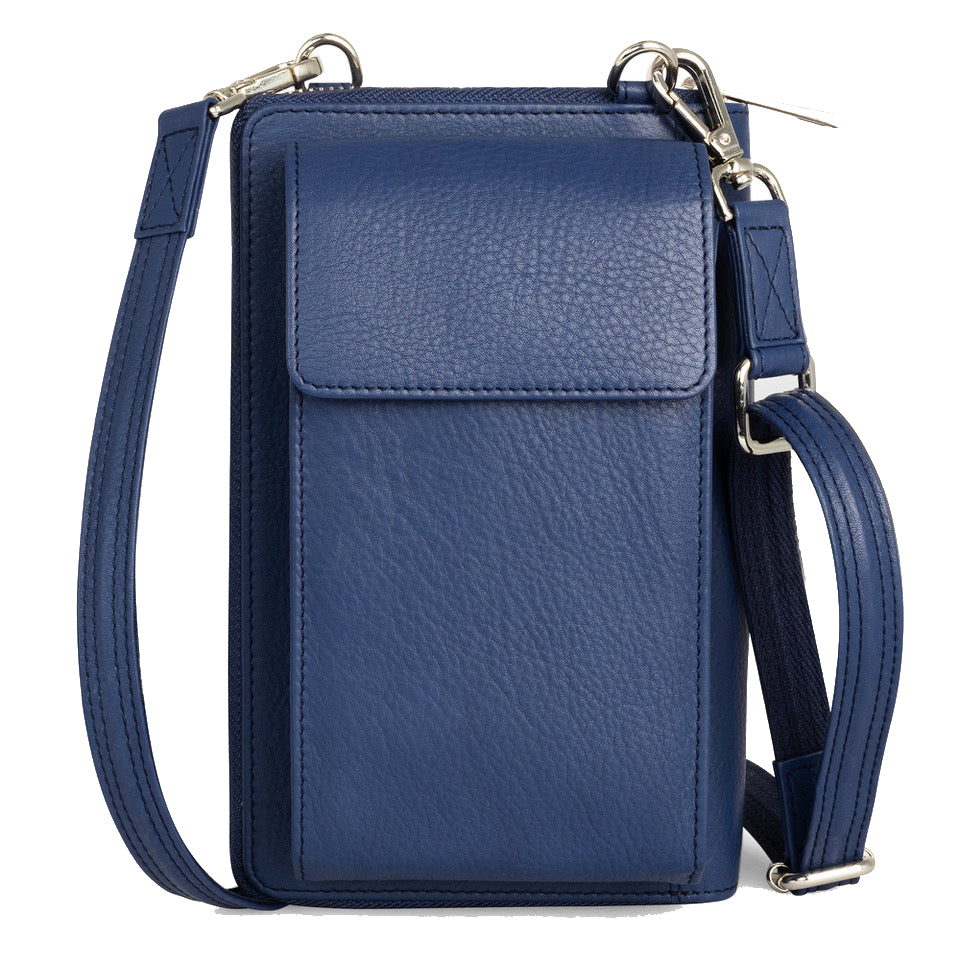
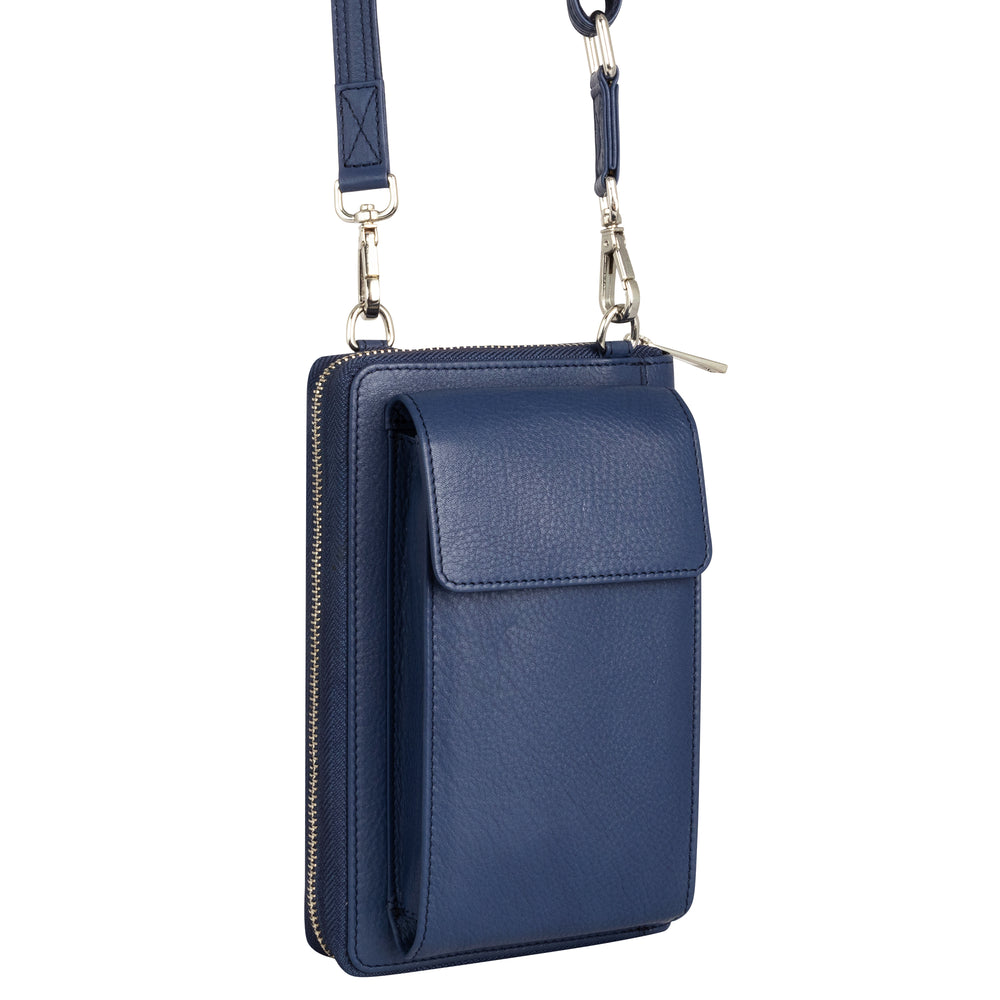
Casual leather applications include suede, nubuck, or vintage-distressed straps that complement weekend wear. Perforated rally straps connect motorsport aesthetics to chronograph designs, while textured leathers add visual interest to simple three-hand watches. For those seeking a fashionable everyday accessory, a Regular Crossbody Wallet Phone Purse can be a stylish complement to your casual look.
Color, Case, and Dial Matching Rules of Thumb
| Case Material | Recommended Leather Colors | Compatible Metal Finishes |
|---|---|---|
| Stainless Steel | Black, brown, navy, grey | Brushed or polished steel |
| Gold/Rose Gold | Tan, cognac, dark brown | Gold-tone, two-tone |
| Black PVD/DLC | Black, grey, olive, distressed | Black-coated, dark finishes |
These pairing guidelines provide starting points rather than absolute rules. Personal preference and specific design elements often override traditional matching conventions, particularly in contemporary watch design where mixed materials create intentional contrast.
How Leather vs Metal Changes Perceived Size & Presence
Wrist size significantly influences optimal leather or metal watch strap selection. Small wrists (16.5 cm) benefit from tapered leather straps that transition from 20mm to 16mm at the buckle, creating visual balance without overwhelming the wrist. Metal bracelets with smaller, articulated links prevent the chunky appearance that can occur with oversized hardware.
Large wrists (19+ cm) can accommodate non-tapered or mildly tapered straps effectively. Bold leather straps in 22-24mm widths complement substantial watch cases, while robust metal bracelets with larger links create proportional harmony. The key lies in matching strap presence to both wrist size and watch case diameter for optimal visual balance. For more on pairing accessories with your style, see our guide to a stylish leather wallet for men.
Choosing by Lifestyle: Office, Gym, Travel, and Everything Between
Everyday Office and Hybrid Work
Traditional and business-casual office environments favor leather straps for their refined appearance and professional versatility. A quality leather strap in black or dark brown integrates seamlessly with dress codes while providing day-long comfort during desk work. Consider maintaining two straps, a primary work option and an alternate for after-hours or weekend activities.
Metal bracelets excel for professionals who navigate variable weather during commutes or prefer minimal maintenance routines. The durability advantage becomes particularly valuable for those transitioning between indoor and outdoor environments throughout their workday.
Sports, Gym, and Outdoor Adventures
When choosing strictly between leather or metal watch strap options for active pursuits, metal bracelets prove superior for swimming, hiking, and hot weather exposure. However, consider impact safety, metal bracelets can cause injury during contact sports or weightlifting.
Leather straps work only for light activities and should be removed during heavy perspiration or impact sports. The moisture and salt from extended sweat exposure accelerates leather degradation and can create persistent odor issues. If you need a slim, practical accessory for active days, a Slim Card Case is a great lightweight option.
Travel and Security-Focused Wearers
Airport security, public transport, and unknown climate conditions favor metal bracelets for their sweat and water resistance, especially when paired with screw-down watch crowns. Metal options handle sudden weather changes and humid conditions without performance degradation.
Leather straps offer advantages in certain environments where a lower-profile, less flashy appearance proves beneficial. Pack a spring-bar tool and extra strap in a compact case, swapping takes under five minutes in hotel rooms or airport lounges, providing adaptability for different travel phases. For more on the history and types of watch straps, see this comprehensive overview of watch straps.
Sizing and Fit: Getting Leather and Metal Watch Straps Right the First Time
How to Measure Your Wrist in 2-3 Minutes
Use a flexible measuring tape to wrap around your wrist where the watch naturally sits, noting the measurement in millimeters. The ideal strap length equals your wrist circumference plus 20-30mm for comfortable overlap and adjustment range. Without a measuring tape, wrap a strip of paper around your wrist, mark the overlap point, then measure against a ruler.
Lug Width and Strap Width Basics
Measure the inside distance between your watch lugs in millimeters, common sizes include 18, 20, 22, and 24mm. Many straps feature tapering, such as 20→18mm at the buckle or 22→20mm, which affects both aesthetics and comfort. Ensure your chosen strap matches your watch's lug width exactly for proper fit and security. For those who want a modern upgrade, consider a Bifold Slim with or without Airtag for a sleek, tech-friendly accessory.
Specific Sizing Tips: Leather vs Metal
Leather straps typically come in standard length combinations like 120/75mm or 115/70mm. Wrists under 6.5 inches (16.5 cm) should seek "short" strap options, while those over 7.5 inches (19 cm) require "long" configurations for adequate adjustment range.
Metal bracelets require 10-30 minutes for professional link adjustment or DIY sizing. Maintain at least four links on each side of the clasp for proper balance and drape. Most jewelers provide this service, or purchase a link removal tool for future adjustments. For more on the science of skin comfort and materials, see this medical study on skin and material interactions.
Care & Cleaning: Simple Routines for Leather and Metal Watch Straps

How to Clean and Condition a Leather Watch Strap
Remove the strap from your watch using a spring-bar tool (30-60 seconds). Wipe both sides with a slightly damp cloth for 10-15 seconds each, then air dry flat for 20-30 minutes. Apply a pea-sized amount of leather conditioner using fingertips or soft cloth, working in small circles for approximately one minute. After 5-10 minutes, buff away excess conditioner with a dry cloth.
Perform this routine every 3-6 months for normal use, increasing frequency for heavy perspiration exposure. This maintenance preserves leather flexibility and prevents cracking while extending overall lifespan.
How to Clean a Metal Watch Bracelet at Home
Remove the bracelet before cleaning to protect non-water-resistant watch cases. Soak in lukewarm water with a drop of mild soap for 5-10 minutes. Use a soft toothbrush to clean between links for 2-3 minutes, paying attention to accumulated debris. Rinse under running water for 30-60 seconds, dry thoroughly with microfiber cloth, then air dry an additional 30 minutes before reattaching. For another everyday essential, check out the Removable ID wallet for added convenience.
Protecting Leather from Water and Stains
Apply a leather protectant spray designed for watch straps every few months, especially before exposure to rain or sweat. Avoid submerging leather straps and always remove your watch before swimming or showering. If your strap does get wet, blot gently with a dry cloth and allow it to air dry away from direct heat or sunlight.
Frequently Asked Questions
What are the main comfort differences between leather and metal watch straps during daily wear?
Leather watch straps offer breathable softness that molds to your wrist over time, providing a warm, classic feel especially comfortable during extended wear. Metal bracelets deliver immediate comfort with a cooler, heavier presence and adjustable links, though they may feel less flexible and can be heavier on the wrist.
How does water exposure affect the durability and maintenance of leather versus metal watch straps?
Leather straps are sensitive to water and humidity, which can cause staining, stiffness, or accelerated wear, requiring careful maintenance and occasional conditioning. Metal bracelets resist water and sweat much better, making them more durable and easier to clean for active or aquatic lifestyles.
Which watch strap material is better suited for different lifestyles such as office work, sports, or travel?
Leather straps suit traditional office environments and dress-focused occasions where classic style and breathability matter most. Metal bracelets excel for sports, swimming, and travel due to their robustness, water resistance, and versatility across varied conditions.
What are the key construction features that distinguish high-quality leather straps from metal bracelets?
High-quality leather straps are crafted from carefully selected hides, with attention to tanning, thickness, and stitching that ensures durability and a rich patina over time. Metal bracelets rely on precision-engineered links, secure clasps, and corrosion-resistant materials that provide long-lasting strength and a polished finish.