

Key Takeaways
- Understanding watch strap anatomy is essential for ensuring proper fit and longevity.
- The lug width, measured between the case extensions, typically ranges from 14mm to 24mm.
- Common lug widths are 18mm, 20mm, and 22mm.
- Using digital calipers provides precise lug width measurements.
- Even a 0.5mm difference in lug width can affect the security of the strap.
Table of Contents
- What Are Watch Straps? Core Differences from Bracelets and Why They Matter
- Exploring the Main Types of Watch Straps by Material and Design
- Watch Strap Components, Sizing, and Hardware Explained
- How to Choose the Right Watch Strap: Step-by-Step Selection Guide
- Essential How-To Guides: Installation, Cleaning, and Maintenance
- Head-to-Head Comparisons: Leather vs. Rubber, NATO vs. Zulu, and More
- Best Watch Straps for Every Scenario and Wrist Type
What Are Watch Straps? Core Differences from Bracelets and Why They Matter
Watch straps serve as the crucial interface between your timepiece and wrist, transforming both comfort and aesthetic appeal. Unlike metal bracelets with their interlocking links, straps flex naturally with wrist movement, reducing pressure points during extended wear. For those seeking a slim, modern accessory to complement their watch, the Slim Card Case is a stylish option that pairs well with any ensemble.
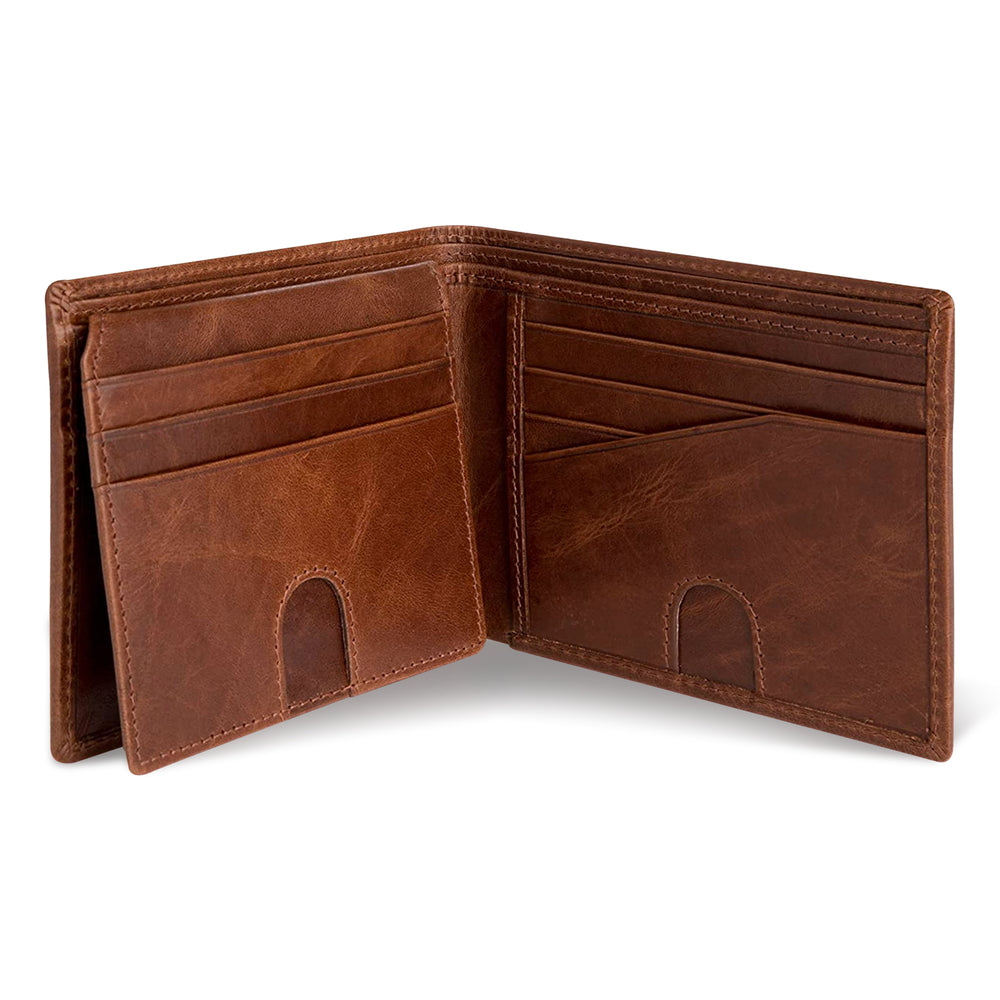
The fundamental difference lies in material philosophy: straps embrace breathability through perforated leather or woven nylon, while bracelets prioritize structural integrity through solid metal construction. This distinction affects everything from sweat management to formal dress codes. If you prefer a classic look with added functionality, consider the Bifold with Flip Up ID for a seamless blend of style and practicality.
Modern watch enthusiasts swap straps seasonally, leather for winter's professional settings, NATO nylon for summer adventures, rubber for water sports. This versatility explains why 70% of serious collectors maintain multiple strap options for single watches.
Key benefits include:
- Enhanced comfort through flexible materials
- Style transformation from casual to formal
- Improved breathability reducing skin irritation
- Cost-effective personalization compared to buying multiple watches
- Protection against water damage with appropriate materials
The investment spectrum ranges from $15 NATO straps for weekend experimentation to $300 exotic leather pieces that develop unique patina over years of wear. Smart buyers start with versatile NATO options before exploring specialized materials.
Real-world application: A finance professional might wear brown leather during client meetings, switching to olive NATO for weekend hiking, same watch, completely different character. For more on how accessories can complement your style, explore the types of wallets that suit different occasions.
Exploring the Main Types of Watch Straps by Material and Design

Understanding the different types of watch straps begins with recognizing how material properties directly impact daily wear experience. Each category serves distinct lifestyle needs, from boardroom presentations to underwater exploration.
Leather Watch Straps: Timeless Elegance and Patina Development
Leather remains the gold standard for dress watches, offering unmatched sophistication that improves with age. Full-grain and top-grain leathers from quality tanneries develop rich patina through natural wrist oils, creating personalized character impossible to replicate artificially.
Surface textures range from smooth calfskin for formal occasions to pebbled grain for casual versatility. The tanning process, not just the grade, determines longevity, with vegetable-tanned leather aging more gracefully than chrome-tanned alternatives.
Maintenance tip: Apply pea-sized amounts of leather conditioner every three months, storing flat to prevent permanent creases that compromise structural integrity.
Metal Bracelets: Rugged Links for Daily Durability
Metal bracelets evolved from 1930s tool watch requirements, with distinct link patterns serving specific functions. Oyster bracelets feature three flat links for sporty robustness, while five-link Jubilee designs offer superior flexibility for dress wear.
President bracelets showcase semi-circular links for luxury appeal, whereas mesh constructions (Milanese or shark mesh) provide vintage charm with modern comfort. Engineer bracelets use broad, shock-resistant links specifically designed for industrial environments.
Proper sizing requires removing 1-2 links rather than relying solely on micro-adjustments, ensuring optimal weight distribution across the wrist.
Rubber and Silicone Straps: Waterproof Performance for Active Use
Vulcanized rubber straps excel in marine environments, maintaining flexibility at temperature extremes while resisting saltwater corrosion. Modern silicone alternatives offer hypoallergenic properties for sensitive skin, though with slightly reduced durability.
Thickness typically ranges from 2-4mm, with dive watches requiring heavier profiles for underwater pressure resistance. Quality rubber straps maintain their shape after thousands of flex cycles, while inferior versions develop permanent creases within months.
Critical maintenance: Rinse within one hour after saltwater exposure to prevent crystallization damage that causes premature cracking.
Nylon and Fabric Straps: Breathable Versatility
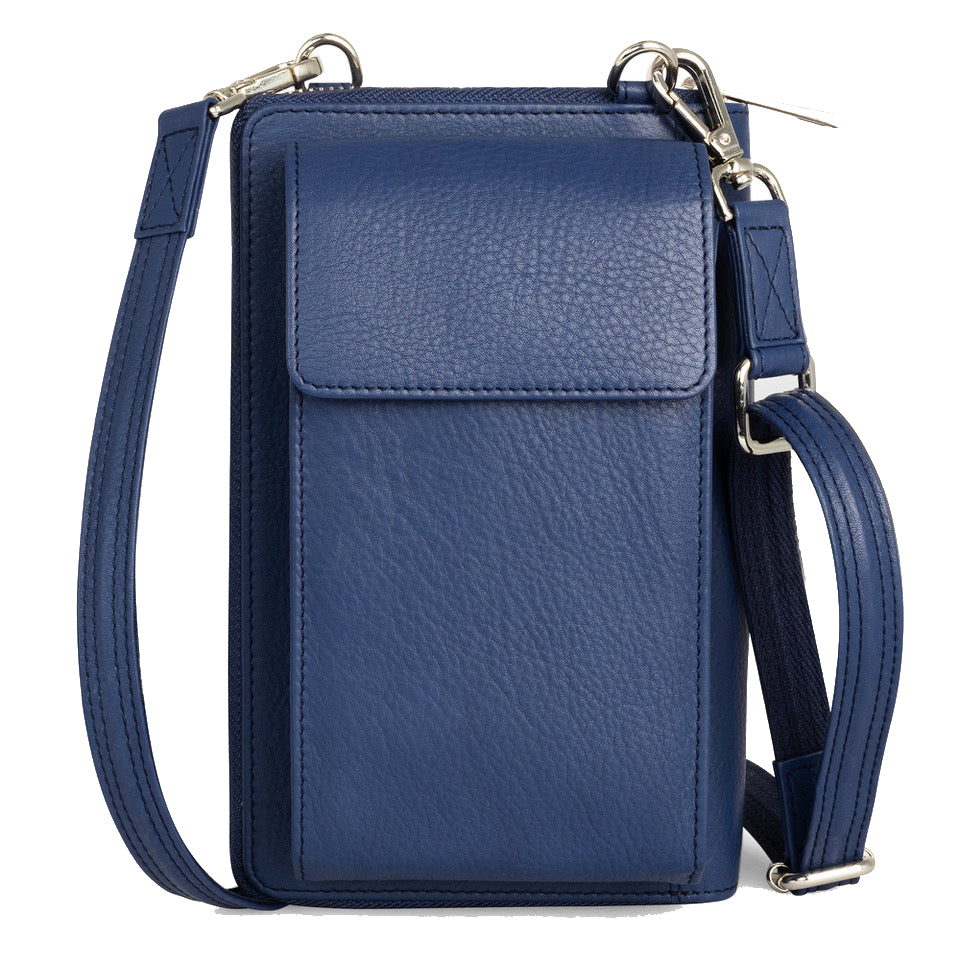
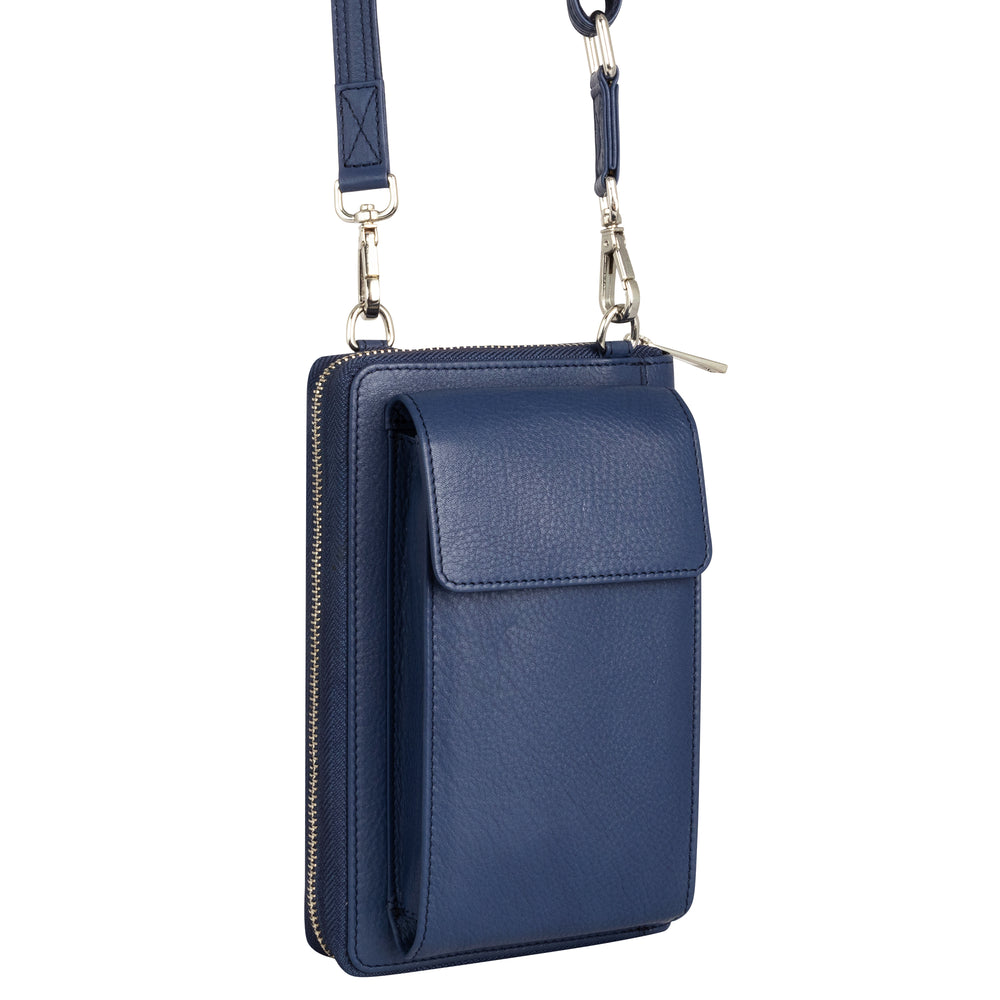
NATO straps originated from 1970s British military specifications, featuring one-piece construction that passes beneath the watch case for security. This design prevents watch loss even if spring bars fail, a crucial safety feature for professional divers and pilots. For those who value security and easy access, the Regular Crossbody Wallet Phone Purse offers a practical solution for carrying essentials during active pursuits.
Zulu straps offer thicker nylon construction for enhanced durability, while Perlon provides mesh weaving that maximizes airflow during hot weather. Installation takes under 30 seconds through simple pass-through threading.
The breathable construction eliminates sweat buildup common with solid leather or rubber, making fabric straps ideal for tropical climates or intense physical activity.
Canvas, Sailcloth, and Exotic Fabrics: Rugged Tool Watch Favorites
Sailcloth straps feature tightly woven textures originally designed for yacht racing, offering lightweight durability under 20 grams total weight. The material's quick-dry properties make it ideal for water sports followed by immediate land activities.
Bund straps incorporate padded leather bases with fabric tops, tracing back to WWII pilot requirements for wrist protection against hot aircraft metal. Modern versions provide comfort for oversized tool watches that might otherwise cause pressure points.
Canvas options bridge military heritage with civilian style, developing attractive wear patterns that reflect individual usage habits over time.
Suede, Nubuck, and Exotic Leathers: Textured Luxury
Exotic leather straps transform luxury watches into statement pieces through distinctive textures. Alligator features subtle pebbling, crocodile displays bold rectangular scales, ostrich shows characteristic quill bumps, and stingray provides unique beaded surfaces.
These materials require specialized care, weekly brushing with horsehair tools maintains texture integrity while preventing premature wear. The investment reflects both rarity and processing complexity, with genuine exotic leathers commanding premium prices.
Suede and nubuck offer accessible luxury through refined textures that complement casual dress. For more inspiration on premium options, check out the best apple watch leather straps for a blend of luxury and performance.
Watch Strap Components, Sizing, and Hardware Explained
Understanding watch strap anatomy ensures proper fit and longevity. The lug width, measured between the case extensions where the strap attaches, ranges from 14mm to 24mm, with 18mm, 20mm, and 22mm being most common. Use digital calipers for precise measurement, as even 0.5mm variance affects strap security.
Strap length follows a standardized format: long piece/short piece measurements. Standard sizing runs 115mm/75mm, suitable for 6-8 inch wrists. Larger wrists require 120mm/80mm or 125mm/85mm options. The long piece should reach the second or third buckle hole when properly sized.
Spring bars serve as the critical connection point between strap and case. These compressed steel pins feature internal springs that grip lug holes. Standard diameter measures 1.2-1.5mm thick, with length matching lug width exactly. Curved spring bars follow case contours for seamless integration, while straight bars work universally.
Clasp mechanisms determine daily usability. Pin buckles offer simplicity and classic aesthetics, requiring daily threading. Deployant clasps fold flat against the wrist and provide micro-adjustments within an 8mm range. Butterfly clasps hide completely when closed, creating clean wrist lines preferred for dress watches.
Strap thickness impacts both comfort and aesthetics. Dress watches pair with 1.5-2.5mm straps for elegant proportions. Sport watches accommodate 3-5mm thickness for durability. Match thickness to case height, thick straps on thin cases create awkward proportions.
Keepers and loops secure the strap tail after buckling. Fixed keepers attach permanently to the strap, while floating keepers slide freely. Quality straps include backup keepers to prevent loss during active wear. If you’re looking for a wallet that combines slimness and modern tech, the Bifold Slim with or without Airtag is a great choice for everyday carry.
How to Choose the Right Watch Strap: Step-by-Step Selection Guide
Selecting the optimal strap requires matching material properties to intended use. For office environments, prioritize breathability and professional appearance, smooth leather in brown or black complements business attire while remaining comfortable during 8-10 hour wear periods. Active pursuits demand water resistance and quick-drying properties found in rubber or high-quality nylon options.
Wrist size influences both comfort and aesthetics significantly. Wrists under 6.5 inches benefit from straps under 2mm thickness to maintain proportional appearance. The strap should curve naturally around your wrist without gaps or pressure points. Test the fit by ensuring you can slide one finger beneath the strap when buckled at the middle hole.
Seasonal considerations optimize year-round comfort. Summer heat and humidity favor perforated leather, mesh metals, or breathable nylon that prevents moisture buildup. Winter conditions suit thicker materials like suede or padded leather that provide insulation and comfort against sleeves.
Color coordination enhances overall watch presentation. Match metal tones first, steel cases pair with silver buckles, while gold cases require gold-toned hardware. For leather straps, coordinate with belt and shoe colors when possible. Blue dials complement brown leather beautifully, while black dials work with virtually any strap color.
Budget allocation should reflect usage frequency. Daily wear straps justify higher investment in quality materials that age gracefully. Occasional-use straps can prioritize style over longevity. Plan for multiple straps to rotate based on activities and extend individual strap life. For a classic option that fits most needs, the Classic Leather Trifold is a timeless choice for those who value tradition.
Consider quick-release mechanisms for frequent strap changes. These systems eliminate tools and reduce change time to under 30 seconds. Particularly valuable for travelers or those who regularly switch between professional and casual settings. If you want to explore more about the variety of men's accessories, see the different types of men wallets for further insights.
| Use Case | Recommended Material | Thickness | Key Features |
|---|---|---|---|
| Business/Office | Smooth Leather | 1.8-2.5mm | Professional appearance, breathable lining |
| Sports/Active | Rubber/Silicone | 3-4mm | Water resistant, quick-dry, secure clasp |
| Formal Events | Alligator/Crocodile | 1.5-2mm | Luxury texture, deployant clasp |
| Casual Daily | NATO/Canvas | 1.2-1.8mm | Easy cleaning, multiple colors, affordable |
Essential How-To Guides: Installation, Cleaning, and Maintenance

Changing Watch Straps: Tool-Based and Tool-Free Methods
Spring bar removal requires gentle but firm pressure applied at the correct angle. Insert the forked end of a spring bar tool between the lug and strap, then push the spring bar end inward while angling the strap away from the case. The spring bar should slide out smoothly without force. For installation, compress one spring bar end, position it in the lug hole, then allow it to expand into the opposite hole.
NATO strap installation bypasses spring bars entirely through its one-piece design. Thread the long end through the spring bars and under the watch case, then secure the buckle. This method provides extra security and is ideal for quick strap changes without tools.
Cleaning and Maintenance: For leather straps, wipe with a damp cloth and condition every few months. Avoid soaking leather in water. Rubber and silicone straps can be rinsed with mild soap and water. Nylon and fabric straps are often machine washable, just air dry thoroughly before reattaching. Regular cleaning extends the life and appearance of your strap.
Head-to-Head Comparisons: Leather vs. Rubber, NATO vs. Zulu, and More
Understanding the practical differences between popular strap types helps you make informed decisions based on real performance criteria. These direct comparisons focus on comfort, durability, water resistance, and daily usability rather than subjective preferences.
Leather vs. Metal Bracelet: Comfort Against Longevity
Leather straps excel in initial comfort and breathability, conforming to your wrist within the first week of wear. The natural material allows air circulation, reducing moisture buildup during extended wear. However, leather requires replacement every 12-18 months with daily use, especially if exposed to moisture regularly.
Metal bracelets prioritize longevity and zero-maintenance wear. A quality stainless steel Oyster bracelet can last decades with minimal care, requiring only occasional cleaning with soapy water. The trade-off comes in weight, metal adds 40-80 grams compared to leather's 10-15 grams, and potential skin irritation for those with nickel sensitivities.
| Criteria | Leather | Metal Bracelet | Winner |
|---|---|---|---|
| Comfort (8-hour wear) | Excellent breathability | Can pinch/pull hair | Leather |
| Durability | 12-18 months typical | 10+ years | Metal |
| Water resistance | Splash only | Swimming/diving safe | Metal |
| Weight | 10-15g | 40-80g | Leather |
Rubber vs. Nylon: Athletic Performance Showdown
For active wear, rubber straps provide superior water resistance and easy cleaning after workouts. Fluoroelastomer rubber maintains flexibility in temperature extremes from -20°C to 60°C, making it ideal for diving or outdoor activities. The non-porous surface prevents bacteria buildup and rinses clean in seconds. If you need a wallet that can keep up with your active lifestyle, the 2 ID Leather Wallet offers durability and convenience for on-the-go use.
Nylon straps, particularly NATO and Perlon styles, offer better breathability during sweaty activities. The woven fibers allow air circulation that rubber cannot match, reducing skin irritation during extended cardio sessions. However, nylon absorbs moisture and requires thorough drying to prevent odor development.
NATO vs. Zulu: Military Heritage Face-Off
NATO straps prioritize quick installation and universal compatibility. The single-piece design threads through both spring bar holes, providing security if one spring bar fails. At 15-20 grams, NATO straps remain lightweight while offering dozens of color combinations for style versatility.
Zulu straps feature thicker nylon construction (typically 1.5mm vs. NATO's 1.2mm) and rounded hardware edges for enhanced comfort. The additional material thickness provides better durability for heavy tool watches but adds bulk that may not suit dress watches under 40mm.
Quick-Release vs. Standard: Convenience Factor
Quick-release systems allow strap changes in 10-15 seconds without tools, using integrated levers that compress spring bars with finger pressure. This convenience comes at a slight premium, typically $10-20 more than standard straps, but pays dividends for watch enthusiasts who rotate straps frequently.
Standard spring bar systems require a spring bar tool and careful manipulation, taking 2-3 minutes per change. While less convenient, standard systems offer broader compatibility across vintage and specialty watches that may not accommodate quick-release hardware dimensions. For a deeper dive into the history and variations of watch straps, see the list of watch strap types for comprehensive details.
Best Watch Straps for Every Scenario and Wrist Type
Selecting the optimal strap requires matching specific performance characteristics to your lifestyle demands. These curated recommendations focus on proven performers across distinct use cases, from boardroom presentations to weekend adventures.
Everyday Versatility Champions
Best for: Office workers, students, and anyone needing one strap for multiple occasions.
- NATO in Navy or Gray: Works with 90% of watch dial colors, machine washable, and costs under $20
- Brown Leather Calfskin: Ages beautifully, matches most belt colors, suitable for business casual to weekend wear
- Stainless Steel Oyster: Zero maintenance, water-resistant, complements both sport and dress watches
Summer Heat Specialists
Best for: Hot climates, outdoor activities, and preventing sweat buildup.
- Perlon Mesh: Maximum breathability through woven design, quick-dry after swimming
- Vented Rubber: Drainage channels prevent moisture trapping, easy cleaning after beach days
- Sailcloth Canvas: Lightweight textile that doesn't retain heat like leather
Formal Occasion Performers
Best for: Black-tie events, weddings, and business formal settings. For more on the history and construction of watch straps, visit the watch strap article for authoritative information.
Frequently Asked Questions
What is the difference between watch straps and metal bracelets, and how does it affect comfort and style?
Watch straps are flexible bands made from materials like leather, rubber, or fabric, offering enhanced comfort and style versatility by flexing naturally with wrist movement. In contrast, metal bracelets are rigid links designed for durability and a formal appearance, which can feel heavier and less breathable but provide a classic, structured look.
How do I accurately measure the lug width of my watch to ensure a proper strap fit?
To measure lug width precisely, use digital calipers to measure the distance between the watch’s case extensions where the strap attaches, typically ranging from 14mm to 24mm. Even a 0.5mm difference can affect strap security, so accurate measurement ensures a snug, safe fit.
What are the main types of watch strap materials, and how do they influence durability and suitability for different activities?
Common watch strap materials include leather, rubber, nylon (NATO and Zulu), and metal bracelets. Leather offers classic style and patina over time but suits less humid conditions; rubber excels in water resistance and sports; nylon straps provide breathability and casual versatility; metal bracelets deliver durability and a formal look.
Why do watch enthusiasts often swap straps seasonally, and what are the benefits of having multiple strap options?
Enthusiasts swap straps seasonally to match comfort and style needs, leather for winter’s professional settings, nylon for summer adventures, and rubber for water activities. Having multiple straps enhances versatility, allowing personalized style changes, improved breathability, and protection against wear in different environments.