

Key Takeaways
- Mirum leather is the world's first plastic-free, plant-based alternative to traditional leather.
- It is created by Natural Fiber Welding using natural rubber, plant oils, waxes, minerals, and agricultural waste.
- Unlike synthetic vegan leathers, Mirum leather does not rely on petroleum-based polyurethane.
- Mirum employs a patented biocurative system, a nontoxic, plant-derived curing process.
- The material is 100% biobased and can safely return to the earth without causing microplastic contamination.
Table of Contents
- What Is Mirum Leather? Unpacking the 100% Biobased Innovation
- How Mirum Leather Is Made: Step-by-Step Manufacturing Process
- Key Properties and Performance of Mirum Leather: Why It Outshines Synthetics
- Mirum Leather vs. Other Vegan Leathers: Balanced Head-to-Head Analysis
- Four Key Comparison Points
- Best Mirum Leather Products and Top Brands for Everyday Carry
- How to Care for, Customize, and Recycle Mirum Leather: Actionable Guides
- Mirum Leather in Luxury Accessories: Applications, Challenges, and Future
- Mirum Leather Price Considerations and Market Positioning
- Mirum Leather Shoes and Expanding Product Applications
- How to Choose Quality Mirum Leather Accessories
- The Future of Mirum Leather in Premium Accessories
What Is Mirum Leather? Unpacking the 100% Biobased Innovation
Mirum leather represents the world's first plastic-free, plant-based alternative to traditional leather, engineered by Natural Fiber Welding (NFW) using natural rubber, plant oils, waxes, minerals, and agricultural waste. Unlike synthetic vegan leathers that rely on petroleum-based polyurethane, Mirum employs a patented biocurative system, a nontoxic, plant-derived curing process that creates a 100% biobased material capable of returning safely to earth without microplastic contamination.
This innovation matters because mirum leather slashes carbon footprints by up to 90% compared to chrome-tanned leather while offering the durability and aesthetic appeal that premium accessories demand. The material can be tuned to mimic full-grain leather textures, developing a natural patina over time that rivals traditional leather's aging characteristics, perfect for wallets and crossbody purses that improve with use.
For those interested in the craftsmanship and qualities that define premium leather, Mirum offers a compelling, sustainable alternative that does not compromise on performance or style.
Core Ingredients of Mirum Leather
- Natural rubber (provides flexibility and base structure)
- Plant oils & waxes (deliver moisture resistance)
- Minerals & pigments (enable color and texture customization)
- Agricultural waste (sustainable fillers from farming byproducts)
How Mirum Leather Is Made: Step-by-Step Manufacturing Process

Mirum leather production begins with responsibly sourced plant-based materials that are mixed into a bio-resin, formed under pressure, and cured without water-intensive dyeing or toxic chemicals, reducing manufacturing waste by 95% compared to traditional leather processing methods.
The manufacturing process operates at remarkably low temperatures and eliminates the need for energy-intensive ovens, making it scalable for high-volume production while maintaining environmental benefits.
Step-by-Step Production Process
- Mix (Day 1, 30-60 minutes): Blend natural rubber, plant oils, and agricultural waste at controlled temperatures under 100°C to form a homogeneous bio-resin
- Form (2-4 hours): Pour mixture into precision molds and press at 5-10 tons pressure to achieve uniform thickness between 1-3mm
- Finish & Cure (24-48 hours): Apply natural pigments, emboss desired textures, and complete biocuring at ambient temperatures
- Quality Test (1 hour): Verify water resistance capabilities and tensile strength exceeding 500% elongation
Key Properties and Performance of Mirum Leather: Why It Outshines Synthetics
Mirum leather delivers exceptional water resistance (repelling spills for 48+ hours), outstanding durability (withstanding 50,000+ flex cycles), and remarkable tunability across 90+ colors and textures. The material develops a natural patina that softens 20-30% after six months of regular use, creating the authentic aging experience that premium leather goods enthusiasts expect.
In real-world applications, Mirum demonstrates scratch resistance twice that of polyurethane alternatives while maintaining the flexibility needed for everyday carry items. Its low VOC emissions make it safe for direct skin contact, addressing health concerns associated with synthetic leather alternatives.
| Performance Criteria | Mirum Leather | PU Vegan Leather | Chrome-Tanned Leather |
|---|---|---|---|
| Durability (Flex Cycles) | 50,000+ | 10,000-20,000 | 40,000 |
| Carbon Footprint (kg CO2/sqm) | 0.9 | 12-15 | 15-20 |
| Water Resistance (Hours) | 48+ | 24 | 12-24 (when waxed) |
| Biodegradability | 100% soil-safe in 5 years | Non-biodegradable | Partial (landfill dependent) |
Mirum Leather vs. Other Vegan Leathers: Balanced Head-to-Head Analysis
Mirum leather distinguishes itself from alternatives like cactus (Desserto®) or pineapple leathers through its patent-pending biocurative process that eliminates plastics entirely, while competing materials typically contain 20-50% bio-polyurethanes. This plastic-free composition enables true circularity and addresses the microplastic concerns plaguing other vegan leather options.
When evaluating mirum leather price and performance, it offers superior scalability with production capacity exceeding 1 million square meters annually, while maintaining accessory-suitable thickness profiles under 4mm, ideal for slim wallet designs requiring RFID integration without bulk.
For a deeper dive into how synthetic alternatives compare, see our guide on faux synthetic leather and the environmental implications of various vegan leathers.
Key Comparison Factors
Four Key Comparison Points

- Environmental Impact: Mirum's 90% lower CO2 emissions versus Desserto's 75% reduction, with both materials significantly outperforming animal leather's 17kg water consumption per kilogram
- Durability Testing: Mirum withstands 300N tear force compared to apple leather's 200N threshold, ensuring longevity in high-stress applications
- Design Flexibility: Mirum offers tunability across 500+ finishes and textures, while cork-based alternatives limit designers to natural color palettes
- Cost and Scalability: Production costs of $15-25 per square meter for Mirum versus $30+ for specialty plant-based alternatives, enabling broader market adoption
For premium wallet applications requiring RFID integration, mirum leather provides seamless electromagnetic shielding without the bulk issues common in stiffer plant alternatives. While Desserto excels in arid climate sourcing sustainability, Mirum leads in complete circularity and end-of-life biodegradation.
Best Mirum Leather Products and Top Brands for Everyday Carry
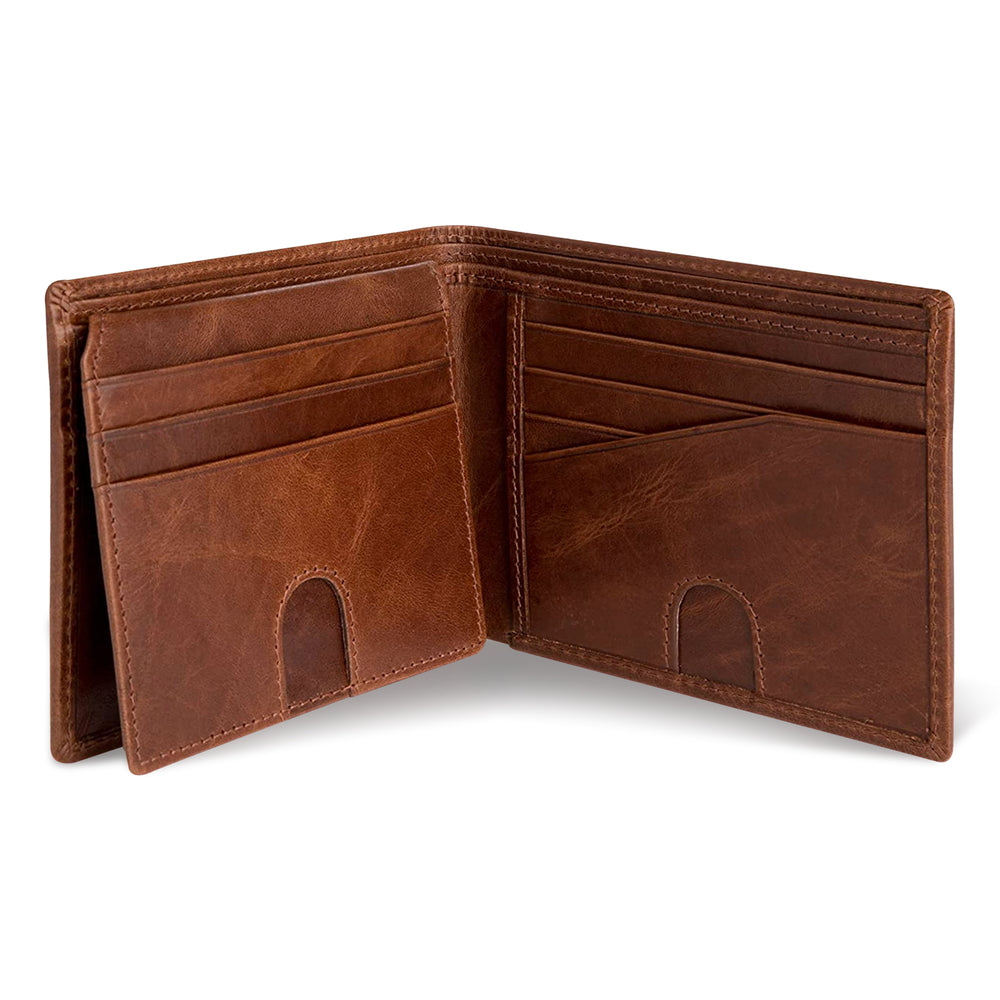
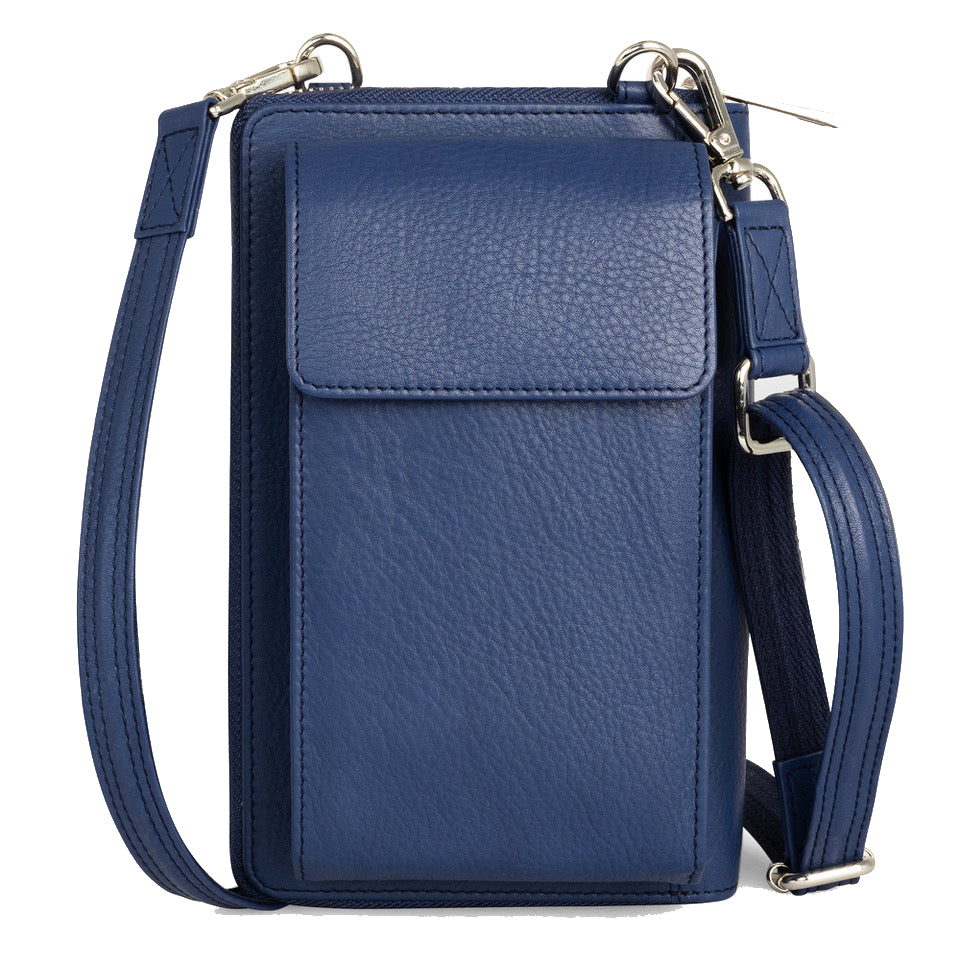
Leading mirum leather wallets and accessories from brands like Stella McCartney, Pangaia, and BMW showcase the material's versatility across fashion and automotive applications. For everyday carry enthusiasts, the optimal configurations include slim bifolds accommodating 8 cards within 1.5cm thickness profiles and crossbody designs fitting modern smartphones plus passport storage for travel.
Top Mirum Leather Products by Category
- Premium Wallets: RFID-compatible bifolds featuring Mirum's Carbon and Moss colorways, priced competitively at $80-120 range
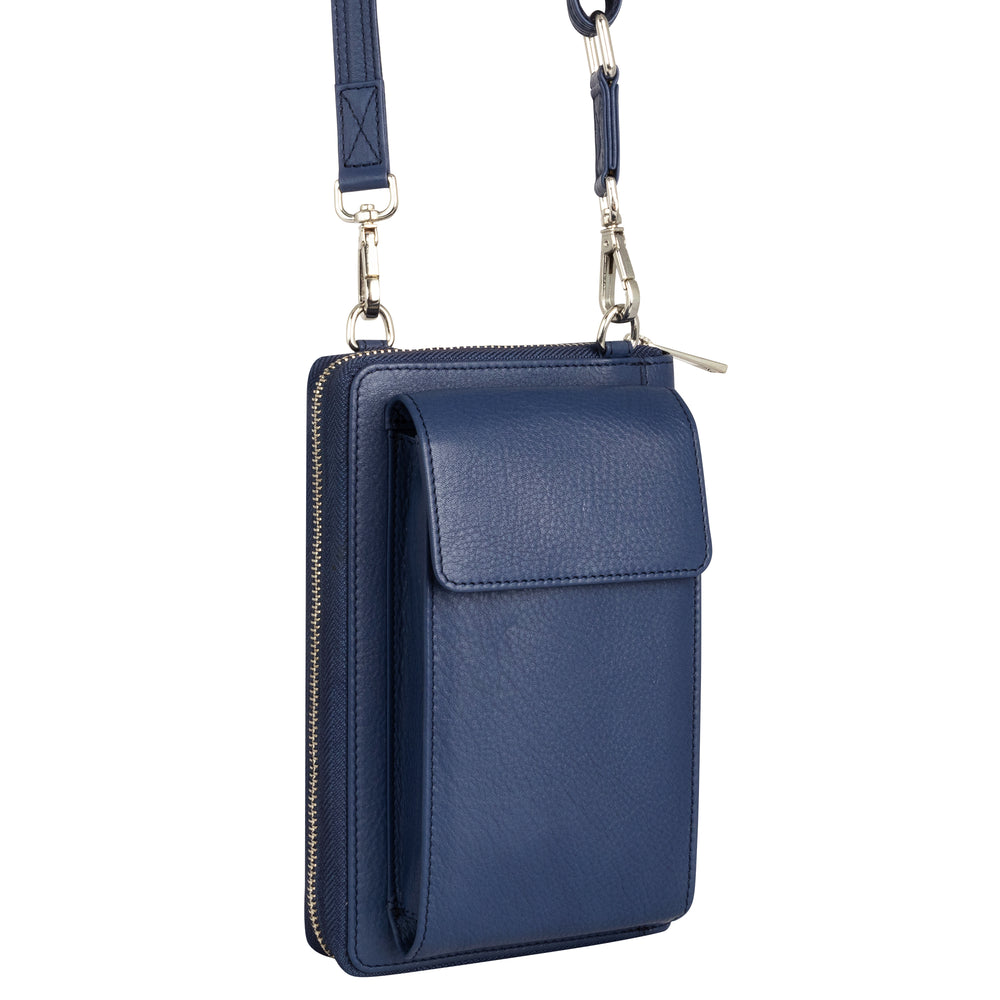
- Crossbody Accessories: Hands-free designs with slash-resistant straps, ideal for urban navigation and childcare scenarios
- Travel Essentials: Passport-compatible crossbodies with YKK zippers and adjustable straps accommodating various body types
The material's natural patina development mirrors traditional leather aging while maintaining water resistance and flexibility that synthetic alternatives cannot match. For those seeking Bull Guard-caliber quality, Mirum's durability specifications align with adventure-ready accessories designed for daily use across diverse environments.
How to Care for, Customize, and Recycle Mirum Leather: Actionable Guides
Mirum leather maintenance requires minimal intervention thanks to its inherent water resistance and stain-repelling properties. Clean with damp microfiber cloth and pea-sized plant-based soap application, rubbing for 30 seconds before air-drying for 2 hours. For stubborn stains, create a 1:1 baking soda paste, apply for 10 minutes, then brush away residue.
Customization options include pigment bonding that completes within 5 minutes, while recycling programs through NFW enable either complete bio-resin conversion via shredding or industrial composting with 5-year biodegradation timelines. Heat exposure should be avoided to preserve 95% material integrity over extended use periods.
Mirum Leather Troubleshooting
- Oil Staining: Remove within 2 minutes using gentle oil-absorbing wipe
- Surface Wear: Condition quarterly with natural beeswax application
- Authenticity Verification: Check for NFW hologram and USDA biobased certification showing 95%+ plant content
Mirum Leather in Luxury Accessories: Applications, Challenges, and Future

Premium applications for mirum leather include RFID-blocking trifold wallets with thumb-slot accessibility maintaining 2cm profiles, and XtraRoom crossbodies accommodating iPhone 15 dimensions plus full card storage. Current scaling challenges have been addressed through modular factory implementations, while greenwashing concerns can be verified through transparent E-LCA scoring systems that validate environmental claims.
Future developments include automotive seating applications already tested by BMW and expanded accessory collections targeting 20% of major brand offerings by 2027. The material's 10+ year lifespan positions it as a legitimate luxury option for consumers seeking both performance and environmental responsibility in their everyday carry selections. For more on the enduring appeal and construction of classic styles, see our article on the classic trifold leather wallet style.
Mirum Leather Price Considerations and Market Positioning
Mirum leather commands premium pricing at $15-25 per square meter in commercial quantities, positioning it competitively against traditional full-grain leather ($20-30/sqm) while significantly undercutting exotic alternatives. For consumer accessories, expect mirum leather wallets priced between $80-150, reflecting the material's advanced biocurative processing and limited production scale.
Cost factors include NFW's proprietary manufacturing requiring specialized equipment and quality control protocols that ensure consistent performance across batches. However, economies of scale are rapidly improving as major brands like Stella McCartney and BMW integrate Mirum into production lines, driving down per-unit costs while maintaining premium positioning.
Price Comparison: Mirum vs. Premium Alternatives
- Mirum Leather: $80-150 for quality wallets with 10+ year lifespan
- Full-Grain Leather: $60-200 depending on tannery and finishing
- Exotic Plant Leathers: $120-300 for limited-production accessories
Mirum Leather Shoes and Expanding Product Applications
While mirum leather shoes remain in development phases due to durability requirements for high-flex applications, the material excels in structured accessories where its water resistance and breathability provide distinct advantages. Current footwear prototypes focus on dress shoes and casual sneakers where the 50,000+ flex cycle rating meets performance standards without compromising the plastic-free composition.
Accessory applications showcase Mirum's versatility across watch straps, mirum leather bags, and automotive interiors where its tunable texture options create premium experiences. The material's ability to develop natural patina while maintaining structural integrity positions it as an ideal choice for items requiring both aesthetic evolution and functional reliability over extended use periods. For a broader perspective on what makes a durable leather wallet for everyday use, explore our in-depth guide.
How to Choose Quality Mirum Leather Accessories

Selecting authentic mirum leather accessories requires verification of NFW certification and understanding of performance specifications that distinguish genuine products from synthetic alternatives marketed as plant-based. Look for the distinctive NFW hologram, USDA biobased certification showing 95%+ plant content, and transparency in material sourcing documentation.
For everyday carry applications, prioritize accessories with proven RFID compatibility, water resistance ratings exceeding 48 hours, and construction details like YKK zippers that complement Mirum's durability profile. Bull Guard's approach to premium leather selection, emphasizing feel, performance, and craftsmanship over marketing labels, applies directly to evaluating Mirum products where hands-on assessment reveals the material's superior hand-feel and flexibility compared to conventional synthetic alternatives. For additional insights into the evolution of wallet styles, you may find this overview of trifold wallets helpful.
| Selection Criteria | Mirum Leather Standard | What to Avoid |
|---|---|---|
| Certification | NFW hologram + USDA biobased 95%+ | Generic "plant-based" claims |
| Flexibility | 500%+ elongation without cracking | Stiff, plastic-feeling materials |
| Water Resistance | 48+ hour spill protection | Basic water repellency only |
| Texture Options | 90+ colors/finishes available | Limited natural-only options |
The Future of Mirum Leather in Premium Accessories
Industry projections indicate mirum leather production scaling to over 1 million square meters annually by 2026, driven by automotive partnerships and luxury fashion adoption that validates commercial viability beyond niche applications. This expansion trajectory positions Mirum as a mainstream alternative rather than specialty material, potentially revolutionizing how premium accessories balance environmental responsibility with performance expectations.
For brands like Bull Guard that prioritize authentic craftsmanship and functional design, Mirum represents an opportunity to offer customers genuinely sustainable options without compromising the durability and aging characteristics that define quality leather goods. The material's proven ability to develop character through use while maintaining structural integrity aligns perfectly with the philosophy that accessories should be lived-in companions rather than disposable fashion items.
As mirum leather wallets and crossbodies enter mainstream production, consumers gain access to accessories that embody both traditional leather craftsmanship values and forward-thinking environmental stewardship, proving that innovation and authenticity can coexist in premium everyday carry solutions. For a global perspective on sustainable materials, see this Vogue article on plant-based leather in fashion.
Frequently Asked Questions
How durable is mirum?
Mirum leather offers durability comparable to traditional leather, with strong resistance to wear, breathability, and water repellency. It develops a natural patina over time, enhancing its character and longevity for everyday use.
What is mirum made of?
Mirum leather is crafted from a blend of natural rubber, plant oils, waxes, minerals, and agricultural waste, using a patented plant-derived biocurative process. This 100% biobased material is plastic-free and designed to safely return to the earth without microplastic pollution.
What is the best plant-based leather?
Mirum leather stands out as a leading plant-based leather alternative due to its plastic-free composition, durability, and sustainable manufacturing process. It balances performance and environmental responsibility without relying on petroleum-based components.