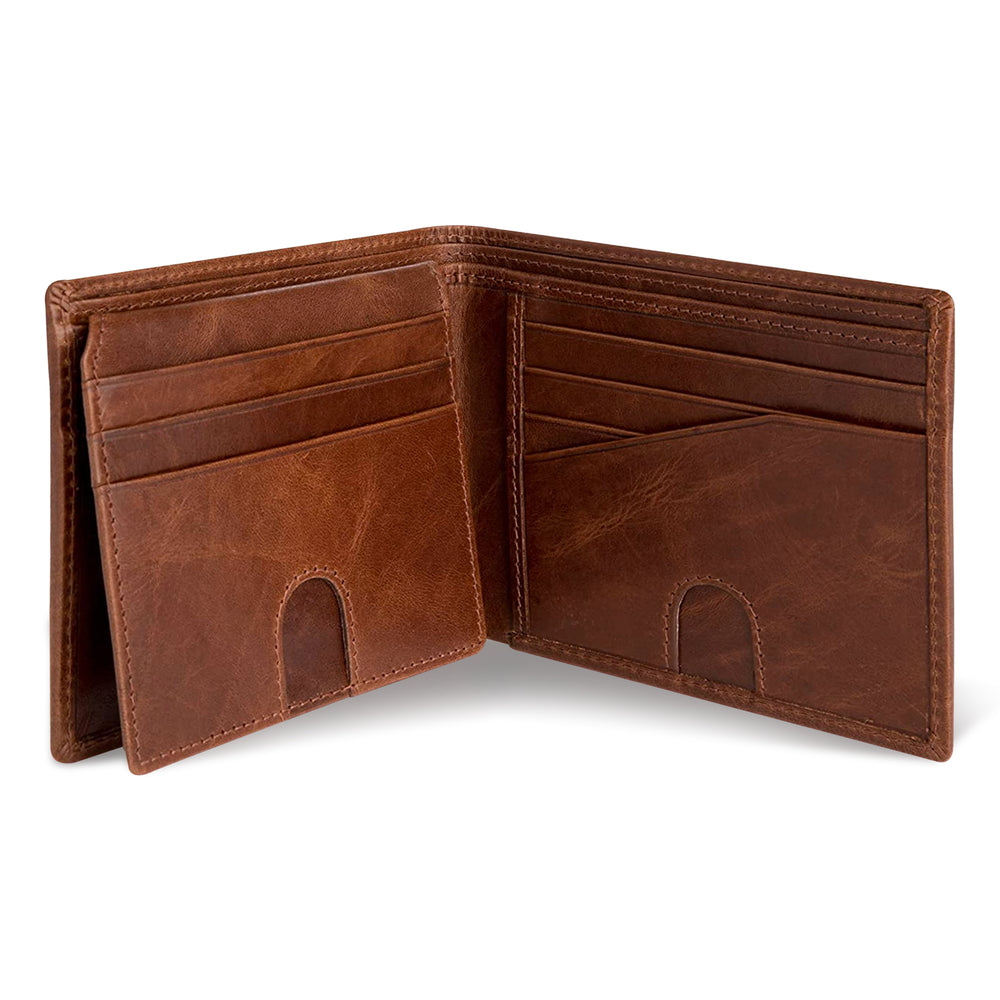


Key Takeaways
- Cleaning a leather wallet properly is more than maintenance; it is a way to connect with the material.
- Each wallet carries a unique story reflected in its worn appearance.
- Preserving the patina honors the wallet's history and character.
- Proper care prepares the wallet for future use and adventures.
How to Clean Leather Wallet & Preserve Its Patina
I've watched countless wallets pass through our workshop, and I've learned something profound: how to clean leather wallet properly isn't just maintenance, it's a conversation with a living material. When you hold that worn bifold or trifold in your hands, you're not just removing dirt. You're preserving the story it tells, honoring the patina it's earned through countless adventures, and preparing it for the journeys ahead.
Your leather wallet deserves more than a quick wipe-down. It craves intentional care that respects its grain, celebrates its character, and protects its ability to age beautifully. Today, I'll walk you through the gentle art of cleaning leather wallets, from emergency stain removal to long-term patina preservation, so your trusted companion continues to carry life boldly alongside you. Bifold and trifold wallets, in particular, benefit from these careful techniques, ensuring their longevity and beauty.
Why Your Leather Wallet Deserves Intentional Cleaning
Leather breathes. This isn't poetic language, it's biological fact. Your wallet's surface contains thousands of microscopic pores that absorb skin oils, pocket lint, and environmental dust daily. Unlike synthetic materials, genuine leather responds to this interaction by developing patina: that rich, darkened character that emerges where your fingers grip most often.
Understanding Leather as a Living Material
Full-grain and top-grain leathers, the quality levels we use at Bull Guard, retain their natural fiber structure, making them incredibly durable yet responsive to their environment. When you carry your wallet, it absorbs approximately 15-20% of its weight in moisture and oils over months of use. This absorption creates the beautiful aging process leather enthusiasts prize, but it also attracts dirt that can mask the leather's true character.
The key distinction: patina develops from natural use and should appear as even, gradual darkening at contact points. Accumulated grime appears as uneven gray or brown patches that feel sticky or rough to the touch.
When Buildup Dulls Your Wallet's Natural Character
Excessive dirt and oil residue creates a barrier that prevents leather from breathing properly. This buildup dulls the natural grain pattern, mutes color depth, and can eventually lead to cracking as the leather loses flexibility. Regular, gentle cleaning removes this interference while preserving the authentic patina that tells your wallet's story.
Preparing Your Wallet for Cleaning, The Foundation Step

Before touching soap or conditioner, treat this preparation as a diagnostic moment. Empty your wallet completely, cards, cash, receipts, and any debris hiding in corners. This isn't just housekeeping; it's your opportunity to assess what you're actually dealing with.
Complete Inspection and Stain Identification
Hold your wallet under natural light and examine each surface systematically. True patina feels smooth and appears as gradual color deepening at edges and folds. Problem areas include:
Patina vs. Grime Quick Test
Patina: Even darkening, smooth texture, appears at natural wear points
Dirt stains: Uneven patches, rough or sticky feel, gray or muddy brown color
Oil stains: Dark spots that penetrate deep into leather
Water spots: Light rings or discoloration, often with defined edges
Use a soft, dry cloth to remove surface dust first. This reveals the wallet's true condition and helps you distinguish between cosmetic surface dirt and deeper stains requiring targeted treatment. Set realistic expectations: deep ink marks or permanent dye transfer may never fully disappear, but proper cleaning restores the leather's natural tone and protects future aging. For a more detailed guide, see how to clean wallet leather.
The Gentle Cleaning Process, Surface to Interior
Gentle means non-negotiable when learning how to clean leather wallet properly. Aggressive scrubbing destroys the surface grain and strips natural oils faster than conditioning can replace them. This method works for both daily maintenance and stubborn stains.
Surface Cleaning with Mild Soap Solution
Mix one teaspoon of unscented mild soap with eight ounces of warm water. Dampen a microfiber cloth, it should feel barely wet, never soaked. Using light circular motions, focus on high-contact areas where fingers grip most often: wallet edges, corners, and the exterior surfaces that touch your pocket.
Work in small sections, immediately following with a second, completely dry cloth to remove soap residue. Never submerge the wallet or allow water to pool in card slots. The entire surface cleaning should take 3-5 minutes maximum.
Tackling Stubborn Stains Without Harsh Chemicals
For oil stains, sprinkle baking soda directly on the affected area and let it sit for 12-24 hours. The powder absorbs embedded oils naturally. Brush away gently with a soft-bristled toothbrush, working with the leather grain, never against it.
Ink marks require careful testing: dab a hidden interior area with rubbing alcohol first. If the leather doesn't discolor, apply alcohol sparingly to the stain using a cotton swab, dab, don't rub. Allow complete air drying before conditioning that specific area.
Interior Cleaning, Where Lint and Debris Hide
Card slots accumulate surprising amounts of lint and residue from magnetic strips. Use a soft-bristled toothbrush to gently brush each compartment, working from back to front. For stubborn lint in corners, use a wooden toothpick carefully, never force it, as interior leather can tear more easily than the exterior.
For card slots that feel sticky or grimy, dampen a cotton swab with your mild soap solution and gently wipe the interior surfaces. Work quickly and follow immediately with a dry swab to prevent moisture from sitting in the leather. This attention to interior spaces prevents the buildup that makes wallets feel thick and unwieldy over time.
If you prefer a minimalist carry, the Slim Leather Wallet is easy to maintain and clean, making it a great choice for those who want both style and practicality.
Drying Your Wallet the Right Way, Preventing Damage
Here's where most people unknowingly destroy their wallets. Proper drying isn't just about patience, it's about understanding that leather contracts and can warp permanently if rushed. I've seen too many beautiful wallets ruined by well-meaning owners who used hair dryers or placed them on radiators.
Open your wallet completely, bifolds spread flat, trifolds unfolded to show all panels. Place it on a clean, dry towel in a well-ventilated area away from direct sunlight, heat sources, or air conditioning vents. The goal is gentle air circulation, not forced drying. Typical drying time ranges from 12-24 hours depending on humidity levels and how thoroughly you cleaned.
For faster results without risk, try the towel-wrap method: loosely wrap your damp wallet in a clean, absorbent cotton towel (never plastic, which traps moisture and can cause mold). Leave wrapped for 4-6 hours while the towel wicks away moisture, then unwrap and allow final air drying on a dry surface for another 6-12 hours.
Climate Consideration: High humidity areas may require 24-48 hours for complete drying, while very dry climates might need extra conditioning afterward to rebalance the leather's moisture content.
For those who want added functionality, the Airtag Leather Card Holder Wallet for Men offers both style and smart tracking, making it a practical choice for everyday use.
Conditioning, The Step That Restores Life to Leather

Think of conditioning as feeding your leather. When you learn how to clean leather wallet properly, you remove dirt but also strip away some natural oils. Conditioning replaces those oils deliberately, ensuring your wallet remains supple and develops an even, beautiful patina rather than becoming brittle or cracking at stress points.
Choose a leather-specific conditioner formulated for accessories, not furniture products which are often too heavy and can leave residue. pH-neutral conditioners work best for long-term care. Wait until your wallet is completely dry, typically 24 hours after cleaning, before applying any conditioner to damp leather, which can trap moisture and cause problems later.
Apply a thin, dime-sized amount to a clean, soft cloth and work it into the leather using circular motions. Pay extra attention to edges, corners, and fold lines where leather is thinner and more prone to cracking. Allow the conditioner to absorb for 5-10 minutes, no longer, as excess sitting time promotes sticky buildup. Finish by buffing with a clean, dry cloth until the leather feels soft and has a subtle luster, not a greasy shine.
Conditioning frequency depends on use: light daily use requires conditioning 2-3 times yearly, while heavy daily carry (back pocket, frequent handling) benefits from monthly conditioning. Always condition after deep cleaning, regardless of your regular schedule. If you want a wallet that stands up to daily wear, check out this durable leather wallet for everyday use guide for more tips.
Tackling Specific Problem Scenarios
Wet Wallets, Emergency Recovery
Water exposure happens, caught in rain, accidental spills, or washing machine disasters. Your immediate response determines whether your wallet recovers or suffers permanent damage. Never attempt quick-drying with heat sources, which cause leather to contract unevenly and crack.
Blot excess moisture gently with a dry cloth, then open the wallet fully and place it on a dry towel in a well-ventilated space for 24-48 hours. If you detect musty or mildew odors developing, wipe interior surfaces with a cloth dampened in white vinegar solution (1 part vinegar to 3 parts water), allow to air dry completely, then condition thoroughly. The leather will darken temporarily but usually returns to normal color as it dries.
Odor Issues, Musty or Chemical Smells
Musty odors indicate trapped moisture, increase ventilation and ensure complete drying before use. Place activated charcoal or baking soda inside the wallet for 24-48 hours to absorb lingering smells. Chemical or plastic odors from new leather typically fade with air exposure over several days.
For smoke or food odors, sprinkle ground coffee or baking soda inside, seal in a breathable bag for 24 hours, then brush out gently. This method works because these materials absorb odor molecules rather than just masking them.
Dull or Discolored Leather After Improper Cleaning
Over-cleaned leather often appears lighter, chalky, or dull, signs of stripped natural oils. Apply conditioning treatment with extra attention, allowing 10 minutes for absorption before buffing. If discoloration persists, it may represent permanent damage, but accepting this as character development often reveals unexpected beauty in the leather's new appearance.
If you’re interested in a wallet that stands out, the Camo Bifold Leather Wallet offers a unique look while still benefiting from the same cleaning and care techniques described here.
Long-Term Care Habits, Preserving the Patina
Sustainable leather wallet care prevents the need for frequent deep cleaning. Weekly maintenance takes just 30 seconds: wipe your wallet with a dry microfiber cloth to remove surface dust, lint, and oils before they embed in the leather. This simple habit extends months between thorough cleanings while allowing you to catch new stains when they're easiest to treat.
Storage matters more than most realize. Keep your wallet in a cool, dry place with air circulation, away from direct sunlight, humid basements, or the dashboard of your car. Never store it in plastic bags, which trap moisture and can lead to mold. A breathable cloth pouch works beautifully if you need protection.
Climate awareness transforms good care into great care. During humid summer months, increase your conditioning frequency and watch for any musty odors that signal moisture problems. In dry winter air, your wallet may need extra conditioning to prevent the leather from becoming brittle. If you live in a snowy climate, wipe away salt deposits promptly, road salt is particularly harsh on leather and can cause permanent white staining if left untreated.
Here's what I've learned from years of carrying and caring for leather wallets: the beauty lies in letting patina develop naturally. Resist the urge to over-clean. That gentle darkening at the edges, the softening of sharp corners, the way the leather begins to conform to your pocket, these aren't flaws to fix but stories to celebrate. This is why we choose full-grain and top-grain leather at Bull Guard. These premium hides reward time and intentional use with character that only improves with age. For more inspiration, explore our wallets variants to find the perfect style for your needs.
When to Seek Professional Help vs. DIY

Most wallet care situations fall well within the realm of home treatment, but knowing your limits prevents you from causing more damage than you're trying to fix. I've seen too many beloved wallets ruined by well-meaning owners who pushed beyond what gentle home care could accomplish.
DIY-Appropriate Issues
You can safely handle surface dirt, dust accumulation, and mild oil stains with the gentle cleaning methods we've covered. Light discoloration from normal wear, water spots, and general odor issues respond well to home treatment. Regular conditioning and maintenance are not only safe but essential for preserving your wallet's longevity.
The key is working with your leather's natural properties rather than against them. If you can see improvement after one gentle treatment cycle, you're on the right track.
Signs You Need Professional Leather Restoration
Deep structural cracks that go beyond surface scratches require professional attention. If you can see the interior backing through a crack, stop any DIY efforts immediately. Severe mold or mildew that affects the wallet's interior structure, permanent dye transfer from clothing, or heavy ink stains that resist gentle home treatment may need specialized restoration techniques.
Loss of structural integrity, card slots tearing away from seams, corners separating, or the wallet losing its shape entirely, signals that your companion needs more help than conditioning can provide.
Decision Point: If three gentle cleaning attempts haven't improved the issue, it's time to consult a professional. Continuing DIY efforts at this point often makes restoration more difficult and expensive.
Finding a Reputable Leather Specialist
Seek local leather restoration services with portfolio examples of wallet work specifically. Shoe repair shops often handle small leather goods, but ask to see before-and-after photos of wallets they've restored. Request references and understand both timelines and costs upfront. A quality restoration can extend your wallet's life by years, making it a worthwhile investment for a piece you truly value. For more on choosing the right wallet, see our article on top rated mens wallets.
The Ritual of Care, Your Wallet's Story Continues
Every time I clean one of our Bull Guard wallets, whether it's my well-worn prototype or a customer's beloved companion, I'm reminded that we're not just maintaining leather. We're participating in a ritual that connects us to centuries of craftsmanship, to the idea that objects we carry daily deserve our attention and respect.
When you learn how to clean leather wallet properly, you're not just removing dirt or preventing damage. You're becoming a steward of something designed to age beautifully alongside you. That gentle circular motion as you work conditioner into the leather, the satisfaction of seeing the grain emerge more clearly after cleaning, the way your wallet feels slightly renewed in your hands, these moments matter.
Your wallet's patina tells a story that no new accessory can match. The subtle darkening where your thumb naturally grips, the way the edges have softened from countless openings and closings, the slight curve that mirrors the shape of your pocket, these are not imperfections but proof of a life well-lived together.
At Bull Guard, we craft our wallets from premium full-grain and top-grain leather precisely because these materials reward the kind of intentional care we've discussed. They don't just survive daily use; they transform through it, becoming more beautiful, more comfortable, and more distinctly yours with each passing month. If you want to learn more about unique wallet styles, check out this stylish leather wallet for men guide.
The next time you clean your leather wallet, remember that you're not just maintaining an accessory, you're nurturing a companion that's ready to carry your essentials through whatever adventures lie ahead. That's what it means to carry life boldly: choosing quality that lasts, caring for what matters, and letting your story unfold naturally in the leather that travels with you every single day. For additional care tips, you may also find this Extended Slim Wallet a versatile option for those seeking both form and function.
Frequently Asked Questions
How do you clean leather without ruining it?
To clean leather without damaging it, use a soft, damp cloth with a mild soap to gently wipe the surface, avoiding harsh chemicals or excessive water. After cleaning, air dry the wallet away from direct heat, then apply a quality leather conditioner to restore softness and protect the patina. This intentional care respects the leather’s natural grain and helps preserve its character and durability over time.