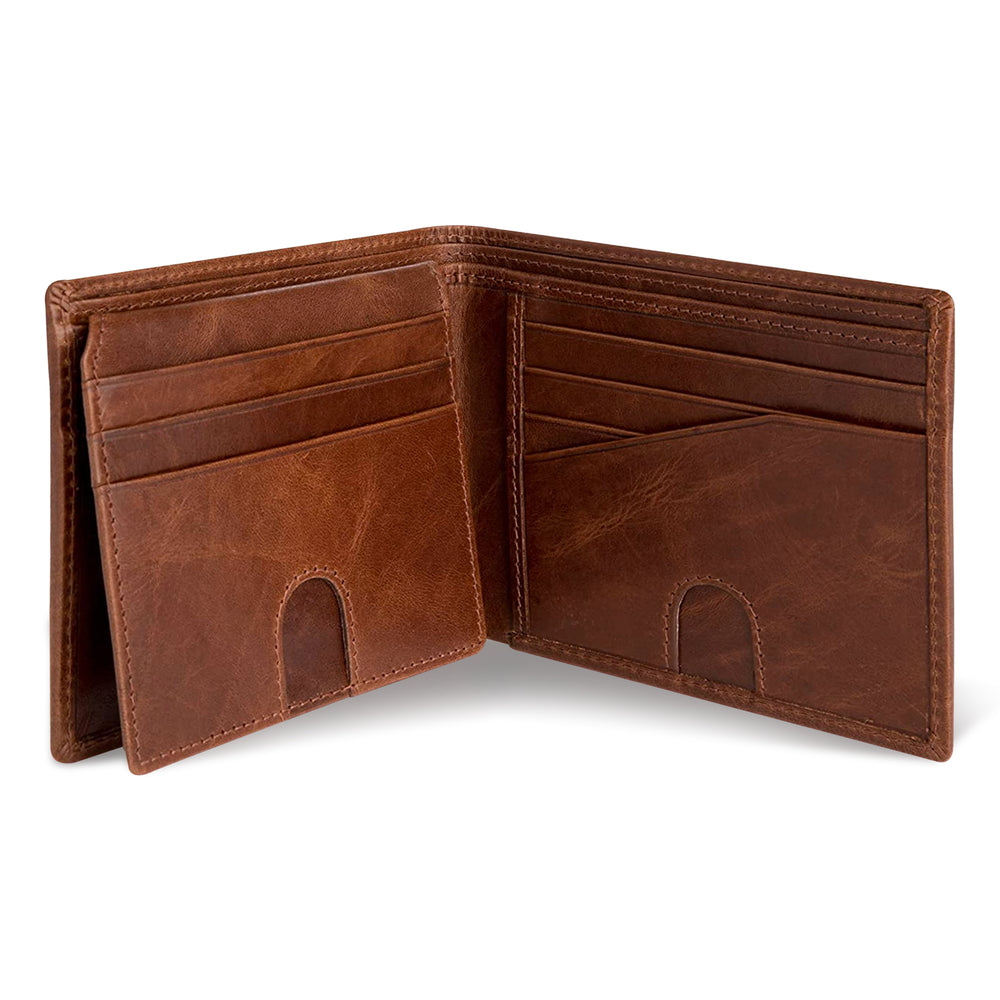


Key Takeaways
- Your leather wallet experiences daily wear from handling, friction, and environmental factors.
- Proper cleaning techniques are crucial to extend the wallet's lifespan and maintain its look.
- Most damage to leather wallets results from incorrect cleaning methods rather than normal use.
- Using the right cleaning approach helps preserve your leather wallet investment.
How to Clean a Leather Wallet: Expert Care Guide
Your leather wallet endures daily handling, pocket friction, and environmental exposure, knowing how to clean a leather wallet properly extends its life and maintains its appearance. Most wallet damage comes from improper cleaning techniques rather than normal wear, making the right approach essential for preserving your investment.
At Bull Guard, I've watched countless customers transform worn wallets into renewed companions through proper care. The key lies in understanding your leather type, using appropriate cleaning methods, and following systematic maintenance routines that work with leather's natural properties rather than against them.
If you're looking to upgrade your daily carry, consider the Bifold Slim with or without Airtag for a sleek, modern option, or the Classic Leather Trifold for timeless organization and style.
Understanding Your Leather Wallet: Foundation for Smart Care
Leather breathes, absorbs oils, and evolves with use, treating it as a living material rather than static fabric determines your cleaning success. The porous structure of quality leather naturally absorbs moisture and oils from daily handling, creating the need for regular but gentle maintenance.
Leather Types and Their Cleaning Implications
Different leather grades respond uniquely to cleaning methods, though quality depends more on tannery expertise than grade alone. Think of it like restaurants: the cut matters, but the chef's skill and preparation determine the final result.
| Leather Type | Water Sensitivity | Cleaning Approach | Conditioning Needs |
|---|---|---|---|
| Full-Grain | Moderate tolerance | Gentle soap, dry thoroughly | Every 2-3 months |
| Top-Grain | Good tolerance | Standard cleaning methods | Every 3-4 months |
| Genuine/Bonded | Low tolerance | Dry cleaning only | Monthly if used heavily |
What Causes Leather Deterioration: Dirt, Oil, and Patina
Natural patina, the gradual darkening and character development, enhances leather's appeal, while accumulated dirt and body oils accelerate deterioration. Regular cleaning removes harmful buildup while preserving the desirable aging process that gives quality leather its distinctive character.
Pre-Cleaning Inspection: Diagnosing Wallet Condition

Proper assessment prevents over-aggressive cleaning of lightly soiled wallets and ensures appropriate treatment for stubborn stains. Understanding what you're cleaning determines the intensity and method required.
What to Look For: Stain Classification
Common wallet stains include surface dust (gray film), oil residue (dark spots), ink marks (blue or black stains), water marks (white rings), and salt deposits (white crusty buildup). Each requires different removal techniques, misidentifying stains leads to ineffective cleaning or leather damage.
Quick Diagnostic Checklist
- Empty all compartments and shake out loose debris
- Check for existing cracks or brittleness
- Identify stain types and locations
- Note any areas of discoloration or sticky residue
Assessing Leather Condition Before You Start
Examine your wallet for existing damage, cracks, brittleness, color fading, or sticky residue from previous conditioning products. These conditions require gentler cleaning approaches and may indicate the need for professional restoration rather than DIY methods.
Surface Cleaning: Removing Dust, Dirt, and Light Grime
Surface cleaning handles 70% of wallet maintenance needs through dry brushing and light damp-cloth techniques. This approach removes everyday accumulation without introducing excessive moisture that can damage leather structure.
Dry Brushing: The First Line of Defense
Use a soft horsehair or goat hair brush in gentle circular motions to remove loose dust without introducing water. Weekly dry brushing maintains appearance and prevents dirt from embedding in leather pores, extending the time between deep cleanings.
The Damp-Cloth Method for Light Oil and Dirt Buildup
Mix mild unscented dish soap with warm water at a 1:10 ratio. Dampen a microfiber cloth, wring to nearly dry, and wipe exterior surfaces with gentle pressure for 3-5 seconds per section. Allow 30 minutes air drying before handling, over-wetting causes leather stiffening and potential cracking.
Deep Cleaning: Tackling Stubborn Stains and Buildup
Stubborn stains require targeted approaches using specific solutions for ink, grease, salt, and mold. Always test cleaning methods on inconspicuous interior areas before treating visible surfaces.
Removing Ink and Paint Stains: The Rubbing Alcohol Method
Dampen a cotton swab with 70% isopropyl alcohol and test on an interior corner. Apply to the stain with gentle circular motion for 10-15 seconds, blot immediately with a clean cloth, then air dry for one hour. Never use 90%+ alcohol concentrations, which dry leather too aggressively.
Removing Salt, Water, and Mineral Stains
Mix white vinegar with distilled water at a 1:4 ratio to dissolve mineral deposits from sweat, humidity, or coastal exposure. Apply to stains with a cloth, let sit for 2-3 minutes, then blot and rinse with a clean damp cloth. The vinegar's acidity breaks down mineral buildup without harming properly tanned leather.
Addressing Grease and Oil Stains
Absorb fresh grease immediately with baking soda, sprinkle liberally and let sit for 12-24 hours before brushing away gently. For set-in grease, use talc powder or diatomaceous earth with the same absorption method. This approach works better than scrubbing, which can push oils deeper into leather pores.
Mold and Mildew: Prevention and Removal
Identify mold by musty odors and fuzzy black or green spots, typically caused by storage in humid environments. Remove with equal parts white vinegar and water, wipe thoroughly, then air dry in sunlight for 2-3 hours, UV light kills remaining spores. Prevention requires storing wallets in dry, well-ventilated spaces away from sealed containers.
For more detailed tips on removing tough stains and keeping your wallet in top shape, see our guide on how to clean wallet leather.
Proper Drying Techniques: Preventing Damage and Stiffness

Drying method determines cleaning success as much as the cleaning technique itself. Improper drying causes more wallet damage than the original stains, making controlled air drying essential for maintaining leather flexibility and appearance.
Air Drying Fundamentals: Temperature, Airflow, and Duration
Maintain room temperature between 65-75°F with good air circulation and indirect natural light. Open all wallet compartments and pockets fully to allow internal airflow, this accelerates drying by 40% and prevents moisture trapping. Typical drying time ranges from 12 hours for light cleaning to 24 hours for deep cleaning methods.
What NOT to Do: Common Drying Mistakes
Never use hairdryers, radiators, direct sunlight, or enclosed spaces. Hairdryers cause uneven shrinkage and brittleness, direct sun leads to color fading and cracking, while enclosed spaces promote mold formation. Patience prevents permanent damage, never accelerate drying to meet same-day timelines.
Conditioning: Restoring Suppleness and Preventing Future Damage
Conditioning after cleaning replaces natural oils stripped during the cleaning process, maintaining leather elasticity and preventing brittleness. This step transforms cleaning from a potentially damaging process into one that actually improves leather condition over time.
Why Conditioning Matters: The Science of Leather Hydration
Leather loses flexibility when moisture drops below 15%, conditioning restores hydration to the optimal 18-22% range. Water and soap remove surface oils that keep leather supple; omitting post-cleaning conditioning accelerates deterioration by 2-3 times normal rates.
Choosing the Right Conditioner for Your Wallet Type
| Product Type | Best For | Pros | Cons |
|---|---|---|---|
| Mink Oil | Full-grain leather | Deep penetration, weather resistance | Can darken light colors |
| Beeswax-Based | Top-grain leather | Protective coating, subtle shine | Requires more buffing |
| Jojoba Oil | Natural alternative | Won't go rancid, absorbs well | More expensive than synthetics |
| Commercial Conditioners | All leather types | Balanced formula, consistent results | May contain synthetic additives |
The Conditioning Application Process: Precision Technique
Test conditioner on an interior corner first, wait 10 minutes to check for discoloration. Apply a pea-sized amount per wallet section using circular motions with a soft cloth, let sit for 10-15 minutes to absorb, then buff excess with a dry cloth. This prevents sticky residue while ensuring adequate penetration.
Allow 24 hours rest before heavy use, giving conditioner time to fully integrate with leather fibers. Proper conditioning frequency depends on use intensity: every 2-3 months for regular users, monthly for frequent travelers or harsh-weather exposure.
For a step-by-step breakdown of the entire process, check out our article on how to clean leather wallet for additional insights and visuals.
Cleaning Without Commercial Products: Household Solutions
Budget-conscious wallet care using household items achieves 80% of commercial cleaner effectiveness at 90% lower cost. These natural solutions work particularly well for routine maintenance and light stain removal when applied with proper ratios and techniques.
Mild Soap and Water: Your Foundation Cleaner
Unscented dish soap mixed with warm water at 1:10 ratio handles most wallet cleaning needs effectively. Commercial leather cleaners often use similar base formulas with added fragrances and preservatives, this DIY version provides the same cleaning power without unnecessary additives that may cause reactions.
For those who prefer a minimalist carry, the Slim Leather Wallet offers a streamlined solution that's easy to maintain with these household cleaning methods.
Natural Conditioning Alternatives: Oils and Butters
Coconut oil, jojoba oil, and lanolin provide effective conditioning at lower cost but require more careful application. Use half a pea-sized amount maximum, these natural oils penetrate deeper than commercial formulas but can appear greasy if over-applied. They work best on full-grain leather; top-grain may show visible residue despite thorough buffing.
Maintenance Schedule and Prevention: Long-Term Wallet Health

Sustainable cleaning habits prevent problems before they occur, making maintenance the most cost-effective approach to wallet longevity. A structured routine adapts to use intensity while preserving leather character and functionality over years of daily carry.
Weekly, Monthly, and Seasonal Cleaning Rhythms
Bull Guard Maintenance Calendar
- Weekly: Dry brush exterior, inspect for new stains
- Monthly: Damp-cloth surface clean, empty and air out
- Every 3 months: Deep clean (if needed) plus conditioning
- Annually: Full assessment and professional restoration if required
Travelers and outdoor enthusiasts should increase frequency, monthly deep cleaning and bi-monthly conditioning maintain protection against accelerated wear from frequent handling and environmental exposure.
If you need a wallet that stands up to everyday use, the 2 ID Leather Wallet is designed for durability and frequent handling.
Storage and Environmental Prevention
Store wallets at 65-75°F with 30-50% humidity in well-ventilated spaces. Avoid plastic bags that trap moisture and direct sunlight that fades color. Microfiber pouches reduce dust ingress for frequent travelers while allowing air circulation, proper storage prevents 70% of common wallet deterioration issues.
Troubleshooting Common Cleaning Mistakes and Recovery
Recovery techniques for cleaning errors build confidence in wallet maintenance. Understanding how to fix sticky residue, stiffness, and discoloration transforms potential disasters into learning experiences that improve future care routines.
Sticky or Greasy Residue After Cleaning or Conditioning
Over-application of conditioner or soap residue creates sticky surfaces that attract dirt. Recovery requires wiping thoroughly with dry microfiber cloth for 2-3 minutes, air drying for 24 hours, then repeating buffing. Prevention means using only pea-sized amounts and buffing excess immediately after application.
Stiff, Brittle Leather After Cleaning
Over-wetting or inadequate conditioning leaves leather inflexible and prone to cracking. Recovery involves generous conditioning application, 15-minute absorption time, thorough buffing, and 48-hour rest before use. This process restores flexibility by reintroducing essential oils stripped during aggressive cleaning.
For those who want a wallet that can handle the rigors of daily life and still look great, the Magnetic Money Clip Card Case with ID offers both style and resilience.
Odors That Persist After Cleaning
Mold, food residue, or inadequate drying creates lasting odors that resist standard cleaning. Place wallet in direct sunlight for 2-3 hours, UV kills odor-causing bacteria, then store with activated charcoal for 48 hours. Prevention requires regular emptying and thorough drying after each cleaning session.
The Bull Guard Difference: Premium Leather Care Perspective
Premium leather wallets reward consistent maintenance with improved appearance and extended lifespan. Learning how to clean a leather wallet properly becomes an investment in deepening the wallet's character, transforming routine maintenance into a ritual that strengthens the bond between carrier and companion.
Why Premium Leather Responds Better to Care Routines
Full-grain and top-grain leathers from quality tanneries develop rich patina and improve with proper cleaning and conditioning, unlike bonded leather that deteriorates regardless of care. Premium leather's natural oil structure means consistent maintenance extends lifespan by 50% while deepening aesthetic appeal through controlled aging.
Bull Guard's partnership with trusted tanneries ensures each wallet's leather responds positively to the care techniques outlined in this guide. The hide selection and tanning process create leather that rewards attention rather than merely tolerating it.
For more on choosing the right wallet for your needs, explore our Bifold Wallet collection for a range of premium options.
RFID-Protected Wallets: Cleaning Without Compromising Security
RFID-blocking layers in Bull Guard wallets don't interfere with exterior cleaning methods. The metal mesh or carbon fiber protection sits between leather layers, allowing gentle cleaning and conditioning to reach the outer surface without affecting internal security functionality.
Building Your Personal Wallet Story Through Intentional Care
A well-maintained leather wallet becomes a trusted companion that matures and personalizes over time. Cleaning and conditioning honor the craftsmanship while extending the wallet's ability to serve daily adventures. Consistent care means a Bull Guard wallet looks better and feels better at year two, five, and ten, developing character that reflects its owner's journey.
For more inspiration and style ideas, check out our guide to a stylish leather wallet for men.
Quick-Reference Cleaning Protocols by Stain Type

| Stain Type | Best Method | Key Material | Timing |
|---|---|---|---|
| Surface dust | Dry brushing | Soft horsehair brush | 2-3 minutes |
| Oil/grease | Absorption method | Baking soda, talc, or diatomaceous earth | 12-24 hours |
| Ink/paint | Spot cleaning | 70% isopropyl alcohol, cotton swab | 10-15 seconds, then blot |
| Salt/mineral | Vinegar solution | White vinegar & distilled water (1:4) | 2-3 minutes, then blot |
| Mold/mildew | Vinegar wipe & sunlight | White vinegar & water (1:1), sunlight | Wipe, then 2-3 hours sun |
Frequently Asked Questions
What are the best cleaning methods for different types of leather wallets such as full-grain, top-grain, and genuine leather?
For full-grain and top-grain leather wallets, use a damp cloth with mild soap for gentle cleaning, then dry thoroughly and condition to maintain suppleness. Genuine leather varies widely, so test any cleaning method on a small area first and avoid excessive moisture to prevent damage.
How often should I clean and condition my leather wallet to maintain its appearance and durability?
Cleaning your leather wallet every 2 to 3 months and conditioning it afterward helps preserve its softness and prevents cracking. Regular maintenance supports the leather’s natural oils and extends the wallet’s lifespan while enhancing its evolving patina.
What are the common causes of leather wallet deterioration, and how can regular cleaning help preserve the natural patina?
Leather wallets deteriorate mainly from improper cleaning, exposure to moisture, oils, and dirt buildup. Regular, gentle cleaning removes grime and replenishes oils through conditioning, preserving the wallet’s natural patina and ensuring it ages beautifully with use.
What steps should I take to properly inspect and diagnose my leather wallet before cleaning to avoid damage?
Before cleaning, examine your wallet for stains, dryness, or structural issues like loose stitching. Identifying the leather type and condition helps select the right cleaning method and prevents damage from harsh products or excessive moisture.