

Key Takeaways
- Bags made from recycled materials repurpose waste such as plastic bottles, textile scraps, and paper into useful carriers.
- Using recycled materials in bag production can reduce emissions by up to 60% compared to using virgin materials.
- These bags contain post-consumer or pre-consumer recycled content, differentiating them from standard reusable bags.
- Bags made from recycled materials help turn waste into everyday essentials, promoting sustainability.
Table of Contents
- What "Bags Made from Recycled Materials" Really Are (and What They're Not)
- The Most Common Recycled Materials Used in Bags (and How They Perform)
- Do Bags Made from Recycled Materials Really Help the Environment?
- How to Choose the Right Bag Made from Recycled Materials for Your Life
- Caring for Bags Made from Recycled Materials (So They Last Years, Not Months)
- Key Comparisons: Recycled Bags vs. Other "Eco" Options
- Bringing It All Together: Choosing Recycled Bags That Match Your Values and Your Everyday Life
Bags Made From Recycled Materials: Choose Smart
Bags made from recycled materials transform waste like plastic bottles, textile scraps, and paper into functional carriers, reducing production emissions by up to 60% compared to virgin-material alternatives. Unlike simply reusable bags, these products incorporate post-consumer or pre-consumer recycled content, turning yesterday's waste into tomorrow's everyday essentials.
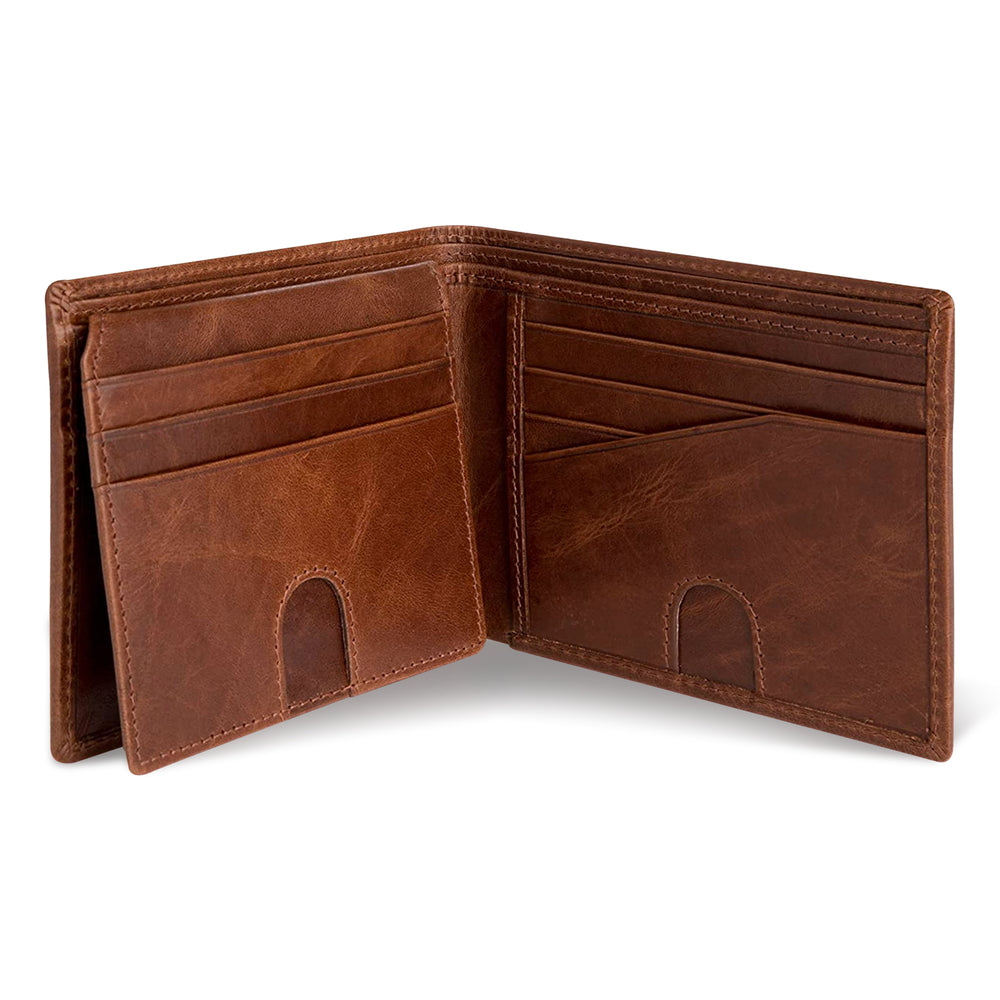
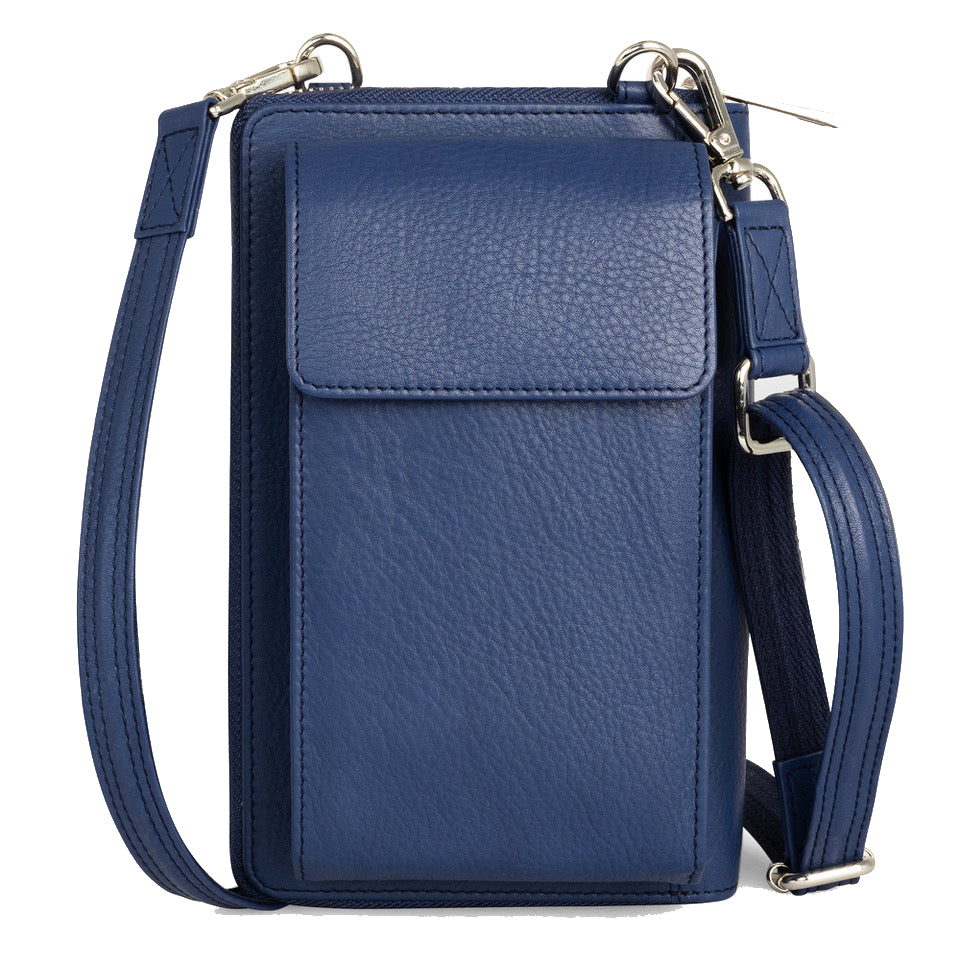
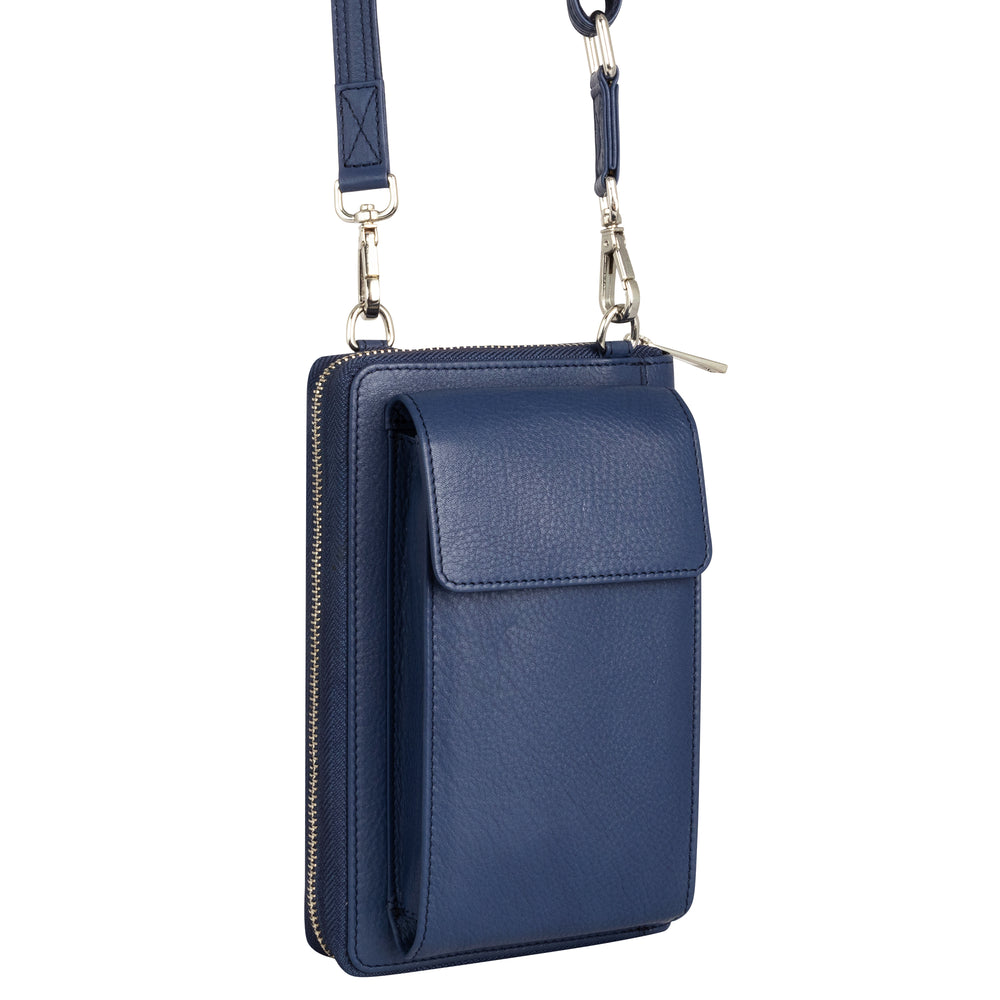
If you're looking for a stylish and practical option, the Crossbody Wallet Purse, XtraRoom offers a compact design made with thoughtful materials, ideal for everyday use. For those who prefer a classic touch, the Classic Leather Trifold provides timeless organization with a sustainable edge.
Quick Answer: The best recycled bags combine high recycled content (70%+), verified certifications (GRS/RCS), and construction built for 100+ uses. Material choice depends on use case: rPET for water resistance, recycled cotton for groceries, recycled nylon for travel durability.
What "Bags Made from Recycled Materials" Really Are (and What They're Not)
Core Definitions: Recycled vs. Reusable vs. Biodegradable
A recycled bag contains materials previously used in other products, typically 30-100% post-consumer or pre-consumer content. A reusable bag simply withstands multiple uses regardless of material origin. Biodegradable bags break down naturally over months or years, while compostable bags decompose in specific industrial facilities within 90-180 days.
| Term | What It Means | Common Materials | Typical Lifespan | End-of-Life Options |
|---|---|---|---|---|
| Recycled | Contains previously used materials | rPET, recycled cotton, recycled paper | 2-5+ years | Some can be recycled again |
| Reusable | Designed for multiple uses | Any durable material | 1-10+ years | Varies by material |
| Biodegradable | Breaks down naturally | Plant starches, PLA | 3-12 months in use | Natural decomposition |
| Compostable | Decomposes in controlled conditions | Certified bio-plastics | Single use to 6 months | Industrial composting |
Post-Consumer vs. Pre-Consumer Recycled Content
Post-consumer recycled content comes from materials consumers actually used, plastic bottles collected from households, textiles from clothing donation bins, or paper from office recycling. Pre-consumer content originates from manufacturing waste like fabric cutting scraps or paper mill offcuts that never reached consumers.
Many eco-labels specify "X% post-consumer content" because it represents genuine waste diversion from landfills. Look for statements like "made with 70% post-consumer recycled polyester" on hangtags, this indicates real environmental impact beyond factory efficiency.
Upcycled vs. Recycled Bags
Upcycled bags repurpose specific items like decommissioned billboards, truck tarps, or coffee sacks into new products, preserving original graphics and textures. Mechanically recycled bags use materials broken down into fibers or pellets, then reformed into standardized fabrics like rPET.
Upcycled options offer unique patterns and small-batch exclusivity, while recycled-fiber bags provide consistent specifications for laptop compartments or uniform strength requirements.
For more insights on the evolution and styles of eco-friendly carriers, explore our guide to satchels and bags.
The Most Common Recycled Materials Used in Bags (and How They Perform)

rPET (Recycled Polyester from Bottles)
rPET transforms plastic bottles into durable fabric, typically available in 300-600 denier weights for everyday bags. Water-repellent coatings enhance weather resistance, while the material's inherent strength resists abrasion and maintains color through repeated washing.
Choose rPET for everyday totes, backpacks, and travel duffels. A standard tote incorporates approximately 12-15 recycled bottles, offering practical water resistance for groceries or gym gear while diverting waste from landfills.
Recycled Nylon
Sourced from fishing nets, carpet waste, and industrial scrap, recycled nylon exceeds rPET in tear resistance and tensile strength. Available in 420-840 denier ratings, it handles heavy loads and sharp objects better than most alternatives.
For laptop bags, camera cases, or technical packs requiring puncture resistance, seek recycled nylon with reinforced seams and YKK zippers. The material's superior strength-to-weight ratio justifies its use in professional and travel applications.
If you need a versatile option for travel and daily use, the Regular Crossbody Wallet Phone Purse combines style, security, and practicality.
Recycled Cotton & Textile Blends
Cutting-room waste and post-consumer clothing form the foundation of recycled cotton bags, though the shorter fibers typically require blending with virgin cotton or synthetics for structural integrity. This material excels in tote bags, fashion shoppers, and branded corporate bags where aesthetics matter as much as function.
Choose heavier-weight fabrics, 10-16 oz canvas for grocery loads versus 6-8 oz for light everyday carry. The tactile appeal and printability make recycled cotton ideal when you want a bag that feels substantial in your hands while maintaining an approachable, natural aesthetic.
Recycled Paper & Card for Gift and Shopping Bags
Recycled paper bags typically contain 60-100% recycled fiber content, with performance directly tied to GSM (paper weight). For wine bottles or heavier gifts, target 150-200 GSM; general apparel and lighter items work well with 90-120 GSM options.
Handle construction matters significantly, twisted handles distribute weight better than flat handles, while reinforced gussets prevent bottom blowouts. Look for bags with water-based inks and minimal lamination to maintain recyclability at end-of-life.
Other Materials: Recycled Leather, Jute, Hemp & Hybrids
Recycled leather uses bonded leather fibers, creating a different feel and performance profile than traditional leather or synthetic alternatives. Recycled jute and hemp blends offer plant-based durability with distinctive textures that appeal to style-conscious users seeking alternatives to synthetic materials.
Quality assessment focuses on surface feel, backing fabric integrity, and stitching precision. These materials shine when tactile experience and visual uniqueness drive your choice, though they may require more careful maintenance than synthetic recycled options.
For a curated selection of eco-conscious accessories, browse our Best Selling Gifts collection.
Do Bags Made from Recycled Materials Really Help the Environment?
Life Cycle of a Recycled-Material Bag
The journey begins with collection, bottles from curbside programs, textiles from donation centers, or industrial waste streams. Materials undergo sorting and cleaning to remove contaminants, then processing into fibers or pellets through mechanical or chemical methods. Manufacturing transforms these inputs into finished bags, followed by distribution and eventual use.
End-of-life options vary dramatically by construction: single-material rPET bags can re-enter recycling streams, while laminated or multi-material designs often require specialized processing or disposal. This cycle typically spans 2-4 weeks from waste collection to finished product, depending on processing complexity and supply chain logistics.
Carbon, Water, and Resource Savings vs. Virgin Materials
Bags made from recycled polyester typically reduce emissions by 30-50% compared to virgin polyester production, while recycled paper can cut energy use by up to 40% versus virgin paper manufacturing.
These savings stem from bypassing resource extraction and primary processing steps. However, design choices, transportation distances, and manufacturing efficiency significantly influence net environmental benefits. A locally-produced recycled bag with minimal processing often outperforms a heavily-processed option shipped internationally, regardless of recycled content percentage.
Limits and Trade-Offs: Microplastics, Energy Use, and Local Infrastructure
Recycled synthetic bags release microplastics during washing, while recycling infrastructure availability affects both input sourcing and end-of-life options. Energy-intensive processing can offset some environmental gains, particularly for chemically recycled materials requiring high-temperature treatment.
Mitigate these impacts by washing bags less frequently, spot-clean spills within 5 minutes using mild soap and cold water. Use gentle cycles inside microfiber-capture bags when machine washing becomes necessary, and line dry to reduce energy consumption and material stress.
For a deeper dive into the science and statistics behind plastic waste, see this comprehensive overview of plastic pollution.
How to Choose the Right Bag Made from Recycled Materials for Your Life
Match Material to Use Case
Daily grocery runs: Sturdy recycled cotton or heavy non-woven rPET tote with 15-20L capacity and reinforced bottom panel.
Commuting & work: rPET or recycled nylon backpack with padded laptop sleeve, minimum 25L capacity for daily essentials.
Travel & overnights: Recycled nylon duffel with water-resistant coating, 40-60L capacity depending on trip length.
Gifting & retail: Recycled paper bags with reinforced handles, 120+ GSM for standard merchandise.
Handle specifications matter: 25-30cm drop length enables comfortable shoulder carry, while adjustable straps (50-60cm range) accommodate crossbody positioning for hands-free mobility.
For more inspiration on stylish and functional options, check out our article on great handbags.
Reading Labels and Verifying Recycled Content
Meaningful labels specify percentages and material sources: "Shell: 100% recycled polyester; Lining: 50% recycled polyester" versus vague "eco-friendly" claims. Look for certifications like GRS (Global Recycled Standard), RCS (Recycled Claim Standard), or FSC for paper products, complete with license numbers.
Spend 30-60 seconds reviewing product details online, absence of specific recycled content percentages signals potential greenwashing. Legitimate manufacturers readily provide material breakdowns and certification documentation.
Fit, Capacity, and Comfort Details Most People Overlook
Test bags under realistic load conditions: carry 3-5kg of groceries or daily essentials to assess handle comfort, seam strength, and weight distribution. Adjustable straps, padded handles, and reinforced bottoms make a significant difference in long-term usability and comfort. Consider how the bag fits your body and routine, crossbody styles free your hands for errands, while structured totes keep work items organized and accessible.
Caring for Bags Made from Recycled Materials (So They Last Years, Not Months)

Proper care extends the environmental benefits of recycled bags by maximizing their useful life. A well-maintained rPET tote that lasts three years delivers significantly more resource savings than one that fails after six months of neglect.
Everyday Cleaning: rPET, Recycled Nylon, and Synthetic Blends
Address spills within 5-10 minutes using a pea-sized amount of mild soap on a damp cloth. This prevents stains from setting and eliminates the need for aggressive washing that can shed microplastics.
For deeper cleaning, hand-wash in cool water for 5-10 minutes maximum. Avoid hot cycles and high-spin machine washes, which can break down recycled fibers and release microplastics into waterways. When machine washing is unavoidable, use a microfiber-catching wash bag and gentle cycle only.
Air-dry for 12-24 hours away from direct sunlight or heat sources. Reshape while damp to maintain structure and prevent permanent creasing that weakens fabric integrity.
For those who prefer a minimalist approach to organization, the Slim Card Case is a sleek, sustainable choice for everyday essentials.
Caring for Recycled Cotton and Textile Bags
Shake out debris weekly and spot-clean minor stains immediately. Machine wash on gentle at 30°C if care labels permit, turning printed bags inside-out to prevent ink cracking and fading.
Ensure complete drying before storage, typically 6-12 hours in well-ventilated areas. Damp cotton bags stored in warm, enclosed spaces develop mold and odors that often render them unusable. Check seams and corners, which retain moisture longest.
End-of-Life Options: Repair, Repurpose, or Recycle
Most bag damage can be repaired in under 15 minutes with basic thread and needle. Patch small holes with fabric scraps, restitch loose handles, and reinforce stress points before they fail completely.
Convert worn totes into produce bags, storage organizers, or cleaning cloths. Cut larger bags into smaller pouches for travel organization or workshop storage.
For recycling, check local textile drop-off programs or store takeback initiatives. Unlaminated paper bags can enter standard recycling streams, but mixed-material bags with plastic reinforcement typically cannot. Contact your waste management provider for specific guidance on textile recycling in your area.
Key Comparisons: Recycled Bags vs. Other "Eco" Options
Understanding the practical differences between eco-friendly bag options helps you choose based on actual performance rather than marketing claims.
| Bag Type | Breakdown Conditions | Typical Uses Before Failure | Infrastructure Required |
|---|---|---|---|
| Recycled rPET | Does not biodegrade | 200+ grocery trips | Textile recycling programs |
| Biodegradable plastic | Industrial composting facility | 10-20 uses | Commercial composting |
| Compostable paper | Home compost possible | 3-5 uses | Backyard compost bin |
| Recycled cotton | Does not biodegrade | 150+ grocery trips | Textile recycling programs |
rPET vs. Recycled Cotton for Shopping and Everyday Use
Recycled polyester typically requires 60% less energy to produce than virgin polyester, while recycled cotton uses 20% less water than virgin cotton production. However, rPET bags weigh 30-40% less than equivalent cotton bags, reducing transportation emissions.
For durability, rPET handles moisture better and maintains strength when wet, making it ideal for grocery shopping and outdoor use. Recycled cotton offers superior breathability and a more natural feel but requires more careful storage to prevent mold.
Both options typically need 50-100 uses to offset their production impact compared to single-use plastic bags, based on life-cycle assessments from the UK Environment Agency.
To learn more about the environmental impact of recycled materials, review this peer-reviewed study on recycled plastics.
Recycled Paper Bags vs. Virgin Kraft Paper Bags
Recycled paper bags use 60% less energy and 50% less water in production compared to virgin kraft paper. However, recycled content can reduce tear strength by 10-15%, making higher GSM weights (150-200) necessary for heavy items.
Print quality on recycled paper may show slight texture variations, which some brands embrace for authentic, eco-conscious aesthetics. Specify water-based inks and minimal lamination to maintain recyclability at end-of-life.
For businesses ordering custom bags, request 100% recycled content for light to medium loads, and consider virgin-recycled blends (70-80% recycled) when maximum strength is required for heavy merchandise.
Bringing It All Together: Choosing Recycled Bags That Match Your Values and Your Everyday Life
The most sustainable bag is the one you use again and again, crafted from recycled materials, built to last, and thoughtfully chosen for your lifestyle. Whether you’re carrying groceries, heading to work, or gifting a friend, selecting a bag with verified recycled content and durable construction helps reduce waste and supports a more intentional way of living. Look for clear labeling, certifications, and brands that share your values of authenticity, resilience, and purposeful design. When you choose well, your bag becomes more than an accessory, it’s a companion for your everyday adventures, carrying your essentials boldly and responsibly.
Frequently Asked Questions
What are the differences between recycled, reusable, biodegradable, and compostable bags?
Recycled bags are made from materials previously used in other products, often containing 30-100% post-consumer or pre-consumer content. Reusable bags are designed to withstand multiple uses regardless of their material origin. Biodegradable bags break down naturally over months or years, while compostable bags decompose within 90-180 days in specific industrial facilities.
How do post-consumer and pre-consumer recycled materials impact the sustainability of recycled bags?
Post-consumer recycled materials come from products already used by consumers, while pre-consumer materials are manufacturing scraps not reaching consumers. Both reduce waste and lower emissions by repurposing existing resources, helping recycled bags minimize environmental impact compared to virgin materials.
What types of recycled materials are commonly used in bags, and how do they affect durability and use cases?
Common recycled materials include rPET (recycled plastic bottles), recycled nylon, recycled cotton, and ocean plastics. rPET offers water resistance and strength, recycled cotton suits grocery or casual use, and recycled nylon enhances durability for travel. Each material’s properties align with different lifestyle needs and performance expectations.
How can I choose a recycled bag that best fits my lifestyle and environmental values?
Look for bags with high recycled content (70%+), verified certifications like GRS or RCS, and construction built for long-term use. Consider your daily activities, water-resistant rPET for outdoor use, recycled cotton for errands, or durable recycled nylon for travel, to find a bag that balances sustainability with practical style and function.