

Key Takeaways
- Different types of purses serve both functional needs and personal style expression.
- Crossbody purses offer hands-free convenience ideal for busy professionals.
- Clutch purses are elegant accessories suited for evening wear.
- Understanding purse categories helps make shopping a more confident experience.
Table of Contents
- Types of Purse: Your Complete Style and Function Guide
- Crossbody Purses: Hands-Free Convenience
- Shoulder Bags: Classic Versatility
- Clutch and Evening Purses: Elegant Minimalism
- Tote Purses: Functional Daily Carry
- Materials Matter: Leather Quality, Durability & Aging
- Choosing the Right Purse for Your Lifestyle: A Practical Framework
- Purse Security Features: RFID Protection & Travel Safety
- Common Purse Problems & Solutions: Troubleshooting Your Way to Longevity
- Purse Investment: Cost-Per-Wear & Long-Term Value
Types of Purse: Your Complete Style and Function Guide
The world of types of purse extends far beyond simple fashion accessories, each style serves distinct functional needs while expressing personal identity. From hands-free crossbody designs that liberate busy professionals to elegant clutches that complement evening wear, understanding purse categories transforms shopping from overwhelming guesswork into confident selection.
Modern purse design balances three critical elements: security features like RFID-blocking technology, organizational efficiency through thoughtful compartment layout, and material durability that develops beautiful patina over years of daily use. Quality leather construction, whether full-grain or top-grain, depends more on tannery expertise and hide selection than grade labels alone, much like how a restaurant's "chef" matters more than just the cut of meat.
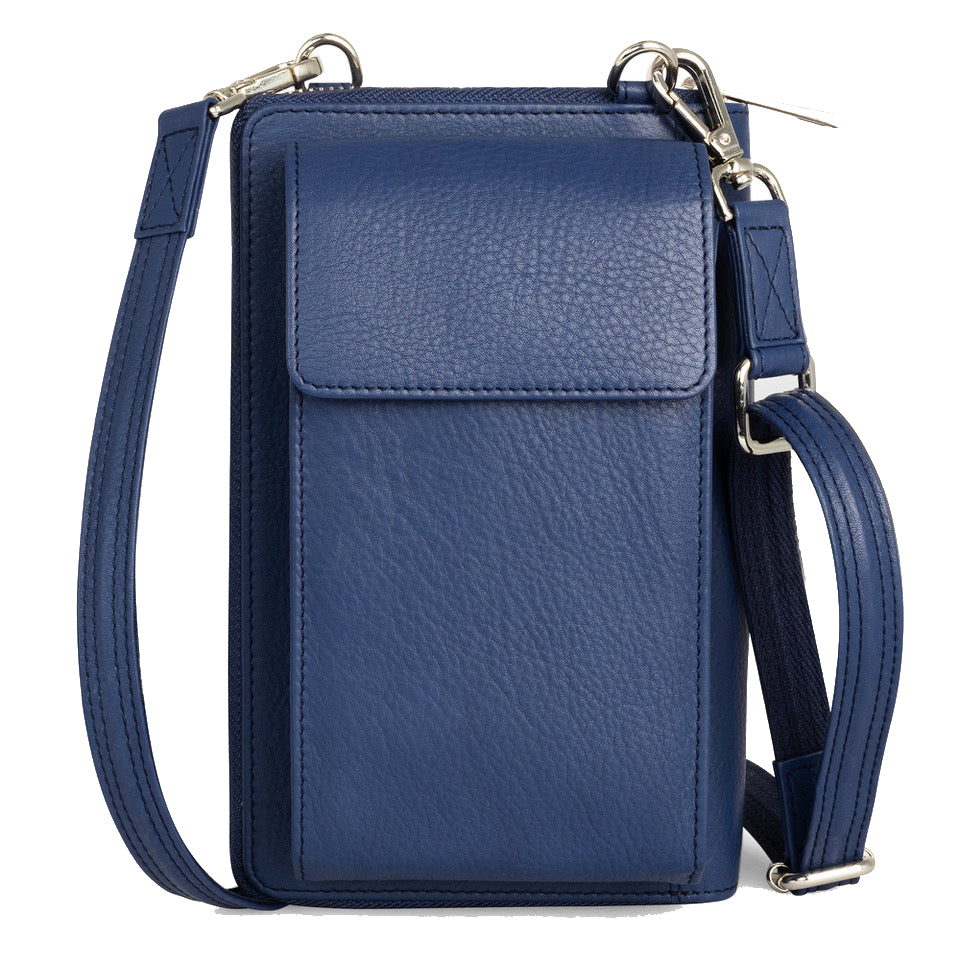
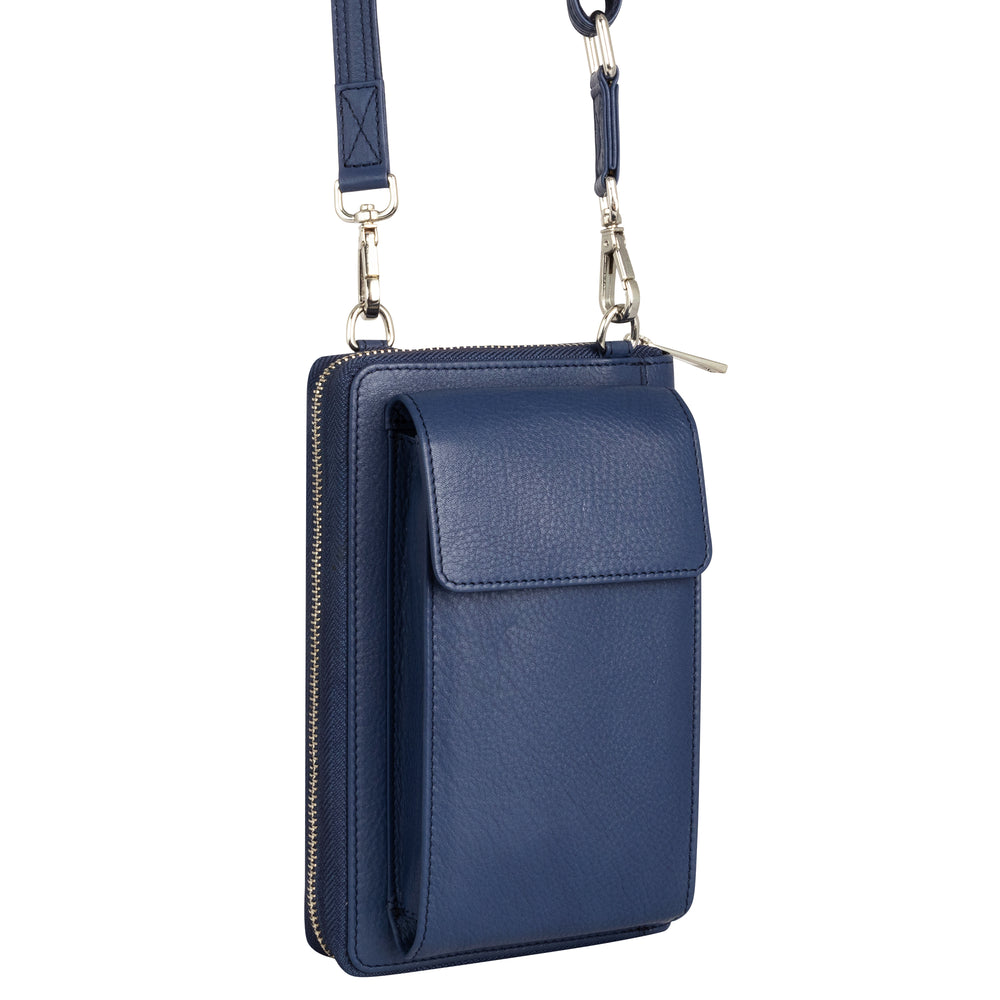
This comprehensive guide examines every major purse category, from compact minimalist designs to spacious crossbody styles, helping you match form to function while investing in pieces that enhance rather than complicate your daily routine. For those seeking a secure and stylish everyday option, consider the Regular Crossbody Wallet Phone Purse.
Crossbody Purses: Hands-Free Convenience

Crossbody purses excel at liberating your hands while keeping essentials secure and accessible. These designs feature fully adjustable straps (typically 40-52 inches) that accommodate heights from 5'2" to 6'2", with slash-proof construction providing urban security. Quality YKK zippers glide smoothly through thousands of open-close cycles, while RFID-blocking technology prevents electronic pickpocketing in crowded spaces.
Perfect For: Travel, errands, childcare, pet-walking, commuting, and any activity requiring mobility without sacrificing organization.
The Bull Guard Ladies' Crossbody offers both Regular and XtraRoom sizes, with the larger option accommodating phones up to 6.7 inches plus protective cases. Both sizes fit passports flat (crucial for international travel) and feature multiple organizational compartments that prevent the dreaded "purse diving" for keys or cards. The pebbled leather resists scratches while developing rich patina that deepens from caramel to cognac over months of daily use.
For more on how these purses combine wallet features with hands-free convenience, see our guide on crossbody purse with wallet features.
Sizing and Capacity Considerations
Regular crossbody purses (approximately 7" x 5" x 2") handle daily essentials: phone, wallet, keys, lipstick, and 4-6 cards in dedicated slots. XtraRoom versions expand to accommodate larger phones, portable chargers, or additional cosmetics without creating bulk that swings uncomfortably during movement. The adjustable strap positioning, worn across the body or over one shoulder, affects weight distribution and accessibility during different activities.
Shoulder Bags: Classic Versatility
Shoulder bags bridge casual and professional settings through structured silhouettes and dual handle options. Single handles (16-20 inches) rest comfortably in the crook of your arm, while longer straps (24-28 inches) enable shoulder carry without strain. The rectangular or trapezoid shape maintains organization through internal compartments and zip pockets, preventing contents from shifting during movement.
These types of purse accommodate laptops, tablets, or A5 notebooks alongside personal essentials, making them ideal for office environments or client meetings. Premium leather develops distinctive wear patterns at stress points, handle attachments and corner edges, creating unique character that reflects individual usage patterns. The structured base prevents sagging even when fully loaded, maintaining professional appearance throughout long workdays.
For a broader look at wallet and purse options, you might enjoy our article on types of wallets.
Professional and Business Applications
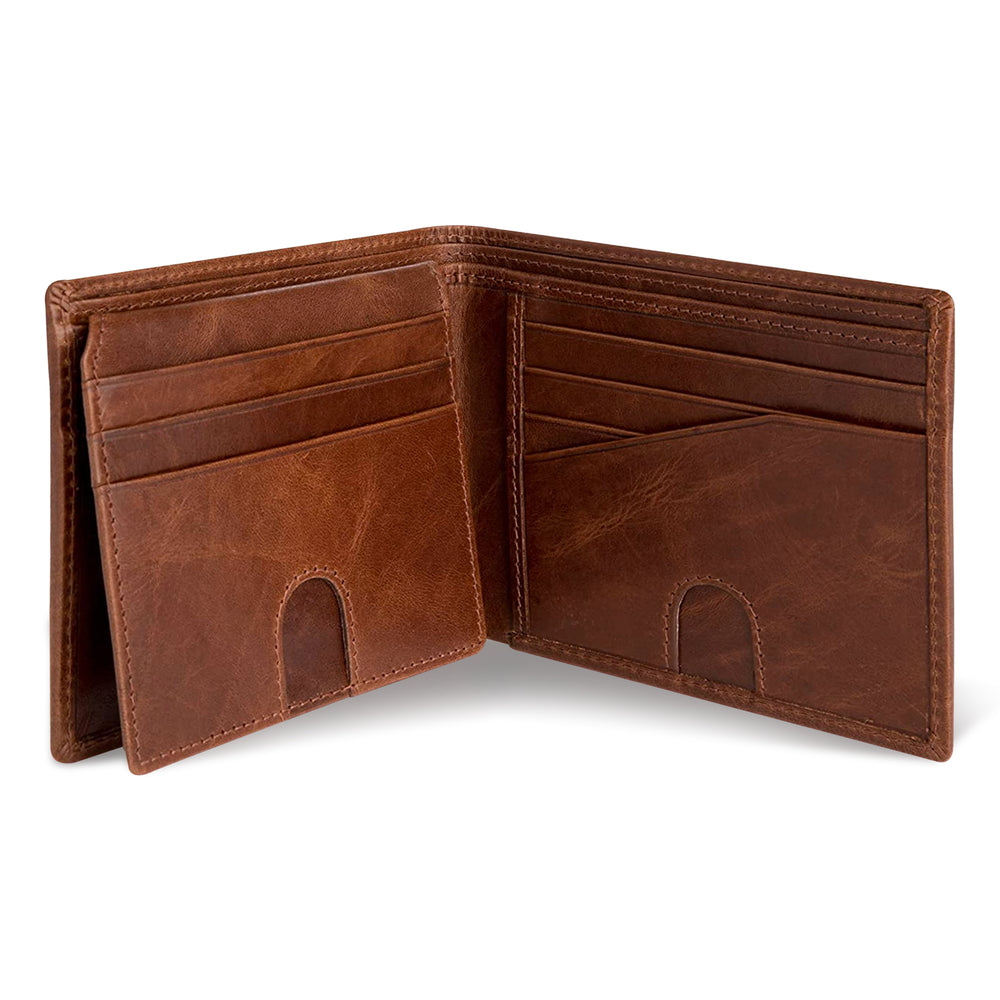
Business-focused shoulder bags incorporate features like padded laptop compartments, pen holders, and business card slots positioned for quick access during networking events. Interior organization typically includes 6-8 card slots, dual bill compartments, and a clear ID window with thumb cutout for effortless display. The leather choice impacts formality, smooth finishes suit corporate environments while pebbled textures work across casual-to-business settings.
Clutch and Evening Purses: Elegant Minimalism
Clutch purses prioritize sleek aesthetics over capacity, designed for occasions where minimalism enhances rather than limits functionality. These compact designs (typically 8" x 4" x 1.5") accommodate essentials: ID, 2-4 cards, cash, phone, and lipstick. Closure mechanisms, magnetic snaps, kiss-locks, or concealed zippers, must operate smoothly while maintaining the clean silhouette that defines elegant evening wear.
Quality construction becomes paramount in clutches since every detail remains visible. Hand-stitched seams, precisely aligned hardware, and flawless leather finishing separate investment pieces from disposable fashion. The interior lining, often lambskin or silk, protects cards from scratching while preventing contents from catching during retrieval in dimly lit restaurant or theater settings.
Styling and Occasion Matching
Metallic finishes complement formal evening wear, while rich leather tones (burgundy, navy, forest green) transition from cocktail events to dinner dates. Structured clutches maintain shape when set on tables, while soft envelope styles conform to evening bag requirements at venues with size restrictions. The absence of straps demands confident handling but creates uninterrupted lines that enhance formal silhouettes.
Tote Purses: Functional Daily Carry

Tote purses feature open-top rectangular designs with dual handles, optimized for frequent access and substantial capacity. Dimensions typically range from 12" x 10" to 16" x 12", accommodating everything from gym clothes to grocery items alongside daily essentials. The wide opening enables quick organization checks and prevents items from becoming buried in narrow compartments.
Quality satchel purses maintain their structured silhouette through reinforced bottom panels and internal framework, preventing the sagging that compromises professional appearance. The hinged or top-zip closure creates a secure seal while allowing single-handed access during meetings or commutes.
Hobo & Bucket Purses: Relaxed Style
Hobo purses embrace a deliberately slouchy aesthetic with their crescent moon shape and single oversized handle positioned at the center. This relaxed silhouette requires flexible leather that can drape naturally without losing structural integrity over months of daily use.
Bucket purses feature a cylindrical base with drawstring or magnetic closure at the top, creating secure storage while maintaining easy access. The circular bottom distributes weight evenly, making these styles comfortable for extended wear during casual outings or weekend activities.
Belt Bags & Wristlets: Ultra-Compact Options
Belt bags attach directly to waistbands or belt loops, keeping essentials secure during physical activities like hiking, cycling, or crowded events. Modern versions typically accommodate 4-6 cards plus a phone, with RFID-blocking compartments preventing electronic theft during travel.
Wristlets feature a detachable strap designed for wrist carry, perfect for evening events or situations requiring minimal bulk. These compact designs usually measure 4-6 inches wide and include dedicated slots for ID, credit cards, and small phones or keys.
Specialty Purses for Unique Needs
Crossbody cell phone wallets represent the intersection of communication and organization, designed specifically to fit popular smartphone dimensions while providing RFID-protected card storage. Both regular and XtraRoom sizes accommodate passports, making them ideal for international travel.
Coin purses serve collectors and international travelers who regularly handle physical currency, while AirTag-compatible designs integrate tracking technology without compromising slim profiles or security features.
Materials Matter: Leather Quality, Durability & Aging
Understanding Leather Beyond Labels
Think of leather quality like restaurant dining: the "cut" (full-grain, top-grain) matters, but the "chef" (tannery), ingredients, and preparation determine the final result. Two purses labeled "top-grain leather" can perform dramatically differently based on hide selection, tanning methods, and finishing processes.
Premium tanneries select hides for consistent thickness, natural grain patterns, and absence of defects that weaken structure over time. The tanning process, whether vegetable-tanned for rich patina development or chrome-tanned for water resistance, influences how leather ages and responds to daily handling.
Full-Grain vs. Top-Grain Performance
Full-grain leather retains the complete hide surface, including natural grain patterns and minor imperfections that demonstrate authenticity. This unaltered surface develops the most dramatic patina, darkening and softening over 6-24 months of regular use while maintaining structural integrity for decades.
Top-grain leather undergoes light surface buffing to remove deeper imperfections, creating a more uniform appearance while preserving durability. Both types, when sourced from quality tanneries, offer 5+ year lifespans with proper care, far exceeding synthetic alternatives.
Why Synthetic & Alternative Materials Fall Short
Vegan leather and polyester alternatives resist the natural aging process that builds emotional attachment to genuine leather purses. Instead of developing character through use, synthetic materials show wear through cracking, peeling, and color loss that cannot be restored through conditioning.
While synthetic options serve specific ethical preferences, they typically require replacement every 12-18 months under daily use conditions, ultimately generating more waste than a single quality leather purse lasting 5-10 years.
The Patina Journey: A Purse That Ages Beautifully
Genuine leather purses become more beautiful with use, developing unique color variations and softness that reflect individual handling patterns. A caramel-colored crossbody might deepen to rich cognac around frequently touched areas while maintaining lighter tones in protected zones.
This natural evolution creates irreplaceable character that mass-produced items cannot replicate, transforming a functional accessory into a personal artifact that tells the story of daily adventures and careful stewardship. For more on the history and evolution of handbags, see this comprehensive overview of handbags.
Choosing the Right Purse for Your Lifestyle: A Practical Framework
The Daily Driver Test: Capacity, Comfort & Security
Effective everyday carry requires honest assessment of actual needs: most people regularly transport 6-8 cards, phone, keys, ID, and 2-3 personal items like lip balm or earbuds. A quality crossbody purse accommodates these essentials while maintaining slim profile and comfortable 4+ hour wear.
RFID protection becomes non-negotiable for commuters and frequent travelers who encounter crowded spaces where electronic pickpocketing occurs. Adjustable straps ranging 40-50 inches ensure proper fit across different body types and seasonal clothing variations.
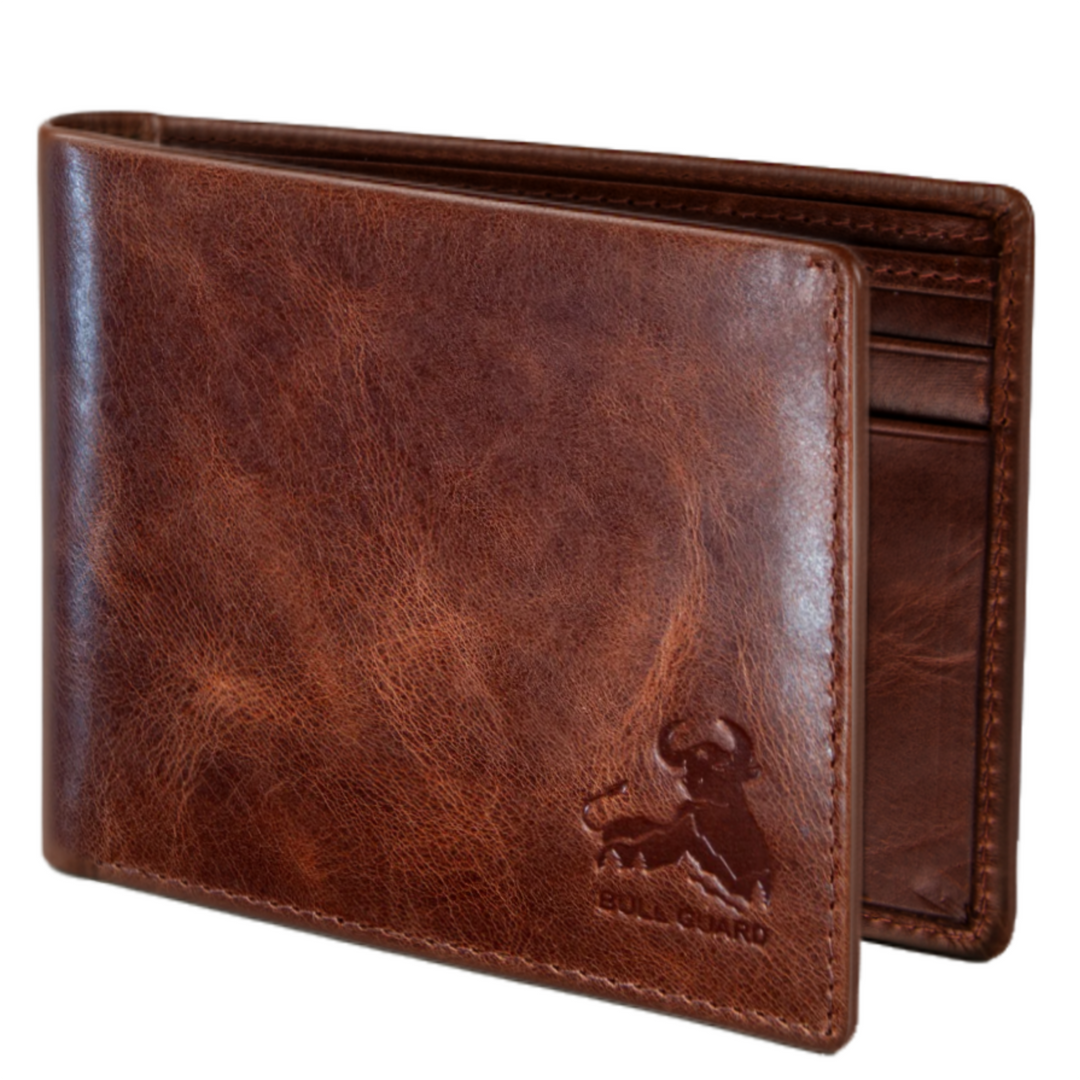
For those who prefer a classic wallet style, the Classic Leather Trifold offers timeless organization and security.
Occasion-Specific Selection: From Board Meetings to Weekend Hiking
Professional environments demand structured silhouettes with 2-3 organized compartments that accommodate business cards, phone, and small notebooks without creating bulk under tailored clothing. Neutral colors like charcoal, navy, or classic brown provide versatility across seasonal wardrobes.
Adventure travel requires slash-proof construction, water-resistant stitching, and secure zipper placement that prevents theft while allowing quick access to essentials. Crossbody styles keep hands free for navigation, maps, or photography, making them ideal for both city exploration and nature trails.
Purse Security Features: RFID Protection & Travel Safety

Understanding RFID Skimming & When You Need Protection
Contactless credit cards, passports, and some IDs emit radio-frequency signals readable from 3–10 feet away by digital scanners. While skimming risk varies by location, crowded airports, public transit, and dense urban areas present the highest vulnerability. The 63-year-old financial advisor from our community puts it simply: "RFID works, cards unread when closed."
Risk assessment matters more than fear-mongering. Suburban errands carry minimal exposure, while international travel through major transit hubs demands protection. The key insight: RFID blocking transforms from optional to essential based on your daily environment and travel frequency.
How RFID-Blocking Technology Works Without Adding Bulk
RFID protection operates on the Faraday cage principle, metal mesh or carbon fiber lining disrupts electromagnetic fields, preventing scanner-to-chip communication. This blocking occurs only when cards remain inside the purse, allowing normal contactless payments when removed.
Quality RFID integration adds just 2–3mm thickness, barely noticeable in daily carry. As one electronics developer confirmed after scanner testing: "Bull Guard blocks 100%. Dual bill pockets, thumb-push slots, well-constructed, exactly what I needed." The technology works invisibly until you need it most.
Verifying Legitimate RFID Protection
The definitive RFID test requires no special equipment: place a contactless card inside the purse, attempt to scan with any card reader, and confirm "no read" signal. This simple verification matters more than marketing claims or certifications.
Many customers perform this test before trusting their security. The Tesla sales executive who bought multiple wallets as gifts noted: "Green wallet draws compliments; Tesla card can't unlock through it, integrity trusted." Real protection proves itself through practical testing, not promises.
Additional Travel Security: Slash-Proof Materials & Strap Design
Beyond digital protection, physical security features address urban theft concerns. Reinforced strap construction, typically braided or multi-ply leather, resists cutting attempts. Strategic zipper placement on back or side compartments, rather than front-facing, complicates unauthorized access.
Hidden pockets for valuables add another security layer without compromising daily functionality. These features integrate seamlessly, adding negligible weight while dramatically reducing theft risk in crowded environments where pickpockets operate. For more practical tips, see our article on hands free crossbody wallet purse.
Common Purse Problems & Solutions: Troubleshooting Your Way to Longevity
Strap Breakage: Prevention & Emergency Repairs
Stitching failure, not leather tearing, causes 90% of strap breakage. Monthly inspection at stress points, handle attachment and corner seams, prevents sudden failures. The warning signs include loose threads, slight separation, or unusual flexibility at connection points.
Emergency repairs include leather glue application and temporary stitching, buying time for professional repair ($15–40, 1–2 weeks turnaround). Prevention through rotation and avoiding overloading extends strap life by years. Weight distribution matters: a properly loaded crossbody distributes stress evenly across the strap length.
Zipper Failure: Stuck, Jammed & Skipping Teeth
Most zipper problems stem from debris accumulation or lack of lubrication. The unsticking process: apply graphite pencil to teeth, wiggle gently without forcing, and work the slider gradually. Never yank, zipper mechanisms break under sudden pressure.
YKK zipper replacement costs $10–25 when professionally installed, but proper maintenance prevents most failures. Monthly lubrication with graphite and gentle handling preserve smooth operation for years. Quality zippers like those in Bull Guard products rarely fail when properly maintained.
Interior Lining Tears: Causes & Repair Options
Rough card edges, sharp keys, and overstuffing create interior tears. Protective measures include card sleeves, dedicated key compartments, and respecting capacity limits. Most tears occur at stress points where items repeatedly rub against lining.
Professional patch repairs cost $20–50, while DIY fabric glue solutions run $5–10. Prevention through organizational inserts and proper loading techniques eliminates most tearing. Quality linings resist normal wear but cannot withstand sharp objects or excessive pressure.
Shape Loss & Sagging: Restoration & Prevention
Natural slouchy styles evolve beautifully, but unwanted sagging stems from poor storage and overloading. Restoration involves stuffing with acid-free paper, 48-hour rest periods, and conditioning to restore leather flexibility.
Prevention centers on weight limits and proper storage. Structured purses maintain shape when stored upright with light stuffing. Rotation between multiple pieces allows leather to recover from daily stress, preventing permanent deformation. For a deeper dive into the many types of purses, check out this comprehensive guide to handbag types.
Purse Investment: Cost-Per-Wear & Long-Term Value
The Cost-Per-Wear Calculation: Why Mid-Range Often Wins
The cost-per-wear formula reveals true value: purse cost ÷ expected wear days over lifespan = daily cost. A $50 leather purse used daily for three years costs $0.045 per day, while a $150 fast-fashion piece lasting one year costs $0.41 per day. Investing in quality leather pays off not only in longevity, but in the confidence and ease that comes from carrying a companion built to endure your real life.
Frequently Asked Questions
What are the key differences between crossbody purses and shoulder bags in terms of functionality and style?
Crossbody purses offer hands-free convenience with fully adjustable, often slash-proof straps that distribute weight evenly, making them ideal for active, on-the-go lifestyles. Shoulder bags typically have shorter straps and a classic silhouette, providing versatile style but less mobility and security compared to crossbodies.
How does RFID-blocking technology in purses enhance security for everyday use and travel?
RFID-blocking technology prevents unauthorized electronic scanning of your credit cards and IDs, protecting your personal information from digital theft. This feature is especially valuable in crowded or travel settings, giving you peace of mind without compromising style or convenience.
What should I consider when choosing the right purse size and material for my lifestyle?
Consider how much you carry daily, compact purses suit essentials and mobility, while larger sizes accommodate phones, passports, and extras. Material choice matters too; quality leather with expert tanning offers durability and develops a unique patina, ensuring your purse ages beautifully alongside your adventures.
How do quality leather types and craftsmanship impact the durability and aging of a purse?
The durability and aging of a purse depend more on the hide selection, tanning process, and craftsmanship than on leather grade labels alone. Expertly crafted full-grain or top-grain leather purses soften and develop character over time, becoming trusted companions that reflect your lifestyle and stand up to daily use.