

Key Takeaways
- Coach cards are simple tools designed to unlock human potential through meaningful prompts.
- They facilitate profound conversations and breakthrough insights in various settings.
- These cards have transformed coaching by providing focused and actionable moments of clarity.
- Coach cards are effective for teams, leaders, and individuals seeking growth.
Table of Contents
- The Essence of Coaching Cards: What Are Coach Cards and How Do They Work?
- Types of Coaching Cards, Understanding the Landscape
- Coach Cards vs. Traditional Coaching: How the Approach Differs
- Core Purposes, Why Coach Cards Are Used in Sales, Leadership, and Team Growth
- The GROW Model and Other Frameworks, Using Coach Cards for Structured Progress
- How to Use Coaching Cards: Step-by-Step Techniques for Individuals & Teams
- Creating Group Flow and Troubleshooting Card Sessions
- Crafting or Choosing the Right Coach Card Deck: Key Selection Criteria
- Digital vs. Physical Coach Cards, Which Format Fits Your Adventure?
- Real-World Success Stories: Coach Cards in Action
Coach Cards, What They Are, Why They Matter, and How to Unlock Their Power
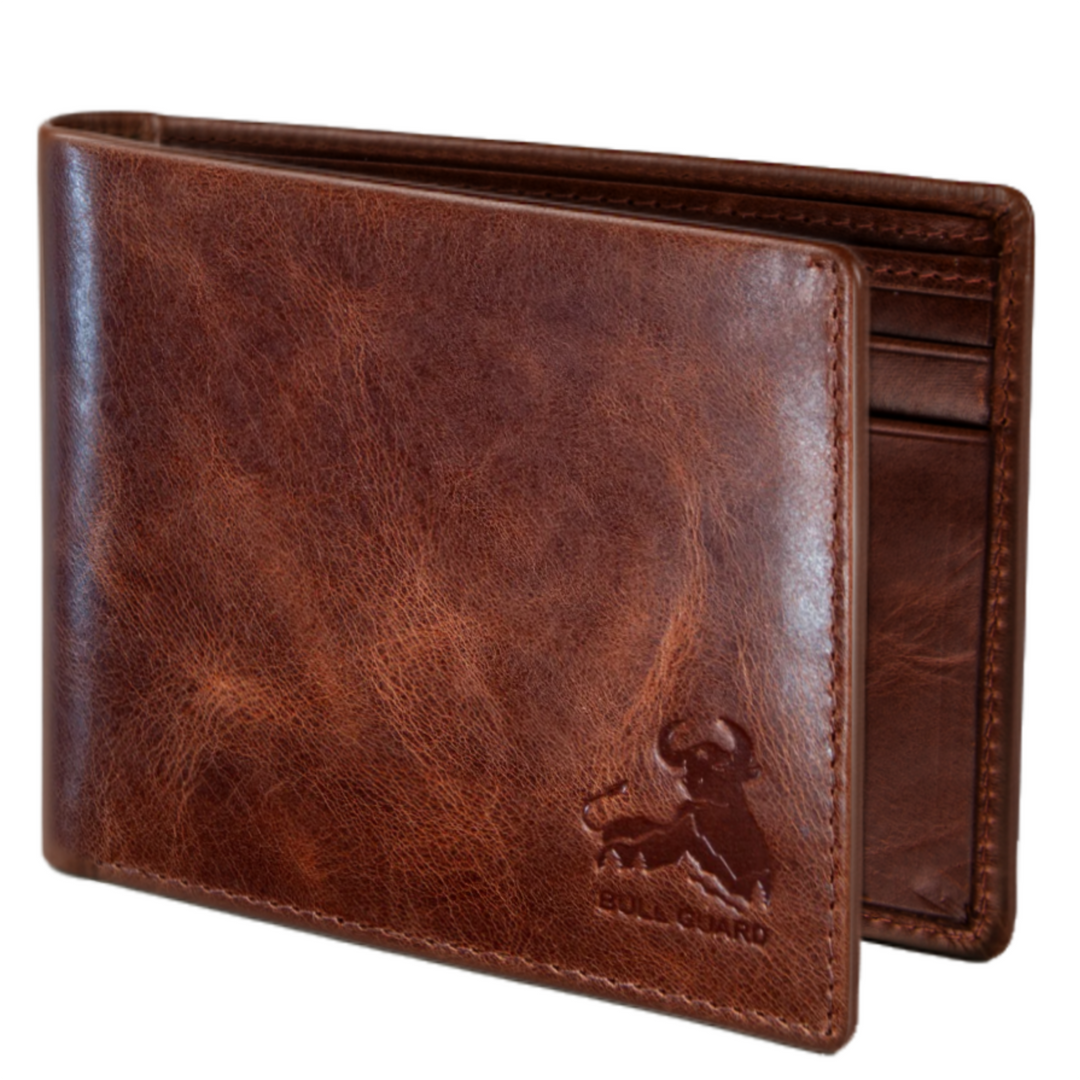
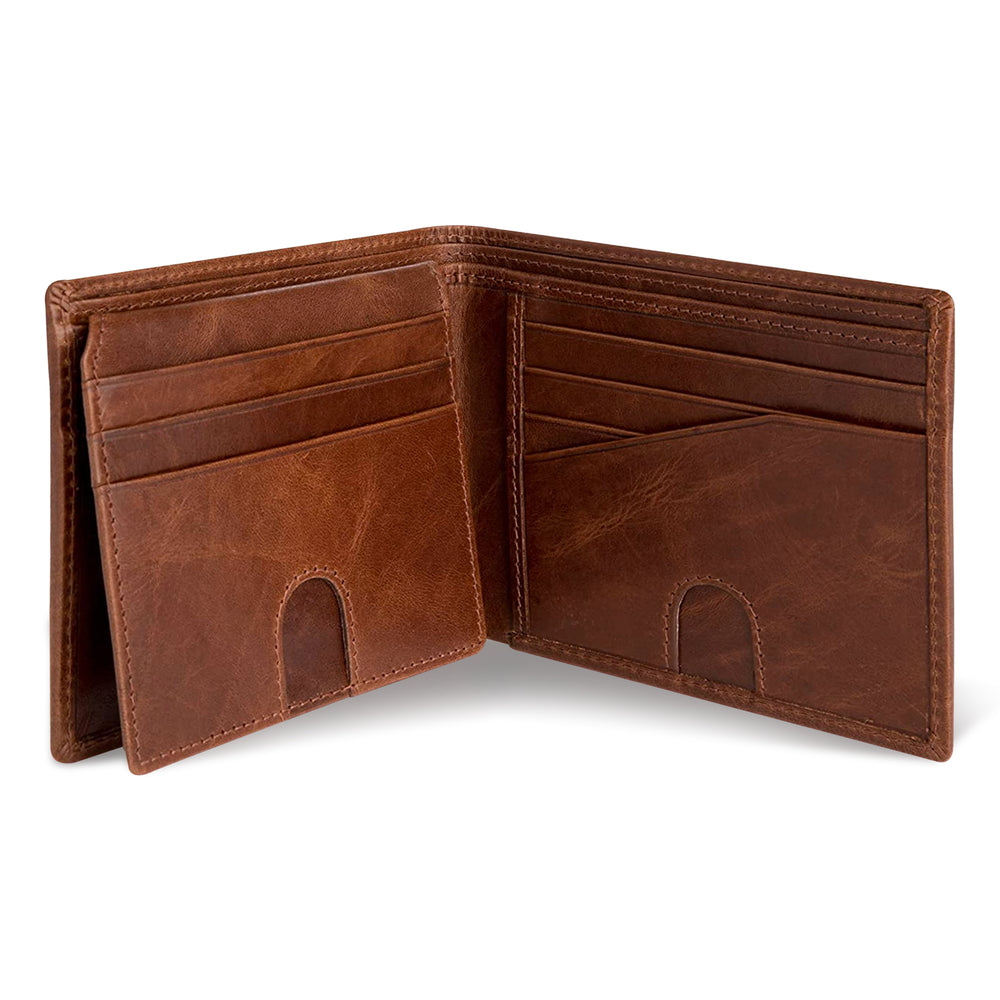
In boardrooms and mountain trails alike, I've witnessed the transformative power of simple tools that unlock human potential. Coach cards represent one of those rare discoveries, deceptively simple prompts that catalyze profound conversations and breakthrough insights. These card-based coaching tools have revolutionized how teams, leaders, and individuals approach growth, replacing lengthy coaching sessions with focused, actionable moments of clarity. If you appreciate the value of compact, purposeful tools, you might also enjoy the Airtag Leather Card Holder Wallet for Men for keeping essentials organized on any journey.
Unlike traditional coaching methods that rely heavily on expert facilitators, coach cards democratize the coaching process. They present carefully crafted questions, scenarios, or visual prompts designed to stimulate self-reflection, unlock hidden insights, and spark meaningful dialogue. Whether you're leading a remote team through change or seeking personal clarity on your next adventure, these tools adapt to your journey. For those who value slim, efficient solutions, consider the Slim Card Case as a practical companion for everyday carry.
The Essence of Coaching Cards: What Are Coach Cards and How Do They Work?
What is a coaching card? A coaching card is a prompt-based tool, physical or digital, that presents questions, scenarios, or visual cues to facilitate self-reflection, team discussions, and goal-setting without requiring a professional coach.
As someone who sketches every Bull Guard creation with intention and purpose, I recognize the same thoughtful design in effective coach cards. These tools typically come in decks of 30-100 cards, each containing carefully crafted content designed to unlock specific types of thinking. A single session can span 3-60 minutes depending on context and group size.
The magic lies in their simplicity. Rather than overwhelming participants with complex frameworks, coach cards present one focused prompt at a time. Common formats include open-ended questions ("What would success look like in six months?"), scenario-based challenges, values alignment statements, or visual imagery that sparks creative thinking. This focused approach mirrors how quality leather develops character over time, through consistent, intentional engagement. For more insights on how to choose quality accessories, visit our resources blog.
Their resurgence in modern workplaces reflects a growing appreciation for self-driven learning and non-intrusive coaching methods. Teams value tools that respect individual pace while fostering collective growth, much like how a trusted wallet becomes more valuable through daily use rather than forced interaction.
Types of Coaching Cards, Understanding the Landscape

The coaching card ecosystem spans multiple formats and applications, each designed for specific contexts and outcomes. Physical decks offer tactile engagement perfect for in-person workshops, while digital platforms like specialized coaching apps provide instant access and analytics for remote teams. The choice between picture-based cards (which spark creative, non-verbal responses) and text-based prompts (offering direct, structured questions) depends on your group's communication style and objectives.
| Type | Medium | Typical Use | Card Count | Example Prompt | Best For |
|---|---|---|---|---|---|
| GROW Model Cards | Physical/Digital | Structured coaching | 40-60 | "What obstacles might prevent your goal?" | Individual development |
| Values-Based Cards | Physical | Team alignment | 50-80 | "Integrity means..." (completion prompt) | Culture building |
| Visual/Picture Cards | Physical | Creative thinking | 30-50 | [Mountain landscape image] | Breaking communication barriers |
| Sales Coaching Cards | Digital | Performance improvement | 60-100 | "How would you handle this objection?" | Sales teams |
| Leadership Reflection Cards | Physical/Digital | Executive development | 40-70 | "What leadership strength served you this week?" | Management teams |
During a challenging team trek through rough terrain, I discovered how picture-based cards could unlock trust when traditional conversation methods failed. The visual prompts bypassed defensive communication patterns, allowing team members to share perspectives they'd never voiced in formal meetings. Organizations with 50+ employees and remote/hybrid teams report the highest adoption rates, particularly for maintaining connection across distributed workforces.
Coach Cards vs. Traditional Coaching: How the Approach Differs
Traditional coaching relies on expert-led conversations, extensive training, and significant time investments. Coach cards flip this model, enabling peer-driven activation and democratizing the coaching process. While a professional coach might spend 60-90 minutes exploring a single challenge, coach cards can unlock breakthrough insights in 15-minute focused sessions. For those who appreciate streamlined solutions, the Bifold Slim with or without Airtag offers a modern take on classic organization.
| Aspect | Coaching Cards | Traditional Coaching |
|---|---|---|
| Mode of Delivery | Self-directed or peer-facilitated | Expert-led conversations |
| Cost | $20-200 one-time investment | $100-500+ per session |
| Structure | Self-paced, prompt-driven | Expert-guided conversation |
| Participation | Peer-to-peer, democratic | Coach-to-client hierarchy |
| Accessibility | Available anytime, anywhere | Scheduled sessions required |
| Scalability | Unlimited team members | Individual or small groups |
| Session Duration | 5-30 minutes | 60-90 minutes |
Coach cards excel at unlocking quieter voices and fostering psychological safety. When a team resisted formal coaching due to perceived judgment, flipping a single card transformed the dynamic, suddenly everyone was exploring the same neutral prompt rather than defending personal positions. This approach enables consistency for busy leaders who lack time for extensive coaching training but want to facilitate meaningful team development.
The card format works best for group workshops, asynchronous growth opportunities, and self-led reflection. Traditional coaching remains superior for deep personal transformation, complex behavioral change, and situations requiring professional therapeutic intervention. Smart organizations use both approaches strategically, with cards maintaining momentum between formal coaching sessions.
Core Purposes, Why Coach Cards Are Used in Sales, Leadership, and Team Growth
Sales teams leverage coach cards to spark prospecting conversations, rehearse objection handling, and establish micro-goals that drive consistent performance. Effective sales coaching cards pose questions like "What would a best-case outcome look like for this call?" or "How might this prospect's biggest challenge connect to our solution?" These prompts shift focus from generic scripts to personalized, insight-driven conversations that build genuine rapport.
Leadership applications center on inspiring reflection, clarifying vision, and nurturing individual strengths within teams. Leaders use cards during one-on-ones to explore questions such as "What energizes you most about your current projects?" or "Where do you see opportunities for innovation in our process?" This approach transforms routine check-ins into development conversations that strengthen both performance and engagement. For more on top-rated options for professionals, see our guide to the best wallets for men.
Team development benefits emerge through trust-building exercises, values surfacing, and creative dialogue facilitation. Successful techniques include daily standup "card-pull rituals" where each member draws a focus question, "reflection rotations" for distributed teams using digital platforms, and "closing circles" after project milestones using completion-focused prompts.
During our trial of GROW-model coach cards, 15-minute weekly sessions transformed how our team set priorities. Instead of lengthy planning meetings that often stalled in analysis paralysis, each card session produced 2-3 concrete actions that team members could implement immediately. The structured yet flexible format kept discussions productive while honoring individual working styles.
The GROW Model and Other Frameworks, Using Coach Cards for Structured Progress

The GROW model (Goal-Reality-Options-Will) dominates coaching card design because it provides clear progression through any challenge or opportunity. Each letter represents a distinct phase: establishing specific goals, assessing current reality, exploring available options, and committing to concrete actions. Coach cards operationalize this framework by offering targeted questions for each phase, eliminating the guesswork that often stalls coaching conversations.
GROW Model Card Examples
- Goal: "What does success look like in concrete, measurable terms?"
- Reality: "What resources do you currently have available?"
- Options: "If budget weren't a constraint, what would you try?"
- Will: "What's the smallest step you could take this week?"
Alternative frameworks serve specific contexts: OSKAR (Outcome-Scaling-Know-how-Affirm-Review) works well for solution-focused teams, while the 5 Whys method suits problem-solving scenarios. Solutions-Focused cards emphasize strengths and past successes rather than deficit analysis, making them ideal for teams experiencing low morale or confidence challenges.
Effective framework usage requires timeboxing 10-20 minutes per GROW cycle and resisting the urge to jump between models within a single session. Start with one framework for a full week, log insights and outcomes, then iterate based on what generates the most actionable results for your specific team dynamics and challenges.
How to Use Coaching Cards: Step-by-Step Techniques for Individuals & Teams
Individual usage begins with intention setting, identify whether you're seeking clarity, motivation, or problem-solving before drawing cards. Select 1-3 cards randomly or by theme, spend 5-10 minutes reflecting on each prompt, and journal your responses for future reference. Weekly review sessions help track patterns and breakthrough moments that might otherwise be forgotten.
Team applications work best with structured facilitation: begin with card-pull rounds where each member draws and shares responses, use breakout discussions for deeper exploration, and leverage digital platforms for distributed teams. Set clear timers (15/30/60 minutes) to maintain energy and encourage focused sharing rather than lengthy storytelling that can derail group momentum.
Quick-Start Checklist
- Choose theme or random draw
- Set intention for session
- Reflect or share responses
- Journal or record insights
- Review progress weekly
Creating Group Flow and Troubleshooting Card Sessions
When participants "freeze" or resist engaging with coach cards, offer immediate alternatives: skip to another card, trade with a neighbor, or provide picture-based prompts for visual thinkers. The key is maintaining forward momentum rather than forcing uncomfortable moments that can derail entire sessions.
Quick-Start Session Checklist
- Pre-select theme or allow random draws based on group comfort
- Set clear timers (15/30/60 minutes) and stick to them
- Encourage share-outs but make participation voluntary
- Record key insights for follow-up sessions
- End with one concrete action each person will take
Digital platforms like coaching apps enable seamless card sharing for remote teams, while physical decks work better for in-person workshops where tactile engagement enhances focus. Mixed formats, displaying digital cards on screens while participants use physical note-taking, often produce the strongest engagement across different learning styles. If you prefer a wallet that adapts to both digital and physical needs, the Card Holder with or without Airtag offers versatile storage for cards and tracking.
Track insights over time by photographing filled flip charts, saving digital session notes, or maintaining simple spreadsheets that capture breakthrough moments. This documentation becomes invaluable for identifying patterns, celebrating progress, and customizing future sessions based on what generates the most actionable outcomes for your specific team. For tips on protecting your cards and personal information, read our article on how a wallet protects credit cards.
Crafting or Choosing the Right Coach Card Deck: Key Selection Criteria

Target audience determines everything, sales teams need different prompts than leadership development groups or personal growth seekers. Question-based cards work well for analytical teams, while scenario-based formats suit creative groups who respond better to storytelling approaches. Consider whether your audience prefers direct challenges or gentler exploration when evaluating card tone and complexity.
Physical versus digital format depends on your primary use case: digital cards integrate seamlessly with remote coaching platforms and provide instant updates, while physical decks excel in workshops and face-to-face facilitation where tactile engagement enhances focus. Many successful implementations use both formats strategically.
| Selection Factor | Questions to Ask | Impact on Effectiveness |
|---|---|---|
| Target Audience | Sales, leadership, or personal development focus? | High - wrong audience fit kills engagement |
| Question Format | Direct questions vs. scenarios vs. visual prompts? | Medium - affects thinking style alignment |
| Deck Size | 30 cards for focused use or 100+ for variety? | Medium - impacts session planning flexibility |
| Visual Design | Text-only, illustrations, or photography? | Low - personal preference unless accessibility needed |
Test before committing by downloading sample PDFs or trying print-and-play versions with 5-10 cards. Much like choosing a trusted leather wallet that will accompany you through countless adventures, the feel, intention, and craftsmanship behind coach cards determine their lasting value in your development toolkit. For a wallet that grows with you, explore the Extended Slim Wallet for added flexibility and style.
Digital vs. Physical Coach Cards, Which Format Fits Your Adventure?
Digital coach cards integrate with existing coaching platforms, provide instant analytics on usage patterns, and enable real-time updates when new prompts become available. They excel in remote team environments where screen sharing and collaborative digital workspaces are already established, eliminating the logistics of shipping physical materials to distributed team members.
Physical cards create tangible, present-moment focus that many find lacking in digital experiences. The act of shuffling, drawing, and physically handling cards can enhance the ritual aspect of coaching sessions, while eliminating screen fatigue that often accompanies extended virtual meetings. Physical formats work exceptionally well for in-person workshops and retreats where analog focus supports deeper reflection. To see a curated collection of top choices, browse our Card Cases for every style and need.
Like choosing between city efficiency and mountain authenticity, each format brings out different strengths in the coaching process. Digital cards offer scalability and data insights, while physical cards provide grounding and sensory engagement. The most effective implementations often combine both approaches, using digital cards for regular team check-ins and physical decks for intensive development sessions or special workshops. For more on the evolution of card-based tools, you can learn about their origins in the credit card industry.
Real-World Success Stories: Coach Cards in Action
A struggling sales team increased weekly prospecting calls by 40% after integrating goal-setting coach cards into their Monday morning huddles. Instead of generic motivation talks, each rep drew cards focused on weekly targets and accountability partnerships. The structured prompts helped them identify specific obstacles and create concrete action plans rather than leaving meetings with vague commitments to "do better."
During a leadership offsite, picture-based coaching cards revealed hidden strengths and realigned team vision when traditional strategic planning had stalled. Visual prompts bypassed analytical overthinking and tapped into intuitive insights about company direction. The session produced three major initiative pivots that increased quarterly performance metrics by 23% within six weeks.
A remote design team relied on digital coach cards during Zoom retrospectives, unlocking more honest feedback than previous approaches. The neutral card prompts created psychological safety for sharing criticism and ideas, while the digital format enabled anonymous input when needed. Team satisfaction scores improved significantly, and project completion times decreased as communication barriers dissolved. For additional inspiration, check out our best selling gifts for teams and professionals.
How Fast Can You See Results?
Most teams report insight shifts within 2-3 sessions, with behavioral changes becoming evident in 2-4 weeks of consistent use.
For more information on how bank cards and credit cards have shaped modern tools and security, visit this FDIC resource on bank cards.
Frequently Asked Questions
What are coach cards and how do they facilitate personal and team growth?
Coach cards are simple, prompt-based tools designed to unlock human potential through meaningful questions and scenarios. They facilitate personal and team growth by encouraging self-reflection, sparking insightful conversations, and guiding focused goal-setting without the need for a professional coach.
How do coach cards differ from traditional coaching methods?
Unlike traditional coaching that often relies on expert facilitators and lengthy sessions, coach cards democratize the process by providing accessible, actionable prompts. This approach enables individuals and teams to engage in breakthrough insights and meaningful dialogue anytime, fostering growth in a more flexible and self-directed way.
In what settings and scenarios are coach cards most effective?
Coach cards shine in diverse settings, from boardrooms and leadership meetings to remote teams and personal development journeys. They are especially effective for fostering team alignment, enhancing leadership skills, and supporting individuals seeking clarity and progress on their goals.
What factors should I consider when choosing between digital and physical coach card decks?
When selecting between digital and physical coach cards, consider your preferred interaction style, portability, and context of use. Physical decks offer tactile engagement and can be ideal for in-person sessions or travel, while digital decks provide convenience and accessibility for remote or on-the-go coaching moments.