

Key Takeaways
- Saddle leather is a full-grain, vegetable-tanned leather designed for durability under constant stress.
- It originates from equestrian traditions and is considered the gold standard for long-lasting gear.
- Saddle leather is used in items ranging from horse tack to premium wallets and crossbody purses.
- Unlike thinner leathers, saddle leather resists cracking and failure over time.
- Saddle leather develops a rich patina that reflects the history of its use.
Table of Contents
- What Is Saddle Leather and Why It Matters for Your Everyday Essentials
- The Tanning Process: Why Vegetable-Tanned Saddle Leather Outlasts Everything Else
- Full-Grain vs. Top-Grain Saddle Leather: Feel the Difference in Your Hands
- The Natural Grain and Patina: Why Your Wallet Becomes More Beautiful Over Time
- Saddle Leather's Water and Weather Resistance: Built for the Trail and the City Street
- RFID Protection in Saddle Leather: Security That Doesn't Compromise Material Integrity
- Comparing Saddle Leather to Bridle and Harness Leather: Understanding the Differences
- How to Select Saddle Leather Based on Your Lifestyle and Use Case
- Caring for Your Saddle Leather Wallet or Crossbody: A Simple Maintenance Routine
- Recognizing and Addressing Common Saddle Leather Issues
- The True Cost of Saddle Leather: Why It's an Investment, Not an Expense
- Future Considerations: Saddle Leather in Modern Carry
What Is Saddle Leather and Why It Matters for Your Everyday Essentials
Saddle leather is full-grain, vegetable-tanned leather engineered for durability under constant stress. Born from the equestrian tradition, it's earned its place as the gold standard for gear that endures, from horse tack to the premium wallets and crossbody purses that anchor your daily life. Unlike thinner leathers that crack and fail, saddle leather ages with character, developing a rich patina that tells the story of the miles you've carried it.
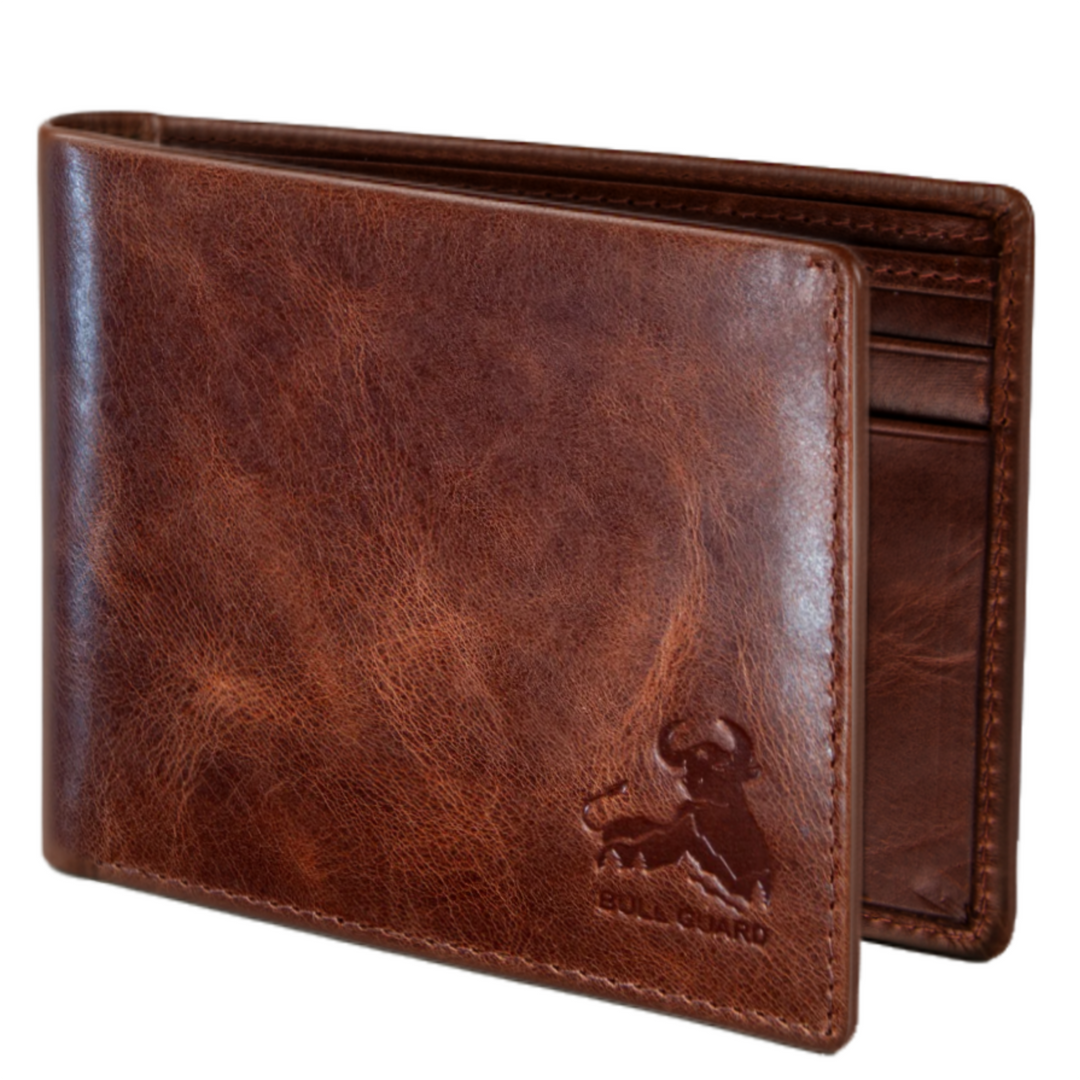
What makes saddle leather distinctly different is its structure: thick hide (typically 11–15 oz for saddlery applications), open grain, and natural finish that celebrates rather than masks the hide's unique markings. This transparency is both aesthetic and functional, you're seeing the leather's true character, not a painted-over façade. When you carry a Bull Guard wallet crafted from full-grain saddle leather, you're holding material that's been trusted for centuries to bear weight, weather exposure, and daily friction without compromising security or beauty.
For more on how to choose a durable leather wallet for everyday use, see our in-depth guide.
The Tanning Process: Why Vegetable-Tanned Saddle Leather Outlasts Everything Else

The tanning method determines whether leather will break down after two years or two decades. Saddle leather is traditionally vegetable-tanned, a slower, more labor-intensive process than industrial chrome tanning, and that difference is precisely why it matters.
In vegetable tanning, hides are soaked in tannin-rich plant extracts (bark, leaves, wood) over weeks or months. This natural binding transforms raw hide into supple yet durable leather while leaving the hide's fiber structure intact. The result: leather that breathes, ages predictably, and actually improves with use. For Bull Guard wallets and crossbody purses, vegetable-tanned saddle leather means your accessory won't crack in a dry climate, won't become brittle after five years in your pocket, and won't develop that artificial sheen that screams "I'm already aging poorly." Instead, it softens, darkens, and conforms to your body and routine, becoming more you with every day you carry it.
Full-Grain vs. Top-Grain Saddle Leather: Feel the Difference in Your Hands
Here's where many wallets and accessories companies oversimplify leather quality into a ranking system that doesn't tell the real story. Think of it like restaurants: the "cut" of meat matters, but the quality of ingredients, the chef's skill, and the preparation method determine the actual meal.
Full-grain saddle leather retains the entire outer surface of the hide, including its natural grain, scars, and variations. This transparency means you see exactly what you're buying, and what you get is leather that's been vetted for character and durability, not masked by heavy finishing. Full-grain leather is thicker, denser, and more breathable. It develops patina dramatically, darkening and softening over months of use.
Top-grain saddle leather has the outermost layer lightly sanded or buffed to remove minor surface imperfections, then often sealed with a finish. It's smoother, more uniform, and slightly less prone to visible wear during break-in. However, that protective layer can eventually wear through, and the leather beneath may not age as gracefully. For Bull Guard, we prioritize full-grain and carefully selected top-grain hides because we trust the tannery's expertise and hide selection, not because a label alone guarantees quality.
The Natural Grain and Patina: Why Your Wallet Becomes More Beautiful Over Time
One of the most underrated qualities of saddle leather is its ability to develop a deep, authentic patina, a visual record of your adventures. This isn't damage; it's character.
When you first receive a Bull Guard wallet in saddle leather, the surface may feel slightly stiff. This is the leather's protective finish, designed to shield it during storage and transport. Within two to four weeks of regular carry, this breaks in. Creases soften, the leather molds to your pocket or bag, and the color deepens, especially if exposed to natural light and your body's natural oils.
Unlike synthetic materials or heavily finished leathers that fade and crack, full-grain saddle leather darkens and richens. A natural tan becomes a warm caramel; a forest green deepens to an almost charcoal tone; a rust-red transforms into a burnished burgundy. This evolution isn't fading, it's maturation. The visible grain and natural scars aren't flaws, they're proof points that this hide came from a living animal, properly tanned, and selected by craftspeople who understand leather.
Saddle Leather's Water and Weather Resistance: Built for the Trail and the City Street

Full-grain vegetable-tanned saddle leather has natural oils and a tight fiber structure that repels water far better than many assume. This doesn't mean it's waterproof, no leather truly is, but it is water-resistant in practical, everyday ways.
When saddle leather meets moisture, it doesn't immediately absorb it. The tight grain sheds light rain, and the natural oils create a hydrophobic barrier. If water does penetrate, the leather's dense structure means it dries slowly and evenly, without warping or staining as readily as thinner leathers. For a Bull Guard wallet carried on urban commutes or outdoor adventures, this resilience matters. If your wallet gets caught in a sudden downpour or sits in a damp gym bag, saddle tan leather won't panic. It will absorb some moisture, age slightly from the experience, and continue functioning without cracking or deteriorating.
RFID Protection in Saddle Leather: Security That Doesn't Compromise Material Integrity
One concern when adding modern security features to premium materials like saddle leather is whether the RFID-blocking layer will compromise the leather's natural aging and suppleness. It doesn't.
Bull Guard integrates RFID-blocking technology as a non-intrusive liner, typically using military-grade shielding materials or carbon-fiber layers that sit between the leather exterior and your cards. This lining blocks electromagnetic signals, preventing unauthorized scanning of credit cards, ID cards, and other RFID-enabled documents, without interfering with how the leather itself breathes, patinas, or feels in your pocket.
The RFID-blocking layer is passive, meaning it requires no power and doesn't emit signals. It's simply a physical barrier that disrupts the communication between an RFID chip and a scanner. Because it's integrated into the wallet's structure rather than applied as a surface treatment, it doesn't create a plastic feel, doesn't separate from the leather, and doesn't prevent the wallet from developing its natural patina. For professionals in sensitive fields, financial advisors, healthcare providers, cybersecurity analysts, this combination is exactly what you need: authentic, aging-beautifully leather paired with verified, tested RFID protection.
Comparing Saddle Leather to Bridle and Harness Leather: Understanding the Differences
While saddle leather, bridle leather, and harness leather all emerge from the vegetable-tanning tradition, each is engineered for different stresses and applications, and understanding these distinctions helps you choose the right material for your accessory.
| Characteristic | Saddle Leather | Bridle Leather | Harness Leather |
|---|---|---|---|
| Primary Use | Horse saddles, weight-bearing seating, thick wallets | Bridles, reins, lightweight tack | Harnesses, straps, luggage |
| Thickness | 11–15 oz; thick and dense | 8–10 oz; slightly thinner, more flexible | 9–12 oz; varies by application |
| Break-In Period | 2–4 weeks for full softening | 1–2 weeks; gentler break-in curve | 1–2 weeks; designed for faster adaptation |
| Patina Development | Rich, dramatic darkening over months | Moderate patina; more restrained aging | Moderate patina; visible but less dramatic |
| Water Resistance | High; tight grain naturally sheds water | Moderate to high; similar properties | Moderate; depends on finishing |
| Ideal Bull Guard Products | Premium bifold wallets, trifold wallets, crossbody purses | Slim minimalist card cases, professional bifolds | Versatile everyday wallets |
Why Saddle Leather Edges Bridle and Harness Leather for Everyday Carry: Saddle leather's thickness and density make it ideal for wallets that will live in your front or back pocket daily. It retains its structural integrity longer than thinner bridle leather, meaning your Bull Guard bifold won't eventually collapse or bow from repeated folding and pressure. The dramatic patina development appeals to customers who view their wallet as a companion, not just a commodity, it ages rather than merely wears out.
How to Select Saddle Leather Based on Your Lifestyle and Use Case

Choosing the right saddle leather wallet or crossbody means considering how your accessory will live with you, what stresses it will face, where it will travel, and how much of its aging journey you want to witness and celebrate.
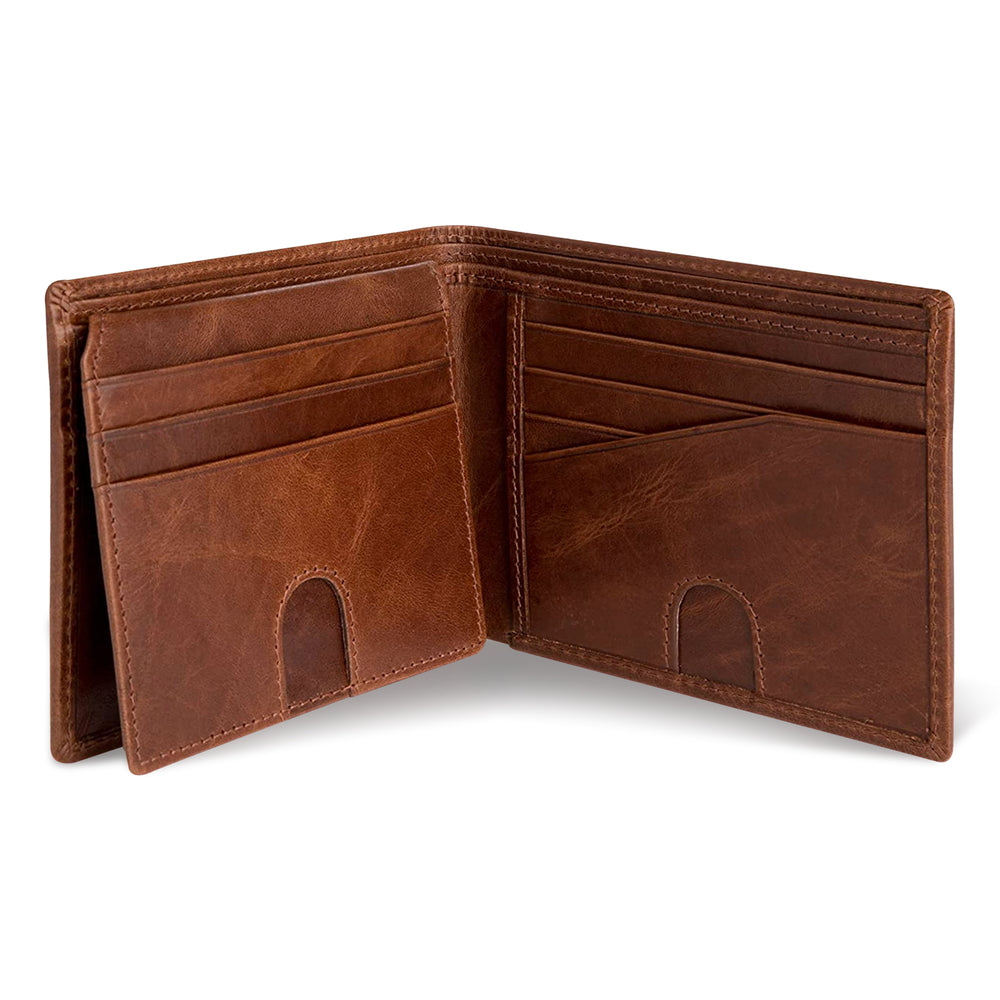
For Daily Front-Pocket Carry: Choose a Bull Guard slim bifold or slim minimalist card case in saddle leather. The thickness provides structural support against the constant folding pressure of a front pocket. Expect a 3–4 week break-in where the leather softens around the card slots; this is normal and desirable. The leather should develop visible creases and slightly darkened wear patterns where your thumb naturally pulls cards out, these become part of the wallet's identity.
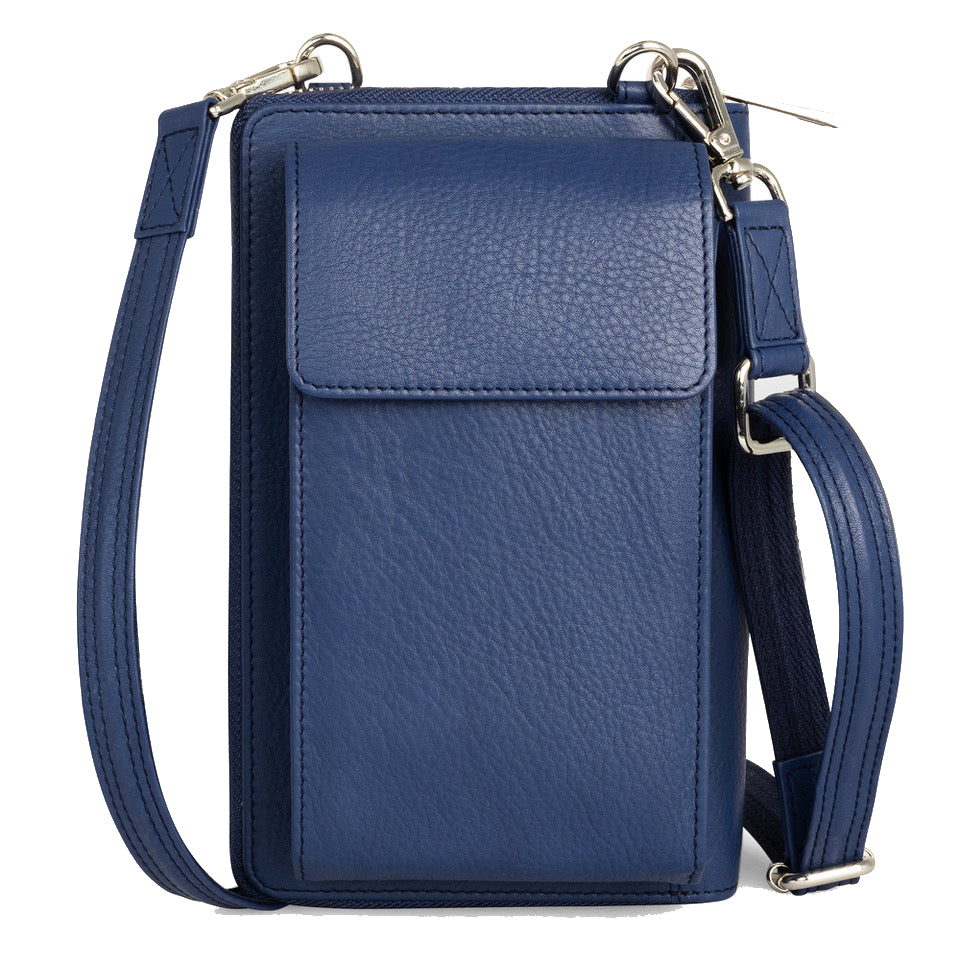
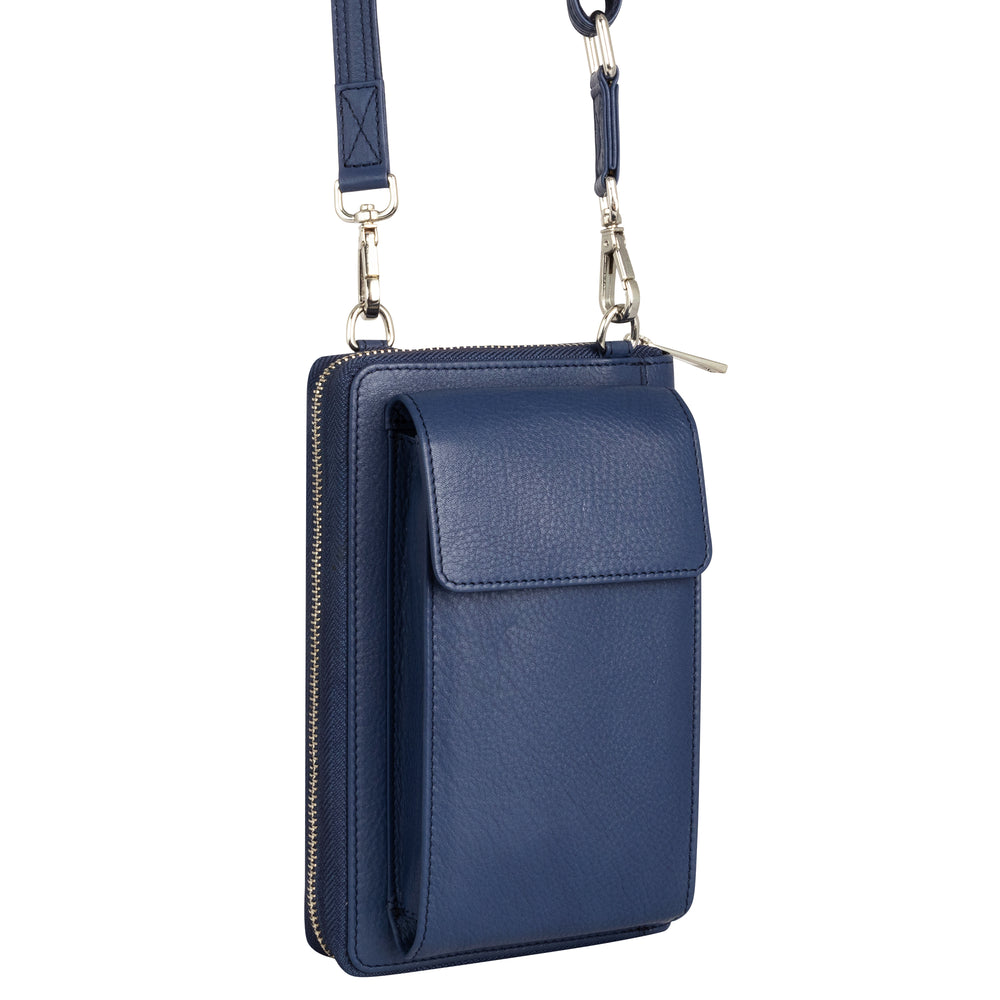
For Crossbody or Bag Carry: Select a Bull Guard Ladies' Crossbody in saddle tan leather, particularly the XtraRoom version if you carry a phone with a protective case. Saddle leather's thickness ensures the purse won't sag or deform under daily load, and the natural water resistance protects your essentials during weather changes. The slash-proof, adjustable strap pairs perfectly with saddle leather's longevity; you're investing in a piece that will outlast typical fashion cycles.
For Travel and Professional Environments: Choose a full-grain saddle leather wallet or crossbody with removable inserts where available. Saddle leather's water resistance and dense structure withstand the rigors of travel, tossed bags, weather exposure, and general exploration chaos. The refined appearance of carefully selected top-grain or full-grain saddle leather reads as intentional and sophisticated, while the RFID protection and reliable construction communicate competence and attention to detail.
For more inspiration, see our article on stylish leather wallet for men.
Caring for Your Saddle Leather Wallet or Crossbody: A Simple Maintenance Routine
Saddle leather is engineered for durability, but it rewards attention with decades of service. A straightforward care routine takes under five minutes per session and transforms how long your Bull Guard accessory remains beautiful and functional.
Immediate Care (After Purchase): When your new saddle leather wallet or crossbody arrives, resist the urge to condition it immediately. The leather ships with a protective finish designed to preserve the material during storage and transport. Carry it for the first 2–4 weeks, allowing the leather to naturally soften and mold to your routine. During this period, you may notice a slight stiffness around card slots, this is the break-in phase and is entirely normal and desirable.
Monthly Cleaning Routine: Once monthly, perform a light cleaning using a soft, dry cloth to wipe the exterior, removing dust and loose debris. For deeper cleaning, slightly dampen the cloth with lukewarm water and gently wipe the leather's surface, following the grain. Never soak leather or apply water directly to it. Allow it to air-dry naturally, never near direct heat, radiators, or sunlight, as rapid drying can cause cracking.
Quarterly Conditioning Protocol
Every three months, apply a quality leather conditioner specifically formulated for vegetable-tanned saddle leather. Apply a pea-sized amount to a soft cloth and work it into the leather using circular motions. Allow the conditioner to absorb for 10–15 minutes, then buff away excess with a clean, dry cloth. Over-conditioning can leave the leather feeling greasy; the goal is subtle nourishment, not coating.
Storage and Long-Term Protection: Store your Bull Guard saddle leather wallet or crossbody in a cool, dry place away from direct sunlight and heat sources. If you store the piece for extended periods, keep it in a breathable cloth bag, not in plastic, which can trap moisture. Maintain relative humidity around 40–60% in your storage space for optimal leather preservation.
Recognizing and Addressing Common Saddle Leather Issues
Even premium saddle leather requires informed responses to occasional challenges. Below are the most common issues and practical solutions that preserve your Bull Guard accessory's integrity.
Stiffness After Storage: If your wallet or crossbody feels overly stiff, the leather's natural oils have been depleted during manufacturing or storage. Rather than immediately conditioning, carry it actively for 2–4 weeks, allowing your body's natural oils and the leather's internal moisture to redistribute. This accelerates the break-in phase naturally.
Water Exposure: If your saddle leather wallet becomes wet, remove it immediately and place it on a clean, dry cloth in a well-ventilated area. Allow it to air-dry naturally for 24–48 hours; this slow drying prevents warping and cracking. Once dry, the leather may feel slightly stiff but will resolve with use. Many owners find that water exposure actually accelerates the patina-darkening process, adding character to the piece.
Surface Marks and Scuffs: Light scuffs and small stains are part of saddle tan leather's authentic aging. They fade or become part of the patina over time. For stubborn stains, allow the leather to dry completely, then gently rub the area with a soft, dry cloth using circular motions. Avoid aggressive scrubbing, which can damage the grain.
Mildew Prevention: This occurs only in excessively humid environments. If detected, clean with a slightly damp cloth (using distilled water or a 1:1 water-and-white-vinegar solution), allow to air-dry completely, and condition lightly once dry. Store in a cooler, drier location with good airflow to prevent recurrence.
For more on classic wallet styles, read about the classic trifold leather wallet style.
The True Cost of Saddle Leather: Why It's an Investment, Not an Expense

When comparing Bull Guard saddle leather wallets and crossbodies to mass-produced alternatives, the price difference becomes insignificant after 18–36 months of daily use, the timeframe when most conventional wallets fail but your Bull Guard piece is only getting better.
A genuinely well-made saddle leather wallet costs more because of hide selection (premium tanneries reject 20–30% of hides that don't meet durability standards), tanning time (vegetable tanning takes weeks versus days for industrial chrome tanning), and precision craftsmanship that includes hand-stitching and attention to grain orientation.
Bull Guard wallets and crossbodies are engineered for repair and customization. A damaged strap, worn zipper, or faded section can be addressed without replacing the entire piece, extending the accessory's lifespan indefinitely. When customers carry the same wallet for 5, 10, or even 20 years, the cost-per-use becomes remarkable. A $30–$50 wallet used daily for five years costs roughly $0.02–$0.03 per day.
The modularity extends beyond repairs. Bull Guard's removable ID inserts, AirTag compatibility, and thoughtful compartment design mean your wallet adapts to changing needs rather than becoming obsolete. This flexibility represents genuine value that mass-produced accessories simply cannot match.
To learn more about the science and history of leather, see this external resource.
Future Considerations: Saddle Leather in Modern Carry
As technology continues integrating into everyday carry, saddle leather proves remarkably adaptable. The material's natural electromagnetic properties complement RFID-blocking technology without interference, and its durability supports emerging features like integrated tracking devices and wireless charging compatibility.
The sustainability aspect of saddle leather becomes increasingly relevant as consumers prioritize environmental responsibility. For a deeper dive into leather's environmental impact, see this scientific article.
Frequently Asked Questions
Is saddle leather real leather?
Yes, saddle leather is real leather made from full-grain hides that are vegetable-tanned for durability and strength. It showcases the natural grain and unique markings of the hide, reflecting its authentic character.
Is saddle leather expensive?
Saddle leather is considered an investment rather than an expense due to its premium quality, durability, and long-lasting performance. Its traditional tanning process and thick, sturdy structure contribute to its higher cost compared to thinner or less durable leathers.
Can saddle leather get wet?
While saddle leather is naturally water-resistant to some degree, it is not fully waterproof. It can handle occasional exposure to moisture and weather, but proper care and conditioning help maintain its strength and prevent damage over time.