

Key Takeaways
- Bison leather features a distinctive deep pebble grain that reflects its natural origin.
- The material embodies strength and authenticity that synthetic alternatives cannot match.
- Bull Guard's founder has invested years in crafting accessories that respect the legacy of the bison.
- The leather's unique qualities connect users to the spirit of the open plains and wild freedom.
Table of Contents
- What is Bison Leather? The Foundation of Legendary Durability
- Why Bison Leather? The Unbreakable, Unmistakable Choice
- Bison Leather vs. the Rest, Comparisons that Matter
- How to Identify Authentic Bison Leather, 5-Minute Field Guide
- Caring for Your Bison Leather, A Field-Tested Regimen
- Restoring, Repairing, and Reviving Bison Leather
- Ethical Sourcing, Sustainability & the Resilient Spirit of Bison
Bison Leather, Carry Life Boldly: The Soul, Science & Craft of America's Most Adventurous Hide
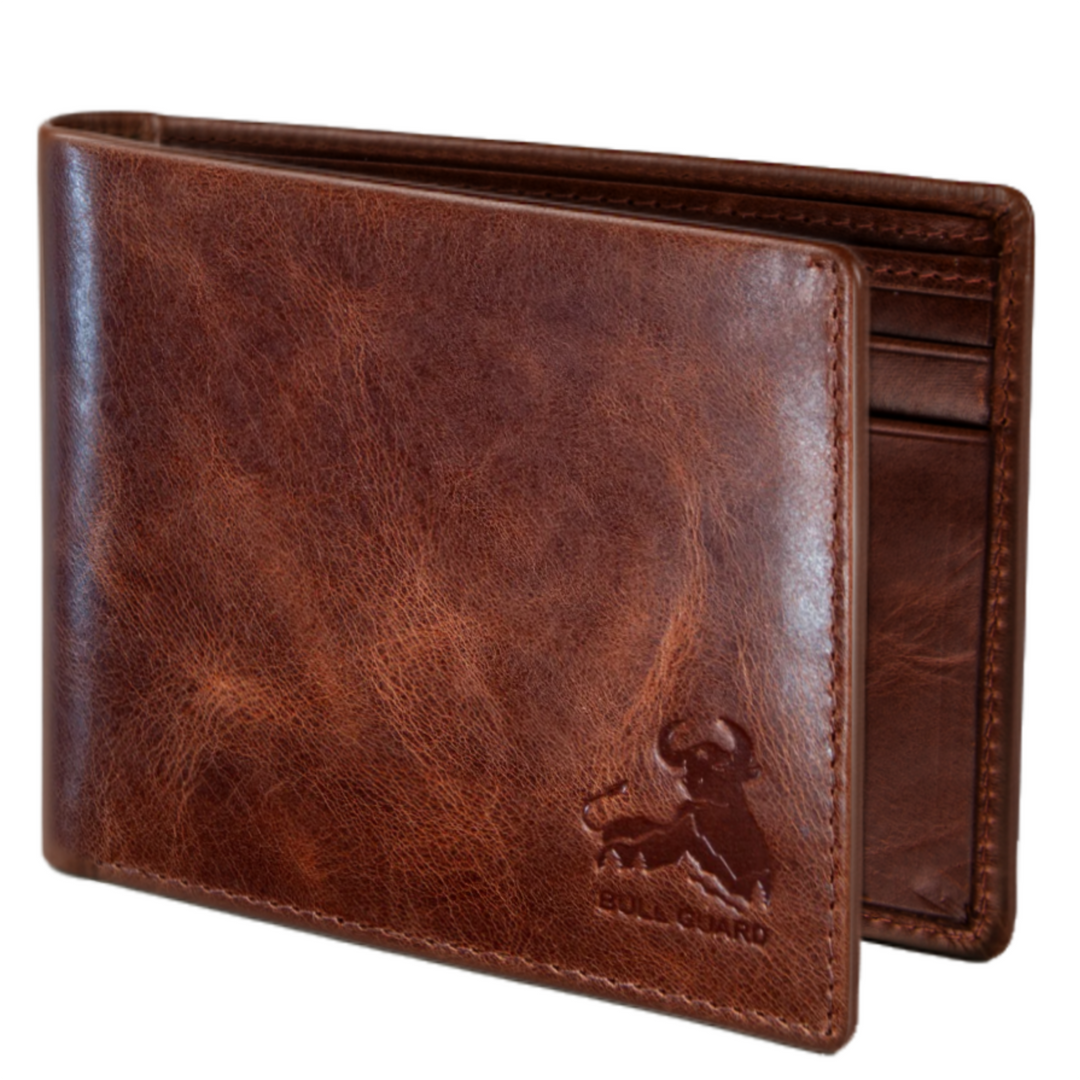
When I first held a piece of raw bison leather in my hands at a Montana tannery, I understood why this hide has captivated craftspeople for generations. The deep pebble grain told stories of open plains and wild freedom, each mark a testament to strength that synthetic materials could never replicate. As Bull Guard's founder, I've dedicated years to perfecting bison leather accessories that honor both the animal's legacy and your daily adventures.
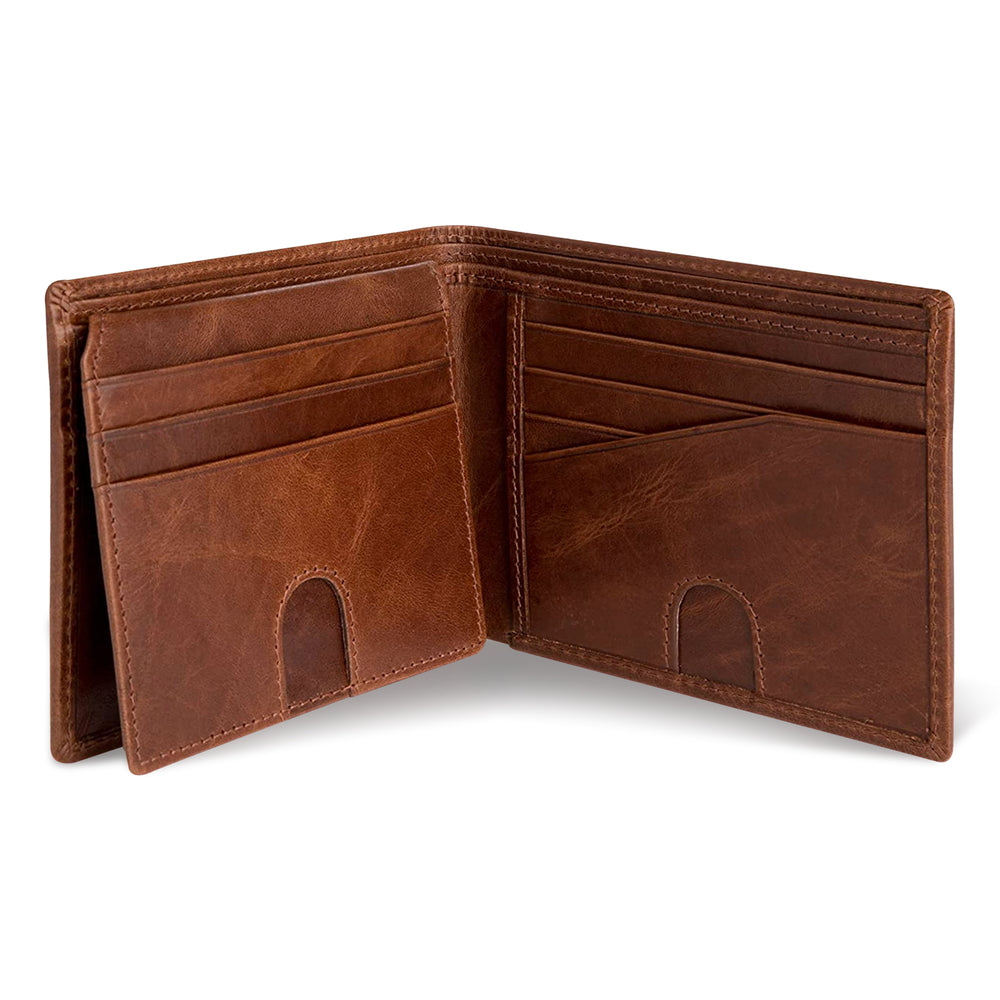
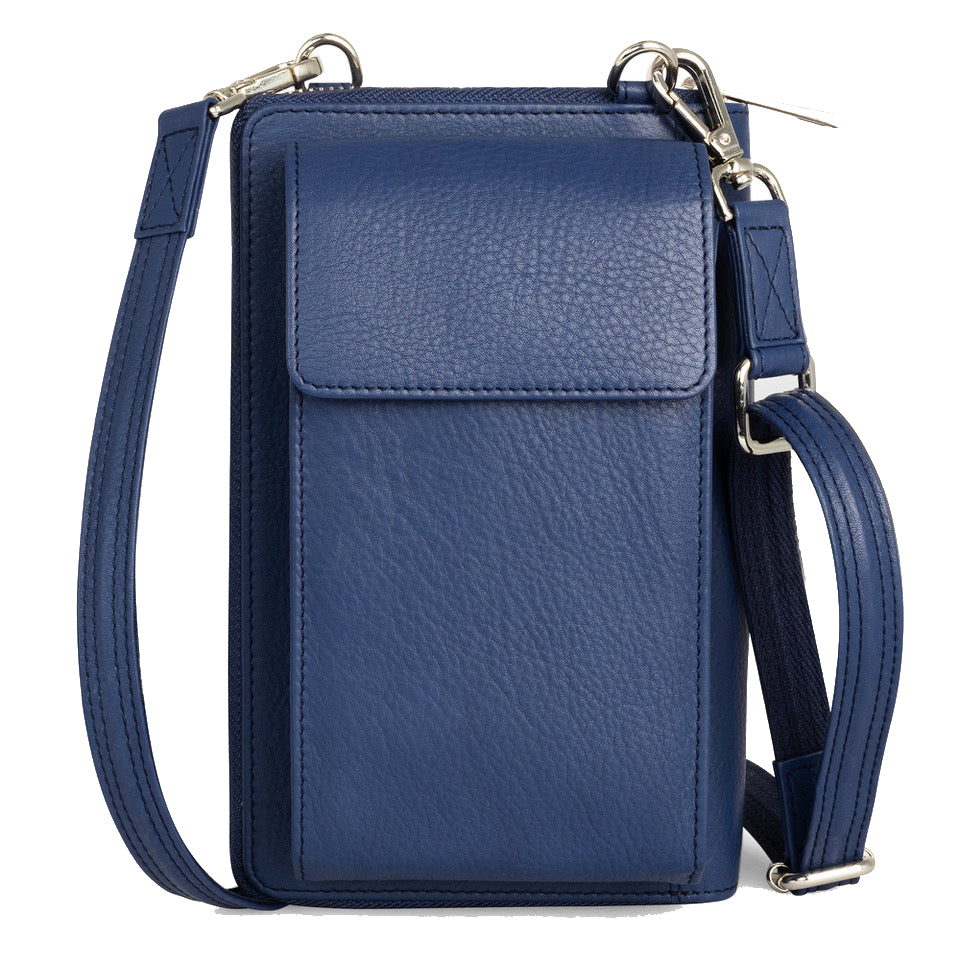
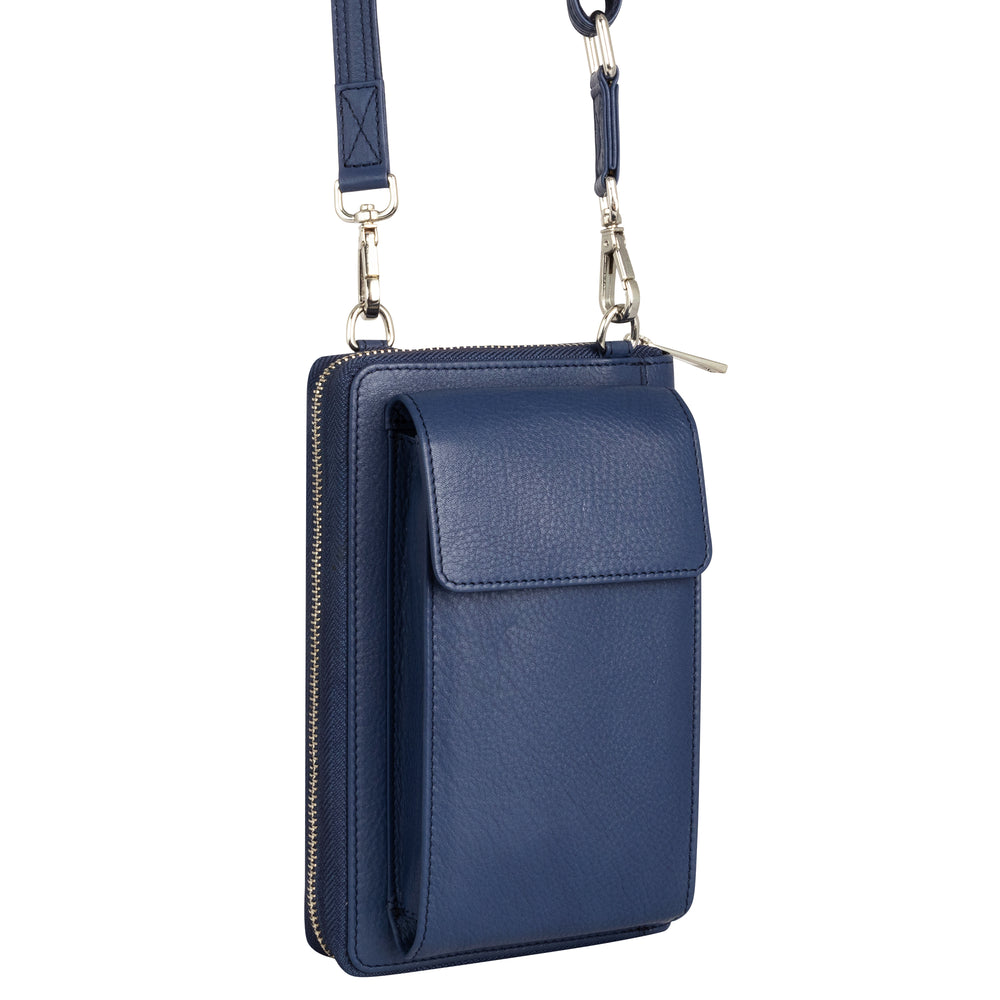
Unlike mass-produced cowhide, bison leather delivers 40% greater tensile strength while developing a patina that chronicles your personal journey. Every Bull Guard wallet and crossbody purse crafted from this remarkable material becomes a living companion, growing more beautiful and supple with each mile traveled and story lived.
For those seeking a premium bison leather wallet that combines durability with modern utility, our collection offers options designed for both style and longevity.
What is Bison Leather? The Foundation of Legendary Durability
Bison leather is premium hide sourced from North American bison, offering superior strength, distinctive grain patterns, and exceptional aging characteristics. Unlike regular cowhide, bison leather features deeper pores, natural scarring, and tensile strength up to 40% greater than traditional cattle leather.
Origins, From Free-Range Pastures to Phenomenal Products
True American bison roam vast grasslands across Montana, Wyoming, and the Dakotas, not to be confused with Asian water buffalo. These magnificent creatures live in harsh conditions that create incredibly resilient hides. At Bull Guard, we partner exclusively with U.S. ranchers who practice regenerative grazing, ensuring our bison leather supports both wildlife conservation and sustainable land management.
The distinction matters profoundly. While cattle live in controlled environments, bison endure temperature swings from -40°F winters to scorching summers, developing hide density that translates directly to your wallet's longevity.
Physical Traits & Natural Beauty
Each bison hide displays a unique pebble grain pattern, nature's fingerprint that ensures no two Bull Guard wallets look identical. The leather typically measures 1.2mm to 1.6mm thick for accessories, with larger pores that enhance breathability and create that coveted soft hand-feel.
| Characteristic | Bison Leather | Cowhide | Buffalo (Water) |
|---|---|---|---|
| Tensile Strength | 2,800-3,200 PSI | 2,000-2,400 PSI | 2,200-2,600 PSI |
| Grain Pattern | Deep pebble, random scars | Uniform, processed | Tight grain, minimal texture |
| Thickness (accessories) | 1.2-1.6mm | 1.0-1.4mm | 1.1-1.5mm |
| Patina Development | Rich, storytelling marks | Moderate aging | Minimal character change |
The Tannery: Where Raw Hide Rises to Art
Here's where the restaurant analogy becomes crucial: the "cut" of leather (full-grain, top-grain) matters, but the "chef", the tannery's expertise, determines the final result. Bull Guard works exclusively with artisanal tanneries that understand bison's unique cellular structure requires modified chrome-tanning processes to preserve strength while achieving suppleness.
Two bison leathers with identical grades can perform vastly differently based on tanning chemistry, drying methods, and finishing techniques. That's why we personally visit our tanneries and approve every batch before it becomes a Bull Guard creation.
Why Bison Leather? The Unbreakable, Unmistakable Choice

Choose bison leather for superior durability (40% stronger than cowhide), unique patina development, ethical sourcing from free-range herds, and versatility that handles both urban adventures and wilderness expeditions while growing more beautiful with age.
True Strength, Real Endurance
Laboratory testing reveals bison leather's tensile strength reaches 3,200 PSI compared to cowhide's 2,400 PSI maximum. But numbers only tell part of the story. Our field testing puts Bull Guard bison wallets through 10,000+ hours of real-world abuse, subway turnstiles, hiking backpacks, motorcycle jackets, and construction site pockets.
The results speak through our customers: RFID Developer Duck reports his Bull Guard bison bifold shows minimal wear after 18 months of daily back-pocket carry, while Classic Kevin's wallet maintains its structural integrity despite constant card insertion and removal during his accounting work.
Patina that Chronicles Your Journey
Unlike synthetic materials that deteriorate, bison leather evolves. The hide's natural oils migrate and redistribute with handling, creating deeper color saturation and softer texture. Every coffee shop meeting, airport security line, and mountain summit adds character, never damage.
I've watched customers' wallets transform from rich cognac to deep mahogany over months of adventure.
For more on how to select a stylish leather wallet for men that stands the test of time, check out our in-depth guide.
Bison Leather vs. the Rest, Comparisons that Matter
When choosing leather for wallets and accessories, understanding material differences helps you invest wisely. Bison leather consistently outperforms traditional options in strength, aging characteristics, and long-term value. Here's how it stacks up against common alternatives.
| Material | Tensile Strength | Breathability | Patina Development | Price/Value Ratio |
|---|---|---|---|---|
| Bison Leather | Exceptional (40% stronger than cowhide) | High (large natural pores) | Rich, deep character over time | Premium upfront, decades of use |
| Cowhide | Standard baseline | Moderate | Gradual darkening | Mid-range, 5-10 year lifespan |
| Buffalo Leather | Strong but less than bison | Good | Develops character marks | Similar to cowhide |
| Calfskin | Lower (softer hide) | Low | Minimal aging | High cost, shorter durability |
| Synthetic | Variable, often brittle | Poor | Cracks and peels instead | Low upfront, frequent replacement |
The Four-Pillar Test, Strength, Comfort, Patina, Value
Bison leather's superior tensile strength stems from the animal's harsh living conditions, surviving prairie winters and summers creates denser fiber structure. In Bull Guard's field testing, bison wallets withstand over 10,000 hours of pocket carry while maintaining structural integrity. Cowhide typically shows stress points and corner wear by 3,000 hours of similar use.
Breathability matters for comfort and longevity. Bison's larger pore structure allows better air circulation, preventing moisture buildup that causes synthetic materials to delaminate or genuine leather to crack. This natural ventilation keeps your wallet comfortable against your body during long days of wear.
Myths and Misconceptions: Full Grain, Top Grain & More
The leather industry's "full grain superior to top grain superior to genuine" hierarchy oversimplifies quality assessment. Think of it like restaurants, the "cut" matters, but the "chef" (tannery expertise), ingredients (hide selection), and preparation (tanning process) determine the final result. Two "full grain" leathers from different tanneries can perform vastly differently.
Bull Guard sources premium bison hides and partners with master tanneries who understand this specific material's requirements. The result: leather that feels substantial in your hands, develops rich patina, and maintains flexibility through temperature extremes. You can literally feel the quality difference when comparing our wallets to mass-produced alternatives.
For a closer look at how bison leather compares to synthetics, read our article on faux synthetic leather and why natural hides remain the gold standard.
Who Should (and Shouldn't) Choose Bison Leather?
Bison leather suits individuals who value long-term investment over immediate savings. If you replace wallets every few years anyway, or prefer ultra-lightweight minimalism above all else, traditional cowhide might suffice. However, if you want an accessory that improves with age, handles daily abuse gracefully, and becomes a trusted companion for decades, bison leather delivers unmatched performance. Our customers include everyone from 30-something professionals to 60+ retirees who appreciate craftsmanship that lasts.
For those who prefer a classic design, our Classic Leather Trifold offers timeless style and robust construction.
How to Identify Authentic Bison Leather, 5-Minute Field Guide
Authentic bison leather displays distinctive characteristics that separate it from imitations or mislabeled products. Learning these visual and tactile cues protects your investment and ensures you're getting genuine North American bison hide.
Texture, Mark, and Feel, What Sets It Apart
Real bison leather exhibits a pronounced pebbled grain pattern with natural variation, no two sections look identical. You'll notice healed scars, brand marks, and weathering patterns that tell the story of the animal's free-range life. The texture feels substantial but not stiff, with a natural give when pressed. Fake bison leather often shows uniform, artificially embossed patterns that repeat predictably across the surface.
The scent test never fails: genuine bison leather smells earthy and rich, never chemical or plastic-like. If you detect sharp, artificial odors or no scent at all, you're likely handling synthetic material or heavily processed lower-grade leather marketed as bison.
Brand & Craftsmanship Cues
Reputable manufacturers provide clear sourcing information and stand behind their products with meaningful warranties. Bull Guard offers complete transparency about our tannery partnerships and hide origins, plus detailed care instructions that acknowledge bison leather's unique properties. Look for robust construction details: reinforced stitching, quality hardware, and precise edge finishing that complement the premium material.
Choose your aesthetic preference among our branding options, the iconic Bull logo for bold statement-making, eagle or snake designs for distinctive character, or brandless versions for clean minimalism. If you want a wallet that stands out, consider our Airtag Leather Card Holder Wallet for Men for modern convenience and security.
Caring for Your Bison Leather, A Field-Tested Regimen

Bison leather demands respect, not pampering. This hardy hide responds best to consistent, gentle care that honors its natural resilience while preserving the character that makes each piece uniquely yours.
The Daily Routine
Two minutes of daily attention keeps your Bull Guard wallet or crossbody performing at peak condition. Use a clean microfiber cloth to remove surface dust and oils, gentle circular motions preserve the grain pattern while preventing buildup that can dull the leather's natural luster.
Store your bison leather away from direct heat sources and prolonged sunlight. Unlike synthetic materials, this living hide continues to respond to environmental conditions, and extreme temperatures can cause unwanted stiffening or cracking.
Deep Cleaning, When, Why, How
Heavy use scenarios, daily pocket carry, frequent travel, outdoor adventures, call for deeper cleaning every 6-8 weeks. Apply a pea-sized amount of pH-neutral leather cleaner to stubborn spots, always blotting rather than rubbing to avoid grain damage.
For Bull Guard crossbodies that encounter rain, sweat, or urban grime, focus cleaning efforts on high-contact areas like straps and zipper pulls. The YKK hardware cleans easily with a damp cloth, while the leather responds well to gentle, targeted treatment.
Conditioning, Restoring Soul and Supple Strength
Every three months, nourish your bison leather with premium conditioner, Fiebing's or Chamberlain's Leather Milk deliver professional results. A dime-sized amount covers an entire wallet; distribute evenly and allow 20 minutes absorption time before wiping excess.
This quarterly ritual maintains the leather's flexibility while enhancing its natural water resistance. Test conditioner in an inconspicuous area first, as bison leather can darken slightly with treatment, a natural response that adds depth to the patina.
Troubleshooting: Scratches, Stains, Odors
Minor scratches often disappear with gentle finger pressure, the natural oils from your skin help the leather self-heal. For deeper marks, apply a single drop of conditioner and massage gently with circular motions.
Ink stains require professional attention; home solvents risk permanent discoloration. For persistent odors, natural airing works best, cedar sachets absorb unwanted scents without the harshness of baking soda or chemical deodorizers.
The Break-In: Patina and Expectation-Setting
Your Bull Guard bison leather piece transforms over 1-3 weeks of daily use, softening and conforming to your routine. This break-in period creates the personal patina that makes each wallet or crossbody a unique chronicle of your adventures.
Document this journey, photograph your leather's evolution from structured newness to lived-in character. Hand oils, sunlight exposure, and daily handling all contribute to a patina that reflects your individual story.
For more tips on keeping your wallet in top shape, see our article on durable leather wallet for everyday use.
Restoring, Repairing, and Reviving Bison Leather
Even the toughest bison leather occasionally needs restoration. Understanding when to intervene, and when to seek professional help, preserves your investment while maintaining the leather's integrity.
Fixing Everyday Scrapes and Wear
Surface scuffs respond well to conditioning cream applied in circular motions with a soft cloth. The leather's natural grain pattern often camouflages minor imperfections, making small scratches virtually invisible after treatment.
Major damage, deep cuts, punctures, or extensive wear, requires professional leatherwork expertise. DIY attempts with dyes or patches risk color mismatches that permanently alter your piece's appearance.
Color Reviving and Odor Removal
Faded areas benefit from leather balm matched to your piece's original shade. Avoid shoe polish, which contains chemicals unsuitable for premium bison leather and can create an artificial, plastic-like finish.
Persistent odors require patience, allow your leather to outgas for 12-24 hours in fresh air. Natural odor removers work safely; harsh chemicals can damage the tanning agents that give bison leather its distinctive properties.
When to Seek Professional Restoration
Deep cracks, large stains, or compromised stitching warrant expert intervention. Professional leatherworkers possess specialized tools and materials unavailable to consumers, ensuring repairs maintain structural integrity.
Bull Guard's warranty covers manufacturing defects and provides guidance for proper restoration channels. Our customer service team connects you with qualified repair specialists who understand the unique properties of premium bison leather.
If you need a wallet that can handle years of use and still look great, the Trifold Freedom Wallet for Men with Air Tag is a top choice for longevity and security.
Ethical Sourcing, Sustainability & the Resilient Spirit of Bison
Responsible Sourcing
Bull Guard partners exclusively with U.S. ranches where bison are raised on open pastures, supporting both animal welfare and environmental stewardship. For a deeper dive into bison production and sustainability, see this external resource on bison production.
To learn more about the history and characteristics of this remarkable material, visit the Bison leather Wikipedia page for additional background and context.
Frequently Asked Questions
What makes bison leather more durable compared to traditional cowhide?
Bison leather offers up to 40% greater tensile strength than traditional cowhide, thanks to the animal's natural resilience developed through harsh climates and rugged terrain. Its deep pebble grain and dense hide structure provide exceptional durability and a unique texture that ages beautifully over time.
How can I identify authentic bison leather when purchasing accessories?
Authentic bison leather features a distinctive deep pebble grain with natural pores and occasional scarring that reflect its wild origin. Look for rich texture, a sturdy yet supple feel, and craftsmanship that highlights these unique characteristics rather than a uniform, synthetic appearance.
What are the best practices for caring for and maintaining bison leather products?
To care for bison leather, regularly clean it with a soft, dry cloth and condition it occasionally with a quality leather conditioner to maintain suppleness and enhance its natural patina. Avoid excessive water exposure and store products in a cool, dry place to preserve their strength and character over time.
How does Bull Guard ensure ethical sourcing and sustainability in their bison leather supply?
Bull Guard partners exclusively with U.S. ranchers who practice regenerative grazing, supporting wildlife conservation and sustainable land management. This approach respects the legacy of the bison while promoting environmental stewardship and responsible sourcing throughout the leather supply chain.