

Key Takeaways
- Leather protectants are essential for maintaining the durability of daily-carry wallets and crossbody purses.
- Using a leather protectant helps preserve the wallet's RFID protection capabilities.
- Choosing the right leather protectant ensures maximum durability without compromising functionality.
- Regular application of leather protectant extends the lifespan of leather accessories.
Table of Contents
- Why Your Premium Wallet Needs Professional Protection
- Bull Guard Premium Leather Protection System - Professional Grade Defense
- Specialized Protection for Different Leather Types
- Professional Application Methods and Timing
- Understanding Protection vs. Conditioning Differences
- Selecting Professional-Grade Leather Protectants
- Best Handbag Leather Protectors
- Application Techniques for Maximum Protection
- Leather Protector Comparison Guide
- Maintenance Schedule for Protected Leather
- Application Timing and Frequency
- Long-Term Leather Preservation Strategies
- Choosing the Right Protection Approach
Why Your Premium Wallet Needs Professional Protection
Quality leather wallets represent significant investments that deserve proper care. A leather protectant creates an invisible barrier against moisture, stains, and daily wear while preserving the natural beauty and flexibility of premium hides. Unlike conditioners that primarily nourish, protectants focus on prevention, blocking spills before they penetrate and maintaining the leather's original appearance for years.
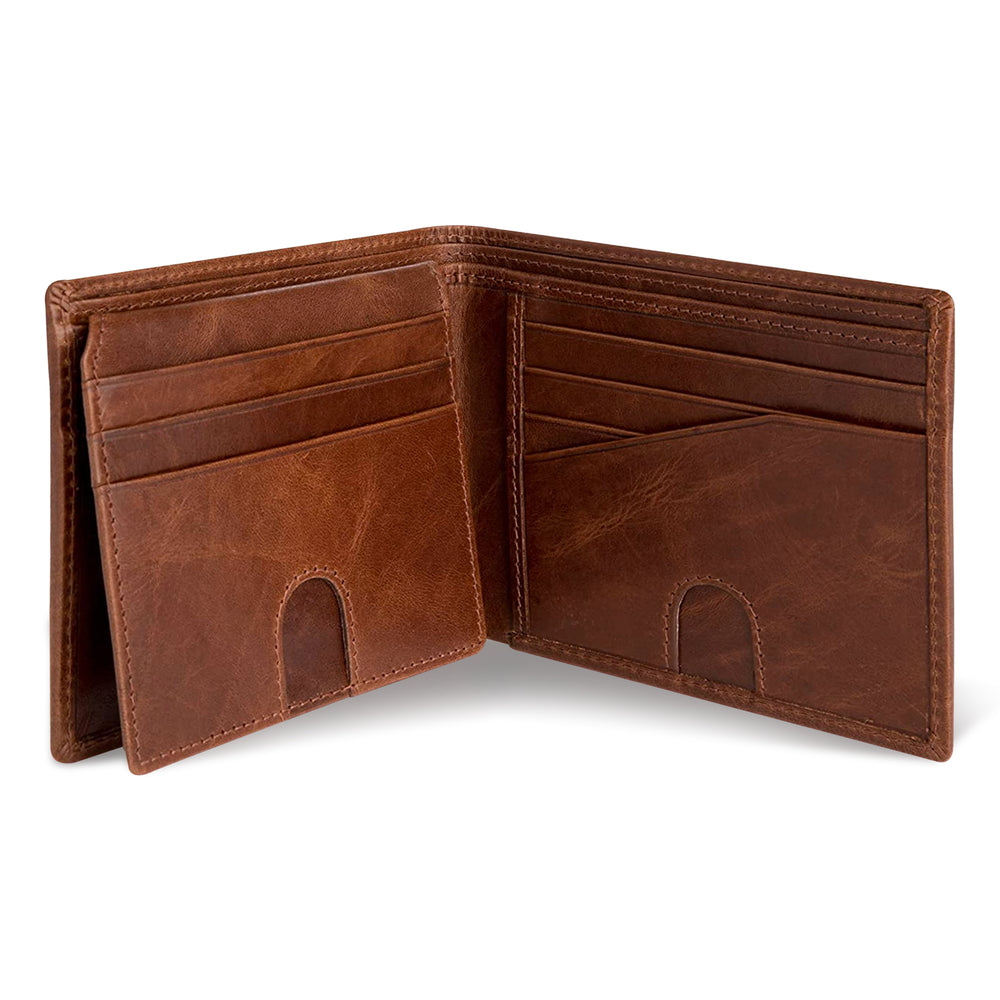
Professional-grade protectants work by creating molecular barriers that repel liquids while allowing the leather to breathe naturally. This prevents the cracking and stiffness associated with cheaper spray treatments that simply coat the surface. For those seeking a minimalist option, the Slim Leather Wallet is an excellent example of a daily-carry accessory that benefits from regular protectant application.
Bull Guard Premium Leather Protection System - Professional Grade Defense

Best for: Owners of premium Bull Guard wallets and crossbody purses seeking maximum longevity
Bull Guard's proprietary leather protectant represents the pinnacle of wallet care technology, specifically formulated for the full-grain and top-grain leathers used in their premium collection. This professional-grade treatment penetrates deep into leather fibers without compromising the natural patina development that makes each Bull Guard wallet unique. If you want to explore more about what makes a durable leather wallet for everyday use, check out our in-depth guide.
The system includes both initial treatment protocols and maintenance guidelines tailored to different leather finishes, from smooth Napa to textured Crazy Horse. Unlike generic protectants, this formula accounts for the specific tanning processes and finishing techniques used in Bull Guard's trusted tanneries.
Why it stands out: Designed specifically for premium wallet leathers, maintains RFID-blocking integrity, includes detailed application guides for each leather type, and comes with a satisfaction guarantee from craftspeople who understand leather intimately.
Specialized Protection for Different Leather Types
Crossbody Purse and Handbag Protection
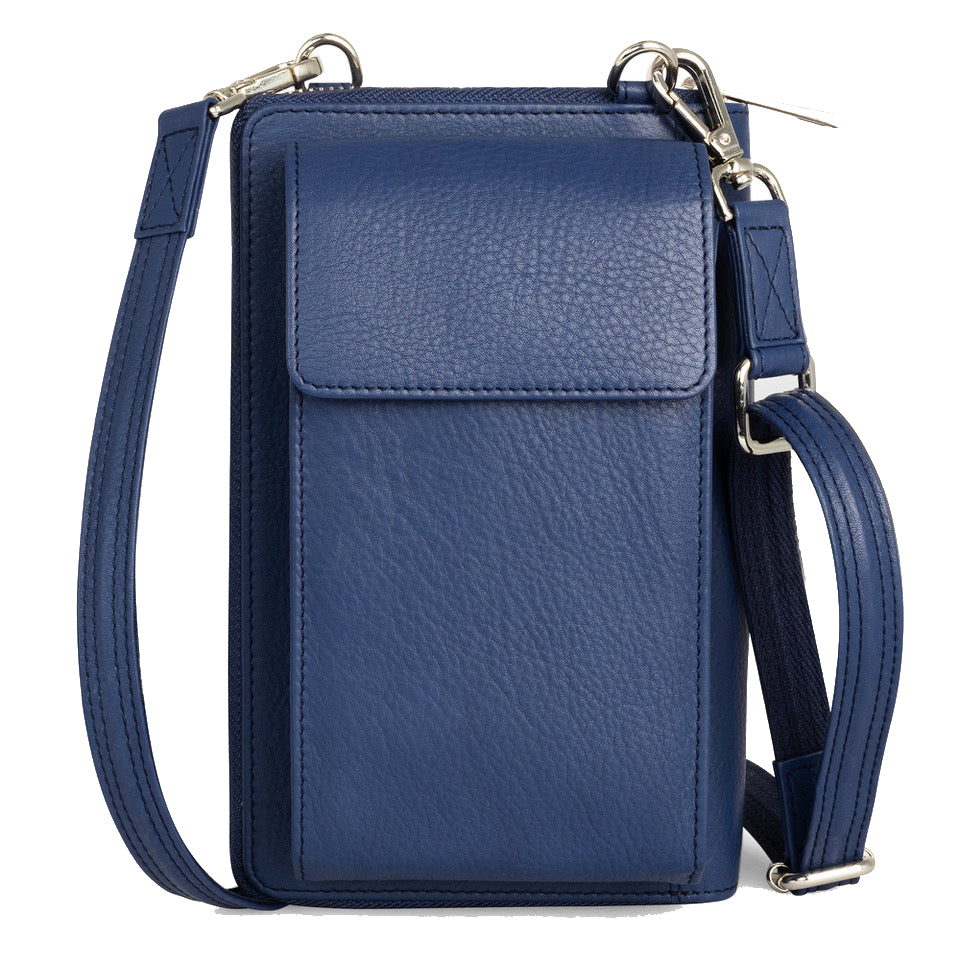
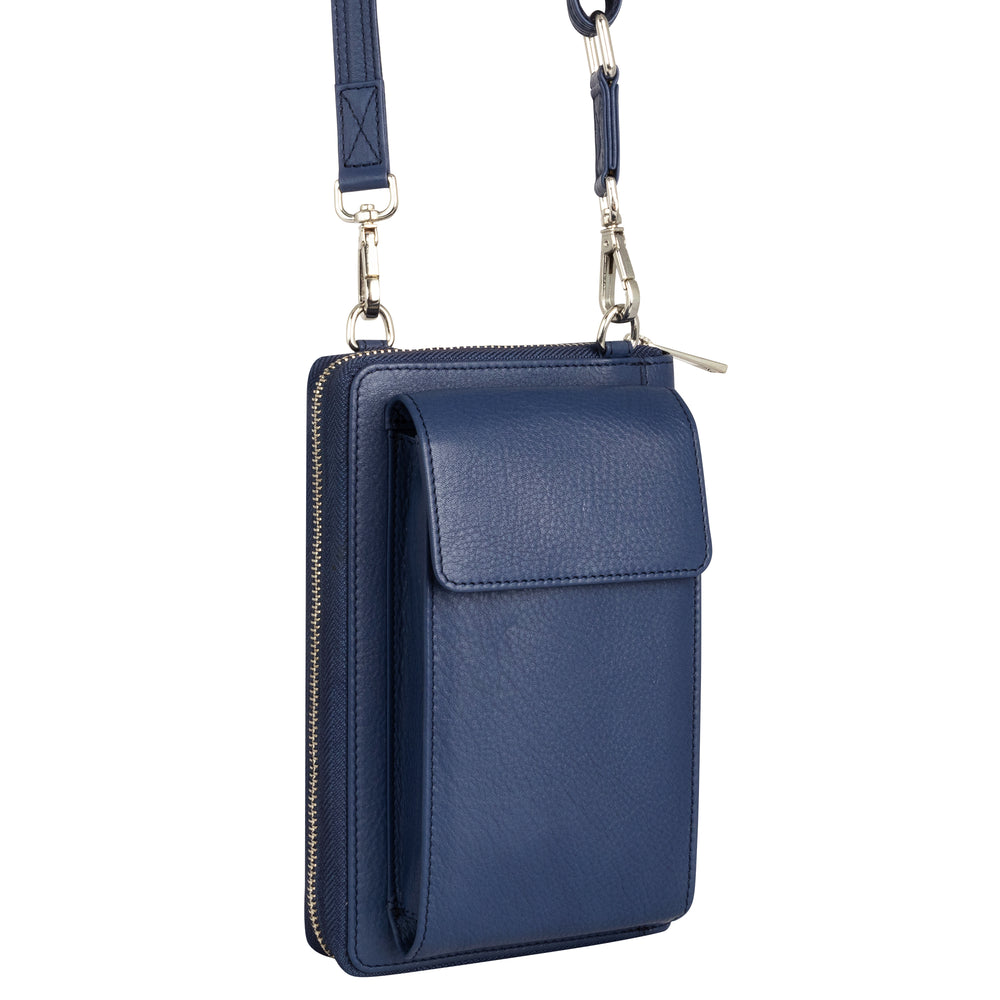
Crossbody purses face unique challenges, constant movement, varied weather exposure, and frequent handling. A quality leather purse protector must address these specific stressors while maintaining the bag's aesthetic appeal. The slash-proof straps and YKK zippers on premium crossbodies require compatible treatments that won't interfere with hardware function. For those seeking a versatile solution, the Regular Crossbody Wallet Phone Purse is designed to withstand daily use while benefiting from specialized protectant application.
Apply protectant to handbag leather in thin, even coats using circular motions. Pay special attention to stress points where the strap connects and around zipper areas where oils from hands concentrate.
Wallet-Specific Treatment Protocols
Wallet leather endures pocket friction, body heat, and frequent flexing. The leather protector for bags differs from wallet treatments, wallets need products that maintain flexibility in tight spaces while resisting the oils and moisture from daily handling.
Bifold and trifold wallets benefit from protectants applied before the leather fully breaks in, creating a foundation that guides proper patina development while preventing premature wear patterns. For those interested in classic styles, discover more about the classic trifold leather wallet style and how protectants can help preserve their timeless look.
Professional Application Methods and Timing
Clean leather thoroughly with a slightly damp cloth before application, ensuring no soap residue remains. Apply protectant in a well-ventilated area at room temperature, using lint-free cloths to avoid texture interference. Work the product into seams and edges where wear typically begins.
Allow 24-48 hours for full penetration before carrying the wallet. This curing period ensures the protectant bonds properly with leather fibers rather than sitting on the surface where it can transfer to clothing or other items.
Test any leather handbag protector on an inconspicuous area first, particularly with exotic finishes or colored leathers that might react differently to treatment chemicals.
Understanding Protection vs. Conditioning Differences

| Treatment Type | Primary Function | Application Frequency | Best For |
|---|---|---|---|
| Leather Protectant | Prevents damage, repels moisture | Every 3-6 months | New wallets, daily carry items |
| Leather Conditioner | Nourishes, restores flexibility | Every 6-12 months | Dry or aging leather |
| Combined Treatment | Protection + nourishment | Every 4-8 months | Moderate use wallets |
Many leather enthusiasts confuse protection with conditioning. Protectants create barriers; conditioners penetrate and nourish. Premium wallets often need protection first to establish proper aging patterns, then occasional conditioning to maintain suppleness as the leather matures.
Selecting Professional-Grade Leather Protectants
Quality leather protectants contain no silicones or waxes that can interfere with natural breathability. Look for products specifically mentioning compatibility with full-grain and top-grain leathers, as these premium hides require different treatment approaches than corrected or finished leathers.
Avoid spray protectants for wallets, they often provide uneven coverage and can affect RFID-blocking materials. Cream or liquid applications allow for precise control and better penetration into the tight spaces and edges where wallets experience the most stress.
Best Handbag Leather Protectors
Bull Guard Premium Leather Conditioner - Complete Protection System
Best for: Daily-carry wallets and crossbody purses that need maximum durability without compromising RFID protection
Bull Guard's leather protectant represents the gold standard for wallet and purse care, specifically formulated to work with the full-grain and top-grain leathers used in their premium products. Unlike generic protectants that can interfere with RFID-blocking materials, this formula maintains the electromagnetic shielding properties while creating a protective barrier against moisture, oils, and everyday wear. For those who prefer a classic option, the Classic Leather Trifold is a timeless choice that benefits from this advanced protection system.
The protectant's unique molecular structure penetrates deep into leather fibers without leaving surface residue that could affect the precise tolerances of RFID-blocking components. Professional leather artisans consistently choose this formula because it enhances the natural patina development that makes Bull Guard wallets increasingly beautiful with age, rather than masking the leather's character with artificial shine.
Chamberlain's Leather Milk - Natural Formula
Best for: Vintage leather goods and items without electronic components
This water-based protectant offers excellent penetration for older leather pieces but lacks the specialized formulation needed for modern RFID wallets. While effective for basic moisture protection, it doesn't address the unique challenges of maintaining leather goods with integrated technology. For more information on caring for older items, see our article on vintage leather.
- All-natural ingredients
- No harmful chemicals
- Good for antique leather
- May interfere with RFID blocking
- Requires frequent reapplication
- Limited protection against oils
Lexol Leather Protectant - Budget Option
Best for: Basic leather items without special requirements
A serviceable handbag leather protector for simple applications, though it falls short of the protection standards required for premium wallets. The formula provides basic water resistance but doesn't offer the comprehensive protection that daily-carry items demand. If you are looking for a compact solution, the Magnetic Money Clip Card Case with ID is a practical option that benefits from regular protectant use.
Application Techniques for Maximum Protection

Proper application of leather protectant determines its effectiveness and longevity. The technique varies significantly between different types of leather goods, with wallets and crossbody purses requiring special attention to maintain their structural integrity and electronic components.
Begin with completely clean, dry leather. Use a soft microfiber cloth to remove any surface dirt or oils that could prevent proper penetration. For Bull Guard wallets, pay particular attention to the areas around card slots and ID windows, where oils from handling concentrate most heavily. Apply the protectant in thin, even coats using circular motions, allowing each application to absorb completely before adding additional layers.
The critical difference with RFID-blocking wallets lies in avoiding oversaturation near the electronic shielding materials. Excess moisture can temporarily reduce blocking effectiveness, so work with minimal amounts and ensure complete drying between applications. Focus extra attention on stress points like fold lines and pocket edges, where leather experiences the most wear during daily use.
Professional results require patience, allow 24 hours between the final application and regular use. This curing period ensures the leather protectant bonds properly with the fibers and won't transfer to clothing or other items during the break-in period. For those interested in the latest innovations, read more about the leather card holder with Airtag and how to protect its advanced features.
Leather Protector Comparison Guide
| Feature | Bull Guard Premium | Chamberlain's Milk | Lexol Protectant |
|---|---|---|---|
| RFID Compatibility | Specifically formulated | Not tested | May interfere |
| Protection Duration | 6-8 months | 2-3 months | 3-4 months |
| Patina Enhancement | Accelerates natural aging | Minimal effect | Can darken unevenly |
| Oil Resistance | Superior barrier | Moderate | Basic protection |
| Application Ease | Single thin coat | Multiple applications needed | Requires buffing |
The comparison reveals why specialized leather protectant formulations outperform generic options for premium wallets and purses. Bull Guard's targeted approach addresses the specific challenges of protecting leather goods that integrate modern technology, while maintaining the aesthetic qualities that make quality leather increasingly attractive with age. For those who value flexibility and security, the Airtag Leather Card Holder Wallet for Men is a modern solution that pairs well with advanced protectant systems.
Maintenance Schedule for Protected Leather
Establishing a consistent maintenance routine extends the life of both your leather purse protector application and the underlying material. Daily-carry items like wallets and crossbody purses face constant exposure to oils, moisture, and friction that gradually diminish protective barriers. For a comprehensive selection of styles, browse the Wallets Variants collection to find the perfect match for your needs.
Monthly inspection provides the foundation of effective leather care. Check for areas where the protectant has worn away, especially at corners and fold lines. Reapply as needed to maintain a continuous barrier against moisture and stains. Consistent care ensures your Bull Guard wallet or purse remains a reliable companion for years of adventure.
Application Timing and Frequency

Effective leather protectant application follows a rhythm based on usage intensity rather than rigid schedules. New wallets benefit from initial treatment within the first week of use, allowing the leather to absorb protection before daily handling begins. This creates a foundation that resists the accumulation of oils and dirt that can block future applications.
For daily-carry wallets, reapplication every 3-4 months maintains optimal protection. Wallets exposed to harsh conditions, frequent travel, outdoor activities, or humid climates, require attention every 6-8 weeks. Signs that indicate immediate treatment include water absorption rather than beading, visible darkening from oils, or rough texture development.
Professional Insight: Apply leather protectant to clean, dry leather at room temperature. Cold leather won't absorb treatment effectively, while warm leather may absorb too quickly, creating uneven coverage.
The Bull Guard Premium Leather Wallets' full-grain construction responds exceptionally well to consistent protection schedules. The dense fiber structure retains treatments longer than processed leathers, extending intervals between applications while maintaining superior water and stain resistance.
Long-Term Leather Preservation Strategies
Sustainable leather care extends beyond periodic protectant application to encompass storage, handling, and environmental awareness. Leather protectant effectiveness multiplies when combined with proper storage in breathable environments away from direct heat sources and UV exposure. For more on best practices, you can consult this authoritative guide to leather care.
Rotation between multiple wallets, when possible, allows leather to rest and recover between uses. This practice prevents the stress concentration that leads to premature wear in high-contact areas. For single-wallet users, weekend rest periods without pocket carry help leather maintain its natural oils and flexibility.
Temperature fluctuations pose significant challenges to leather longevity. Protectants help stabilize leather's response to environmental changes, but extreme conditions still require additional precautions. During winter months, allow wallets to reach room temperature before handling to prevent cracking from sudden flexibility demands on cold leather.
The investment in quality leather protectant pays dividends over years of use. Bull Guard wallets treated with appropriate products develop rich patina while maintaining structural integrity, creating accessories that improve with age rather than deteriorating. This transformation represents the pinnacle of leather craftsmanship, functional beauty that grows more distinguished through thoughtful care.
Choosing the Right Protection Approach
Selecting the optimal leather protectant requires matching product characteristics to specific leather types and usage patterns. Full-grain leathers like those used in Bull Guard wallets perform best with penetrating protectants that work with the leather's natural structure rather than creating surface barriers that may crack or peel.
Consider your lifestyle demands when choosing protection levels. Urban professionals benefit from stain-resistant formulations that handle coffee spills and ink marks. Outdoor enthusiasts need water-repellent treatments that maintain breathability during temperature changes. Travel-focused users require products that protect against varied climates and handling conditions.
Application method preference also influences product selection. Spray applications offer convenience and even coverage for multiple items, while cream formulations provide precision control and conditioning benefits. Wax-based products deliver maximum water resistance but require more application skill to avoid over-treatment.
The superior construction of Bull Guard Premium Leather Wallets justifies investment in premium leather protectant products. Quality leather deserves quality care, the combination ensures decades of reliable service while developing the rich character that makes leather accessories treasured possessions rather than disposable items. For further reading on the science of leather protection, see this Smithsonian Magazine article on leather care.
Frequently Asked Questions
How does using a leather protectant help preserve the RFID protection capabilities of wallets?
Using a leather protectant creates a moisture- and stain-resistant barrier that prevents damage to the wallet’s structure, helping maintain the integrity of the embedded RFID-blocking materials. By preserving the leather’s durability and flexibility, protectants ensure the RFID technology continues to function effectively over time.
What are the key differences between leather protectants and conditioners, and when should each be used?
Leather protectants focus on creating a protective barrier against moisture, stains, and wear, preventing damage before it occurs, while conditioners nourish and replenish the leather’s natural oils to keep it supple. Protectants are best applied regularly to guard against daily exposure, whereas conditioners are used to restore softness and prevent drying, typically in between protectant applications.
Why is it important to choose a professional-grade leather protectant specifically designed for different leather types?
Professional-grade protectants are formulated to penetrate and shield full-grain and top-grain leathers without compromising their natural breathability or patina development. Choosing a protectant tailored to your leather type ensures maximum durability and protection without altering the leather’s feel or appearance.
How often should I apply leather protectant to my premium wallet or crossbody purse for optimal durability?
For best results, apply leather protectant every 3 to 6 months on clean, dry leather, allowing about 24 hours for the treatment to fully cure. Regular application extends the life of your wallet or purse while preserving its natural beauty and RFID protection.