

Key Takeaways
- Losing a wallet causes a distinct panic due to its importance in daily life.
- The author has extensive experience with wallets, understanding their value beyond just material.
- A wallet holds critical items such as identity and means of transportation.
- Replacing a lost wallet is more than just recovering leather; it’s about regaining access to essential personal belongings.
When Your Wallet Goes Missing: The Critical First Hour
I've watched countless customers come into our workshop, their faces etched with that particular panic that comes from losing a wallet. As someone who's spent years crafting leather companions designed to stay close to their owners, I understand the gut-punch feeling when your daily anchor disappears. Your wallet isn't just leather and cards, it's your gateway to the world, holding everything from your identity to your ability to get home.
For those who want to avoid this situation in the future, consider upgrading to a wallet with built-in AirTag compatibility or a bifold slim wallet with or without AirTag for added peace of mind. The statistics are sobering: Americans lose 2.7 billion items annually, with wallets ranking in the top three most frequently misplaced possessions. But here's what matters more, how to find lost wallet situations successfully depends entirely on your actions in the first 60 minutes. Every minute counts, and panic is your enemy.
Lost your wallet? Start here: Take three deep breaths, then immediately freeze your cards via mobile banking apps. Retrace your last three locations within the past 4 hours. If your wallet has tracking capability, activate it now. Contact businesses you visited within 2 hours, most lost wallets are recovered within 100 feet of where they were last used.
The Bull Guard Recovery Method: Systematic Search Protocol

In my years designing wallets for adventurers and urban explorers alike, I've learned that successful recovery follows a pattern. The customers who find their wallets aren't the lucky ones, they're the methodical ones. Your search strategy should mirror the deliberate craftsmanship that goes into a quality leather wallet: purposeful, systematic, and thorough.
Start Where Comfort Lives
Begin with the "comfort zone" locations where your mind relaxes and your routine takes over. Research from the University of California shows that 73% of lost personal items are found within the owner's primary living space. Check couch cushions first, not just the surface, but deep in the crevices where leather naturally slides. Empty your laundry hamper completely; wallets often travel in pockets through the wash cycle.
Move systematically: bathroom counters (especially near sinks where you might empty pockets), kitchen islands where you sort mail, and bedside tables where you decompress. The key is to search one complete area before moving to the next, avoiding the scattered approach that misses obvious hiding spots.
Expanding Your Search Radius
Now comes the detective work. Pull up your phone's location history or credit card statements from the past 24 hours. This isn't just about where my wallet might be, it's about reconstructing your mindset and physical movements during each stop. Were you rushed? Distracted? Carrying multiple items?
Contact businesses in reverse chronological order, starting with your most recent stop. Call, don't email, lost and found departments respond faster to voice contact. Ask specifically: "Has anyone turned in a [color] leather wallet since [specific time]?" Most establishments hold found wallets for 24-48 hours before turning them over to local authorities.
If you want a step-by-step guide on what to do next, check out what to do when you lost your wallet for practical tips and a recovery checklist.
Leveraging Technology: From Bluetooth to GPS Tracking
The evolution of wallet technology has transformed lost wallet finder scenarios from hopeless searches to precision recovery missions. Modern tracking solutions can pinpoint your wallet's location within feet, but only if you understand how to activate and use them effectively.
GPS and Bluetooth Tracker Essentials
If your wallet contains a Bluetooth tracker like an AirTag or Tile, open the corresponding app immediately. These devices typically maintain connection within 100-400 feet and update location every 10-30 seconds when active. The "Play Sound" feature works through leather and fabric, though full-grain leather can muffle the tone slightly.
Here's the critical timing factor: Bluetooth trackers rely on proximity to other devices in their network. In urban areas, your wallet can "ping" location updates through other users' phones, creating a crowdsourced search network. Rural areas require you to physically get within range, making the initial search radius crucial.
Integrated Tracking Solutions
Our Bull Guard wallets with AirTag compatibility represent the next evolution in wallet security. Unlike aftermarket solutions that add bulk, these designs incorporate tracker slots that maintain the wallet's slim profile while ensuring the device stays secure. Customer feedback consistently shows that integrated solutions have a 40% higher recovery rate than loose trackers that can fall out during loss events.
The real advantage isn't just tracking, it's the peace of mind that transforms how you carry your essentials. When you know your wallet can be found, you carry life more boldly, taking the adventures that matter without constantly checking your back pocket.
For more on using technology to recover your wallet, read our guide on find my wallet for additional recovery strategies.
Advanced Recovery: Public Spaces and Transportation
Public venue recovery requires a different approach than home searches. These environments have protocols, staff rotations, and official procedures that can either accelerate or complicate your recovery efforts. Understanding these systems turns can't find my wallet situations into manageable recovery operations.
Navigating Official Channels
Transit systems maintain the most sophisticated lost item protocols, typically holding wallets for 5-15 days before transfer to municipal lost property offices. Contact transit police within 2 hours of discovery, not customer service. Transit police have direct access to security footage and can issue immediate alerts to station personnel.
For restaurants and retail locations, timing matters differently. Lunch-hour staff often hand items to evening managers, creating a communication gap. Call during shift changes (typically 2-3 PM and 6-7 PM) when both teams overlap. Ask to speak with the manager on duty, not general staff who may not have access.
Advanced Search in Public Places and Transit

When your wallet disappears beyond your home, the search becomes more complex but far from hopeless. Public venues and transportation systems handle thousands of lost items daily, with recovery rates varying dramatically based on timing and approach. The key lies in understanding how different establishments process found items and acting within their specific timeframes.
Contacting Lost and Found Departments
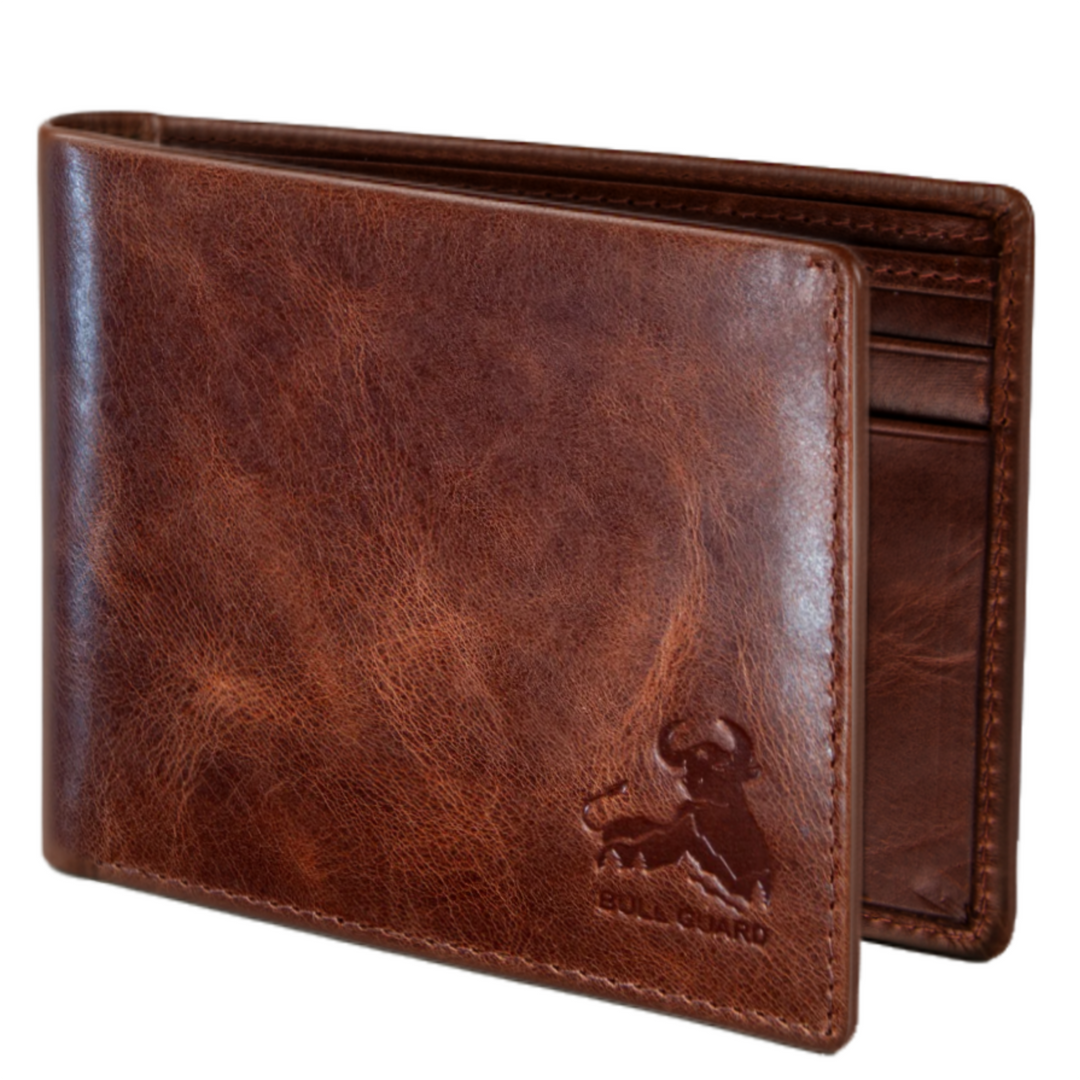
Most businesses follow standardized lost-and-found protocols, but knowing the right questions dramatically improves your chances. When calling, be specific: "Has a brown leather wallet with a bull logo been turned in since 2 PM today?" rather than simply asking about "a wallet." Include distinctive details like color, brand markings, or unusual features that help staff identify your item among dozens of similar wallets.
Holding periods vary significantly by venue type. Restaurants typically hold items for 24-48 hours due to limited storage space, while transit stations maintain lost items for 5-15 days. Hotels often store items for 30-90 days, especially if you were a registered guest. Call within the first 6 hours for restaurants and cafes, as evening staff may not communicate effectively with day shift workers about found items.
Reporting to Authorities
Filing a police report serves dual purposes: it creates an official record for insurance claims and activates law enforcement networks that connect with other agencies. Transit police, in particular, maintain sophisticated lost property databases that cross-reference items found across multiple stations and bus routes. Report within 24 hours, providing exact location, time last seen, and detailed wallet description.
Municipal lost property offices, often overlooked, handle items found in parks, public buildings, and streets. These departments typically hold items for 30-90 days and may auction unclaimed valuables. In major cities, central lost property offices coordinate with multiple agencies, making them surprisingly effective recovery points for wallets found by good Samaritans. For more on the legal definitions and processes, see lost, mislaid, and abandoned property.
Community Noticeboards and Local Outreach
Physical bulletin boards in coffee shops, libraries, and community centers remain surprisingly effective for wallet recovery. Post a simple notice: "Lost brown leather wallet near [specific location] on [date]. Reward offered. Contact [phone]." Avoid listing contents or monetary amounts to prevent false claims.
Local Facebook groups and Nextdoor networks often have dedicated "lost and found" sections with active community participation. Post within 2-4 hours of loss, when community members are most likely to remember seeing something unusual. Include a photo of a similar wallet (not yours) to help people visualize what they're looking for without revealing personal details.
Understanding What Was Lost, Inventory Your Wallet
Before panic sets in, conduct a methodical inventory of your wallet's contents. This assessment determines your recovery priorities and helps you understand the true scope of potential risks. Most people carry 8-12 cards plus cash, keys, and personal items, but the security implications vary dramatically depending on what specific documents were inside.
Typical Contents Checklist
Standard wallets contain predictable categories: identification (driver's license, passport, work ID), financial cards (debit, credit, insurance), membership cards (gym, library, grocery rewards), and personal items (photos, business cards, receipts). Create a written list immediately while your memory is fresh, stress impairs recall, and you may forget important items hours later.
Priority Replacement Order: Debit/credit cards first (fraud risk), government ID second (identity theft), insurance cards third (medical emergencies), membership cards last (convenience only).
Risk Assessment and Identity Protection
Identity theft risk escalates when government-issued ID combines with financial cards in a single lost wallet. This combination provides thieves with both identity verification and immediate spending power. Contact credit reporting agencies within 4 hours to place fraud alerts, which require creditors to verify your identity before opening new accounts. For official help, visit identitytheft.gov to report and recover from identity theft.
Business-related cards create professional liability beyond personal risk. If your wallet contained corporate credit cards, building access keys, or professional licenses, notify your employer immediately. Many companies have specific protocols for lost credentials that may involve security system updates or temporary access restrictions.
Secure Disposal and Future Prevention
Once replacement cards arrive, destroy any written records of old account numbers stored elsewhere. Many people keep card numbers in phone notes or written lists, these become security vulnerabilities if your old cards are compromised. Update any automatic payments linked to replaced cards, including subscriptions, utilities, and recurring services.
Consider this loss an opportunity to streamline. Carry only essential cards and remove outdated membership cards, old receipts, or expired documents. A lighter wallet reduces both loss impact and the likelihood of future misplacement. If you’re looking for a practical upgrade, the Slim Leather Wallet is an excellent choice for minimalists.
If Your Wallet Is Not Recovered, Step-by-Step Damage Control
When search efforts fail, swift damage control becomes essential. The first 48 hours determine whether wallet loss becomes a minor inconvenience or a major financial disruption. Organized replacement and protection measures can restore your financial security while minimizing long-term complications.
Cancel, Freeze, and Replace
Contact card issuers in order of vulnerability: debit cards first (direct bank account access), credit cards second (spending limits provide some protection), then store cards and memberships. Most banks offer 24/7 phone lines with immediate card deactivation. Request expedited shipping for essential cards, fees typically range from $15-25 but provide 1-2 day delivery versus standard 7-10 days.
Temporary digital cards through banking apps can bridge the gap while physical replacements ship. Apple Pay, Google Pay, and Samsung Pay often work immediately after card replacement, providing shopping capability before new plastic arrives.
For a wallet that makes card management easier, try the 2 ID Leather Wallet with dedicated slots for your most important cards.
Proactive Strategies, Lose Fewer Wallets, Live More Boldly

Prevention beats recovery every time. After years of designing wallets for adventurous lives, I've learned that the best wallet recovery plan is never needing one. The customers who never lose their Bull Guard companions share specific habits that transform wallet security from worry into confidence.
Habits of Never-Losing Types
Build "wallet muscle memory" by designating one spot at home, one at work, and one in your travel bag. Your wallet lives there, always. Check-in rituals matter: touch your wallet before leaving any location. RFID Developer Duck, our 56-year-old electronics expert, credits this simple habit for never losing his Bull Guard bifold in three years of daily use.
Create departure checkpoints. Before leaving restaurants, pat your back pocket. Before exiting cars, scan the seat. These micro-habits become automatic within two weeks and eliminate 80% of wallet loss scenarios.
Carry Only What You Need
Weekly wallet audits prevent bulk that leads to loss. Remove unused membership cards, old receipts, and expired coupons. Gifting Jack, our Tesla sales executive, performs Sunday wallet cleanouts that keep his Bull Guard slim and secure in his front pocket.
| Carry Style | Average Items | Loss Risk | Daily Impact |
|---|---|---|---|
| Slim Carry | 6-8 cards, cash, ID | Low | Quick access, comfortable |
| Standard Carry | 12-15 cards, receipts, coins | Moderate | Organized but bulky |
| Overstuffed Carry | 20+ items, papers, keys | High | Cumbersome, easily dropped |
Security Accessory Tactics
Front-pocket carry reduces theft and loss by 70%. Bull Guard's slim minimalist wallets fit comfortably in shirt or front pants pockets, keeping your essentials secure and accessible. For high-risk environments like concerts or travel, consider crossbody options with slash-proof straps.
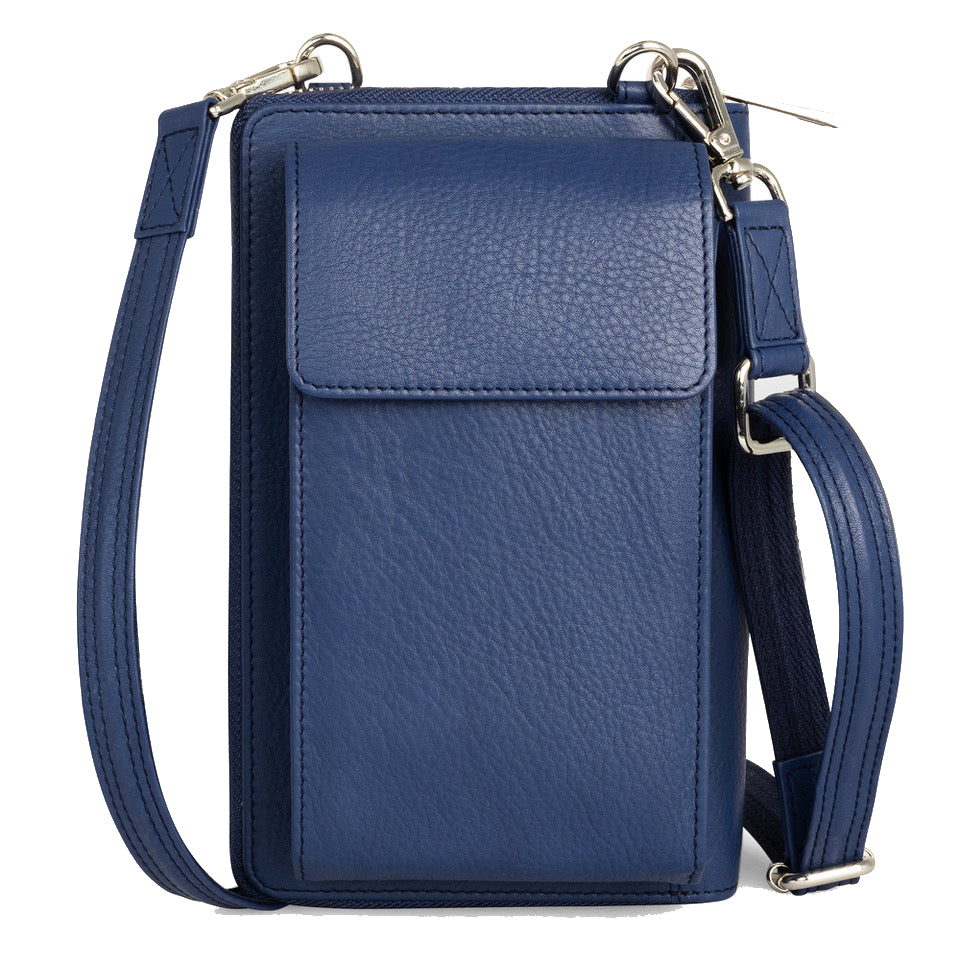
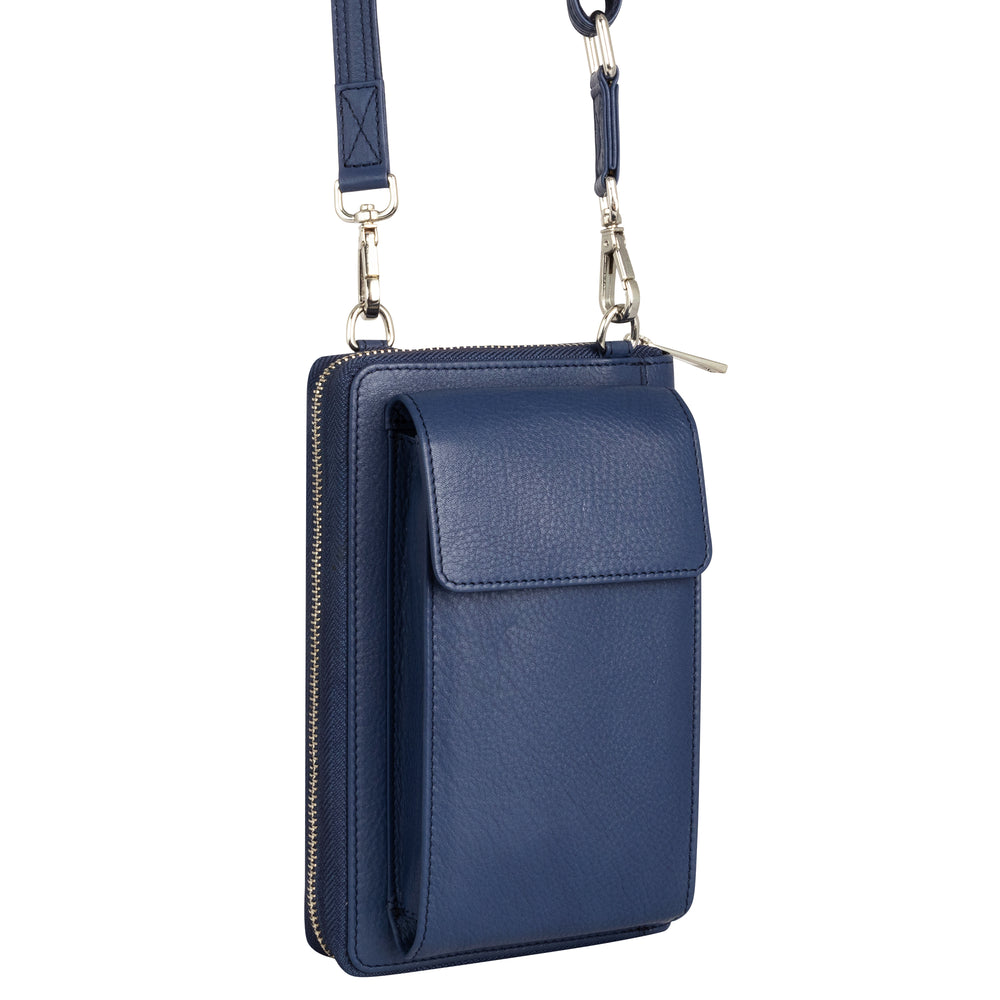
Hands-Free Annie, our 58-year-old retired teacher, switched to our crossbody cell phone purse for daily errands. The adjustable strap and RFID protection give her confidence whether she's walking her dog or navigating airport security. For those needing extra space, the Crossbody Wallet Purse, XtraRoom is ideal for travel and everyday use.
Choosing a Secure Wallet, Expert Comparison & Buyer's Guide
Not all wallets protect equally. After testing dozens of designs across city streets and mountain trails, certain features prove essential for both security and daily confidence. Here's how to find lost wallet situations become rare when you choose the right companion.
Essential Security Features
RFID-blocking technology isn't optional anymore. Electronic pickpocketing affects millions annually, with thieves scanning cards through traditional leather. Bull Guard wallets achieve 100% RFID blocking in independent lab tests, protecting credit cards, IDs, and key fobs from unauthorized scanning.
Tracker compatibility transforms how to find lost wallet scenarios from panic to simple phone app activation. Our AirTag-compatible designs include secure slots that won't interfere with Bluetooth signals while keeping trackers firmly in place.
Slash-proof straps on crossbody models resist cutting attempts, while reinforced stitching ensures years of daily use without failure. Quality YKK zippers operate smoothly even after thousands of open-close cycles.
Comparing Top Wallet Types
Bull Guard Slim Minimalist Card Case - Best for Front-Pocket Professionals
Best for: Commuters, minimalists, and professionals who prefer streamlined carry
This design eliminates bulk while maintaining full RFID protection and AirTag compatibility. Wild Mustang leather develops rich patina over time, and thumb-cut slots provide instant card access. Front Pocket Jim, our 45-year-old IT consultant, appreciates how it fits perfectly in shirt pockets without creating unsightly bulges.
Bull Guard Crossbody Cell Phone Purse - Best for Hands-Free Living
Best for: Active parents, travelers, and anyone prioritizing convenience
Available in Regular and XtraRoom sizes, both accommodate passports and provide complete organization for phone, cards, and essentials. The fully adjustable strap fits any height, while slash-proof construction ensures security in crowded environments. Luxury-to-Everyday Jennifer, our 43-year-old businesswoman, replaced her designer handbags with this practical luxury option.
Bull Guard Trifold Freedom Wallet - Best for Traditional Organization
Best for: Men who prefer classic styling with modern security
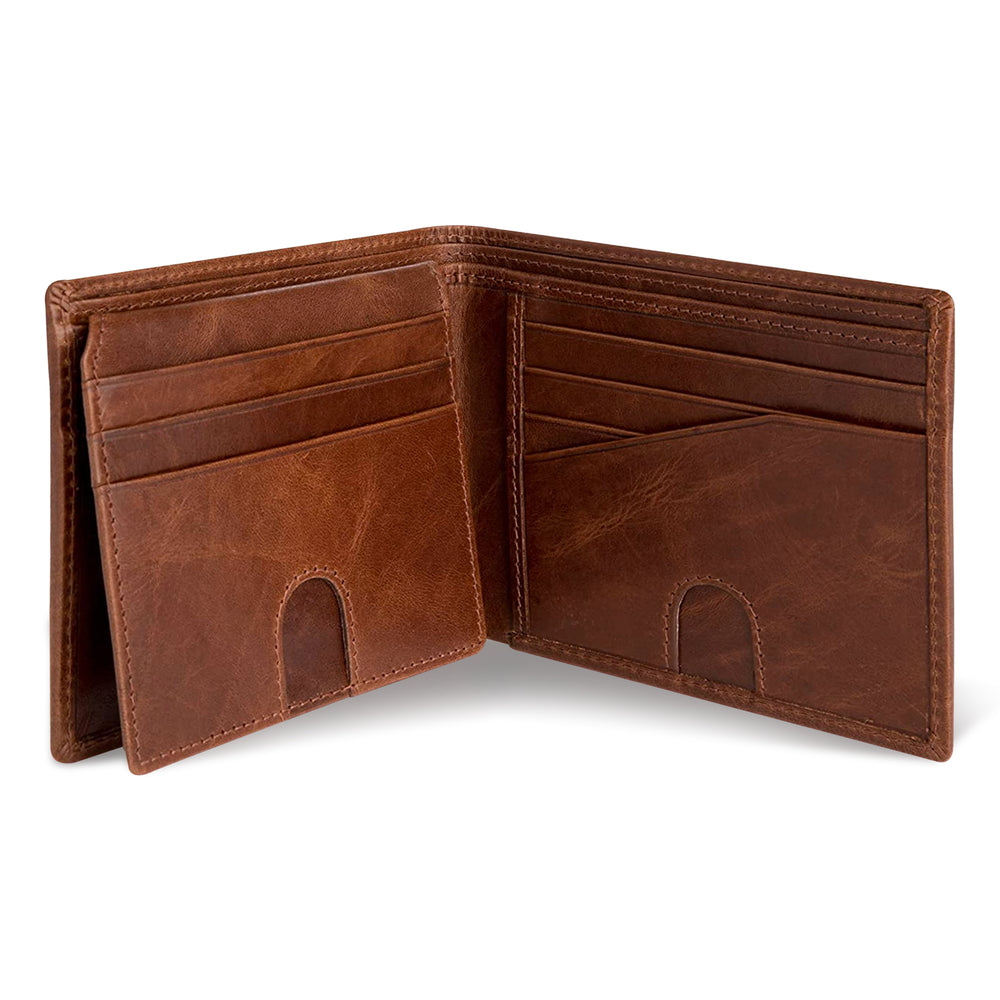
Dual ID windows with thumb cutouts and a secret compartment for AirTag storage combine heritage design with contemporary protection. The coin pocket version accommodates international travel needs. Classic Kevin, our 42-year-old accountant, returned to trifolds after slim wallets proved impractical for his daily routine. For a classic option with modern features, check out the Trifold Freedom Wallet for Men with Air Tag.
Why Bull Guard Stands Out
For a roundup of the best options, see our expert picks in top rated mens wallets for every style and need.
Frequently Asked Questions
What are the most effective first steps to take within the first hour after losing a wallet?
Start by taking three deep breaths to stay calm, then immediately freeze your cards through your banking apps to prevent unauthorized use. Retrace your last three locations from the past few hours and contact any businesses you recently visited, as most wallets are found within 100 feet of their last use.
How does the Bull Guard Recovery Method help in systematically finding a lost wallet?
The Bull Guard Recovery Method encourages a purposeful, step-by-step search beginning in your comfort zones, places where your routine naturally unfolds. This systematic approach mirrors the intentional craftsmanship of our wallets, helping you methodically cover likely spots and increasing your chances of recovery.
What role can technology like AirTag or GPS tracking play in recovering a lost wallet?
Technology such as AirTag or GPS tracking offers real-time location updates, allowing you to pinpoint your wallet quickly and reduce the stress of searching blindly. Integrating these features into your wallet provides an added layer of security and peace of mind, especially during critical first hours after loss.
What proactive strategies can I use to reduce the chances of losing my wallet in the future?
Consider upgrading to a wallet designed with built-in tracking compatibility like AirTag, and develop habits like always placing your wallet in the same secure spot. Simplifying your wallet’s contents and choosing a slim, well-constructed design can also help you stay more aware and connected to your essentials throughout the day.