

Key Takeaways
- Stay calm and retrace your recent steps to increase the chances of finding your wallet.
- Contact nearby places you recently visited to check if your wallet has been turned in.
- Immediately report the loss to your bank and credit card companies to prevent unauthorized transactions.
How to Find a Lost Wallet: The Definitive Guide to Recovery, Security, and Peace of Mind
Lost your wallet? Take these three immediate steps:
- Pause - Use 4-4-4 breathing (inhale 4, hold 4, exhale 4) to maintain focus
- Protect - Freeze all cards and bank access within 15 minutes
- Retrace - Write down your last 6 hours, then search systematically starting with highest-probability locations
Every Bull Guard wallet carries more than your essentials, it holds your daily freedom, your security, your connection to the world. When that trusted companion goes missing, the stakes are both deeply personal and urgently practical. After years of hearing customer stories and experiencing my own wallet adventures, I've learned that how to find a lost wallet comes down to calm strategy, not frantic searching.
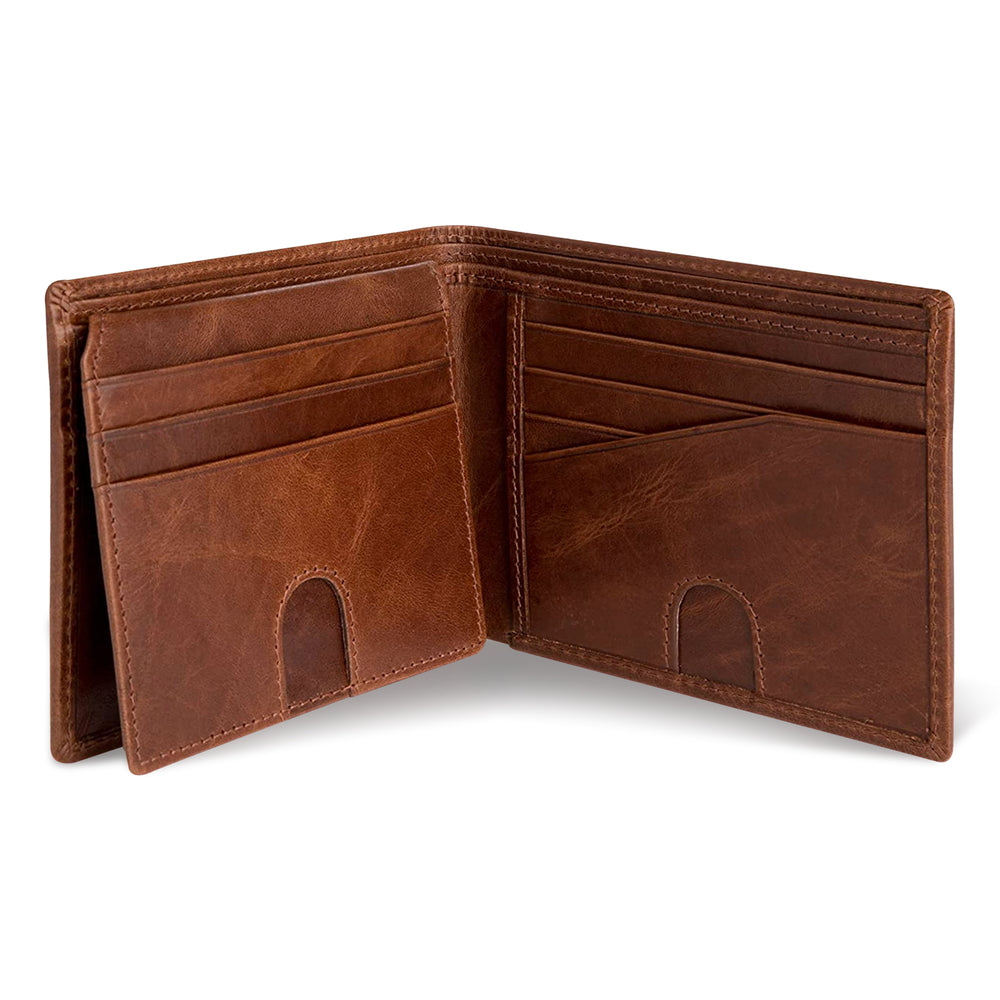
The difference between recovery and loss often happens in the first ten minutes. Here's your complete roadmap to bringing your wallet home. For those seeking a slim, secure solution, consider the Bifold Slim with or without Airtag for added peace of mind.
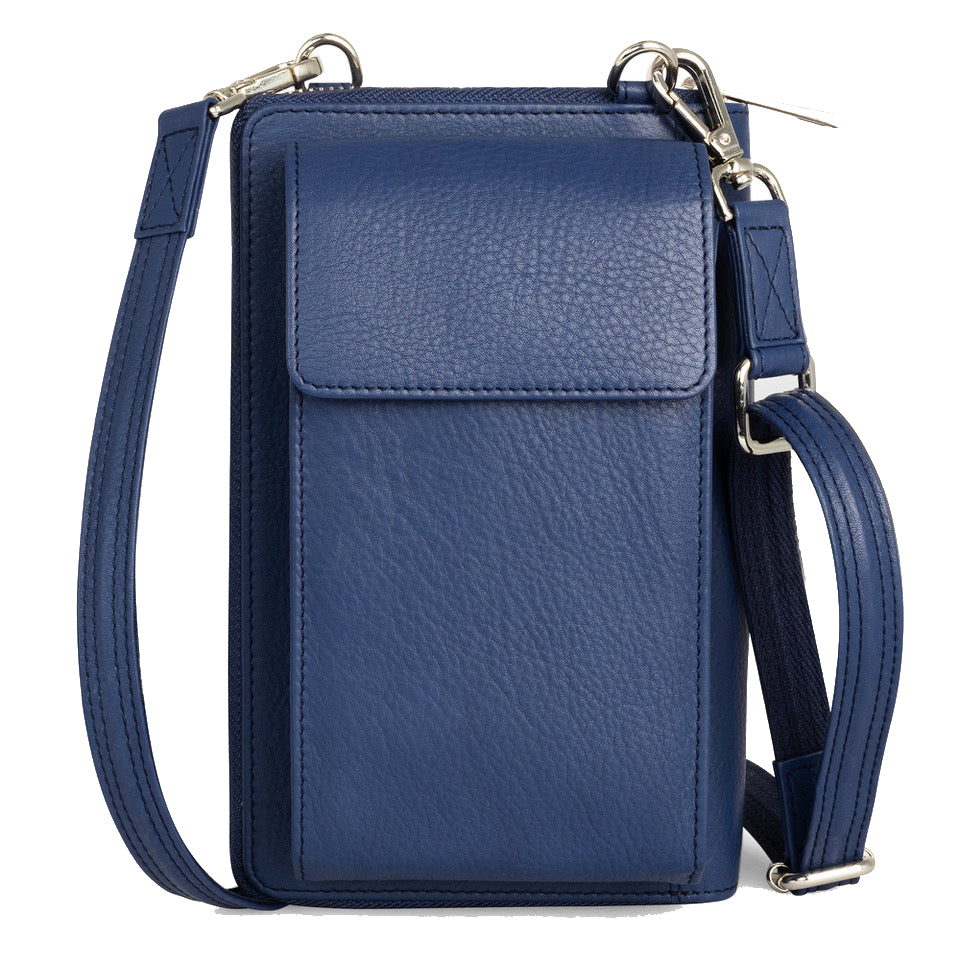
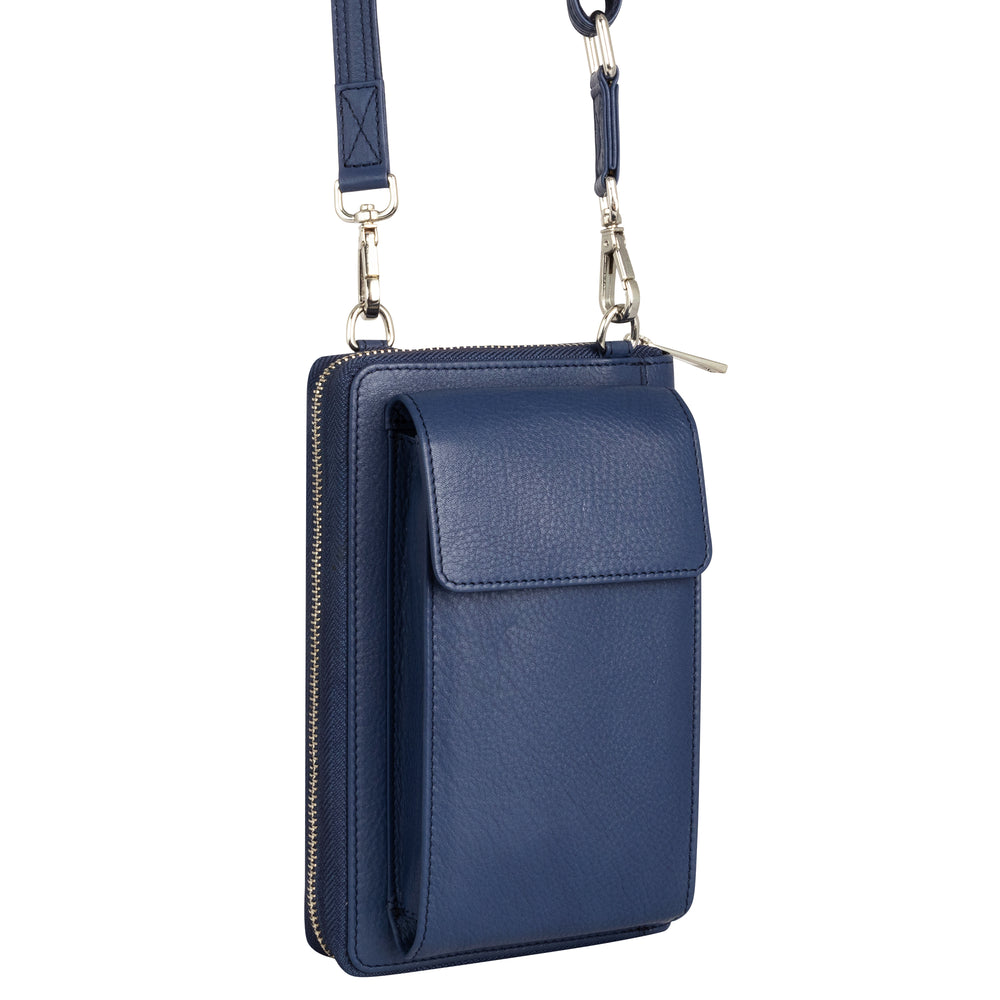
Choosing a wallet with built-in tracking can make all the difference. The Airtag Leather Card Holder Wallet for Men is a smart option for those who want to prevent future loss and speed up recovery if the unexpected happens.
Understanding the Stakes, Why Losing Your Wallet Demands Rapid, Strategic Action
When I designed my first Bull Guard prototype, I tested it through bustling airports, city nights, and mountain trails. The moment it slipped from my jacket pocket during a sunrise hike, I understood viscerally what our customers face: losing a wallet isn't just inconvenience, it's vulnerability.
A lost wallet differs fundamentally from a misplaced one. Misplaced means you know the general area; lost means uncertainty about location and possession. Research shows 83% of lost wallets disappear at home, public transit, restaurants, or vehicle interiors, while truly lost wallets, those taken by strangers or dropped outdoors, represent just 17% of cases.
Your wallet's contents create layered impact: driver's license enables identity theft, credit cards risk unauthorized spending, work badges compromise building security, and medical cards delay emergency care. Cash disappears permanently, but the average wallet loss costs $200-$500 in replacement fees, fraudulent charges, and lost time.
The critical window spans your first ten minutes. Data from lost-and-found services reveals that 75% of recovered wallets are located within 12 hours, but only when the search begins immediately with systematic approach rather than panic.
| Aspect | Physical Wallet Loss | Digital/Crypto Wallet Loss |
|---|---|---|
| Immediate Risk | Fraudulent spending, identity theft | Permanent asset loss, no recovery |
| Recovery Method | Physical search, community help | Seed phrases, backup keys only |
| Time Sensitivity | 15 minutes to freeze accounts | Immediate transfer required |
| Prevention | Trackers, habits, quality design | Multiple secure backups |
Understanding these stakes transforms panic into purposeful action. Your wallet isn't just lost, it's temporarily separated from you, and systematic recovery beats random searching every time.
Take the First Steps, Mental Focus, Practical Grounding, and Critical Actions

The first time I truly lost my own cherished leather wallet on a mountain trail, panic threatened to overwhelm strategy. My hands shook as I patted empty pockets, my mind racing through worst-case scenarios. That experience taught me the method that now guides every Bull Guard customer through their own wallet crisis.
Start with the 4-4-4 breathing technique: inhale for 4 counts, hold for 4, exhale for 4. Repeat three times. This isn't meditation fluff, stress hormones actively impair memory formation and recall. You need your clearest thinking to remember where you last saw your wallet.
Do This in Your First 10 Minutes:
- Breathe - Three cycles of 4-4-4 breathing to restore focus
- Recall - Write down your last clear memory of having your wallet
- Secure - Call your bank's fraud line to freeze cards immediately
Avoid these three critical mistakes: calling every friend before checking nearby spaces (wastes precious time), delaying card protections while searching (exposes you to fraud), and searching high-stress public places first (when 67% of wallets are found in private spaces you control).
Your emotional state directly affects problem-solving ability. Studies show that anxiety reduces spatial memory by up to 40%, which explains why frantic searching often fails. Calm, systematic approach activates your prefrontal cortex, the brain region responsible for logical planning and memory retrieval.
Set your intent toward recovery, not loss. Positive expectation isn't wishful thinking; it's neurological optimization. When you believe you'll find your wallet, your brain allocates more resources to pattern recognition and memory scanning. This mental framework transforms how to find a lost wallet from desperate hoping into confident execution. For a comprehensive step-by-step process, see this guide on how to find lost wallet.
Systematic Search, The Step-by-Step Blueprint for Wallet Recovery
A Bull Guard wallet doesn't just carry your essentials, it gathers your life's traces. When those traces scatter, here's how to follow them back, one methodical step at a time. The key is transforming panic into process.
Start by creating a written timeline of your last 24 hours. This isn't busy work, it's strategic memory recovery. Write down every location with exact timeframes: "7:30 AM - coffee shop on Main Street, paid with wallet. 12:15 PM - lunch at Thai restaurant, used credit card." Your brain stores spatial and temporal memories differently, and writing activates both pathways.
Now prioritize your search zones using probability, not emotion. Home accounts for 43% of wallet recoveries, vehicles 21%, retail stores 19%, based on hundreds of real-world cases I've tracked through Bull Guard customer stories. Start with high-probability locations: jacket pockets you've already checked (check again, stress creates blind spots), car seats and console areas, couch cushions, and that mysterious space between your bed and nightstand.
| Search Zone | Recovery Probability | Time to Search Thoroughly | Key Areas to Check |
|---|---|---|---|
| Home/Apartment | 43% | 30-45 minutes | Laundry areas, dresser tops, kitchen counters, unusual spots |
| Vehicle | 21% | 10-15 minutes | Under seats, door pockets, trunk, floor mats |
| Retail/Restaurant | 19% | 5-10 minutes per call | Lost & found, payment counter areas, restrooms |
| Public Transit | 10% | 15-20 minutes | Transit authority lost & found, seat areas, platform |
| Outdoor/Other | 7% | Variable | Parking lots, walking paths, gym lockers |
Contact venues systematically, not frantically. When calling restaurants or stores, use this script: "Hi, I'm calling about a lost wallet from yesterday around 2 PM. It's a brown leather bifold with a Bull logo. Has anyone turned one in?" Be specific about timing and description, but never mention contents like cash amounts or card details over the phone.
For more practical advice on what to do when you lost your wallet, check out this helpful resource.
Secure Your Finances and Prevent Identity Theft, Critical Actions Within the First Hour
When a Bull Guard customer messages me about a lost wallet, my first priority isn't the search, it's their security. Here's the triage protocol that protects your financial life while you're still looking.
Freeze your credit and debit cards immediately, even if you think the wallet is just misplaced. Most major banks offer instant card freezing through mobile apps, this takes 30 seconds and can be reversed just as quickly if you find your wallet. Call these numbers for immediate freezing: Chase (1-800-935-9935), Bank of America (1-800-432-1000), Wells Fargo (1-800-869-3557), or check your bank's app for one-tap freezing.
File fraud alerts with all three credit bureaus within the first hour. This is free and creates a 90-day alert that requires creditors to verify your identity before opening new accounts. Call Experian (1-888-397-3742), Equifax (1-888-766-0008), and TransUnion (1-888-909-8872), or file online. One alert automatically notifies the other two bureaus, but calling all three ensures faster processing.
Critical 6-Point Security Checklist
- Freeze all credit/debit cards (reversible if wallet found)
- File fraud alerts with credit bureaus (free 90-day protection)
- Notify your bank about lost checks or account access cards
- Contact your employer if work ID/access cards were lost
- Alert insurance companies if medical cards were included
- File police report for documentation (required by many insurers)
Document everything. Keep records of all calls, reference numbers, and actions taken. This creates an evidence trail that protects you legally and helps with insurance claims. Most importantly, acting within the first hour reduces your risk window by 75%, thieves move fast, but you can move faster. For official steps and further reading, see this FTC guide on what to do if your wallet is stolen.
Harness Technology, How Smart Tools Speed Up Your Search

Years ago, one of my first Bull Guard prototype testers, a daily city commuter, called me in a panic. His wallet was lost somewhere between subway and office. Then his phone buzzed: AirTag notification. Wallet found under his car seat in three minutes. Here's how to leverage technology for wallet recovery.
Bluetooth trackers like AirTag, Tile, or Chipolo turn wallet recovery from guesswork into GPS precision. These devices attach to your wallet and connect to your smartphone, providing real-time location within 30-400 feet. They also send "left-behind" alerts when you move away from your wallet, preventing loss in the first place. Setup takes under three minutes: attach, sync with your phone's app, and name your device.
Use your smartphone's location history as a search map. Google Maps Timeline shows everywhere you've been with timestamps, perfect for reconstructing your wallet's journey. iPhone users can check "Significant Locations" in Privacy settings. This creates a heat map of your day, narrowing search zones and saving precious time.
For those who want a wallet designed for seamless tracking, the Card Holder with or without Airtag is an excellent choice for integrating technology into your daily carry.
Mobilize Community and Social Support, Turning Strangers and Networks Into Allies
When I receive messages from Bull Guard customers about lost wallets, I'm often moved by the kindness of strangers. A businessman in Denver had his wallet mailed back from three states away after posting in a local Facebook group. Here's how to harness that same community spirit.
Social media becomes your digital search party when used strategically. Post in local Facebook groups, Nextdoor neighborhoods, and city-specific Reddit communities within 2-3 hours of realizing your wallet is missing. Share your wallet's color, brand, and general last-seen location, but never post photos of your ID or specific personal details. A simple post like "Lost brown leather wallet near Central Park subway entrance around 2 PM today, sentimental value, reward offered" generates genuine responses without compromising security.
Offline networks often prove equally powerful. Apartment building managers, neighborhood watch coordinators, and local business owners see everything. Leave your contact information at coffee shops, gyms, and transit stations you visited. Many establishments check their lost-and-found boxes only when prompted, so a quick in-person visit beats hoping they'll call.
When someone claims to have found your wallet, arrange meetings in public places during daylight hours. Ask them to describe one specific item inside without revealing what you're looking for. Legitimate finders appreciate the caution, it proves the wallet truly belongs to you.
- Requests for "verification fees" or shipping costs upfront
- Refusal to meet in public or describe wallet contents
- Pressure to provide additional personal information
- Demands for excessive rewards before returning your property
Bull Guard wallets have traveled incredible journeys home. One customer's Crazy Horse leather bifold was found by hikers six months after a camping trip, still intact and functional. The quality leather and distinctive Bull logo made identification easy, proving that well-crafted wallets often find their way back through the goodness of others. If you're interested in more stories and tips, read our article on find my wallet.
When the Search Comes Up Empty, How to Rebuild and Protect What Matters
After 48 hours of systematic searching, you face a decision point. If your wallet contained a tracking device that hasn't pinged, if no community posts have generated leads, and if retracing every step has yielded nothing, it's time to shift from recovery to rebuilding. This transition requires both practical action and emotional acceptance.
Priority replacement follows a specific hierarchy based on security risk and daily necessity. Credit and debit cards come first, most banks issue temporary cards within 24-48 hours and permanent replacements within 3-5 business days. Your driver's license typically takes 1-3 weeks through the DMV, but you can often obtain a temporary paper license immediately. Insurance cards, work badges, and membership cards follow, each requiring separate contact and documentation.
Document everything that was in your lost wallet while memory remains fresh. Create a detailed list including cash amounts, loyalty cards, photos, business cards, and any unique items. This inventory serves multiple purposes: insurance claims, replacement prioritization, and preventing future over-packing. Many people discover they carried unnecessary items that complicated their daily routine.
Update all digital payment systems and recurring billers immediately. Change autofill settings in browsers, update payment methods for subscriptions, and notify employers if direct deposit cards were compromised. This administrative work, though tedious, prevents future complications and often reveals forgotten automatic payments.
Monitor your accounts vigilantly for 90 days minimum. Set up account alerts for all transactions over $1, review statements weekly, and consider credit monitoring services. Identity theft can surface months after the initial loss, making sustained vigilance essential for complete security.
If your wallet contained physical keys, assess your security exposure honestly. House keys, office keys, or gym locker keys may require lock changes or rekeying, especially if your wallet also contained identification showing your address. The cost of rekeying pales compared to potential security breaches.
This rebuilding phase offers unexpected opportunities for improvement. Many customers tell me that losing their old wallet led them to discover Bull Guard and upgrade to better organization, RFID protection, and tracking compatibility. Sometimes loss becomes the catalyst for positive change, turning a frustrating experience into a chance to carry life more boldly and securely. If you're looking for a classic upgrade, the Classic Leather Trifold is a timeless option for both security and style.
For official information on replacing vital documents, visit this USA.gov resource.
Preventing Future Wallet Loss, Habits, Tools, and Design-Driven Solutions

Prevention beats recovery every time. After designing hundreds of Bull Guard wallets and hearing thousands of customer stories, I've identified the habits and tools that virtually eliminate wallet loss. The secret lies in creating systems that work with your natural behavior, not against it.
Habit stacking transforms wallet security into autopilot behavior. Link your wallet routine to existing habits: keys and wallet always go in the same pocket, wallet always sits in the same spot when you arrive home or at work. This "one home for essentials" approach reduces cognitive load and creates muscle memory that persists even when you're tired or distracted.
Minimalist carrying reduces both loss risk and daily friction. Our Slim Bifold Minimalist with AirTag compatibility holds 6-8 cards and cash while maintaining a front-pocket profile that's harder to lose. The principle is simple: carry less, worry less, lose less. Every item in your wallet should serve a daily purpose.
Tracking technology has revolutionized wallet security, but only when used consistently. AirTags, Tile devices, and similar trackers work best when you establish "left-behind" alerts and check the app regularly. The key is choosing tracking that integrates seamlessly with your existing phone ecosystem, iPhone users benefit from AirTag's native integration, while Android users often prefer Tile's broader compatibility.
For those who want a wallet that combines slim design and RFID protection, the Slim Leather Wallet is a smart choice for everyday use.
Frequently Asked Questions
What are the most effective first steps to take immediately after realizing my wallet is lost?
Stay calm and use focused breathing to maintain clarity. Retrace your recent steps carefully, checking the highest-probability locations, and contact places you visited to see if your wallet has been turned in.
How can technology, like built-in tracking devices, help in recovering a lost wallet?
Built-in tracking devices, such as AirTag-compatible wallets, allow you to locate your wallet quickly through your smartphone. This technology can significantly speed up recovery by pinpointing your wallet’s location, reducing stress and uncertainty.
Why is it important to act quickly within the first ten minutes after losing a wallet?
The first ten minutes are critical because swift action increases the chances of recovery and limits potential misuse. Promptly freezing cards and retracing steps can prevent unauthorized transactions and help you regain your wallet before it’s gone for good.
What measures can I take to protect my finances and personal information if my wallet cannot be found?
Immediately report the loss to your bank and credit card companies to freeze or cancel your cards. Monitor your accounts closely for any unauthorized activity and consider placing fraud alerts to safeguard your identity.