

Key Takeaways
- An everyday carry minimalist focuses on carrying 5-8 purposeful items that meet daily needs.
- Choosing fewer, high-quality items reduces pocket bulk and decision fatigue.
- Items are selected based on actual use rather than carrying many "just in case."
- Essential minimalist EDC items include a slim RFID wallet, keys, and a phone.
Table of Contents
- What "Everyday Carry Minimalist" Really Means (and Why It Matters)
- The Philosophy Behind Minimalist Everyday Carry (Inside-Out, Not Outside-In)
- Minimalist EDC vs Traditional, Tactical, and Prepper Carry
- Traditional EDC vs Everyday Carry Minimalist
- Core Minimalist EDC Essentials: The 5-8 Items Most People Actually Need
- RFID-Blocking: How It Works and Why It Matters in Minimalist EDC
- Pocket-Only Minimalist Carry vs Crossbody or Sling: Which Is Right for You?
- Everyday Carry Minimalist for Different People: Men, Women, and Everyone In Between
Everyday Carry Minimalist: How to Build a Lean, Capable EDC That Actually Works (Without Feeling Deprived)
An everyday carry minimalist approach means curating 5-8 purposeful items that solve your daily needs without pocket bulk or decision fatigue. Instead of carrying 18 random items "just in case," you choose fewer, better pieces that earn their place through actual use, like a slim RFID wallet, essential keys, and your phone.
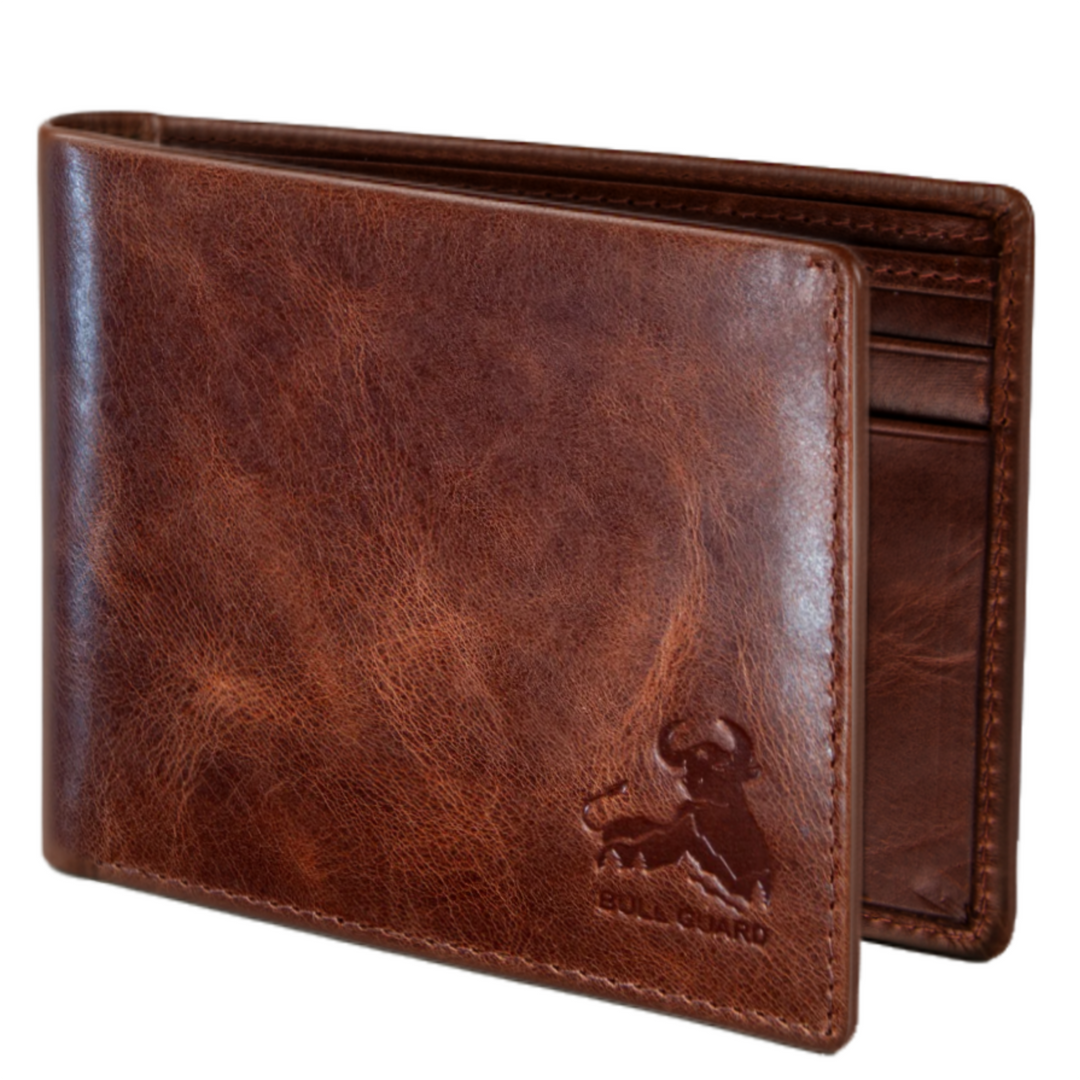
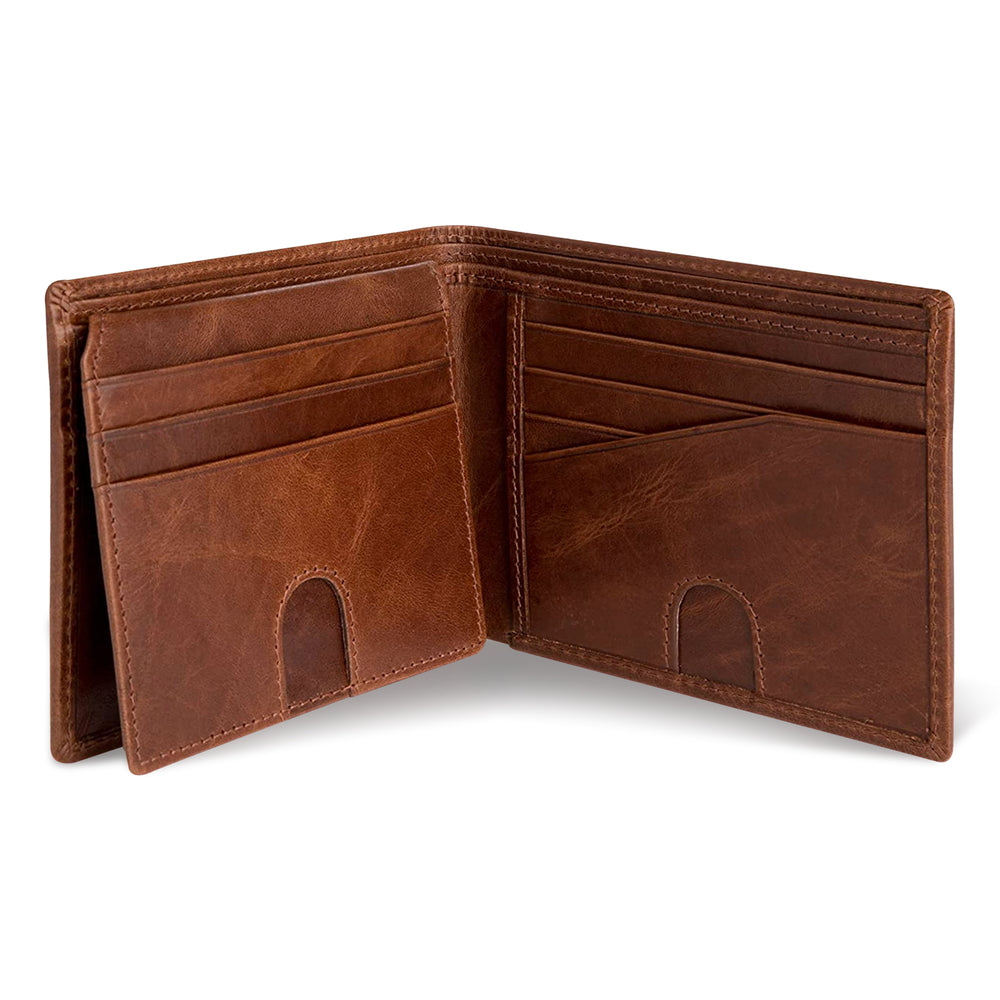
I'm Marcela, founder of Bull Guard, and I've spent years testing minimalist carry setups on city streets and mountain trails. The secret isn't deprivation, it's intentional selection of gear that becomes a natural extension of your life, developing character through daily use while keeping you prepared for what actually happens. For those seeking a wallet that adapts to both full and ultralight days, the Removable ID Wallet is a versatile choice.
What "Everyday Carry Minimalist" Really Means (and Why It Matters)
Simple Definition: Everyday Carry, Minimalist-Style
This philosophy centers on intentional essentials, not "carrying nothing." Every item must justify its weight and space by solving real problems you encounter regularly. At Bull Guard, we believe you should carry life boldly, but only what truly serves the life you're living.
Minimalist EDC vs "Just Carrying Less Stuff"
True minimalist EDC reduces friction in three ways: eliminating pocket pressure that affects posture, cutting decision time when grabbing essentials, and preventing the fumbling that happens when you can't quickly locate what you need. A typical transformation might reduce an 18-item pocket loadout to 7 purposeful pieces, or replace a kitchen-sink handbag with a compact crossbody that organizes everything by function.
The difference lies in curation based on actual scenarios, your real commute, work environment, and evening routines, rather than theoretical emergencies that rarely occur.
Core Principles in One Glance
- Less but better, Quality pieces that perform multiple roles
- Versatility first, Items that work in various settings
- Comfort and access, Organized for speed and body comfort
- Security and privacy, RFID protection and theft resistance
- Consistency, Same pockets, same layout every day
Who Everyday Carry Minimalism Serves Best
Urban commuters benefit from slim profiles that work in packed trains and fitted clothing. Travelers appreciate streamlined security checks and reduced risk of losing scattered items. Professionals in suits or fitted attire avoid unsightly bulges while maintaining access to payment cards, ID, and communication tools. Each scenario shares the same core need: organized capability without bulk.
The Philosophy Behind Minimalist Everyday Carry (Inside-Out, Not Outside-In)

From "More Prepared" to "More Present"
Carrying fewer items creates measurable psychological benefits: fewer decisions when leaving home, lighter physical load that improves posture, and increased mental presence because you're not constantly managing gear. Research on decision fatigue shows that reducing daily micro-choices preserves mental energy for important decisions throughout your day. For a deeper dive into the science behind decision fatigue, see this peer-reviewed study on cognitive load and self-control.
When you know exactly where your wallet, keys, and phone live, and trust that these three items handle 90% of your needs, you move through the world with quiet confidence rather than anxious checking.
Intentional Living in Your Pockets
Your pockets and bags reflect your priorities and habits more honestly than your words. Before adding any item, ask: "Does this support who I am and the life I want to live today?" A minimalist approach forces clarity about what matters versus what feels safe to have nearby.
Try this reflection: empty your current carry and pick up each item individually. Can you name the last three times you used it? If not, it's probably serving anxiety rather than function.
Quality Over Quantity: The Leather & Gear Mindset
Minimalists often upgrade fewer items instead of buying more, choosing pieces that improve with age rather than requiring replacement. At Bull Guard, we select full-grain and top-grain leathers for performance, hand-feel, and longevity, not just the label. Think of it like restaurants: the "cut" (full grain/top grain) matters, but the "chef" (tannery), ingredients, and preparation determine the final result.
You can feel quality in your hands. Well-made leather develops character through daily use, softening and shaping to your routine while gaining the patina that only comes from authentic materials and honest craftsmanship.
Minimalist EDC vs Traditional, Tactical, and Prepper Carry
Traditional EDC vs Everyday Carry Minimalist
Traditional "maximalist" EDC emphasizes redundancy and tool variety, often 15-20 items including backup batteries, multiple knives, extensive first aid, and heavy-duty belts or bags. When you choose everyday carry minimalist, you're shifting focus from "prepared for anything" to "optimized for daily reality."
The transformation is dramatic: cards drop from 12-16 to 4-8, total carry weight falls from 600g to 200-300g, and decision fatigue disappears when everything has a clear purpose. Where traditional EDC asks "what might I need," minimalist EDC asks "what do I actually use five days per week?"
Traditional setups still make sense for specific trades, rural living, or those whose daily work involves genuine tool requirements. But for urban professionals, commuters, and most daily scenarios, the minimalist edc approach eliminates pocket bulk while maintaining real-world functionality.
| Approach | Typical Item Count | Average Weight | Primary Goal | Ideal Environment |
|---|---|---|---|---|
| Traditional EDC | 15-25 items | 500-800g | Maximum preparedness | Variable, outdoor-heavy |
| Tactical/Survival | 20-35 items | 800g-2kg | Extreme scenarios | Military, emergency response |
| Minimalist EDC | 5-9 items | 200-350g | Daily life optimization | Urban, office, travel |
| Capsule Kit | 8-12 items | 300-500g | Compact versatility | Car/bag-based backup |
When Traditional EDC Still Wins
Certain lifestyles genuinely require expanded carry: electricians need multiple tools, parents of young children benefit from extra supplies, and those in rural areas face different daily challenges. The key is honest self-assessment, does your actual Tuesday require a tactical pen, backup flashlight, and emergency cash, or would those items serve you better in a car kit?
Traditional EDC vs Everyday Carry Minimalist
Traditional "maximalist" EDC emphasizes redundancy and tool variety, often 15-20 items including backup batteries, multiple knives, extensive first aid, and heavy-duty belts or bags. When you choose everyday carry minimalist, you're shifting focus from "prepared for anything" to "optimized for daily reality."
The transformation is dramatic: cards drop from 12-16 to 4-8, total carry weight falls from 600g to 200-300g, and decision fatigue disappears when everything has a clear purpose. Where traditional EDC asks "what might I need," minimalist EDC asks "what do I actually use five days per week?"
Traditional setups still make sense for specific trades, rural living, or those whose daily work involves genuine tool requirements. But for urban professionals, commuters, and most daily scenarios, the minimalist edc approach eliminates pocket bulk while maintaining real-world functionality.
Core Minimalist EDC Essentials: The 5-8 Items Most People Actually Need

The 5-Item Starting Point
- Phone – Communication, navigation, payments, emergency light
- Wallet – ID, 2-6 cards, small amount of folded cash
- Keys – House, car, essential access only
- Light source – Phone flashlight or micro LED
- Writing tool – Compact pen plus phone notes
Minimalist Wallet: Where the Real Transformation Starts
Downsizing your wallet delivers the highest-leverage improvement in any everyday carry minimalist setup. The shift to front-pocket carry eliminates posture problems, reduces pickpocket risk, and forces smart card curation. Target 4-8 cards maximum for daily use, with 3-10 folded bills instead of a thick cash wad.
Bull Guard's wallet categories align perfectly with minimalist principles. The Slim Minimalist Card Case with optional AirTag integration offers ultra-thin profile for essential cards only. The Slim Bifold Minimalist provides classic organization in a front-pocket friendly format. For those transitioning from traditional wallets, the Bifold Leather Wallet with Removable ID Insert offers flexibility, use the full wallet normally, or carry just the insert with 2 cards and 2 IDs for ultralight days.
Keys: From Jingle-Fest to Quiet, Flat Organization
Key management transforms comfort and noise. Problems include constant jingling, thigh pressure points, and phone screen scratches. A minimalist key setup targets 3-6 essential keys maximum, house, car, maybe office access. Stand at your door and count how many keys you actually used this past week; most people discover 2-3 unused keys immediately.
Organization matters as much as quantity. A slim key organizer or small split ring keeps everything flat and quiet, eliminating the traditional "key ball" that creates hot spots in pockets during long walks or commutes.
Phone: Your Multi-Tool in Disguise
Your phone consolidates multiple traditional EDC functions: ID storage, contactless payments, navigation, flashlight, note-taking, and communication. This consolidation enables dramatic pocket simplification, but creates a decision point between phone case wallets versus dedicated wallets.
The security argument favors separation, phone failure, theft, or dead battery shouldn't eliminate access to physical ID and backup payment cards. Most successful minimalist edc setups keep essential cards in a separate RFID-blocking wallet while using the phone for digital tasks.
RFID-Blocking: How It Works and Why It Matters in Minimalist EDC
Radio Frequency Identification (RFID) technology enables contactless payments and keyless entry, but it also creates vulnerability to electronic pickpocketing. When cards with RFID chips are scanned without your knowledge, through a bag, wallet, or pocket, criminals can capture payment data or clone access cards. This happens silently, often in crowded spaces like subway platforms or busy sidewalks.
RFID-blocking wallets work by creating a Faraday cage effect, using materials that block electromagnetic fields. When properly integrated, this protection adds virtually no bulk to a minimalist setup. Bull Guard incorporates RFID-blocking technology across all wallets and crossbodies without compromising the slim profiles that everyday carry minimalist enthusiasts demand.
Real-world scenarios where RFID protection proves essential include commuter gates that might accidentally read multiple cards through your wallet, hotel key cards that could be duplicated, and Tesla key cards that shouldn't unlock vehicles through your pocket. As one Bull Guard customer noted: "RFID works, cards unread when closed," confirming the protection functions reliably in daily use.
The beauty of integrated RFID blocking is its invisibility. You carry the same number of cards in the same slim profile, but with an additional layer of security that works automatically. No extra steps, no bulk, no compromise to your minimalist principles. For more on the origins and philosophy of EDC, see this overview of everyday carry.
Pocket-Only Minimalist Carry vs Crossbody or Sling: Which Is Right for You?
When Pocket-Only Carry Shines
Pocket-only setups excel for short outings, office environments with desk storage, and situations requiring formal attire. The sweet spot sits around 5-8 total items distributed across front pockets, avoiding the back-pocket bulk that creates posture issues and pickpocket vulnerability.
Success depends on dedicated pocket assignment: phone alone in one pocket, slim wallet and keys sharing another only when both items maintain minimal profiles. The Slim Minimalist Card Case or Slim Bifold Minimalist from Bull Guard are specifically designed for this front-pocket strategy, offering RFID protection without the thickness that disrupts pocket lines. For more tips on organizing your minimalist EDC, check out our guide on card cases.
When a Minimalist Sling or Crossbody Is the Better Choice
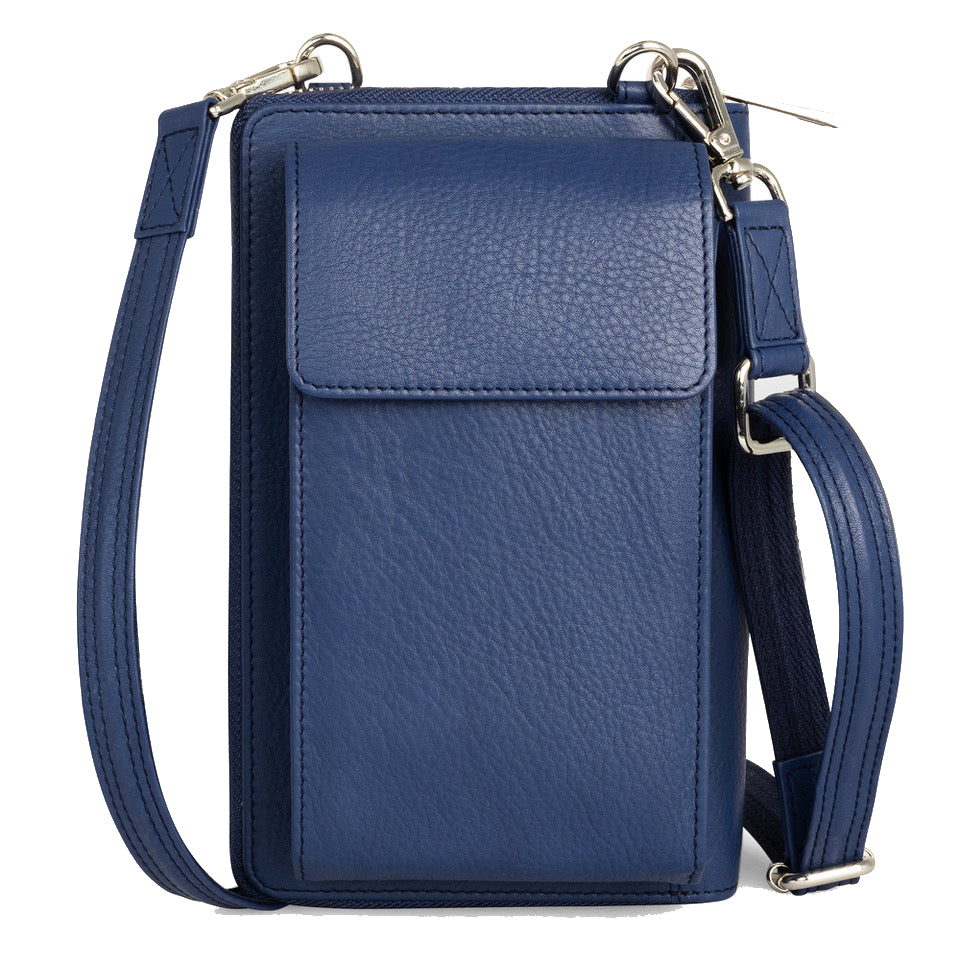
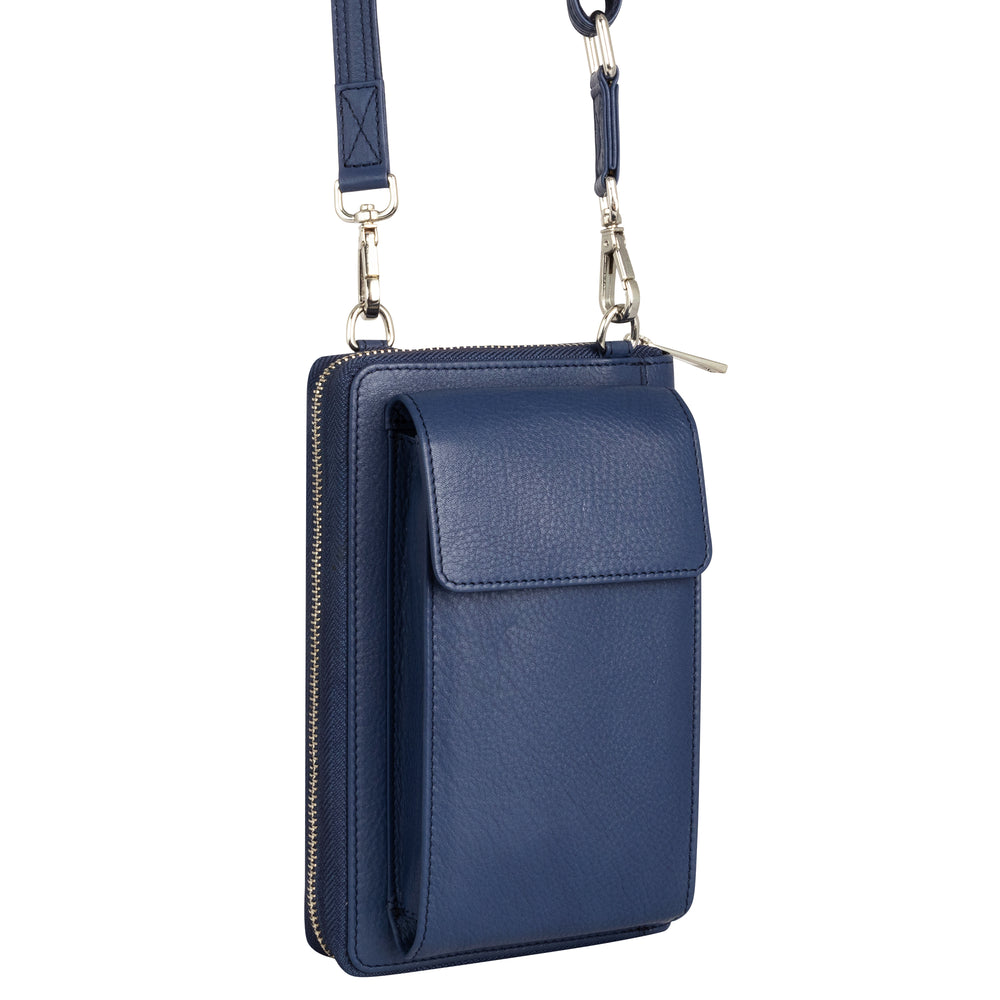
Crossbody carry solves the fundamental problems of modern clothing: shrinking pocket sizes, delicate fabrics, and the need for hands-free movement. The Ladies' Crossbody Leather Cell Phone Purse Wallet transforms from accessory to organized command center, fitting phone, essential cards, cash, and keys without becoming a traditional "big purse."
Both Regular and XtraRoom sizes accommodate passports, crucial for travel, while the slash-proof adjustable strap ensures security and comfort across different body types and outfit styles. This approach particularly benefits parents, dog walkers, photographers, and anyone who needs quick access while keeping hands available.
Quick Decision Framework
- Choose pocket-only if: You carry 8 or fewer items, wear clothing with adequate front pockets, and prefer invisible carry
- Choose crossbody if: You regularly need 9+ items, frequently wear fitted clothing, or require hands-free movement
- Consider both: Pocket setup for short trips, crossbody for longer days or travel
Security and Comfort Considerations
Front-pocket carry offers natural theft resistance, harder to access without your awareness, but crossbody worn across the chest provides even better security in crowded environments. The key difference lies in weight distribution: pockets concentrate pressure on specific points, while a quality crossbody distributes load across the shoulder and torso.
For minimalist practitioners, the choice often comes down to consistency. Pick the method that works across 80% of your daily scenarios, then adapt for outliers rather than constantly switching systems.
Everyday Carry Minimalist for Different People: Men, Women, and Everyone In Between

Minimalist EDC for Men
Men's clothing typically provides consistent front-pocket real estate, making slim wallets particularly effective. The Airtag Leather Card Holder Wallet for Men handles 4-6 cards plus folded cash in a profile thin enough for dress pants or jeans. For those preferring traditional wallet shapes, the Bifold with Flip Up ID maintains classic aesthetics while encouraging slimmer contents.
A typical male minimalist setup might include: phone, wallet with 6 cards and folded bills, 3-4 keys, and a small flashlight or pen. The goal remains consistent front-pocket carry that doesn't create visible bulges or pressure points during long sits. For more inspiration on minimalist carry setups, explore our article on slim & thin wallets.
Minimalist EDC for Women
Women's clothing presents unique challenges, pocket sizes vary dramatically, dresses often lack pockets entirely, and social expectations sometimes assume purse carry. The Regular Crossbody Wallet Phone Purse bridges these gaps elegantly, functioning as both phone case and organized wallet.
The Regular size accommodates most smartphones plus 5-7 cards, cash, and small essentials like lip balm or keys. XtraRoom adds space for larger devices or items like sunglasses and hand sanitizer. Both sizes fit passports, making them ideal for travel or situations requiring multiple forms of identification.
Shared Principles
Regardless of gender or style, the core of everyday carry minimalism is intentionality, choosing what you truly need, organizing it for comfort and security, and letting your essentials become trusted companions that support your boldest days. Whether you prefer pockets, crossbody, or a blend of both, the Bull Guard philosophy is simple: carry life boldly, and let your gear reflect your strength and story.
Frequently Asked Questions
What criteria should I use to select the 5-8 items for a minimalist everyday carry setup?
Choose items you use regularly, at least twice a week, that solve real, everyday problems. Prioritize quality, functionality, and ease of access, ensuring each piece complements your lifestyle without adding unnecessary bulk or complexity.
How does minimalist everyday carry reduce decision fatigue and improve daily efficiency?
By limiting your essentials to a consistent, purposeful set, you eliminate the clutter and guesswork that slow you down. This streamlined approach makes it faster to find what you need, reduces pocket bulk, and helps you move through your day with confidence and ease.
What are the benefits of using RFID-blocking wallets in a minimalist EDC system?
RFID-blocking wallets protect your personal information from electronic theft without adding bulk, making them ideal for minimalist carry. They offer peace of mind by securing your cards while maintaining a slim profile that fits seamlessly into your everyday setup.
How can everyday carry minimalism be adapted for different lifestyles, such as urban commuting versus travel?
Minimalist carry adapts by focusing on essentials tailored to your environment, urban commuters might prioritize slim wallets and quick-access keys, while travelers benefit from crossbody purses with passport space and secure compartments. The key is intentional selection that fits your daily rhythm and activities, keeping you prepared without excess.