

Key Takeaways
- Debossed leather features subtle indentations pressed into the leather's grain.
- This technique creates tactile impressions that feel personal and understated.
- Unlike embossing or printing, debossing is recessed rather than raised.
- The character of debossed leather deepens as it develops a unique patina over time.
- Daily use enhances the story told by the texture of debossed leather items.
Table of Contents
- What Debossed Leather Really Is (And Why It Feels So Good in the Hand)
- How Debossing Works on Leather Step by Step
- Best Leathers for Debossing (And Why Bull Guard Chooses Full- and Top-Grain)
- Debossed Leather in Everyday Life: Wallets, Crossbodies, and Beyond
- How to Deboss Leather at Home (Safely and Realistically)
- Debossed Leather vs. Other Marking Methods: Which Is Right for You?
- Caring for Debossed Leather So the Impression Lasts
Debossed Leather: The Quiet Detail That Makes Leather Feel Truly Personal
When you run your fingertip across quality debossed leather, you feel the story, a subtle indentation that speaks without shouting. Unlike raised embossing or surface printing, debossing presses designs into the leather's grain, creating tactile impressions that deepen with character as your wallet or crossbody purse develops its unique patina over months of daily carry.
This understated technique transforms premium full-grain and top-grain leather into something distinctly yours, whether it's discreet initials on a bifold wallet's interior or a small logo that serves as an orientation guide when reaching for your crossbody purse in dim light. The best debossed leather feels intentional yet humble, exactly the philosophy behind every Bull Guard creation.
What Debossed Leather Really Is (And Why It Feels So Good in the Hand)
Clear Definition of Debossed Leather
Debossed leather features designs pressed 0.3 to 0.8 millimeters down into the grain surface, deep enough to feel with your fingertip, subtle enough to maintain sleek pocket carry. The process combines controlled heat (90-130°C), precise pressure, and brief contact time (1-5 seconds) to permanently reshape the leather fibers without adding bulk or thickness.
In 15 seconds: What is debossed leather?
Leather with designs pressed into the surface rather than printed on top or raised above. You can feel the impression with your eyes closed, that's quality debossing done right.
Debossed vs. Embossed vs. Printed
Debossing creates recessed impressions you can trace with your finger, while embossing raises patterns above the surface, often requiring backing material that adds unwanted bulk to slim wallets. Printed designs sit flat on the leather's surface with no texture change, relying purely on color contrast that can fade with pocket friction.
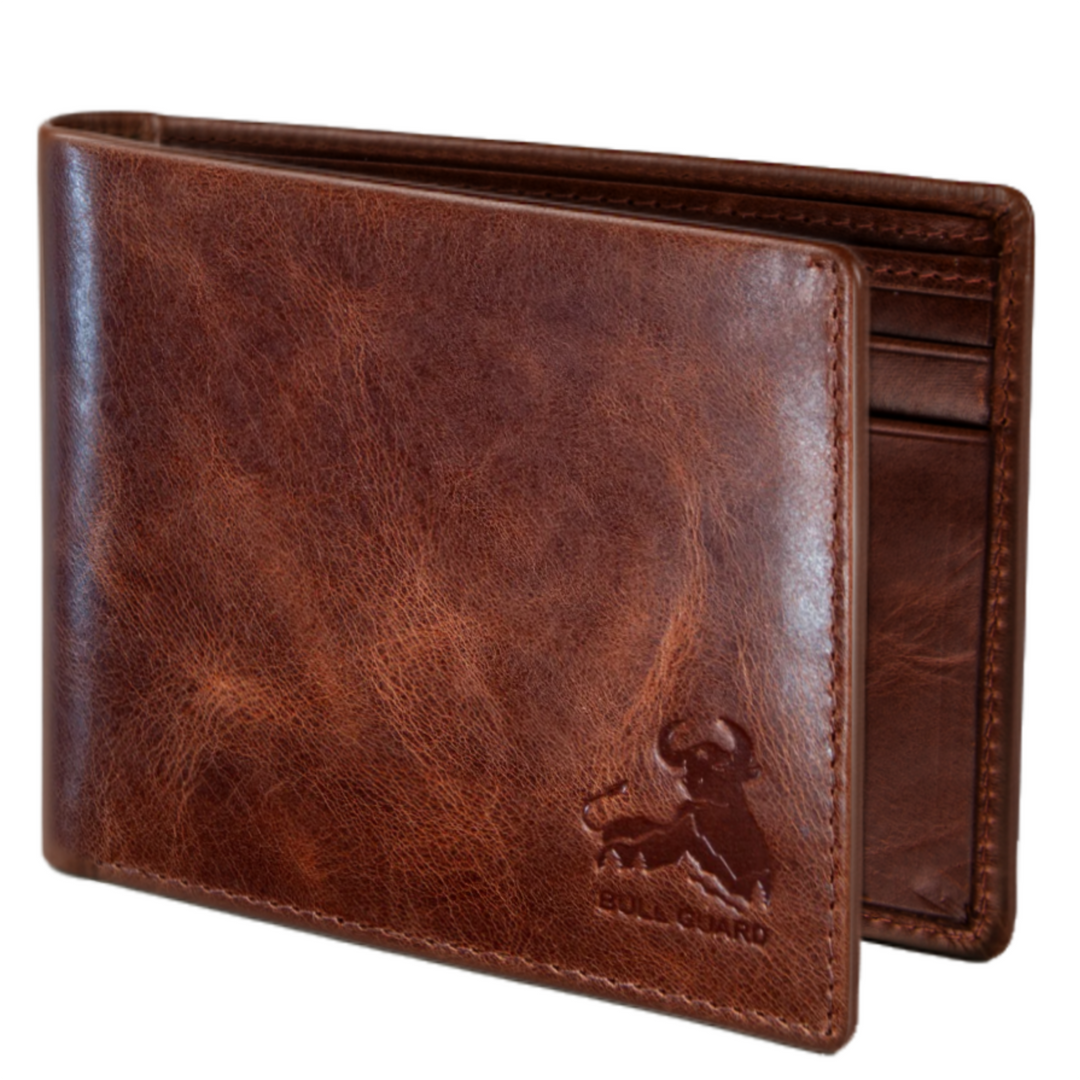
Bull Guard favors subtle debossing for logos and monograms because the technique aligns with our quiet confidence philosophy. No snagging on fabric, no added thickness compromising RFID protection layers, just clean impressions that remain readable even as rich patina develops over 6 to 24 months of authentic use.
How Debossing Works on Leather Step by Step

The Core Ingredients, Leather, Die, Heat, and Pressure
Quality debossing starts with firm, well-finished full-grain or top-grain leather between 1.2 and 1.8 millimeters thick, dense enough to hold crisp edges, flexible enough for daily wallet use. Brass or hardened steel dies carry the design, etched 0.5 to 1.0 millimeters deep with precise tolerances that translate to clean impressions on finished goods.
Heat activation ranges from 80°C for matte finishes to 140°C for heavily coated leathers, while pressure varies from small hand presses for initials to hydraulic systems for consistent logo placement. Even pressure distribution across the entire design prevents partial impressions that look amateur and wear poorly over time.
The Debossing Sequence (From Blank Panel to Finished Wallet)
- Cut and edge-finish leather panel to final dimensions
- Test stamp on scrap from the same hide to calibrate temperature and pressure
- Position die using registration marks with ±1-2mm tolerances for small goods
- Apply controlled heat and pressure for 1-3 seconds on finished leather, up to 5 seconds for vegetable-tanned
- Allow 30-60 second cooling period before handling or assembly stitching
Professional makers stamp panels before final wallet assembly, ensuring crisper results without interference from internal RFID layers or card slot reinforcements that could create uneven backing during the impression process.
Best Leathers for Debossing (And Why Bull Guard Chooses Full- and Top-Grain)
How Leather Structure Affects a Deboss
Dense, tight fiber structures yield crisp-edged impressions that stay sharp through years of daily carry, while heavily corrected leathers produce gentler, more diffused marks that may blur as the surface coating flexes. The ideal thickness range for wallets and crossbodies falls between 1.0 and 2.0 millimeters, thick enough for readable depth, slim enough to avoid pocket bulk.
beyond-rankings">Full-Grain, Top-Grain, and Vegetable-Tanned, Beyond Simple Rankings
Think of leather quality like dining: the "cut" (full-grain versus top-grain) matters, but the "chef" (tannery expertise), ingredients (hide selection), and preparation (tanning method) determine the final result. Two leathers with identical grade labels can perform completely differently under the debossing die and through months of real-world use.
Bull Guard specifies premium full-grain or top-grain hides from trusted tanneries not because of grade hierarchy, but for consistent deboss depth and long-term legibility as natural patina develops. Vegetable-tanned leathers, in particular, respond beautifully to debossing, holding impressions that become more distinguished as the leather ages and darkens with use.
For more on what makes real leather ideal for debossing and daily use, explore our in-depth guide.
Debossed Leather in Everyday Life: Wallets, Crossbodies, and Beyond
Men's Wallets, Subtle Strength for Everyday Carry
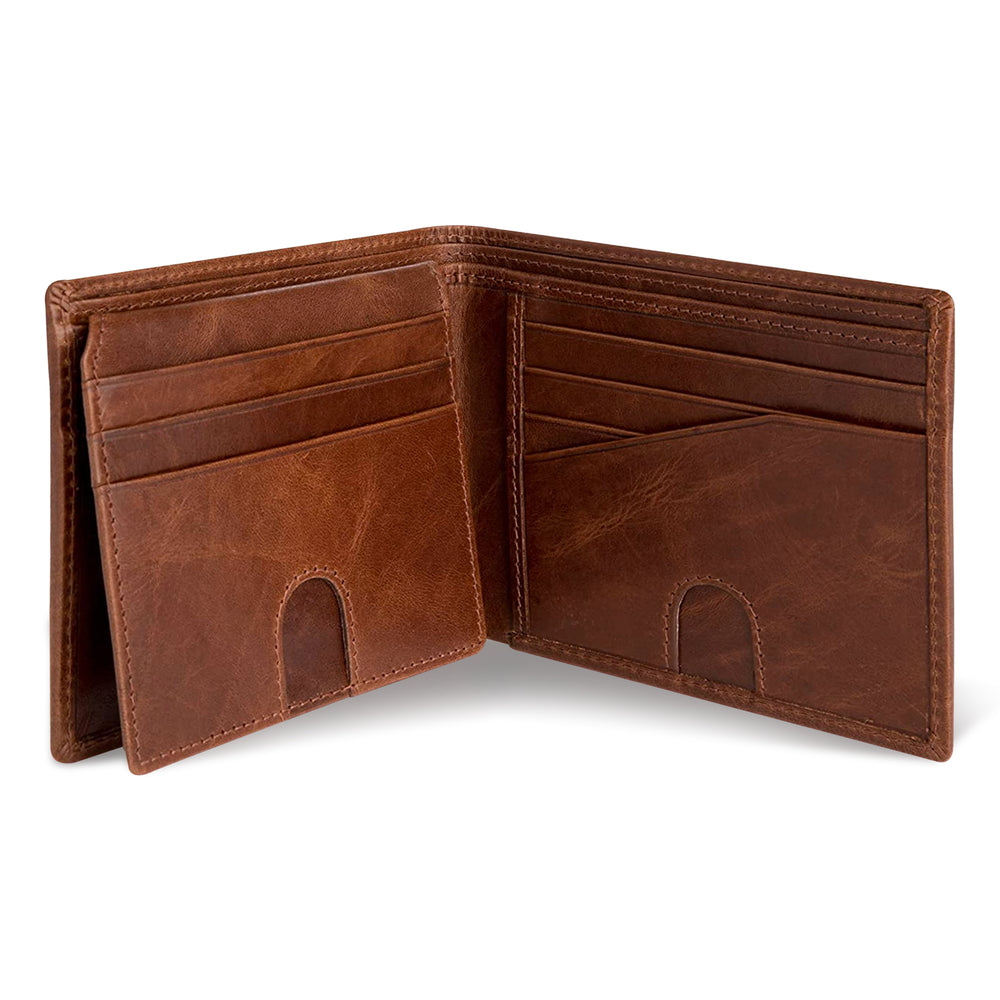
Bull Guard's men's wallet collection, from the classic Bifold with Flip Up ID to the ultra-slim Minimalist Card Case, uses debossed details strategically. Small logos appear at corners or interior panels, while initials can be placed on inside billfolds or removable ID inserts. This placement ensures the mark stays protected while remaining visible during daily use. For professionals like our RFID Developer Duck, a debossed brand mark confirms authenticity and orientation without adding bulk that interferes with scanner testing. Alpha Rick appreciates how a debossed bull logo projects quiet strength rather than flashy branding.
Ladies' Crossbody Leather Cell Phone Purse Wallets
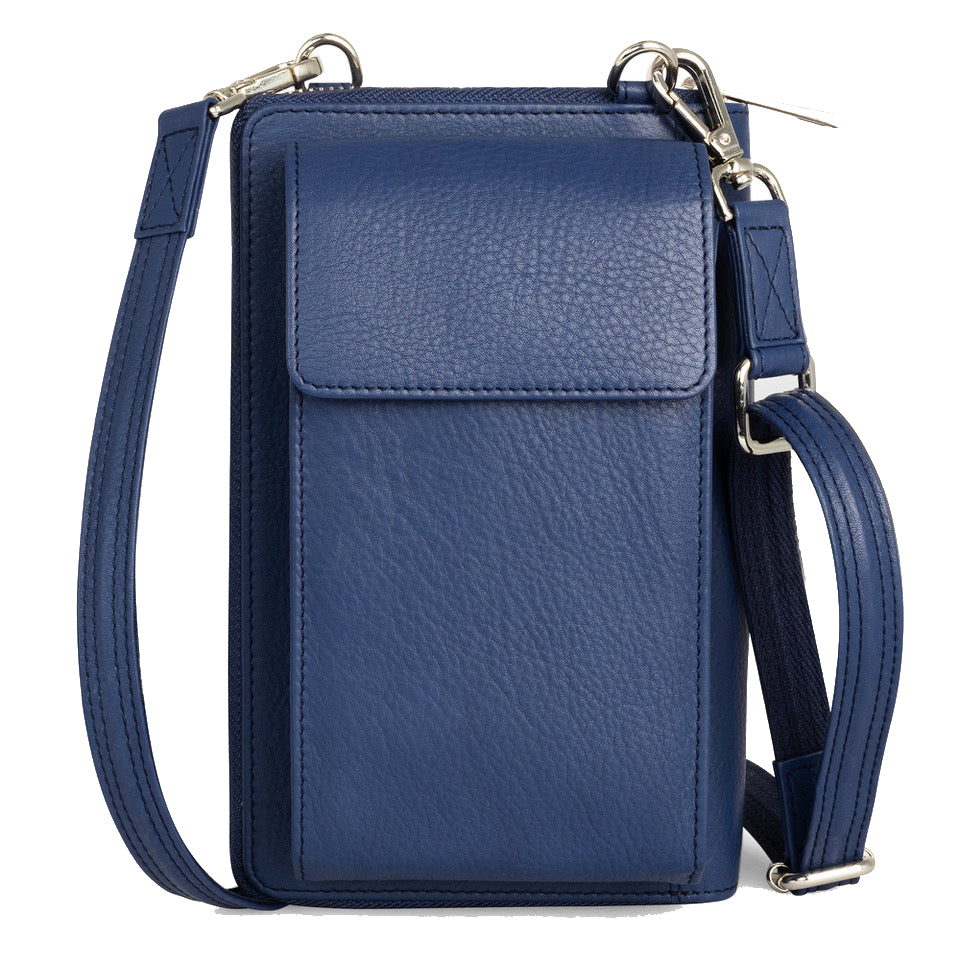
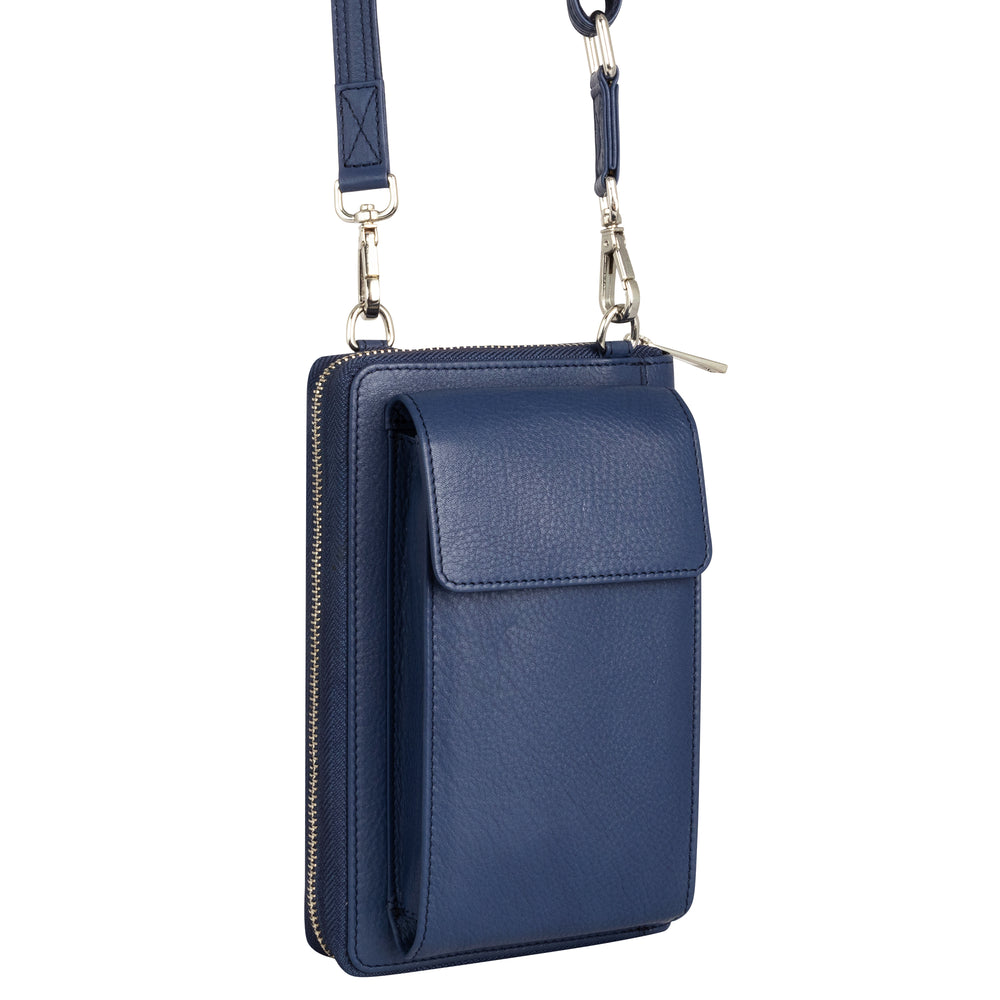
On Bull Guard's crossbody purses, debossed logos typically appear on front flaps, back panels, or interior tags where they complement rather than compete with personal style. The technique pairs naturally with slash-resistant straps and YKK zippers to create understated luxury. Hands-Free Annie notices her front-panel deboss every time she zips the purse closed during walks, while Luxury-to-Everyday Jennifer values how the debossed logo maintains its refined appearance through flights, meetings, and weekend errands without looking worn or cheap.
Gifting and Storytelling Through Debossed Details
Debossed initials or meaningful dates transform functional leather goods into personal treasures. Consider 2-3 character monograms on the inside corner of a billfold, anniversary dates on crossbody interior panels, or small symbols like coordinates marking special places. These details create premium-feeling gifts under $30, perfect for customers like Allison the Practical Giver, who wants real leather quality, or Great Shopper Jazlynn, seeking gifts that exceed big-brand expectations. The impression deepens with use, making the story more personal over time.
If you want a removable ID wallet or a leather card holder with Airtag as a thoughtful gift, Bull Guard offers several debossed options.
How to Deboss Leather at Home (Safely and Realistically)

Minimum Setup for Simple Home Debossing
Start with basic alphabet stamp sets, a solid granite or thick steel surface, and a household iron or small craft heat press. Work only with scrap vegetable-tanned or firm top-grain leather pieces, never attempt debossing on finished wallets with liners and RFID layers. Essential safety gear includes heat-resistant gloves and proper ventilation, as heated leather can release fumes.
Simple Step-By-Step for a Single-Line Monogram
For vegetable-tanned leather, lightly mist the surface and let it absorb for 3-5 minutes until the surface returns to matte. Pre-heat your metal stamp for 60-90 seconds, then press straight down with both hands for 3-5 seconds without rocking. Let the leather cool for 1-2 minutes before flexing to check the impression. Always mark center lines with removable pencil and test on scraps first, heat and pressure settings vary significantly between leather types.
When to Leave It to Professionals
Avoid home debossing on very soft chrome-tanned leather, coated fashion leathers, or any finished wallets with liners and RFID layers. Overheating can bubble protective finishes or compromise RFID blocking within 1-2 seconds of excessive heat contact. For Bull Guard wallets and crossbodies, professional personalization services ensure the debossed leather maintains its protective features and warranty coverage rather than risking damage to carefully engineered layers.
For more tips on choosing a durable leather wallet for everyday use, see our resource guide.
Debossed Leather vs. Other Marking Methods: Which Is Right for You?
What We're Comparing and Why
Four primary marking methods dominate leather goods: debossing, embossing, laser engraving, and screen printing. Each affects durability, tactility, visual subtlety, and thickness differently, crucial factors for wallets and crossbodies that must perform through years of daily pocket carry and handling.
| Method | Durability | Feel | Visual Impact | Adds Bulk | Best For |
|---|---|---|---|---|---|
| Debossing | Excellent (5+ years) | Smooth recessed texture | Subtle, elegant | None | Slim wallets, crossbodies |
| Embossing | Good (3-5 years) | Raised texture | Bold, prominent | 0.2-0.5mm | Thick belts, large bags |
| Laser Engraving | Very Good (4+ years) | Slightly rough if over-burned | High precision, high contrast | None | Detailed graphics, text |
| Screen Printing | Fair (1-2 years) | Flat, smooth | Vibrant colors | Minimal | Temporary designs, fashion |
Key Differences in Real-World Use
Debossed leather wears with natural patina rather than against it, maintaining legibility for many years without chipping or fading. The recessed design creates no snag points for tight pockets. Laser engraving offers exceptional precision but may feel rough if power settings burn too deeply into the surface. Screen printing provides unlimited color options but typically chips at wallet corners after months of friction. Embossing works beautifully on thick leather goods but adds unwanted height to ultra-slim card holders where every millimeter matters.
For a deeper dive into the process, see this external resource on embossing.
Why Bull Guard Leans on Debossed Details
Debossed leather aligns perfectly with Bull Guard's authentic, understated approach, never shouting for attention but always delivering quality you can feel. The technique works seamlessly with RFID layers, slim silhouettes, and crossbody phone compartments without compromising function. When customers like Practical Lee or Security-Conscious ZuSu run their fingers across a Bull Guard wallet, the debossed logo provides that immediate "quality in your hands" confirmation without adding bulk or visual noise.
If you prefer a magnetic money clip card case or a classic leather trifold, both options feature debossed details for lasting style.
Caring for Debossed Leather So the Impression Lasts
Daily Habits That Protect the Debossed Area
Wipe spills within 2-3 minutes using a soft, dry cloth, avoid prolonged soaking that can blur impression edges. Keep debossed leather away from sustained direct sun exposure like car dashboards or window ledges, which accelerate drying and potential fading over months. Rotate pocket carry between front and back positions to prevent compression wear on a single area, especially important for wallets with corner logo placement.
Conditioning Without Blurring the Design
Use a pea-sized amount of neutral leather conditioner for a full wallet face, spreading thinly with fingers or soft cloth. Work around deeply debossed logos first, then lightly pass across the design at the end to avoid over-saturating the recessed area. Let the conditioner absorb for 10-15 minutes before buffing gently. Repeat every 3-6 months depending on climate and daily use intensity.
For more on classic styles, check out our article on the classic trifold leather wallet style.
Common Issues and Simple Fixes
When debossed leather looks shallower after a year, this typically indicates natural compression and patina development rather than quality failure, check legibility at different light angles before assuming damage. Remove fine dust from recesses using a soft, dry brush or clean cotton swab without soaking the groove. Address minor surface dryness or hairline creases near logos with spot-conditioning using half a pea-sized amount of conditioner, letting it rest overnight before use.
Quick Check: Does conditioning erase a deboss? No, proper conditioning actually helps preserve the impression by keeping leather fibers flexible. Will patina hide initials? Quality debossed leather becomes more distinguished with age, not less readable. For a broader overview of leather as a material, see this external resource.
Frequently Asked Questions
What distinguishes debossed leather from embossed and printed leather in terms of texture and durability?
Debossed leather features recessed impressions pressed into the leather's grain, creating subtle indentations you can feel with your fingertip. In contrast, embossed leather raises patterns above the surface, often adding bulk, while printed leather sits flat without texture changes. Debossing maintains the leather's slim profile and durability by reshaping fibers without adding thickness.
Why are full-grain and top-grain leathers preferred for debossing, and how do their qualities affect the final product?
Full-grain and top-grain leathers are preferred for debossing because their dense, high-quality fibers respond well to heat and pressure, allowing for clear, lasting impressions. Their durability and natural grain develop a unique patina over time, enhancing the tactile depth and personal character of the debossed design.
How does the debossing process work step by step, including the role of heat, pressure, and the type of die used?
Debossing involves pressing a heated metal die into the leather surface using precise pressure and brief contact (1-5 seconds) at temperatures between 90-130°C. The die reshapes the leather fibers by pressing them down 0.3 to 0.8 millimeters, creating a permanent recessed design without adding bulk or damaging the leather.
What are the best practices for caring for debossed leather to ensure the impressions remain clear and the leather develops a rich patina over time?
To care for debossed leather, clean it gently with a soft cloth and mild leather conditioner to maintain suppleness without filling the impressions. Regular use encourages a natural patina that deepens the debossed texture, while avoiding harsh chemicals or excessive moisture preserves both the leather and its subtle indentations.