

Key Takeaways
- A bag sizer is essential for ensuring your luggage meets airline size requirements.
- Using a bag sizer helps travelers pack smarter and avoid last-minute gate stress.
- Properly sized bags reduce the risk of damage and inconvenience during travel.
- Understanding bag sizer rules contributes to more efficient and hassle-free journeys.
Table of Contents
Why Baggage Sizers Matter Beyond the Airport Gate
Picture this: you're rushing to catch a connecting flight, wheeling what you thought was a perfectly sized carry-on, only to watch a gate agent point toward the dreaded metal frame in the corner. Your heart sinks as other passengers shuffle past, eyeing your predicament with a mix of sympathy and relief that it's not them facing potential baggage fees.
But here's what most travelers miss, bag sizer encounters aren't just arbitrary airline obstacles. They're actually gateways to smarter packing, reduced travel stress, and better protection for your belongings. When you understand how these dimensional gatekeepers work, you unlock a systematic approach to travel organization that extends far beyond avoiding fees.
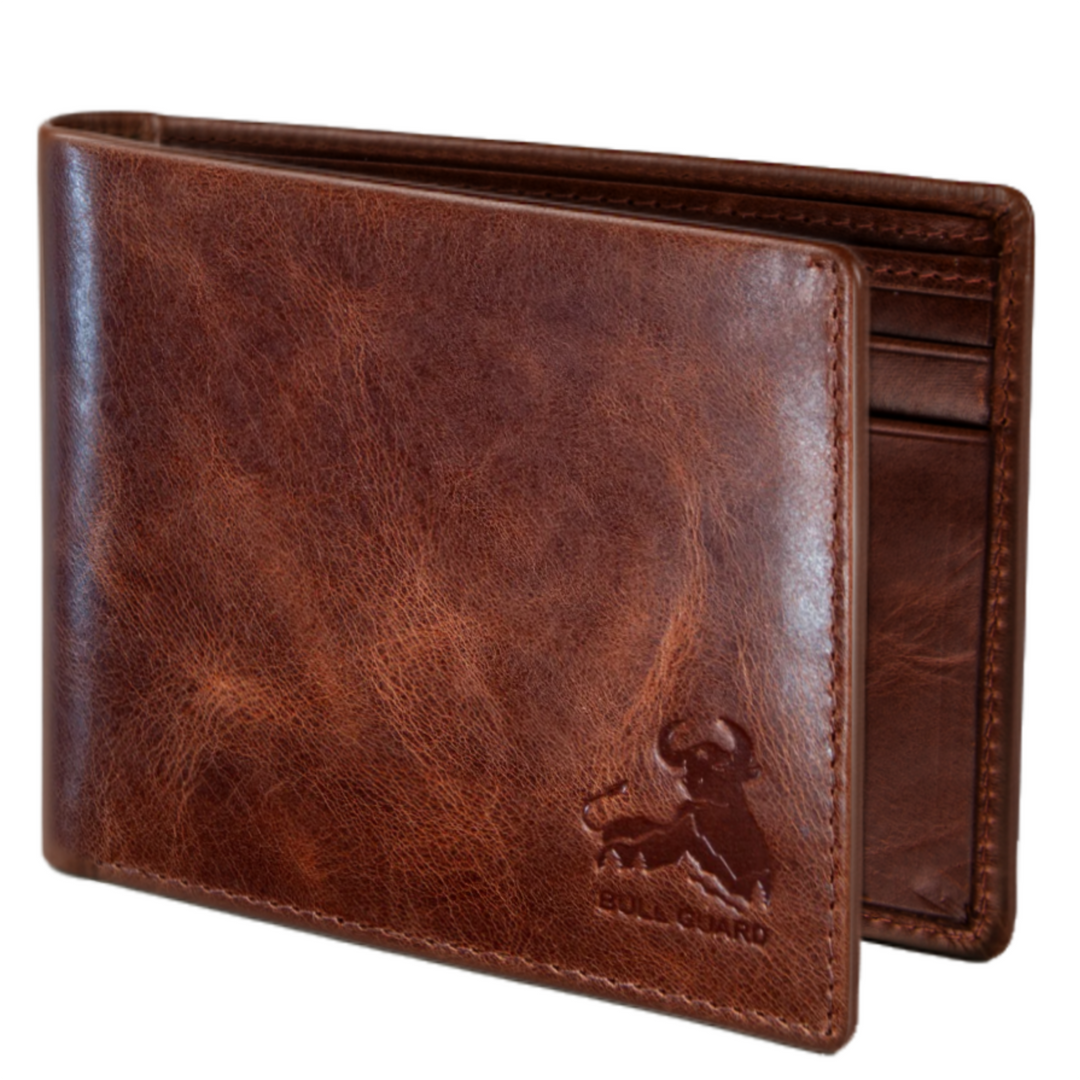
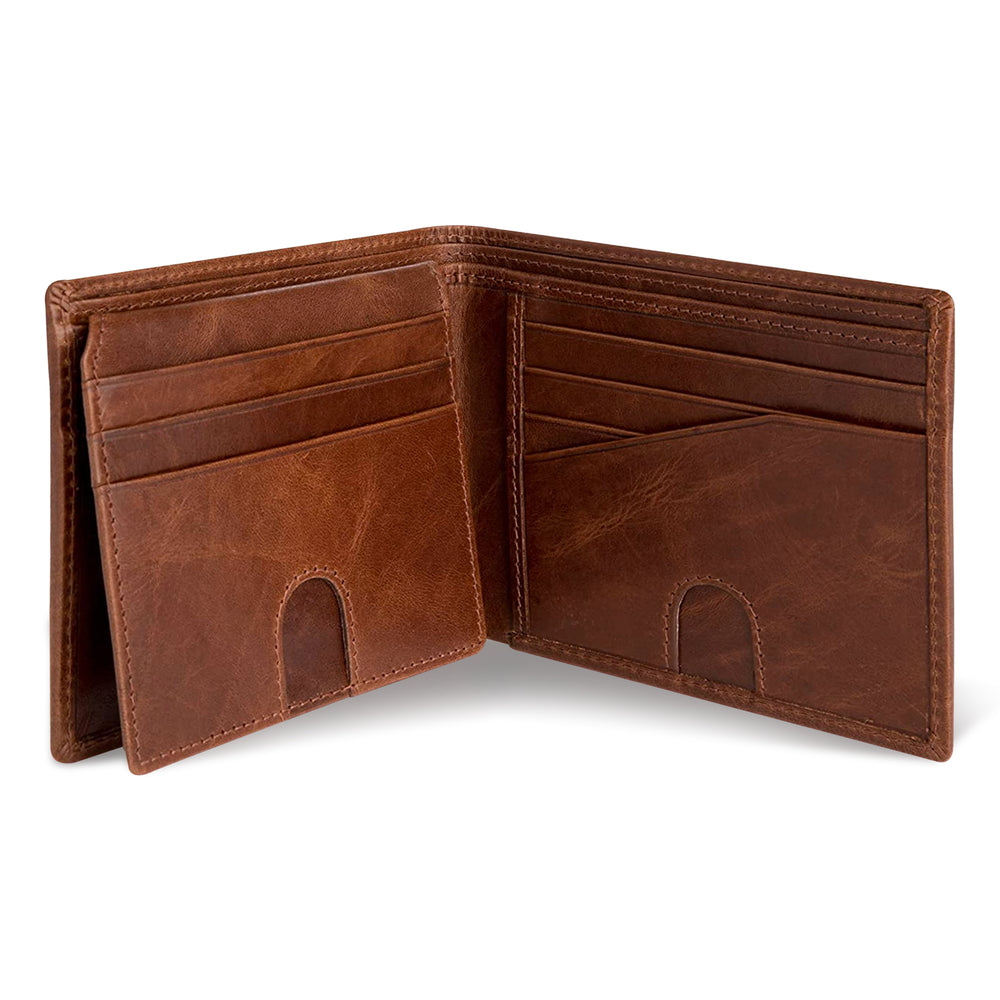
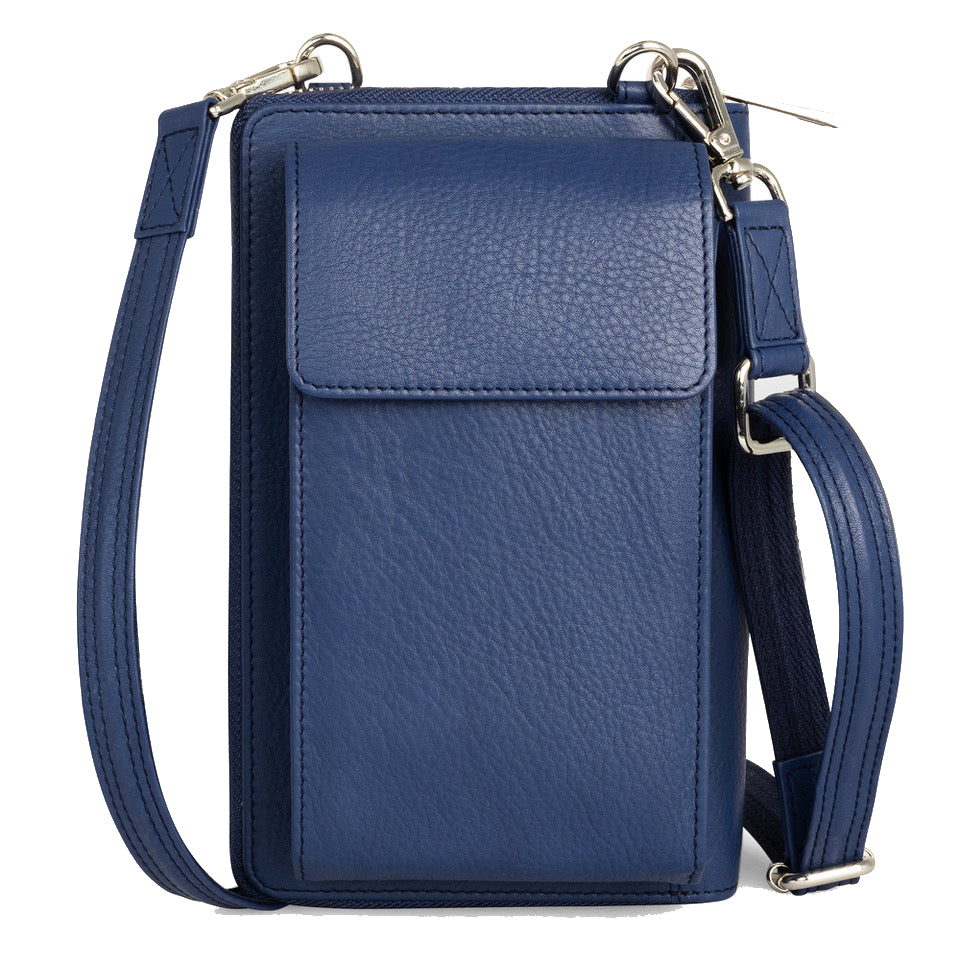
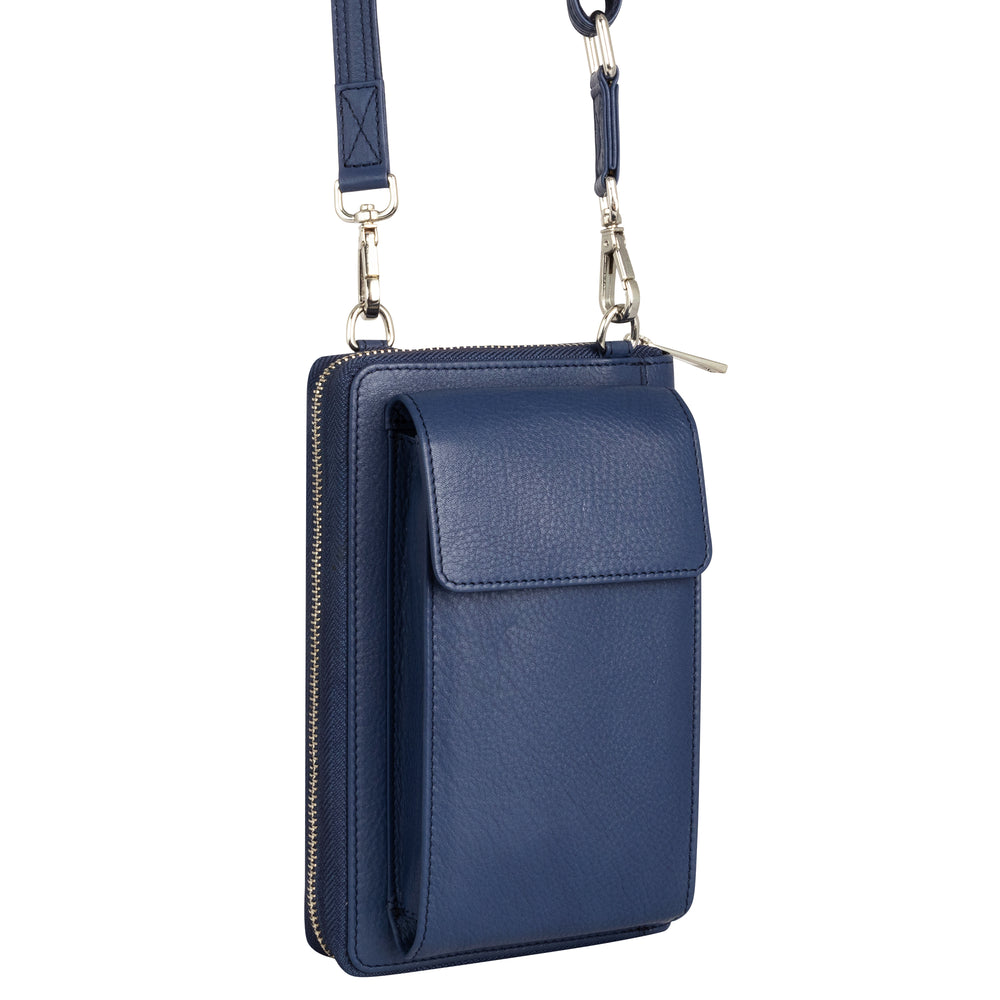
The smartest travelers I know treat baggage compliance as part of a broader philosophy: intentional packing with quality, compact accessories that maximize space while keeping essentials secure and organized. A slim RFID wallet instead of a bulky bifold. A crossbody phone purse that keeps hands free while protecting valuables. These aren't just style choices, they're strategic decisions that work harmoniously with luggage restrictions while elevating your entire travel experience.
At Bull Guard, I've seen how the right compact accessories integrate seamlessly with efficient packing strategies, turning what feels like restrictive airline policies into opportunities for more organized, stress-free journeys. For travelers seeking a minimalist solution, the Slim Leather Wallet is a top pick for keeping essentials secure without adding bulk.
What Is a Baggage Sizer and How Does It Actually Work?

The Physical Design: What You're Really Putting Your Bag Through
A bag sizer is essentially a three-dimensional metal or aluminum frame designed to test whether your luggage fits within airline-specified dimensions, typically 22" × 14" × 9" for most US carriers. The frame tests all three dimensions simultaneously, creating an unforgiving boundary that your bag must clear completely.
The difference between open-frame and caged designs matters more than most travelers realize. Open-frame sizers allow slight wheel or handle protrusion, while caged designs demand that every part of your bag, including wheels, handles, and exterior pockets, fits entirely within the frame. Airlines choose their sizer style based on overhead bin configurations and enforcement philosophy.
For more insights on how different types of bags interact with sizers, check out this guide on satchels and bags and their travel applications.
How Weight Integration Changes the Game
Modern airport baggage sizer stations increasingly include integrated scales, recognizing that weight matters as much as dimensions. Most carriers limit carry-on weight to 7-10 pounds, driven by fuel efficiency calculations and structural limits of overhead compartments.
This dual enforcement, size AND weight, catches travelers who assume dimensional compliance guarantees approval. A bag might slide perfectly through the sizer frame but trigger rejection on the scale, especially when packed with electronics, books, or travel-sized toiletries that add up quickly.
Why Accuracy and Enforcement Vary
Airlines submit approved baggage programs to the FAA, but enforcement varies dramatically by carrier, airport, and even individual gate agents. Alaska Airlines maintains notoriously strict dimensional enforcement, while Southwest tends toward leniency. This inconsistency creates the frustrating scenario where identical bags pass at one gate but fail at another.
Regional differences compound the confusion, international carriers often use slightly different sizer dimensions, and some airports maintain older sizer models with marginally different tolerances. Understanding these variations helps explain why experienced travelers always pack conservatively, building in buffer space rather than pushing dimensional limits.
Types of Baggage Sizers and Their Specific Applications
Standard Frame Sizers: The Airport Workhorse
Fixed-dimension metal frames represent the most common bag sizer design, built for high-traffic durability as thousands of bags pass through daily testing. These workhorses feature either caged construction (complete enclosure) or open-frame design (testing dimensions without full containment).
The durability factor matters because repeated use can slightly alter frame dimensions, older sizers may develop marginally looser tolerances, while newer installations maintain stricter measurements. Savvy travelers can pre-test at home by measuring their packed bag against a comparable frame using cardboard boxes or wooden boards cut to exact airline specifications.
If you want to ensure your bag passes every time, consider pairing it with a leather card holder wallet for men, which keeps your essentials organized and easy to access at security checkpoints.
Portable and Wheeled Sizers: Flexibility for Security Checkpoints
Mobile sizers on wheels provide operational flexibility in congested terminals where fixed placement isn't practical. TSA checkpoints and international terminals often deploy these portable units, repositioning them based on traffic flow and staffing levels.
The trade-off involves slightly less rigid enforcement, wheeled sizers can shift during testing, potentially allowing marginally oversized bags to pass. However, they're particularly useful in PreCheck lanes where rapid processing demands efficient bag verification without permanent infrastructure.
Expanded-Use Sizers: Beyond Aviation
Sports stadiums, concert venues, and theme parks have adopted sizer technology for clear-bag policies and security protocols. NFL stadiums use modified frames designed for transparent bags, while Disney parks employ compact sizers for locker compatibility testing.
Government buildings and entertainment venues customize sizer dimensions for their specific security requirements, often smaller than airline standards. Understanding venue-specific policies before arrival prevents the frustration of repacking at security checkpoints or missing event starts due to bag compliance issues. For more on the craftsmanship behind quality bags, see our article on bag makers and their techniques.
DIY and Budget Alternatives: Home Measurement
Creating a home testing frame requires minimal materials: cardboard boxes, wooden boards, or even tape measures arranged to airline specifications. The key involves measuring your packed bag exactly as you'll travel, empty bags compress differently than loaded ones.
DIY methods fall short when testing soft-sided bag flexibility or accounting for wheel protrusion, but they provide valuable baseline measurements. Construct a simple frame using 22" × 14" × 9" interior dimensions, then test your fully packed bag while applying gentle pressure to simulate sizer insertion.
Airline Baggage Policies Decoded: Why One Size Does NOT Fit All
Airlines operate under different aircraft configurations, fuel efficiency calculations, and operational priorities, creating a patchwork of bag sizer enforcement that confuses even seasoned travelers. Understanding these variations helps you pack strategically and avoid gate-side surprises.
Major Carrier Size and Weight Standards: A Comparative Breakdown
| Airline | Carry-On Dimensions | Weight Limit | Enforcement Style | Key Notes |
|---|---|---|---|---|
| American | 22" × 14" × 9" | No limit | Moderate | Varies by gate agent experience |
| Delta | 22" × 14" × 9" | No limit | Moderate | Stricter at Atlanta hub |
| United | 22" × 14" × 9" | No limit | Generally lenient | Exceptions at Chicago O'Hare |
| Southwest | 24" × 16" × 10" | No limit | Most forgiving | Larger dimensions allowed |
| Alaska | 22" × 14" × 9" | No limit | Very strict | Exact measurement enforcement |
| Spirit/Frontier | 22" × 18" × 10" | No limit | Extremely strict | Revenue model depends on fees |
These policy variations exist because the FAA approves baggage programs by aircraft type and stowage configuration. Budget carriers enforce strictly because their revenue model depends on ancillary fees, while full-service airlines prioritize customer experience over dimensional precision.
Regional and International Differences
European carriers typically follow IATA standards allowing 55cm × 40cm × 20cm (roughly 21.7" × 15.7" × 7.9"), which creates a narrower but deeper profile than US standards. Asian carriers often enforce weight limits more strictly, usually 7-10 kg (15-22 lbs), while being more flexible with dimensions.
Middle Eastern carriers like Emirates and Qatar generally allow larger dimensions but maintain strict weight enforcement due to fuel efficiency priorities on long-haul routes. Always verify your specific airline and route before packing, as international flights operate under different regulatory frameworks than domestic US travel.
How Enforcement Changes by Location
Hub airports employ more experienced staff and maintain stricter bag sizer enforcement due to higher traffic volumes and standardized procedures. Regional airports often show more leniency because gate agents handle multiple responsibilities beyond baggage compliance.
Early boarding passengers face stricter checks because gate agents have time for thorough inspection, while late boarding often sees relaxed enforcement due to operational pressure to close aircraft doors on schedule. This timing factor explains why identical bags might pass during one flight but fail on another.
The Hidden Loophole: Soft-Sided vs. Hard-Shell Advantage
Soft-sided bags possess inherent flexibility that allows slight compression when inserted into a bag sizer, often squeezing past strict dimensional requirements. Hard-shell luggage offers no give, creating binary pass-or-fail scenarios even when technically within specifications.
Wheels and handles count differently depending on sizer design, some measure external protrusions while others focus on main compartment dimensions. Strategic packing places bulges on the bag's front face rather than sides, as sizers primarily check width and height constraints. A quality leather crossbody purse like those from Bull Guard can hold essentials outside your main luggage, reducing pressure on dimensional limits while keeping important items secure and accessible. For a versatile option, try the Crossbody Wallet Purse, XtraRoom for travel flexibility.
Measuring Your Own Luggage: A Step-by-Step Pre-Travel Protocol

Accurate home measurement prevents gate-side confrontations and gives you confidence in your packing decisions. The key lies in measuring your fully packed bag exactly as it will appear during travel, not the empty shell.
The Correct Way to Measure: Avoiding Hidden Dimension Creep
Place your packed bag on a hard, flat surface and measure length from front to back at the widest point, including any protruding pockets or handles. Measure width from side to side where wheels extend furthest, then height from bottom to top including the handle in its stored position.
Common mistakes include measuring only the bag's rigid frame while ignoring fabric bulge, forgetting wheel protrusion in width calculations, and measuring with collapsed rather than extended wheels. Your measurement should account for how the bag naturally sits when placed down, not how it might compress under pressure.
Record all three dimensions and compare against your airline's specific limits. If any measurement exceeds 22 inches (length), 14 inches (width), or 9 inches (height) for most US carriers, you're at risk of bag sizer failure. A measurement of 22.5 inches typically passes, while 23+ inches signals trouble. For more tips on choosing the right travel gear, see our post on the best bookbag for men.
The Unofficial "Pack and Repack" Test
Fill your bag exactly as planned for your trip, including items you'll add at the airport like books, snacks, or duty-free. For those who want to keep their cards and cash organized without extra bulk, the Magnetic Money Clip Card Case Slim is a smart addition to your travel essentials.
Standing at the airport gate, watching fellow passengers struggle to squeeze oversized bags into the dreaded metal frame, you've seen this scene countless times. That unforgiving rectangular contraption isn't just an airline inconvenience; it's your gateway to understanding modern travel efficiency. A bag sizer represents more than dimensional compliance, it's the starting point for smarter packing, reduced travel stress, and protecting your belongings from gate-side drama.
The travelers who glide through airports with confidence share a common understanding: successful journeys begin with intentional choices about what you carry and how you organize it. From selecting luggage that consistently passes dimensional tests to choosing compact, quality accessories like slim RFID wallets and hands-free crossbody purses, every decision contributes to seamless travel.
This guide reveals the mechanics behind baggage sizers, decodes airline enforcement patterns, and connects compliance strategies with smart organization. You'll discover why some bags pass while others fail, how to measure accurately at home, and which design features matter most. Beyond the technical aspects, we'll explore how thoughtful accessory choices, like Bull Guard's minimalist leather wallets and crossbody phone purses, integrate with compliant packing strategies to simplify your entire travel experience. For more on how to check your bag's compliance, see our article on the bag checker process.
Frequently Asked Questions
What are the main differences between open-frame and caged baggage sizers, and how do they affect luggage approval?
Open-frame baggage sizers measure luggage by allowing bags to pass through a simple metal outline, focusing mainly on external dimensions. Caged sizers fully enclose the bag, testing all sides and ensuring stricter compliance with size limits. Because caged sizers leave less room for flexibility, bags that fit an open-frame may still be rejected by a caged sizer, affecting luggage approval at the gate.
How can using a bag sizer help travelers avoid last-minute fees and reduce travel stress?
Using a bag sizer before travel ensures your luggage meets airline size requirements, preventing unexpected gate check fees or delays. This proactive step promotes smarter packing, reduces anxiety at the airport, and helps travelers move through security and boarding smoothly with confidence.
Why do airlines enforce both size and weight limits on carry-on luggage, and how does this impact packing strategies?
Airlines enforce size limits to ensure carry-ons fit in overhead bins and weight limits for safe handling and fuel efficiency. These dual restrictions encourage travelers to pack intentionally, choosing compact, lightweight accessories and essentials to maximize space without exceeding limits.
What are some effective packing tips or accessories that complement the use of a bag sizer for a more organized travel experience?
Effective packing includes using slim, RFID-blocking wallets and compact crossbody purses that secure essentials without bulk. Organizing items in quality, durable leather accessories designed for easy access helps travelers pack efficiently, stay organized, and reduce the risk of overstuffing luggage beyond size limits.