

backpack wearing
Backpack Wearing Guide: Posture Tips & Pain Prevention
Why Proper Backpack Wearing Matters for Your Daily Adventures
Proper backpack wearing means positioning the pack high on your back with both straps adjusted evenly, keeping weight close to your spine, and limiting your load to 10–15% of your body weight. This helps prevent shoulder strain, neck pain, and posture issues while keeping you ready for whatever life throws your way.
The Posture and Pain Risks of Getting It Wrong
Slinging a heavy pack over one shoulder forces your spine to compensate and pulls your body out of alignment. Over time, this can create muscle imbalances that show up as chronic neck tension, rounded shoulders, and lower back aches. Students carrying overstuffed uni backpacks and travelers hauling poorly fitted bags often report the same symptoms: tightness between the shoulder blades, headaches, and that nagging sense that something isn’t right.
Weight Distribution Basics to Protect Your Spine
Your spine functions best when weight sits centered and close to your body’s natural center of gravity. A properly worn backpack distributes load across both shoulders and can transfer some weight to your hips through a waist belt, reducing strain on any single muscle group. When the pack rides too low or hangs loose, each step increases stress on your upper back and neck.
Backpacks vs. Other Bags: A Clear Winner for Balance
Backpack Benefits
- Distributes weight evenly across both shoulders
- Keeps hands free for balance and daily tasks
- Positions load close to your spine for stability
- Adjustable straps customize fit to your frame
Single-Strap Bag Drawbacks
- Creates uneven shoulder and spine stress
- Requires constant readjustment while moving
- Limits mobility and natural arm swing
- Encourages slouching to counterbalance weight
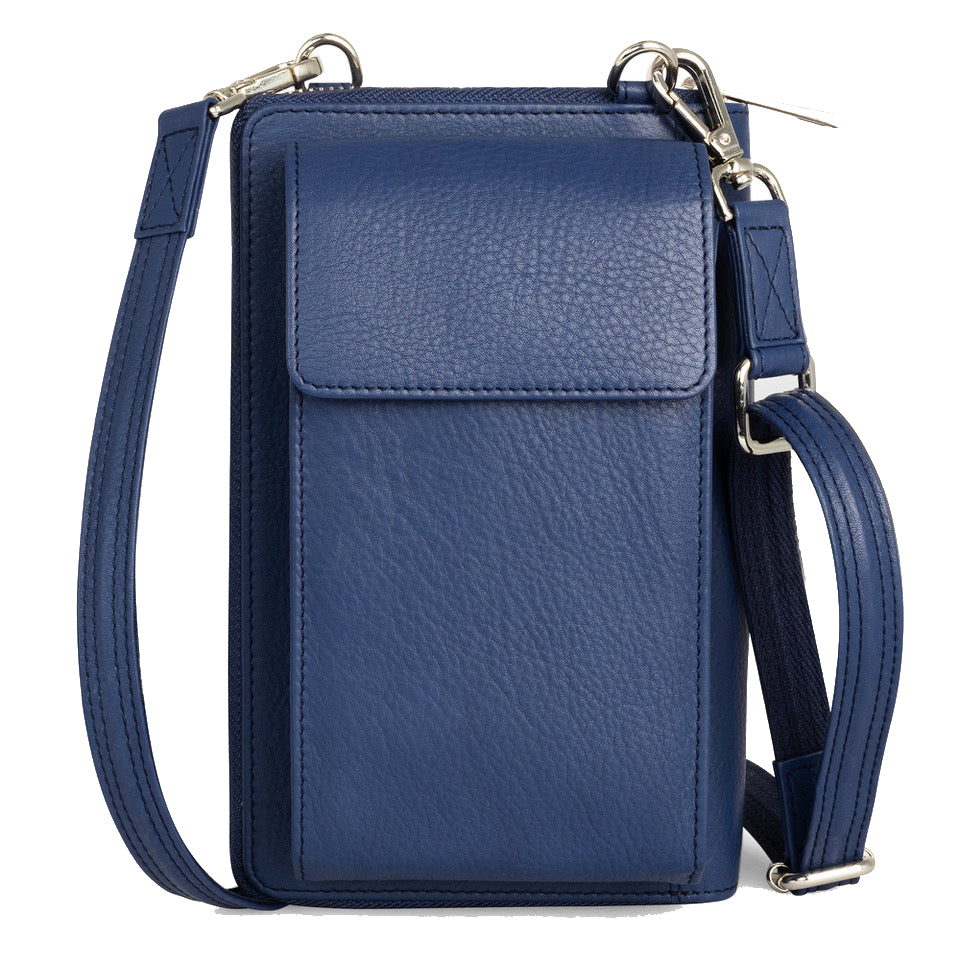
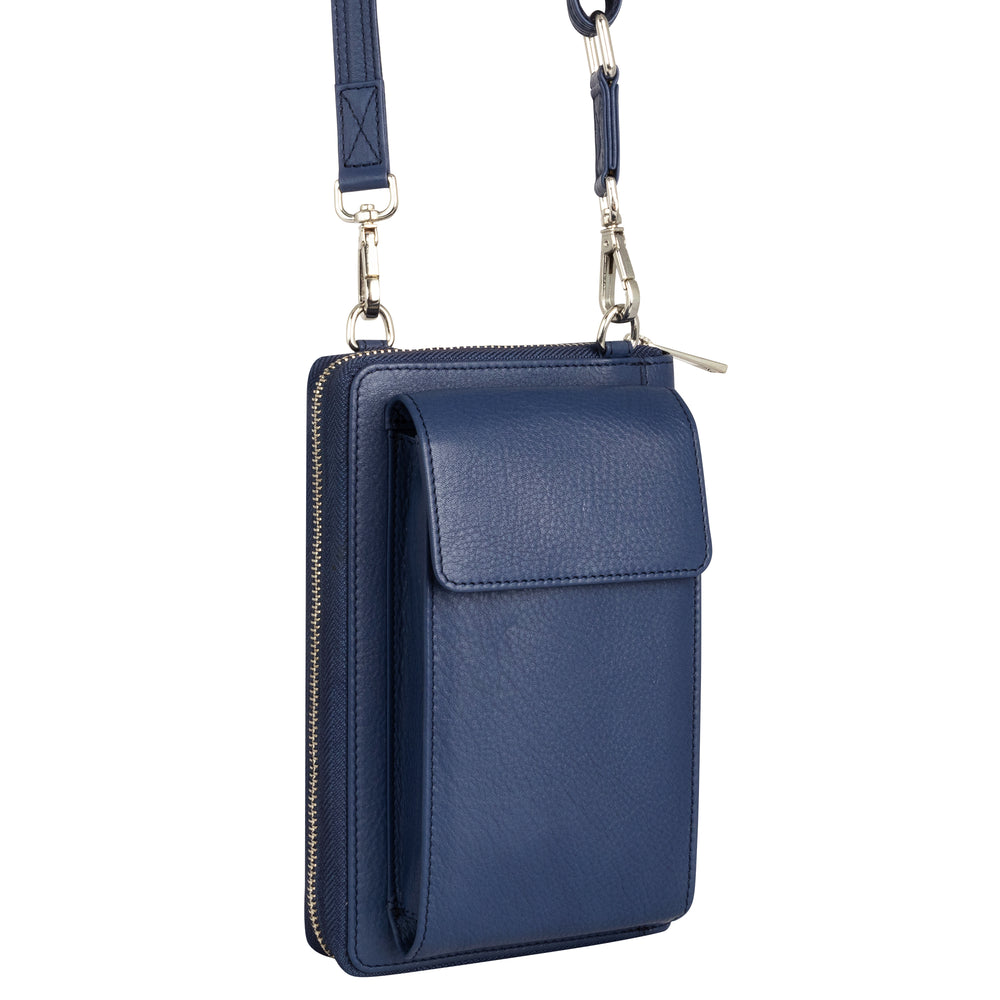
For lighter loads like your phone, cards, and small essentials during errands or travel, a hands-free crossbody with an adjustable strap can offer similar balance without bulk. Just as quality leather goods develop character through daily use, the right carrying method can become second nature. Consider a stylish option like the crossbody wallet purse to keep your essentials secure and easy to access.
Step-by-Step Guide to Wearing Your Backpack Right
Position It High and Secure on Your Back
The bottom of your pack should rest in the curve of your lower back, never sagging below your hips. When positioned correctly, the top sits just below shoulder level. This higher placement keeps weight centered over your core rather than pulling backward. Loosen all straps before putting the pack on, then tighten systematically from bottom to top.
Adjust Straps, Belts, and Fit for Comfort
- Shoulder straps first: Pull snug so the pack hugs your back without gaps, but loose enough that you can slide two fingers under each strap.
- Hip belt next: Fasten around your hip bones (not your waist) and tighten until it carries most of the pack’s weight. You should feel pressure on your hips, not your shoulders.
- Sternum strap last: Clip across your chest at armpit height and adjust until shoulder straps stay in place without sliding outward.
- Load lifters (if present): These small straps above your shoulders angle the pack closer to your body. Pull to about a 45-degree angle until the top of the pack tilts slightly toward your head.
One Strap or Two? The Simple Rule to Follow
Always use both straps. The one-shoulder carry might look casual, but it twists your torso and overloads one side of your body. Even for a quick walk across campus or a short errand, two straps maintain symmetry and help prevent strain.
Pack Smart: Balance Weight to Avoid Strain
Ideal Weight Limits Based on Your Body
Your backpack should not exceed 15% of your body weight for daily use. A 150-pound person should carry about 22 pounds max; a 200-pound person should cap it at 30 pounds. For extended travel or hiking, aim closer to 10% to preserve energy and reduce injury risk. Children and teens need stricter limits: no more than 10% of body weight, since growing spines handle stress differently than adult frames. Weigh your loaded pack on a bathroom scale before heading out, and you’ll quickly see what you can leave behind.
Place Heavy Items Near Your Back for Stability
Pack your heaviest items along the panel closest to your spine, centered between your shoulder blades. Laptops, textbooks, and water bottles belong here. Lighter gear like jackets or snacks can go in outer compartments and top pockets. This setup keeps your center of gravity close to your natural balance point, helping prevent the backward pull that makes you lean forward and strains your lower back. Medium-weight items can go in side pockets, distributed evenly left to right.
The Compartment Strategy: Organize like you would a quality wallet with dedicated slots. Heavy essentials in the main section against your back, frequently used items in easy-reach pockets, and lightweight extras in outer zones. Stable organization helps prevent shifting weight that throws off your balance mid-stride.
Daily Habits to Lighten Your Load Over Time
Audit your pack weekly and remove items you haven’t touched. That extra charger, unopened notebook, or “just in case” sweater adds pounds without purpose. Digitize what you can: photos of important documents, e-books instead of textbooks, apps replacing physical planners. Choose a water bottle you’ll refill rather than carrying multiple drinks. For work or school, keep duplicate supplies at your destination so you’re not hauling the same pens and toiletries back and forth. Every ounce you eliminate reduces cumulative stress on your body across thousands of steps.
Spot Trouble Early and Fix It Fast
Signs Your Backpack Wear Is Causing Issues
Red grooves across your shoulders after removing your pack can signal straps are too tight or positioned poorly. Numbness or tingling in your arms can point to compressed nerves from uneven weight distribution. A sore neck by midday often means a pack riding too low or straps that are too loose. If you catch yourself leaning forward while walking or notice one shoulder sitting higher than the other, your load may be too heavy or packed unevenly. Pain that persists after you remove the pack deserves attention before it becomes chronic.
Quick Adjustments for Neck, Shoulder, and Back Pain
- Neck tension: Tighten your hip belt to shift weight off your shoulders, then raise the pack higher on your back using shoulder strap adjustments.
- Shoulder aches: Loosen shoulder straps slightly and transfer more load to your hips. Check that the sternum strap isn’t cinched too tight across your chest.
- Lower back pain: Move heavy items higher in the pack and closer to your spine. Tighten load-lifter straps to pull the top of the pack toward your body.
- Uneven pressure: Repack to balance weight left to right. Ensure both shoulder straps are adjusted to identical lengths.
When to Choose Better Bags for Heavy Days
If you’re carrying only a phone, wallet, keys, and small essentials for errands, travel, or events, a crossbody can cut bulk while keeping your hands free. Save your backpack for days when you truly need the capacity. Matching the right bag to the situation helps protect your body and simplifies your routine. Browse our nature and outdoors lovers gifts for backpacks and wallet combos perfect for any adventure.
Pick and Maintain a Backpack That Lasts Like Leather
Key Features for Long-Term Comfort and Durability
Look for padded shoulder straps at least two inches wide, a padded back panel with ventilation channels, and a hip belt that can transfer weight to your pelvis. YKK (or equivalent) zippers help resist jamming under load. Reinforced stitching at stress points, a sternum strap, and multiple compartments for organized packing all matter. If you’re investing in gear for university, commuting, or regular travel, choose materials that develop character rather than fall apart: full-grain or top-grain leather, heavy-duty nylon, or waxed canvas from makers who stand behind their work.
Care Tips to Keep It Strong Through Seasons
Empty and air out your pack weekly to help prevent moisture buildup and odors. Spot-clean spills right away with a damp cloth. For fabric packs, hand-wash in cool water with mild soap twice a year, then air-dry completely before storing. Leather backpacks need occasional conditioning to help maintain suppleness and water resistance. Store with straps loosened in a cool, dry place, never compressed under heavy items. Inspect stitching and zippers monthly, fixing small issues before they turn into bigger failures.
Everyday Carry Pairings for Work, Gym, and Trails
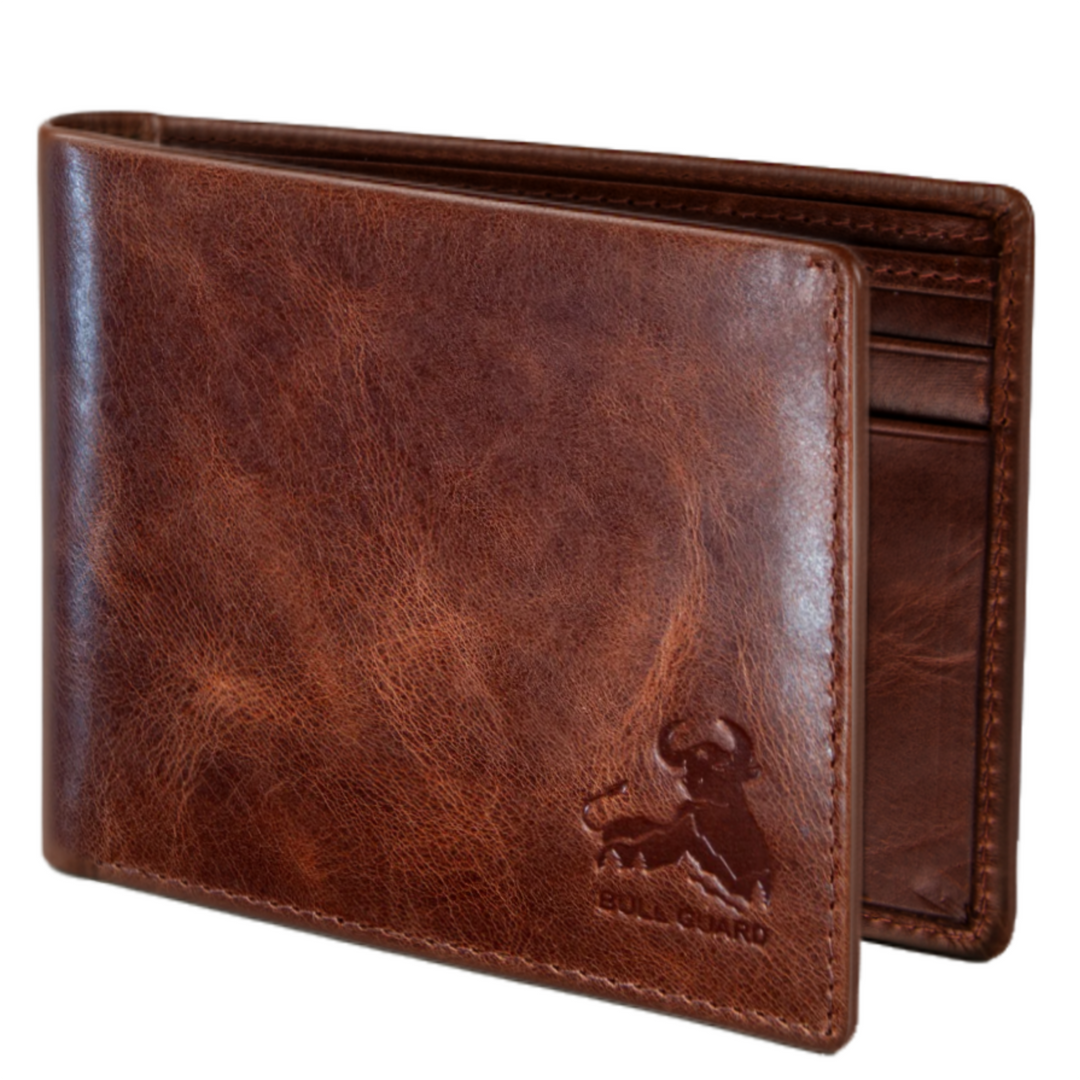
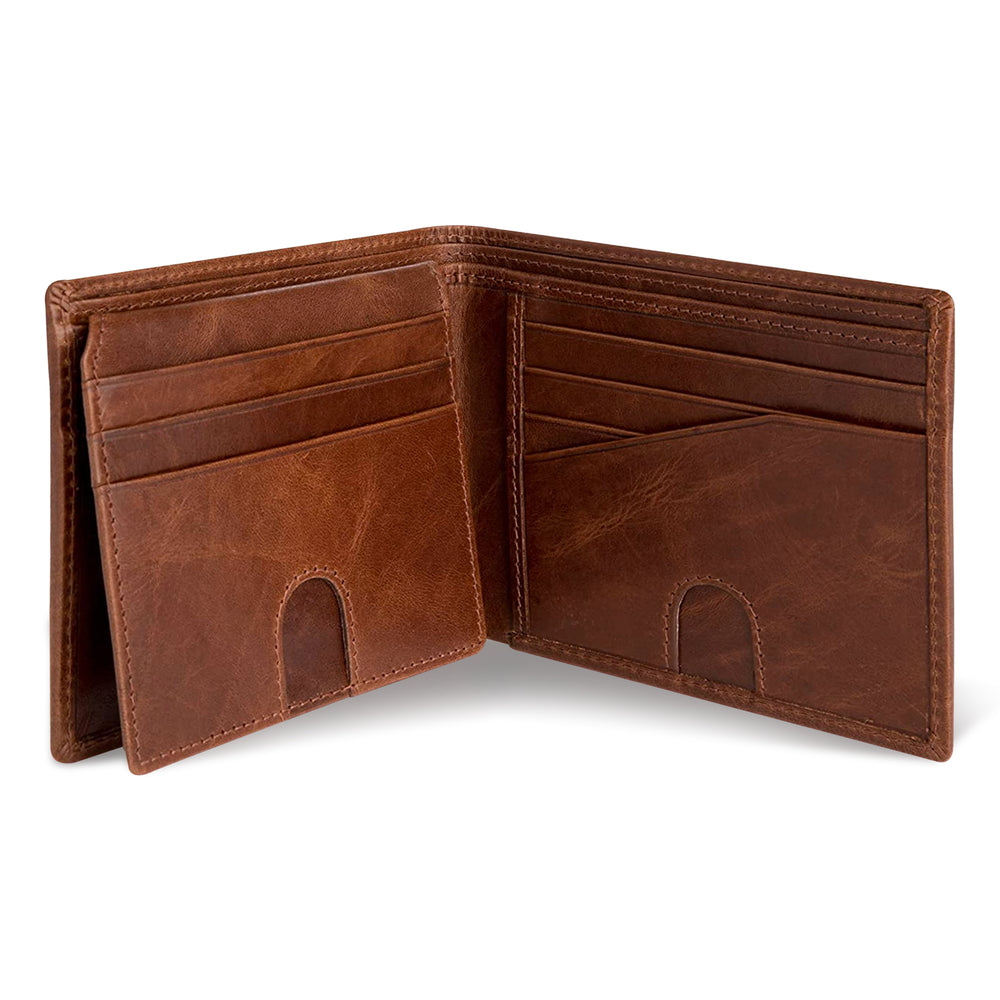
Your backpack works best as part of a thoughtful carry system. Pair it with a slim wallet that keeps cards and cash organized without adding bulk. For quick trips where the full pack stays behind, a compact crossbody can handle your phone, ID, and payment essentials. Quality pieces that complement each other, age well, and serve distinct purposes can make daily logistics feel simple. When every item earns its place and does its job well, you carry life boldly without the weight holding you back. Check out our extended slim wallet or a small crossbody wallet purse to create your perfect carry combination.
Build Lasting Habits That Protect Your Body
Make Daily Adjustments Part of Your Routine
Proper backpack wearing becomes automatic when you build adjustments into your morning routine. Before you leave, tighten the hip belt first, then shoulder straps, then the sternum strap. After 10 minutes of walking, pause and readjust as the load settles. Your body changes throughout the day: hydration levels shift, muscles warm up, clothing layers come on or off. A strap setting that felt right at 8 a.m. may need tweaking by noon. Treat these micro-adjustments like checking your posture at a desk: a small habit that helps prevent big problems.
Listen to Your Body’s Warning Signals
Pain is information, not something to push through. That dull ache between your shoulder blades can mean the pack is riding too low. Tingling fingers may mean compressed nerves from overtightened straps. A headache creeping up the back of your skull can signal neck strain from a forward lean. Stop, adjust, or redistribute weight as soon as discomfort appears. Ignoring these signals for weeks or months can create postural compensations that take time to undo.
Invest in Quality That Grows With You
Cheap backpacks with thin straps and flimsy stitching can fail when you need them most, leaving you with broken zippers mid-commute or torn seams on a trail. Quality construction costs more upfront but can deliver years of reliable service, developing character through use rather than falling apart. Look for makers who specify materials, explain their construction methods, and stand behind their work. See how quality construction costs translate into longer lifespan and better performance.
The Carry System Mindset: Your backpack, wallet, and bags should work as a system. Each piece should do its job, work well with the others, and last long enough to become part of your story. When you invest in thoughtful design and proven materials, you stop replacing and start living.
Adapt Your Approach as Needs Change
A uni backpack stuffed with textbooks demands different techniques than a daypack for weekend hikes or a travel bag for airports. Reassess your setup when your routine shifts: a new job, a different commute, or seasonal weather changes. The student who graduates and starts working may find a slim crossbody covers daily essentials better than a full backpack. The weekend hiker adding overnight trips needs to learn hip-belt weight transfer. Stay flexible, test packing strategies, and refine your approach based on what your body tells you after a full day of wear.
Pass This Knowledge Forward
Watch the people around you: kids slouching under overloaded school bags, travelers grimacing with one-shoulder messenger bags, gym-goers hauling duffels that throw their gait off balance. Share what you’ve learned. Show a friend how to adjust their sternum strap. Teach a family member the 10–15% body weight guideline. Help someone repack their bag with heavy items against the spine. Small changes can prevent years of accumulated strain.
Mastering backpack wearing protects your spine, preserves your energy, and keeps you ready for whatever your day demands. Combine smart packing, proper adjustment, and gear that lasts, and you’ll carry life’s essentials without the weight holding you back.