

army tactical belt
What Is an Army Tactical Belt and Why Choose One
An army tactical belt is built to carry weight, secure gear, and endure punishment that snaps ordinary belts. Woven from high-tenacity nylon webbing or reinforced materials, it anchors holsters, magazine pouches, and tools to your waist without sagging or stretching. Military and law enforcement rely on these belts because they distribute heavy loads across your hips and keep equipment in place during movement, climbing, or rappelling.
These belts often use reinforced nylon webbing, quick-release buckles, and stiff construction to support demanding carry needs. They differ from everyday belts with wider profiles (1.5 to 2.25 inches), load-bearing rigidity, and compatibility with MOLLE attachments. Soldiers, first responders, outdoor professionals, and everyday-carry enthusiasts benefit most from this gear.
Core Features of Army Tactical Belts
Expect nylon webbing rated for heavy loads, metal or polymer quick-release buckles, and widths between 1.5 and 2.25 inches. Many models include hook-and-loop (Velcro) for attaching inner and outer belt layers, MOLLE webbing for modular pouches, and adjustable sizing to fit over body armor or winter clothing. The best designs stay flat under weight and resist fraying even after months of field use.
Key Differences from Everyday Belts
| Feature | Army Tactical Belt | Everyday Belt |
|---|---|---|
| Primary Purpose | Load support, gear attachment | Hold up pants, style accent |
| Material | Reinforced nylon webbing | Leather, fabric, synthetic |
| Width | 1.5–2.25 inches | 1–1.5 inches |
| Buckle | Quick-release Cobra or V-ring | Frame, prong, or plate |
| Load Capacity | High tensile strength (varies by model) | Minimal, decorative |
Who Benefits Most from This Gear
Active-duty personnel and tactical operators depend on these belts to anchor sidearms, radios, and medical kits. Hunters and hikers appreciate the rigidity for carrying knives and GPS units. Everyday-carry enthusiasts who value durability over fashion choose tactical belts to support concealed-carry holsters with less shifting. If your routine demands reliable gear attachment and all-day comfort under weight, this type of belt solves problems leather dress belts can’t.
Types of Army Tactical Belts Explained
Nylon Web Belts for Rigged Loads
Standard tactical web belts use flat nylon webbing that’s commonly rated between 3,000 and 5,000 pounds of tensile strength (by webbing spec). These single-layer designs thread through standard belt loops and lock with quick-release buckles. They work well when you need moderate gear support without the bulk of a two-piece system. Expect widths around 1.5 inches, making them compatible with most pants and many duty holsters. The webbing resists water, mildew, and UV damage, so these belts perform in desert heat and jungle humidity without rotting or weakening.
Rigger and Battle Belts for Heavy Duty
Rigger belts were used by paratroopers as emergency anchors, so many are rated to 5,000 pounds or higher (check the manufacturer’s spec). They feature thick webbing, often 1.75 to 2 inches wide, and heavy-duty V-ring or Cobra buckles that won’t slip under sudden load. Battle belts add a second layer: an inner belt threads through your pants, while an outer belt with MOLLE webbing wraps over it and secures via hook-and-loop. This two-piece system distributes weight across your waist and keeps pouches stable during sprints or vehicle exits. Many users like that the outer layer can be removed quickly without unbuckling pants.
Duty and Gun Belts for Specialized Use
Duty belts serve law enforcement with reinforced cores that reduce sagging when a sidearm, handcuffs, and baton hang from them. These belts are commonly 2 to 2.25 inches wide and use stiff polymer or leather-lined nylon to hold shape. Gun belts for concealed carry prioritize rigidity in a slimmer profile, often 1.5 inches, so the holster stays tight against your body with less shifting. Both types benefit from consistent thickness along the entire length to avoid weak spots where buckles or clips concentrate stress.
| Belt Type | Width | Typical Rating | Best Use |
|---|---|---|---|
| Nylon Web | 1.5 in | 3,000–5,000 lbs (webbing spec) | Light to moderate gear carry |
| Rigger | 1.75–2 in | Often 5,000+ lbs (varies) | Heavy loads, emergency anchor |
| Battle Belt | 2 in (two-piece) | Varies | Modular pouches, rapid on/off |
| Duty/Gun | 1.5–2.25 in | Varies | Holster support, concealed carry |
Key Features to Look for in an Army Tactical Belt
Buckle Types and Quick-Release Systems
Cobra buckles dominate many high-end tactical belts because they lock under load and release with a press on two side tabs. These aluminum or steel buckles are widely used and are designed to resist accidental opening when snagged. V-ring buckles thread the webbing through a metal triangle and double back, creating friction that holds without complex hardware. Quick-release designs let you remove the belt fast during medical situations or vehicle egress.
Material Strength and Rigidity
Look for Type 13 or Type 17 nylon webbing when you want a known minimum breaking-strength standard. Scuba webbing, a denser weave, adds stiffness without extra thickness, helping a holster stay stable. Some belts sandwich a polymer or spring-steel core between nylon layers to reduce rolling or folding under heavier pistols. A simple at-home check: hold the belt level and press down at the center to see how much it flexes.
Adjustability, Width, and Load Support
Adjustable belts use sliding buckles or hook-and-loop to accommodate body armor, winter layers, or weight changes in the field. Measure your waist over the clothing and gear you’ll wear, then leave a few inches of adjustment room. Width matters because wider belts spread weight across more surface area, reducing pressure points during long shifts. A 1.5-inch belt suits concealed carry and light tools, while 2-inch or wider profiles handle multiple pouches and heavier sidearms with less digging into your hips.
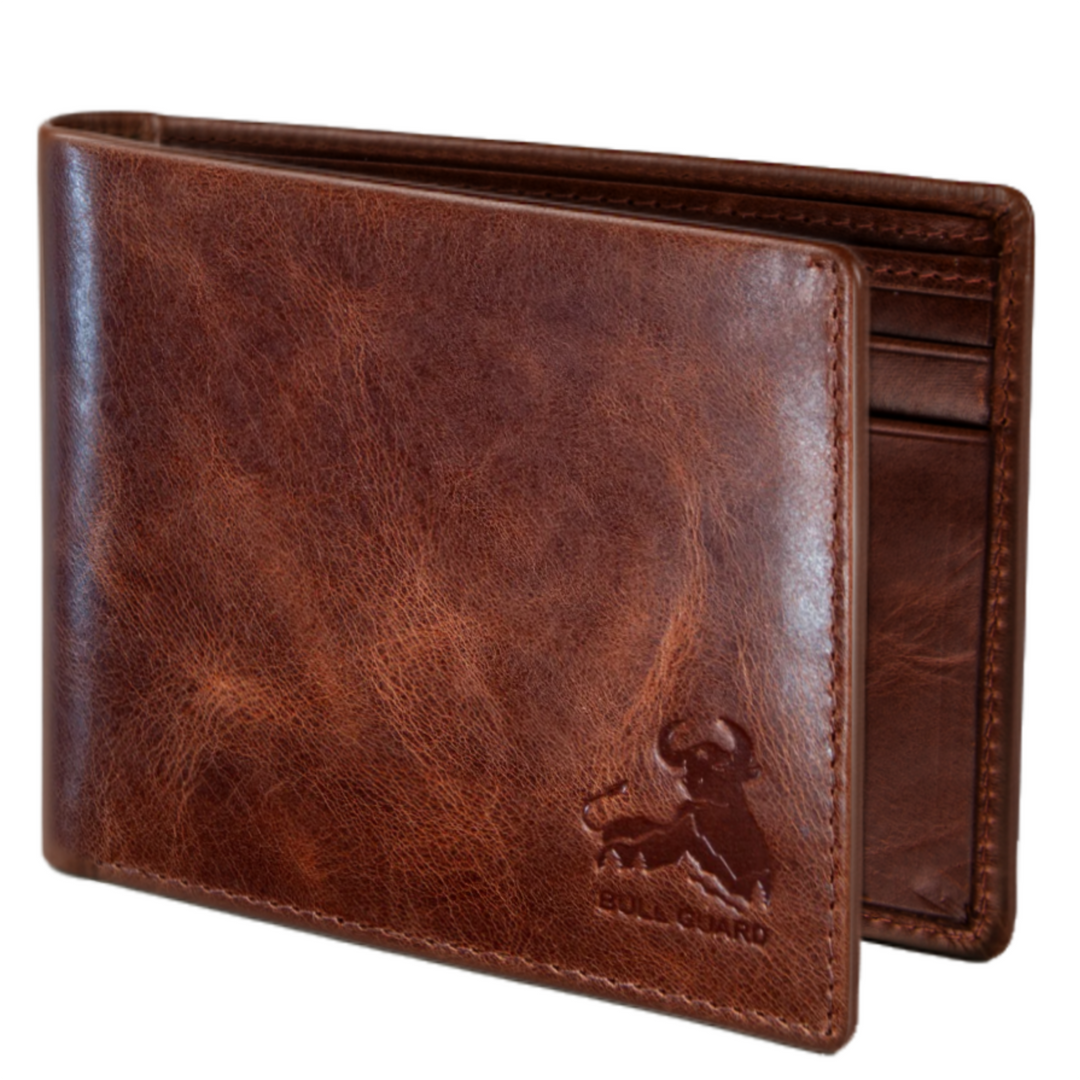
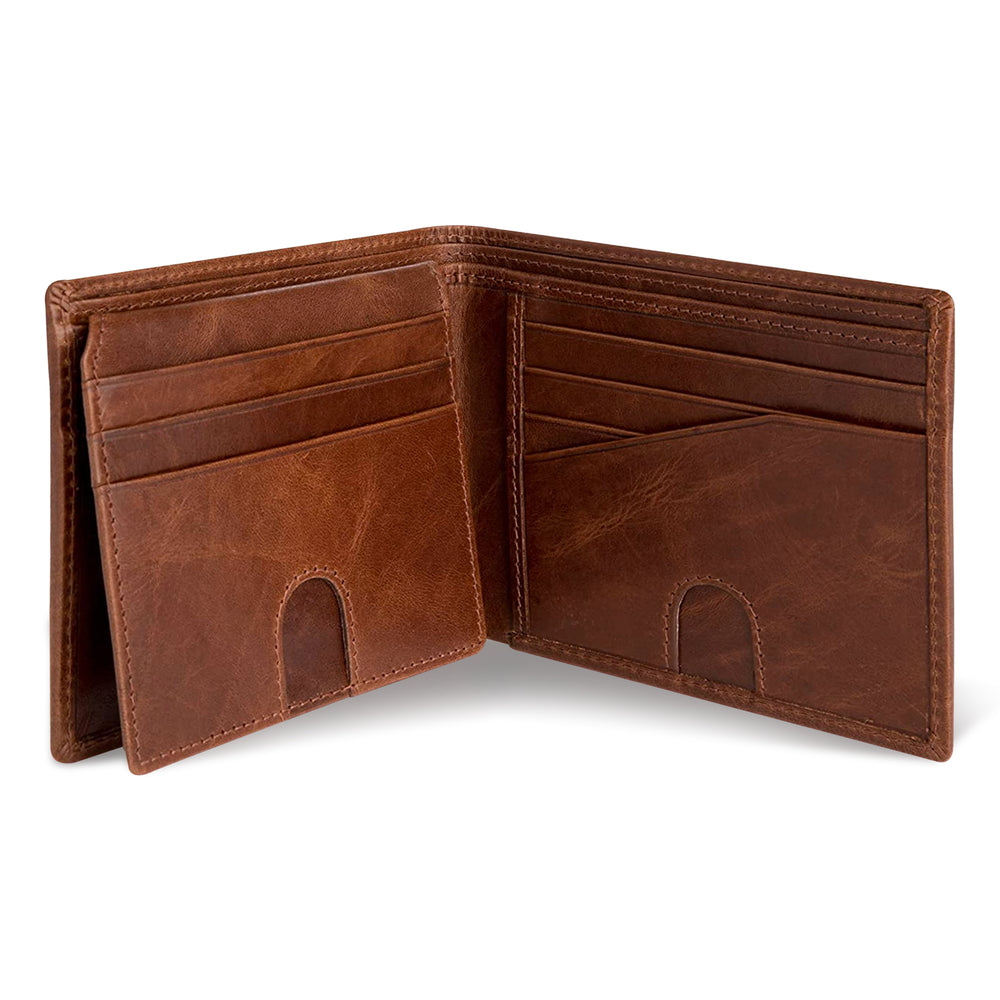
Bull Guard Connection: While nylon excels at extreme loads, full-grain leather develops character through daily wear. Bull Guard wallets and crossbodies follow the same idea: materials that age well, paired with organized carry for the essentials that complement your setup. Discover our popular bifold with flip up ID wallets that combine durability and style.
Leather vs. Nylon: Finding Your Ideal Tactical Belt
Strengths of Nylon for Extreme Loads
Nylon webbing is common in military use because it resists stretching, sheds water, and won’t rot in tropical climates. A quality belt made from Type 13 nylon can take abrasion against rocks, vehicle frames, and concrete with less fraying. The material stays usable in freezing temperatures and won’t crack like some leathers can. When you need to carry a full loadout of magazines and radios, nylon’s strength and weather resistance are hard to beat.
Why Leather Excels in Everyday Tactical Carry
Full-grain and top-grain leather bring comfort and breathability that many synthetics can’t match. A well-made leather belt molds to your body over weeks of wear, spreading pressure more evenly than stiff webbing can during all-day carry. Leather also develops a patina that tells your story, darkening where your holster rides and softening at flex points. For concealed-carry users, security professionals in business-casual settings, and anyone who wants gear that ages beautifully, leather offers enough rigidity to support a sidearm without the overtly tactical look of webbing. The trade-off is lower tensile strength and sensitivity to prolonged moisture, so leather tends to suit urban and dry-climate carry better than wet jungle conditions.
| Attribute | Nylon Tactical Belt | Full-Grain Leather Belt |
|---|---|---|
| Tensile Strength | Often 3,000 to 5,000+ lbs (by webbing spec) | Moderate (holster support) |
| Weather Resistance | Excellent (water, UV, mildew) | Good with care (condition regularly) |
| Break-In Period | Minimal | 2 to 4 weeks |
| Patina Development | None | Rich character over time |
| Professional Appearance | Tactical, utilitarian | Refined, versatile |
Bull Guard Leather Accessories as Your Companion
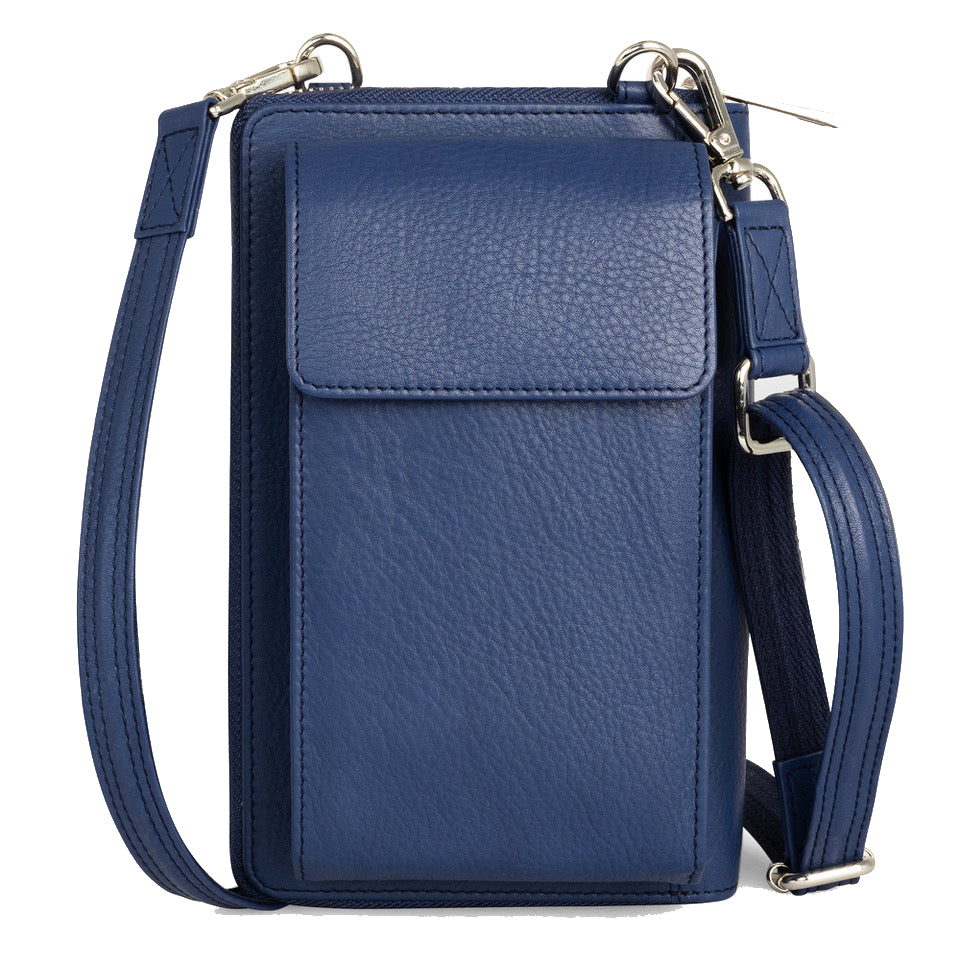
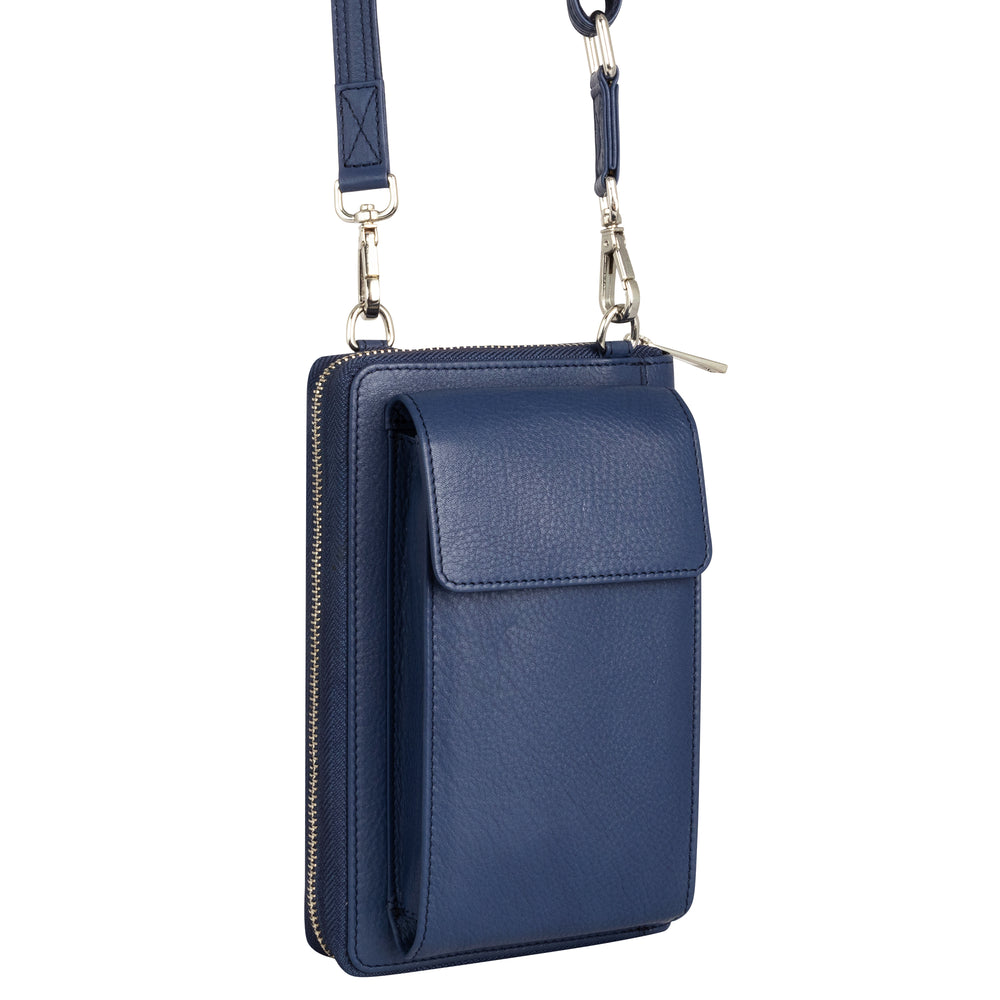
I founded Bull Guard to craft full-grain and top-grain leather wallets, crossbody purses, and everyday-carry accessories that pair naturally with a tactical lifestyle. While your army tactical belt anchors gear during operations or range days, a Bull Guard slim minimalist wallet keeps cards and cash organized with RFID-blocking layers. The same leather that develops character on a belt does the same in a wallet, softening and darkening as you carry it. Our women’s XtraRoom crossbody purses use slash-resistant straps and YKK zippers, bringing the same durability mindset into a hands-free carry option that fits errands, travel, and outdoor days. Every Bull Guard piece uses thoughtful stitching and tested materials so your everyday carry can last season after season.
How to Choose and Maintain Your Army Tactical Belt
Sizing, Fit, and Use Case Matching
Measure your waist over the pants and layers you’ll wear most often, then add four to six inches for adjustment room. If you plan to wear body armor or winter coats, measure over those as well. Match belt width to your gear: 1.5-inch belts fit most concealed-carry holsters and standard belt loops, while 2-inch or wider profiles suit duty rigs and battle-belt systems with multiple pouches. Test the buckle before committing. Cobra buckles often require a two-handed release, which helps prevent accidental opening but can slow removal. V-ring and friction buckles adjust faster but can slip more under certain side loads, depending on the design and how they’re threaded.
Care Tips for Long-Lasting Performance
Rinse nylon belts with fresh water after saltwater or muddy exposure, then air-dry away from direct heat. Inspect stitching and webbing edges every few months for fraying or UV wear. Replace any belt showing worn threads near the buckle or other stress points. For leather belts, wipe off dirt with a damp cloth and apply leather conditioner every three to six months to reduce cracking. Store belts flat or loosely coiled to avoid permanent creases. Keep Cobra buckles free of sand and grit by rinsing the mechanism and letting it dry fully before storage.
Pairing with Bull Guard EDC Essentials
Complete your carry setup by pairing an army tactical belt with Bull Guard wallets and crossbodies I designed around the same durability standard. A trifold wallet with two ID windows and a hidden pocket can hold an AirTag for tracking, while RFID-blocking layers help protect your cards during travel or crowded events. Slim bifold minimalist wallets with removable card inserts let you carry just what you need for lighter days. Our women’s XtraRoom crossbody purses fit passports, larger phones, and essentials without the bulk of a full handbag, and the adjustable slash-resistant strap matches the security-first mindset of tactical gear. Every Bull Guard piece ships in a giftable box and develops a unique patina as it becomes part of your routine.
Your Gear Should Grow with You: The best belt and EDC accessories don’t just survive your routine. They adapt, develop character, and become trusted extensions of how you move. Choose materials and construction that reward long-term use instead of disposable convenience.
Frequently Asked Questions
How do I choose the right size and fit for an army tactical belt?
I recommend measuring your waist over the clothing and gear you plan to wear, then pick a belt that leaves a few inches of adjustment room. For a secure fit with an army tactical belt, consider whether you need a single-piece web belt that threads through pants, or a two-piece battle belt that accommodates an outer MOLLE layer. At Bull Guard I tell customers a snug, even fit keeps pouches from shifting and helps you carry life boldly.
Can I wear an army tactical belt over body armor or thick winter layers?
Yes, many army tactical belts are adjustable to fit over body armor or winter layers, especially two-piece battle belts that wrap over an inner belt. Look for wide profiles and enough hook-and-loop adjustment to maintain tension, so your gear stays stable during movement. I design our pieces so they remain comfortable and functional when the mission demands extra layers.
What's the best way to clean and care for a nylon army tactical belt?
Clean nylon webbing with mild soap and lukewarm water, scrub gently with a soft brush, rinse thoroughly, and air dry away from direct heat. Avoid bleach, harsh solvents, and machine drying which can weaken webbing or damage buckles. I treat these belts as companions, and simple care keeps them ready for the next adventure.
Is an army tactical belt suitable for concealed carry or everyday use?
An army tactical belt can be ideal for concealed carry if you choose a slimmer, rigid gun or duty belt around 1.5 inches that holds a holster steady. For everyday carry with multiple pouches, a wider tactical or battle belt spreads weight and prevents digging into your hips. At Bull Guard I often recommend matching belt type to your daily load so you can carry life boldly without compromise.
Which buckle type should I pick for an army tactical belt, Cobra or V-ring?
Cobra buckles are popular when you need a positive quick-release that locks securely under load, while V-ring setups rely on webbing friction and are simpler and very strong. Choose a Cobra if you expect heavy, dynamic loads, and a V-ring for straightforward, durable tensioning. I trust proven hardware because dependable buckles let you move with confidence.
How can I test an army tactical belt's rigidity and load support before buying?
Check the manufacturer's webbing type and tensile specs, and perform a simple at-home flex test by holding the belt level and pressing in the middle to see how much it bends under pressure. Also inspect thickness consistency along the length and try a holster or pouch fit if possible to ensure no weak spots where clips concentrate stress. I advise treating the belt like gear, not fashion, so you get a reliable carry companion.