

mexico leather
The Soul of Mexico in Every Stitch: Unveiling the Allure of Mexican Leather
Mexico leather carries centuries of tanning tradition, regional artisan skill, and hides chosen for durability. Knowing what drives that quality helps you invest in pieces that genuinely last--and that you'll actually want to carry every day.
More Than Just Material: A Legacy of Craftsmanship
Long before factory floors existed, Mexican artisans cured hides with bark tannins, hand-stitched saddles, and carved floral motifs into leather by firelight. That knowledge passed through generations--not manuals. When I first held a hand-tooled piece from Guanajuato, I understood immediately: this wasn't a product. It was a record of someone's hands, patience, and pride.
That's not something you can shortcut or replicate in a factory run on speed and low cost. It either comes from that tradition or it doesn't.
What Makes Mexican Leather Stand Apart?
Mexico leather earns its reputation through process, not just geography. Tanneries in León and Jalisco source cattle hides from beef-producing regions with naturally thick, consistent grain. Combine that raw material with vegetable tanning methods refined over generations, and you get leather with a character that synthetics simply can't replicate. The hide breathes, ages, and tells a story--one that gets better with time, not worse.
The Artisan's Touch: From Raw Hide to Heirloom
Each stage of the process matters: soaking, liming, fleshing, tanning, drying, finishing. Rush one step and the leather can show weakness within months. Authentic Mexican artisans treat every stage with care. The result softens with use, develops a rich patina, and grows more beautiful as years pass--like any companion worth keeping.
Beyond the Label: Authenticating Genuine Mexican Leather

Decoding Leather Grades: What "Full Grain" and "Top Grain" Really Mean
Full grain retains the hide's outermost layer--natural markings and all. Top grain is lightly buffed for a more uniform surface. Both can perform beautifully or disappoint, depending on the tannery behind them. Think of it like a restaurant: the cut of meat matters, but the chef, sourcing, and preparation determine what actually lands on your plate. A label alone tells only part of the story.
The Tannery's Role: How Process Shapes the Product
Vegetable-tanned leather--common in traditional Mexican tanneries--uses natural tannins and takes weeks to complete. Chrome tanning takes days and produces softer leather faster, but often with less aging character. Neither method is universally better; the tannery's expertise and hide selection determine the outcome. At Bull Guard, we work with trusted tanneries and specify premium hides selected for durability, hand-feel, and long-term performance.
Trust Your Hands and Nose
Quality leather carries a clean, earthy scent. It feels firm yet supple--not plasticky or suspiciously uniform. Press your thumb in: real leather shows a slight impression that fades slowly. Edges on well-made pieces are burnished or cleanly painted, not frayed or roughly glued. You can genuinely feel the difference in about ten seconds flat.
Red Flags Worth Knowing
Peeling surfaces, a chemical smell, perfectly uniform grain with zero natural variation, and exposed fibrous backing all signal low-grade bonded material. Price alone isn't a reliable indicator--there are overpriced fakes and underpriced gems. Focus on construction details: stitching tension, hardware weight, and how the leather responds to gentle flexing.
A Journey Through Mexican Leatherwork: Regional Styles and Their Stories
Mexico's Leather Heartland
León, Guanajuato, is Mexico's undisputed leather capital, producing goods ranging from mexico leather shoes and belts to refined mexico leather bags. Guadalajara contributes equestrian-influenced work. Oaxaca is known for hand-painted and naturally dyed pieces. Each region carries a distinct visual identity rooted in local culture and whatever materials the land provides--and you can see those differences in everything from stitching style to colorwork.
The Art of Hand-Tooling
Hand-tooling involves dampening leather, then using metal stamps and swivel knives to carve raised patterns. Floral, geometric, and animal motifs are common. No two pieces are identical--not even from the same artisan's hands on the same afternoon. This technique, prominent in vintage Mexican leather purses and saddle work, transforms functional objects into something closer to illustration. Wearable, lasting art.
From Saddle to Satchel: What Mexican Leather Has Always Built
Mexican leather jacket brands built their reputations on the same hides used for working saddles: thick, supple, and made for endurance. Mexico leather tannery output today spans wallets, crossbody bags, huarache sandals, and belts. The aesthetic shifts by region, but the commitment to durable construction stays consistent across all of it.
The Bull Guard Difference: Where That Tradition Lives Now
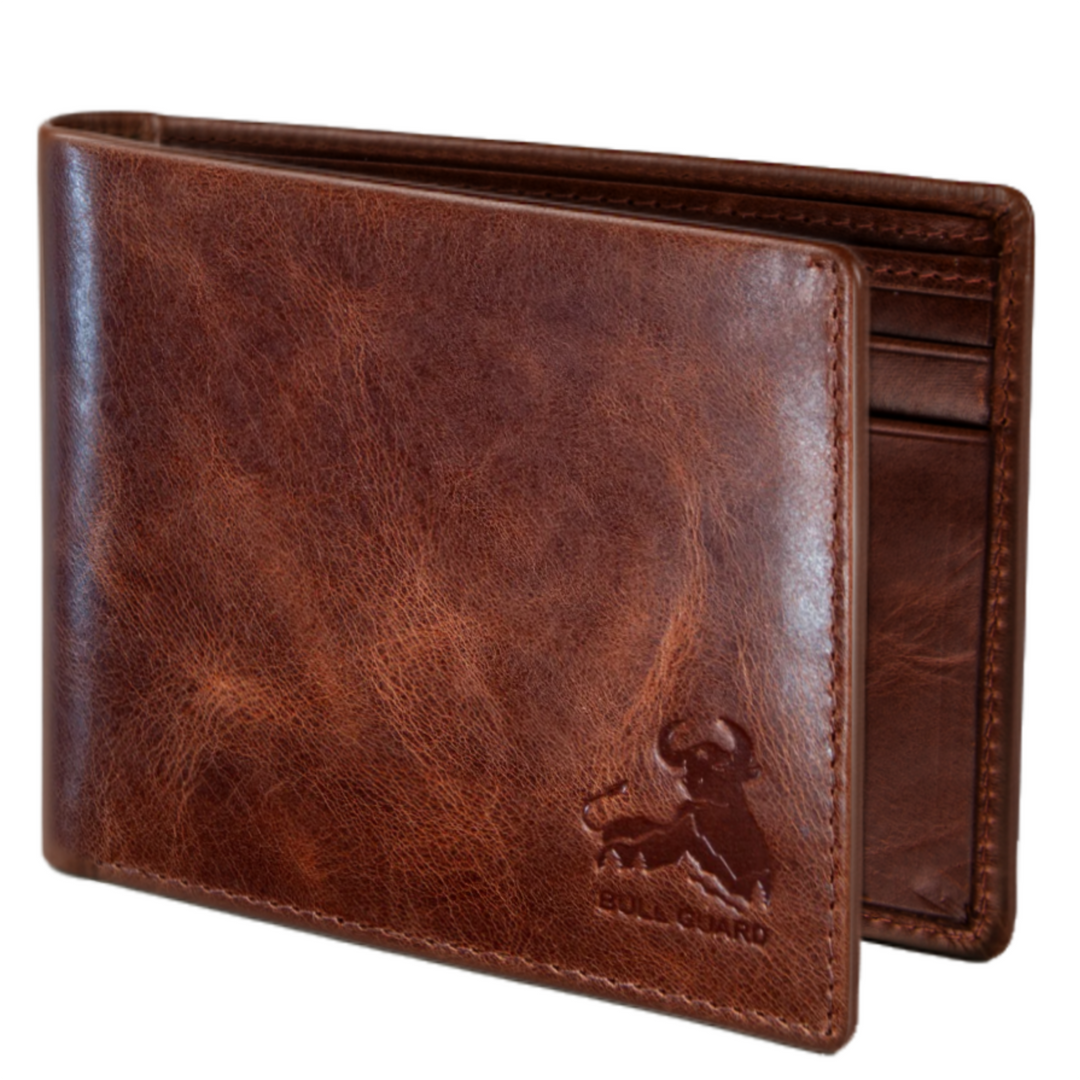
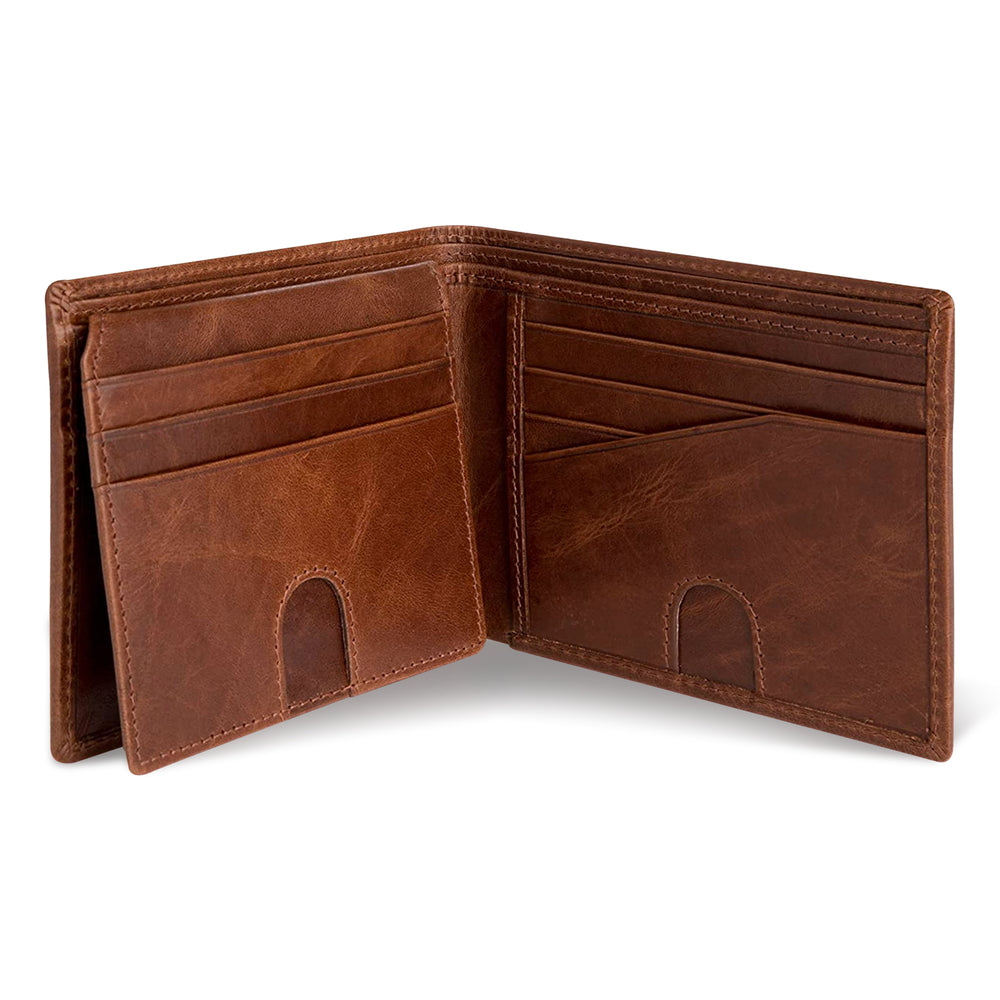
At Bull Guard, we carry that same philosophy forward. Every wallet and crossbody purse is built from premium full-grain or top-grain leather, selected for performance and feel--not just for what the label says. We add RFID-blocking technology and thoughtful organization because a beautiful piece should also protect you and simplify your day. That's not a compromise. It's the whole point.
Caring for Your Companion: Making Mexican Leather Last
Patina: A Sign of a Life Well-Lived
Patina isn't wear--it's character. As the oils from your hands and natural light interact with the leather surface over time, color deepens and a subtle sheen develops. I've seen Bull Guard wallets come back from years of daily carry looking richer than the day they shipped. That process is a feature, not a flaw. Let it happen.
Basic Care That Goes a Long Way
Wipe dust with a dry cloth. For deeper cleaning, use a damp cloth with a small amount of leather-specific soap, then dry naturally away from direct heat. Condition every few months with a quality leather conditioner to maintain suppleness and prevent cracking. Don't saturate the leather with water--it doesn't need a bath, just occasional attention.
Smart Storage, Long Life
Store leather goods in a cool, dry place away from direct sunlight. Stuff bags lightly to help them hold their shape. Avoid prolonged humidity (which encourages mold) and extreme dryness (which causes brittleness). A breathable dust bag beats plastic every time--leather needs to breathe, even when it's resting.
Carrying Life Boldly: Choosing Your Next Mexican Leather Companion

Invest in Construction, Not Branding
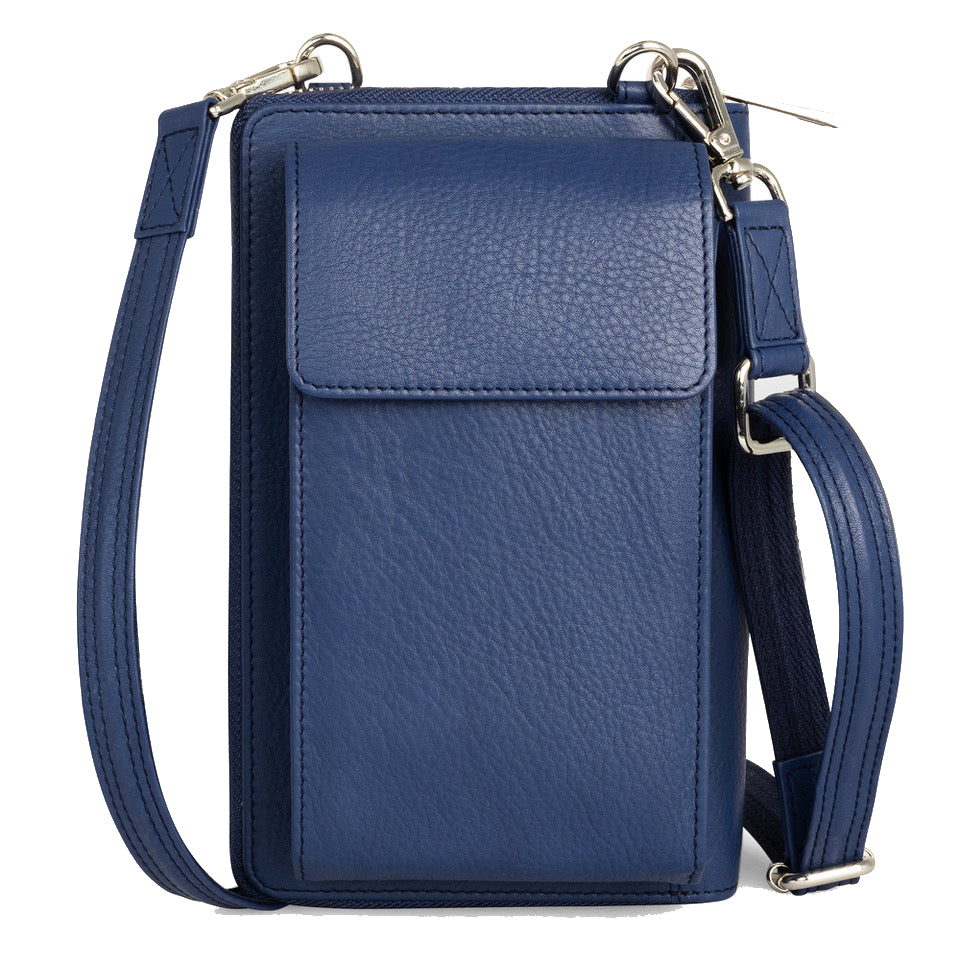
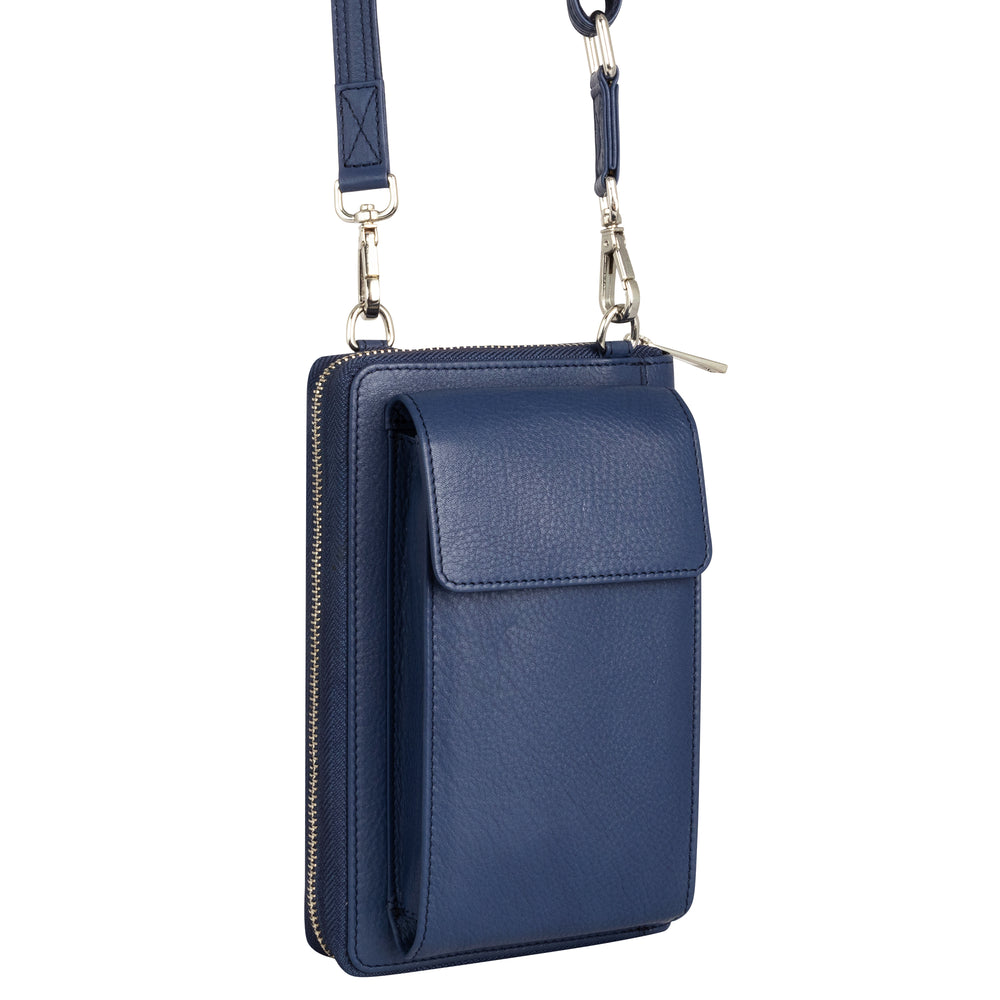
Quality leather rewards patience. A well-made wallet or crossbody purse bought thoughtfully will outlast a dozen fast-fashion alternatives--and look better doing it. Choose construction over logos, and choose function alongside beauty. Take a look at our small crossbody wallet purse options to find your perfect everyday companion.
The Bull Guard Promise: Quality, Security, Daily Confidence
Every Bull Guard piece ships RFID-protected, carefully stitched, and road-tested. For those who also want to protect their vehicle, our Premium Faraday Box with 2 Faraday Pouches for Car Keys extends that same security thinking to your keyless entry fobs--blocking RFID relay theft signals with a large-capacity, PU leather exterior built to hold multiple keys.
The Premium Faraday Box with 2 Faraday Pouches for Car Keys pairs naturally with a Bull Guard wallet: one guards your cards, the other guards your car. Carry everything boldly.
Frequently Asked Questions
Is Mexican leather good quality?
Yes, absolutely! Mexican leather is renowned for its exceptional quality, stemming from centuries of tanning traditions and the skilled hands of artisans. We at Bull Guard select premium full-grain and top-grain leather, knowing that the process, from hide selection to vegetable tanning, creates a material that truly lasts and tells a story. It's about a commitment to durability and character that synthetic options just can't match.
Is Mexico known for its leather?
Mexico is absolutely celebrated for its leather! From the historic tanneries of León, Guanajuato, to the hand-tooled artistry found in regions like Oaxaca, Mexican artisans have passed down their knowledge for generations. This deep heritage ensures that when you choose Mexican leather, you're investing in a piece with soul and a lasting story.
What is Mexican leather made of?
Mexican leather primarily comes from high-quality cattle hides, often sourced from beef-producing regions known for their naturally thick and consistent grain. These hides are then transformed through time-honored vegetable tanning methods, a process that gives the leather its unique character and allows it to age beautifully. At Bull Guard, we choose premium full-grain or top-grain leather for its performance and feel.
What country has the best leather in the world?
While many countries produce fine leather, Mexico holds a truly special place with its centuries-old tanning traditions and unparalleled artisan skill. The dedication to process, from selecting naturally thick cattle hides to refined vegetable tanning, creates leather with a distinct character and durability that truly stands apart. For me, the soul of Mexico is woven into every stitch.
What is the lowest quality of leather?
The lowest quality leather is often 'bonded leather' or highly processed, low-grade material that lacks the natural strength and character of genuine hides. You can often spot it by a chemical smell, perfectly uniform grain without natural variation, or surfaces that peel. At Bull Guard, we believe in carrying life boldly with pieces crafted from premium full-grain or top-grain leather that truly last.
How can I tell if leather is genuine Mexican leather?
To authenticate genuine Mexican leather, trust your senses. It should have a clean, earthy scent, not a chemical one, and feel firm yet supple, never plasticky. Look for natural variations in the grain, neat stitching, and burnished edges. At Bull Guard, we want you to feel the quality in your hands, knowing it's a piece that will age beautifully with you.