

Key Takeaways
- Daily use of leather items leads to a natural and unique patina that reflects personal experiences.
- Leather softens and develops character over time, enhancing its aesthetic and tactile qualities.
- A well-crafted leather piece can serve as a practical teacher in understanding leather care and aging.
- The term "leatherschool" embodies the hands-on learning and appreciation gained through using leather products.
Table of Contents
- Introduction: What "LeatherSchool" Really Means and Why It Matters Today
- Demystifying Leather Types and Grades – The Foundation of LeatherSchool Knowledge
- Essential Tools and Workspace Setup for Your LeatherSchool Journey
- Core LeatherSchool Techniques – From Cutting to Stitching Mastery
- Hands-On Beginner Projects – Build Your First Bull Guard-Inspired Wallet
- LeatherSchool Options Compared – Find Your Path to Craftsmanship
- Advanced LeatherSchool Skills – Elevate to Pro-Level Goods Like Crossbodies
- Leather Care, Troubleshooting, and Investing in Ready-Made Masterpieces
- The Future of LeatherSchool: Sustainable Practices and Digital Integration
- Choosing Your LeatherCraft Path: Final Recommendations
Introduction: What "LeatherSchool" Really Means and Why It Matters Today
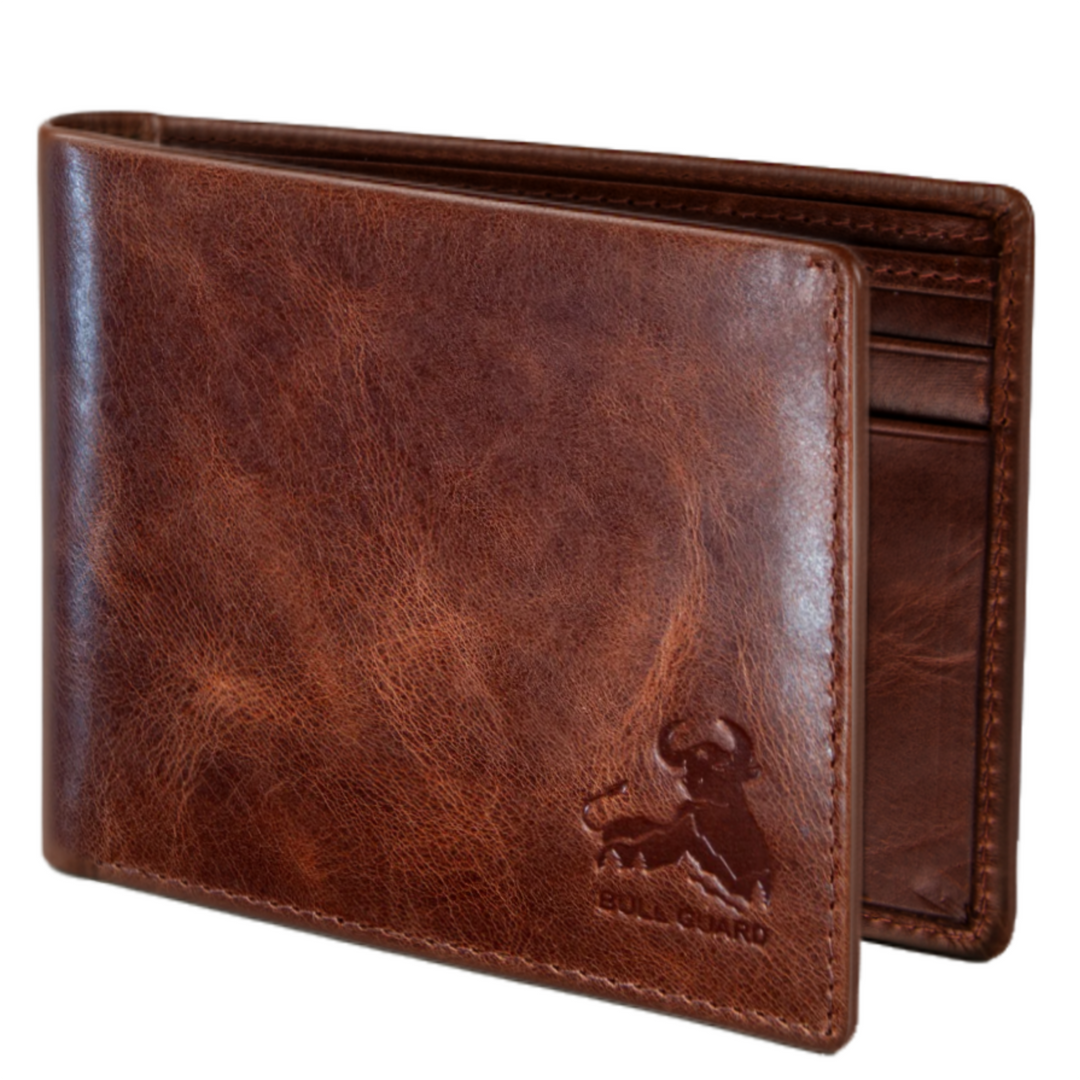
I still remember the moment I pulled out my first Bull Guard wallet after two years of daily carry. The leather had transformed, softened to perfection, developed rich patina lines where my fingers naturally gripped, and carried stories in every crease. That wallet became my greatest teacher about what true leatherschool really means. If you're interested in a piece that develops this kind of character, explore the Bifold Slim with or without Airtag for a modern take on classic craftsmanship.
LeatherSchool encompasses both formal education in leatherworking techniques and the deeper understanding of how quality leather evolves with time. From medieval guild apprenticeships to modern online courses, this structured learning path teaches everything from basic cutting and stitching to advanced RFID-blocking wallet construction. Whether you're seeking hands-on classes or digital instruction, leatherschool builds skills that help you recognize, and create, leather goods that improve with age. For those looking to start with a versatile and secure accessory, consider the Airtag Leather Card Holder Wallet for Men as a practical example of these principles.
The beauty lies in this dual education: learning to craft while appreciating masterful pieces like our RFID wallets that block 100% of electronic scans. Every Bull Guard creation becomes a lesson in how premium full-grain leather responds to skilled hands and daily life.
Demystifying Leather Types and Grades – The Foundation of LeatherSchool Knowledge

Quality leather transcends simple grade labels. At Bull Guard, we've learned that the tannery's expertise matters more than whether something carries a "full-grain" or "top-grain" stamp. Think of it like restaurants, the cut matters, but the chef, ingredients, and preparation determine your final experience. Two "full-grain" leathers can perform drastically differently based on hide selection and tanning mastery.
Test leather quality with these actionable techniques: rub a pea-sized sample for 30 seconds to check suppleness, choose 1.2-1.6mm thickness for wallet projects, and trust the smell test, genuine leather has an earthy aroma versus chemical odors. For leather working schools, vegetable-tanned leather teaches patina development while chrome-tanned offers quick prototype results.
| Tanning Method | Aging Time | Flexibility | Student Suitability |
|---|---|---|---|
| Vegetable Tanned | 3-6 months | Moderate | Patina projects |
| Chrome Tanned | 24 hours | High | Quick prototypes |
Bull Guard's RFID wallets demonstrate this principle, our carefully selected full-grain and top-grain hides create wallets that block electronic scans while developing character. Beginner-friendly options include Napa for softness and Crazy Horse for rapid patina development.
Essential Tools and Workspace Setup for Your LeatherSchool Journey
Smart tool progression prevents frustration and unsafe practices in any leather crafting classes near me. Start with a sub-$100 kit: pricking iron with 2.0mm spacing, #12 needles, and a beech-handle knife. Your workspace needs just 4x3 feet, a stable table with non-slip mat and LED lighting positioned at 45-degree angles for shadow-free cutting.
Maintain tools weekly with 20 strokes per side on a leather strop with polishing compound. Combat hand fatigue by wrapping tool grips with 1/8-inch rubber. Urban apartment crafters can work efficiently with portable tool rolls, while garage shops allow permanent setups with wall-mounted leather racks.
| Item | Budget Option | Pro Option | Use Case |
|---|---|---|---|
| Cutting Knife | Utility blade | Japanese skiving knife | Straight cuts vs curves |
| Stitching Iron | 4-prong chisel | French pricking irons | Basic holes vs precision |
| Edge Tool | Canvas burnisher | Cocobolo wood slicker | Functional vs mirror finish |
These same tools craft Bull Guard's signature thumb-slot bifolds and slim minimalist cases. Quality tools create the precise stitching and clean edges that make our wallets both functional and beautiful. For more tips and inspiration, browse our resources on leatherworking essentials.
Core LeatherSchool Techniques – From Cutting to Stitching Mastery
Precision techniques separate amateur projects from Bull Guard-quality results. Pattern transfer requires a 0.5mm mechanical pencil and 24-hour weighted pressing before cutting. Position diamond chisels at 45-degree angles, wax your thread, and maintain 80% tension during saddle stitching, this creates the strong, even seams that last decades.
Safe Cutting Techniques
Use a metal straightedge with a 15-degree blade angle and maintain consistent pressure. Mark your cutting line with a 0.5mm mechanical pencil, then score lightly before making your final cut. This prevents the leather from tearing and ensures clean edges that require minimal finishing.
Professional Gluing Methods
Apply contact cement like Tandy Eco-Flo in thin, even coats to both surfaces. Wait 15 minutes until tacky, then press together with firm, rolling pressure. Clamp for 2 hours minimum, this creates the permanent bond that prevents delamination in finished pieces like the multi-compartment layouts found in quality trifold wallets.
Hands-On Beginner Projects – Build Your First Bull Guard-Inspired Wallet

Transform your leatherschool foundation into tangible skills with three progressive projects. Start with a simple key fob (30 minutes): cut a 2x4-inch strip of 1.4mm leather, punch holes at 2mm spacing, and saddle-stitch a reinforced loop. This teaches basic cutting and stitching without complex assembly.
Progress to a minimalist card holder (1 hour) that mimics the clean lines of premium slim wallets. Cut two 4x3-inch pieces, create four card slots with precise 0.8mm spacing, and test-fit an RFID-blocking liner. The key is maintaining consistent slot depth, too shallow and cards fall out, too deep and retrieval becomes difficult. For more inspiration on top-rated designs, check out our top rated mens wallets guide.
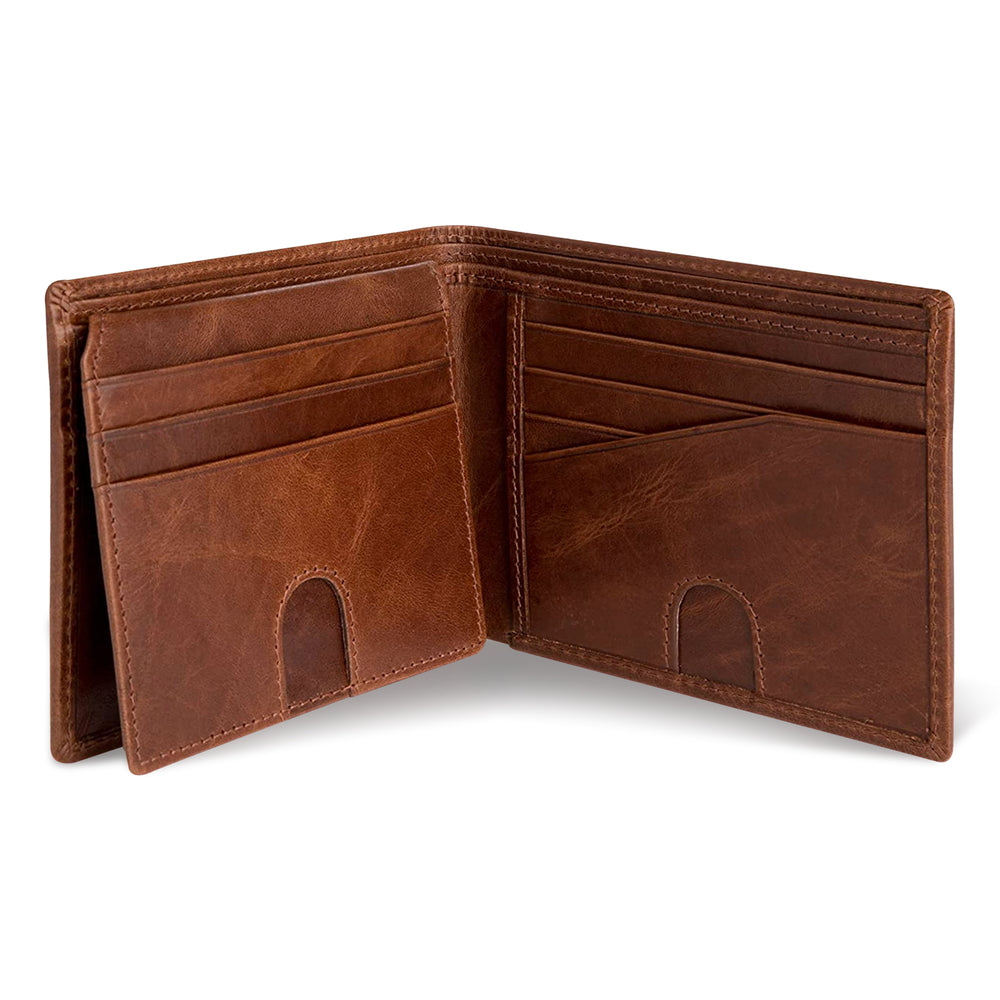
Your capstone project: a functional bifold wallet (2 hours) measuring 11x9cm when folded. Include six card slots, dual bill compartments, and thumb-push access points inspired by Bull Guard's ergonomic design. Choose vegetable-tanned leather for authentic patina development, expect noticeable softening after two weeks of daily use, just like professionally crafted pieces.
First Project Budget: Complete a functional card holder for under $15 in materials, including leather, thread, and edge finish.
LeatherSchool Options Compared – Find Your Path to Craftsmanship
Choose your leatherschool path based on three key factors: available time, budget constraints, and learning style preferences. Self-taught approaches cost nothing but require strong self-discipline and problem-solving skills. Online courses offer structured curricula with video demonstrations, typically ranging from $50-300 for comprehensive programs.
In-person workshops provide immediate feedback and tool access, though they require geographic proximity and fixed schedules. Traditional apprenticeships, while rare, offer the deepest skill development through mentorship with master craftspeople. For a deeper dive into the best options available, see our article on best wallets for men.
| Method | Cost Range | Duration | Community Access | Best For |
|---|---|---|---|---|
| Self-Taught | $0-100 | 1-6 months | Online forums | Self-motivated learners |
| Online Courses | $50-300 | 2-4 months | Student groups | Busy professionals |
| Local Workshops | $200-800 | 1-3 months | Direct mentorship | Hands-on learners |
| Apprenticeships | $1000-5000 | 6-12 months | Master craftspeople | Career-focused artisans |
For beginners seeking immediate results, combine free YouTube tutorials with a $50 starter kit containing vegetable-tanned leather scraps, basic tools, and practice patterns. This hybrid approach delivers portfolio-ready skills within three months while maintaining budget flexibility.
Advanced LeatherSchool Skills – Elevate to Pro-Level Goods Like Crossbodies
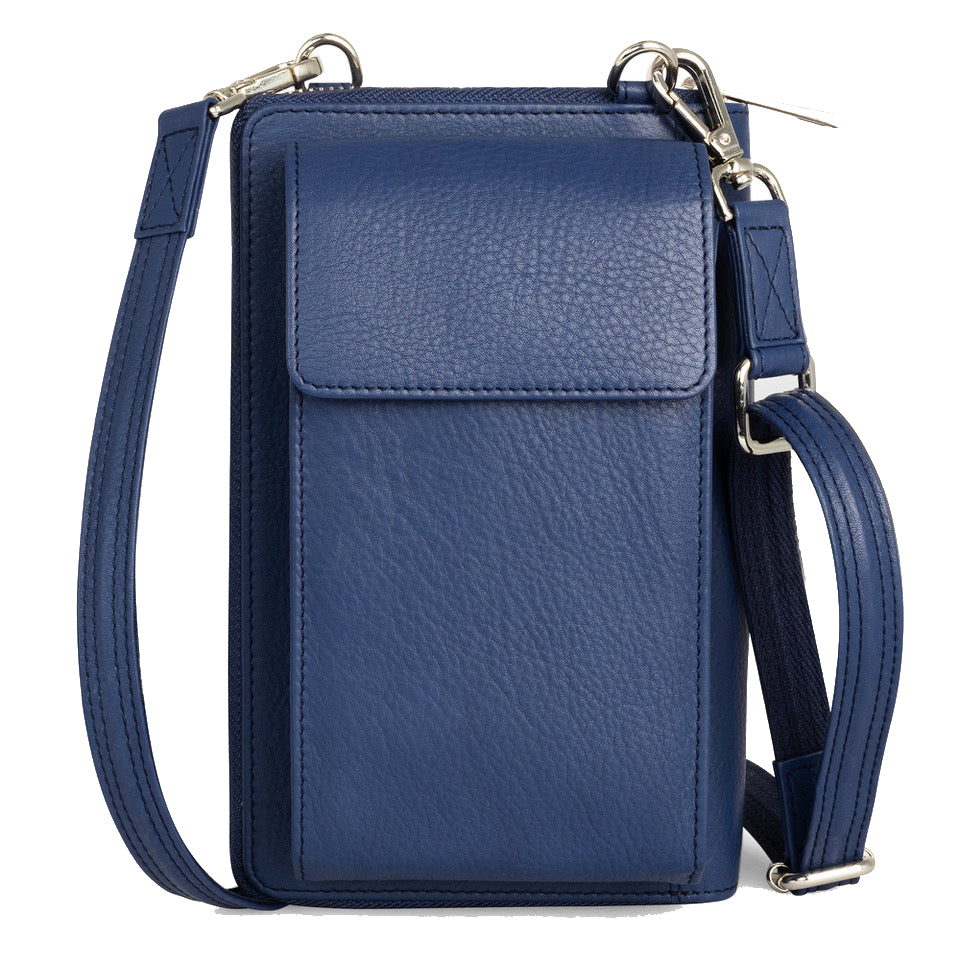
Master pattern scaling and hardware integration to create sophisticated pieces like crossbody purses. When adapting patterns for different phone sizes, add 1cm seam allowance for larger devices, this accommodates phones up to iPhone 15 Pro Max dimensions while maintaining structural integrity.
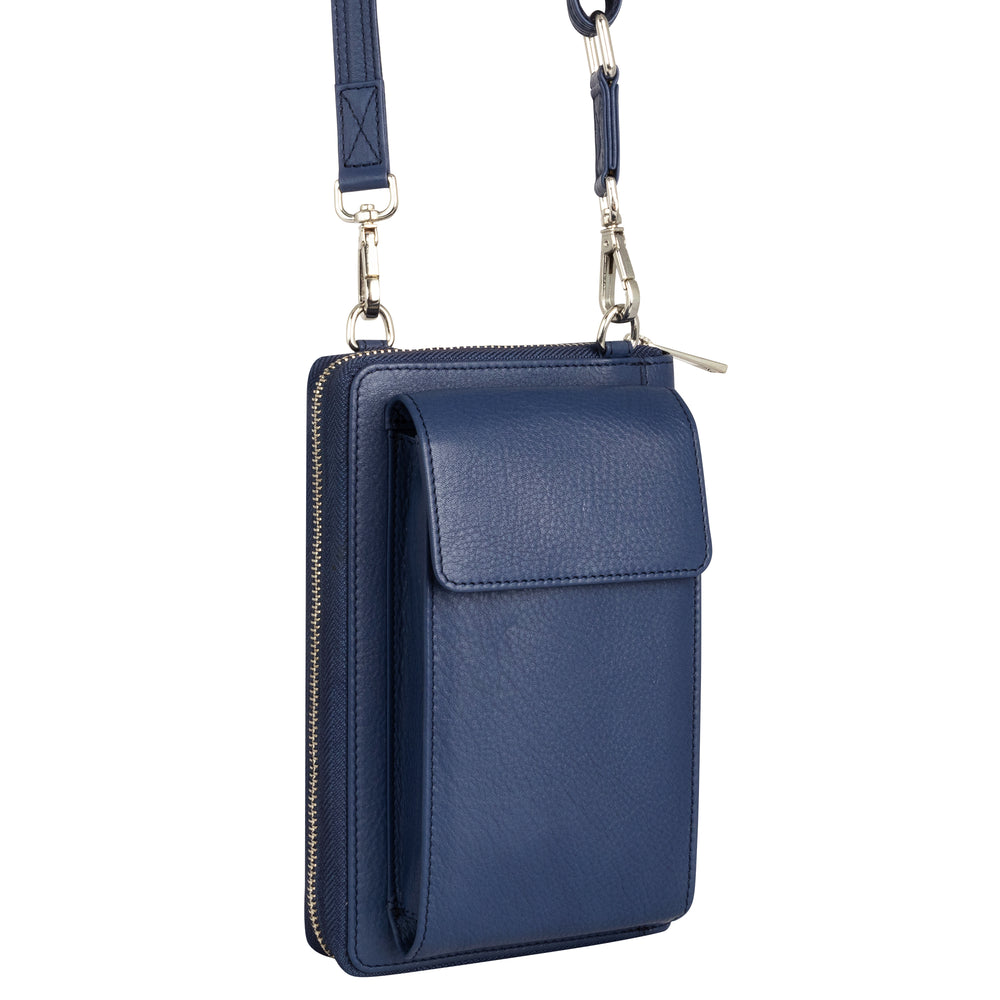
Professional zipper installation requires precise measurement and machine stitching. Install YKK zippers with 0.5mm offset stitching, ensuring smooth operation under load. For adjustable straps, engineer 110-130cm range capability using reinforced D-ring attachments and slash-resistant materials that meet security standards.
Price your first custom wallet at three times material cost, typically $40 for a basic bifold using quality leather. This markup covers time investment, skill development, and positions your work appropriately in the handmade market. Focus on ethical leather sourcing and sustainable practices that align with conscious consumer values. If you're ready to take your skills to the next level, explore the Crossbody Wallet Purse, XtraRoom for inspiration on advanced construction and design.
Leather Care, Troubleshooting, and Investing in Ready-Made Masterpieces

Apply leatherschool maintenance knowledge to extend any leather good's lifespan. Condition monthly using pea-sized amounts of quality conditioner like Bick 4, buffing for two minutes until absorbed. Maintain 40–60% humidity in your storage area to prevent cracking or mildew. For minor scratches, gently rub with a clean fingertip or a dab of conditioner; deeper marks can be minimized with a touch of matching cream polish. Always allow leather to air dry naturally, never use direct heat. These habits ensure your Bull Guard wallet or crossbody ages gracefully, developing a patina that tells your story.
For a comprehensive introduction to leathercraft, you can also consult this external resource on leathercraft basics.
The Future of LeatherSchool: Sustainable Practices and Digital Integration
Modern leatherschool programs increasingly emphasize ethical sourcing and waste reduction. Vegetable tanning gains popularity for its biodegradable properties, while digital pattern-making reduces material waste by 30%. Bull Guard's commitment to responsible leather sourcing reflects this industry shift toward transparency.
Emerging techniques include laser cutting for precision edges and 3D modeling for complex bag patterns. However, hand-stitching remains irreplaceable for durability, machine stitching fails where saddle stitching endures decades of daily use.
Virtual reality training modules now supplement hands-on instruction, allowing students to practice knife angles and stitching sequences before touching actual leather. This hybrid approach accelerates the traditional apprenticeship timeline from years to months. To learn more about the history and evolution of leather crafting, visit this Wikipedia article on leather crafting.
Choosing Your LeatherCraft Path: Final Recommendations
For immediate gratification and professional results, invest in Bull Guard's craftsmanship while building your skills gradually. Their Bifold with Flip Up ID demonstrates traditional techniques you'll learn in advanced leatherschool courses, while their crossbodies showcase the precision required for functional bag-making.
Budget-conscious beginners should start with online modules and practice kits, graduating to weekend workshops for hands-on guidance. Career-focused students benefit from formal apprenticeships, though self-taught artisans often develop more distinctive styles.
The most successful approach combines structured learning with quality examples. Study a Bull Guard wallet's construction, note the beveled edges, consistent stitch spacing, and leather selection. These details represent hundreds of hours of traditional leatherschool training distilled into everyday carry excellence. For more curated recommendations, see our picks for wallets best in class.
Frequently Asked Questions
What does the term 'LeatherSchool' mean and why is it important for learning leathercraft today?
LeatherSchool refers to the hands-on, structured education in leatherworking techniques combined with an appreciation for how quality leather evolves over time. It is important today because it connects traditional craftsmanship with modern practices, helping learners understand both how to create durable leather goods and how these pieces develop character through daily use.
How do different leather types and tanning methods affect the quality and aging of leather goods?
Leather quality and aging depend on more than just the type or grade; the tanning method and tannery expertise play crucial roles. Different leathers respond uniquely to wear and develop patina based on their preparation, so understanding these factors helps in choosing pieces that soften beautifully and last long.
What essential tools and techniques are recommended for beginners starting their LeatherSchool journey?
Beginners should start with basic tools like cutting knives, stitching needles, and edge bevelers, focusing on mastering cutting and stitching techniques. Hands-on projects, such as crafting a simple wallet inspired by Bull Guard designs, provide practical experience and build foundational skills.
How can daily use of leather items contribute to the development of a unique patina and character over time?
Daily use exposes leather to natural oils, light, and handling, which softens the material and creates a rich, personalized patina. This evolving character reflects the owner's lifestyle and experiences, making each piece a living companion that grows more beautiful and meaningful with time.