

how much cash should i have in my wallet
How Much Cash Fits Right in Your Everyday Wallet
Most financial planners recommend carrying between $50 and $200 in cash for daily use. Knowing how much cash should I have in my wallet depends on your routine, location, and spending habits--not a single universal number.
Why the Amount in Your Wallet Matters More Than You Think
Cash is the backup when card readers fail, apps crash, or you hit a cash-only vendor at a farmers market or food truck. Too little can leave you stranded. Too much raises your exposure if the wallet goes missing. The right amount lives at the intersection of convenience and caution--and it's a number only you can set.
Practical Cash Ranges by Lifestyle
- Urban professional, card-friendly city: $50 to $100
- Mixed errands, suburban or rural areas: $100 to $200
- Travel days or outdoor adventures: $200 to $300
- Emergency reserve (kept separate): $50 folded behind an ID
Reddit threads on how much cash to carry consistently land near $100 as the sweet spot--enough to cover a cab, a tip, a parking meter, or a split dinner bill, without stinging too much if it disappears.
What Actually Moves the Needle
Three things shape the right carry amount: how card-friendly your daily environment is, how far you roam from home, and whether you frequent cash-preferred businesses--local markets, barbershops, trailhead vendors. City commuters typically carry less. Weekend hikers and outdoor regulars tend to carry more. Either way, your wallet should organize whatever you choose without bulk or fumbling. That's where thoughtful design quietly earns its keep.
Your Lifestyle Guide: Cash Needs for Work, Gym, and Adventures

Daily Commute and City Life
City commuters rarely need more than $80 on a typical workday. Card readers cover transit, lunch, and coffee. Keep a folded $20 tucked behind your ID for parking meters, street vendors, or a cash-only tab. That small reserve answers how much cash should I have in my wallet on a standard urban day: enough to solve one unexpected problem, not enough to sting if lost.
Outdoor Enthusiasts and Trail-Ready Carry
Trail days change the math entirely. Trailhead vendors, state park entry booths, and roadside farm stands rarely accept cards. Carry $150 to $250 on adventure days, split between your main bill pocket and a secondary slot. A wallet that keeps bills flat and cards accessible without fumbling belongs in every pack or chest pocket.
Gym, Travel, and Hands-Free Scenarios
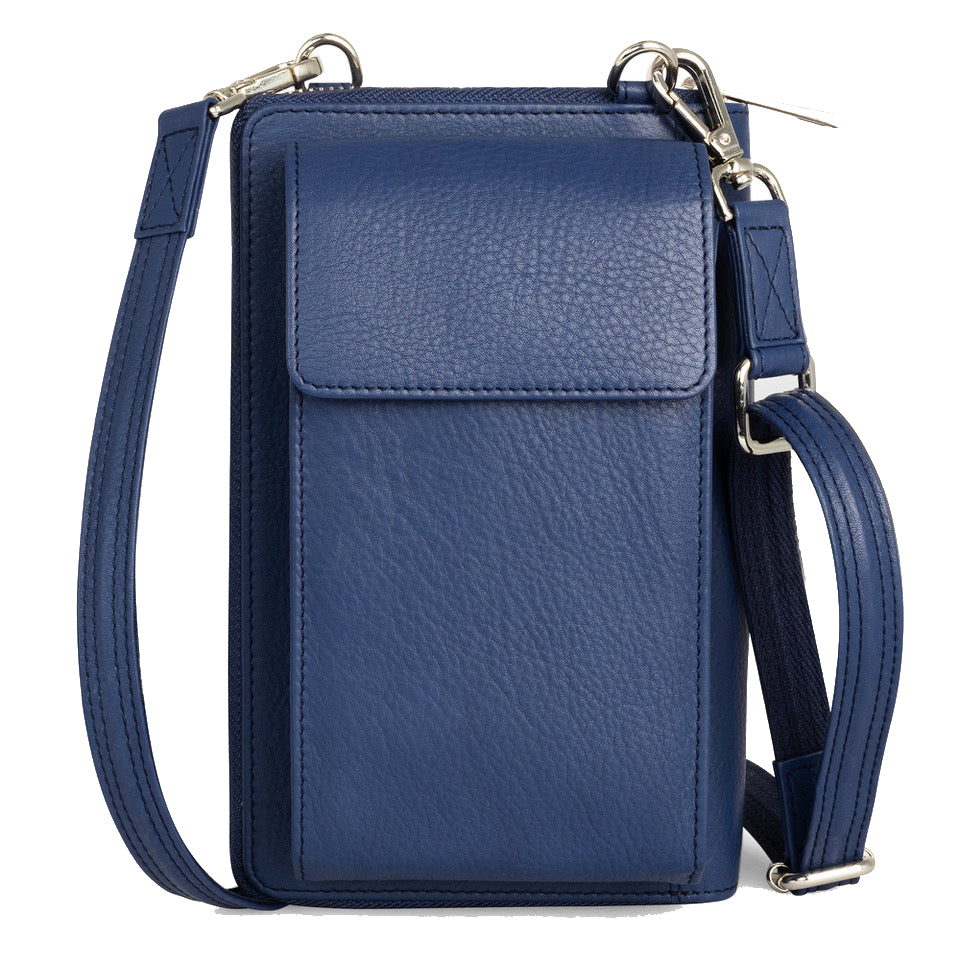
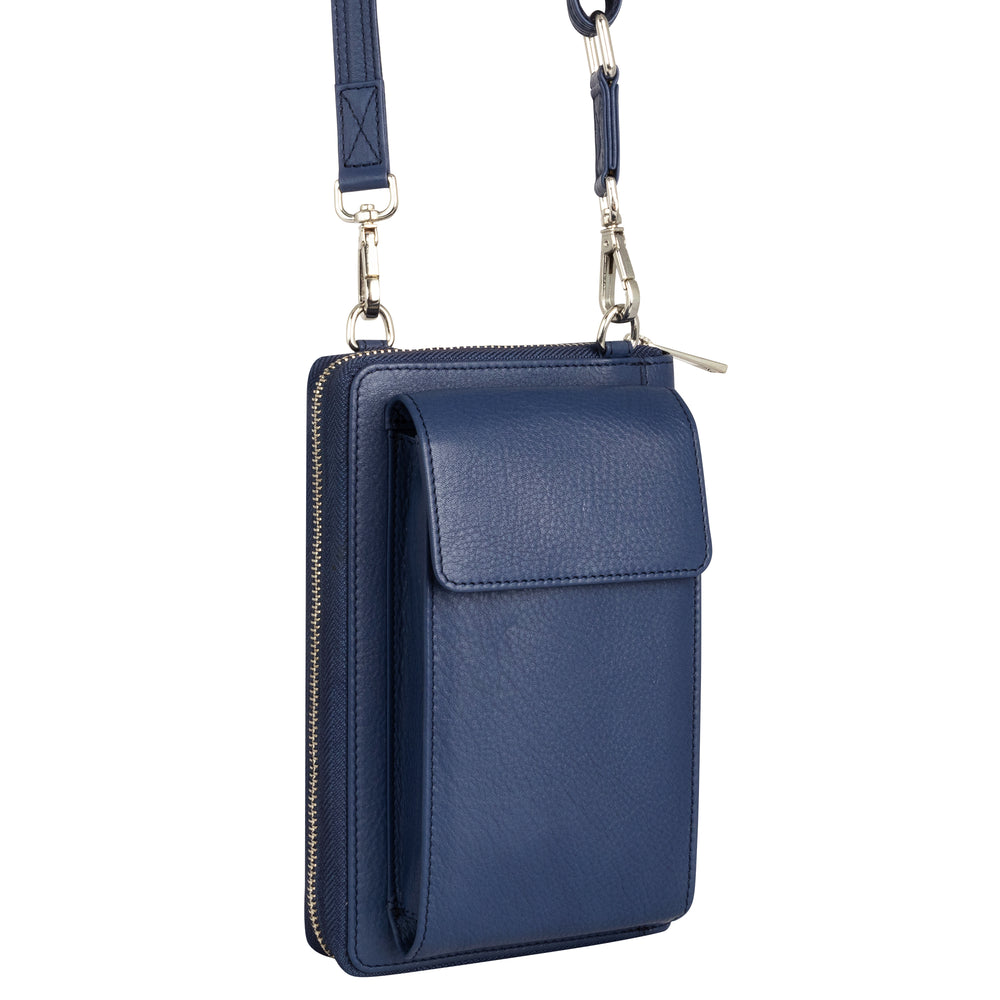
At the gym, $20 to $40 covers a post-workout smoothie or a locker that needs coins. For travel days, bump your carry to $200 minimum--tips, tolls, and cash-preferred local spots add up fast. Women who prefer carrying the XtraRoom Crossbody Wallet Purse get a secure, hands-free option that organizes cash, cards, and a phone without a bulky bag. Its 12 card slots, dedicated cell phone pocket, and RFID blocking at 13.56 MHz make it a practical travel and everyday companion.
| Scenario | Recommended Cash | Key Need |
|---|---|---|
| Urban commute | $50 to $100 | Quick access, slim carry |
| Suburban errands | $100 to $150 | Mixed card/cash flexibility |
| Outdoor adventure | $150 to $250 | Durable, organized billfold |
| Travel day | $200 to $300 | Multiple compartments, RFID protection |
| Gym only | $20 to $40 | Slim, front-pocket carry |
Security First: Protecting Your Cash and Cards from Electronic Theft
The Real Risk of RFID Skimming
Modern credit and debit cards broadcast data wirelessly. A skimmer held within inches of your wallet can lift card numbers and expiration dates in a crowded transit station, elevator, or checkout line. You never feel it happen. Deciding how much cash to carry matters a lot less if your card data is already gone before you reach the register.
How RFID-Blocking Wallets Keep Your Cards Safe
Carrying RFID Protection
- Blocks electronic skimming of credit, debit, and transit cards at 13.56 MHz
- Protects passport chips during travel
- Verified by independent scanner tests from real users
- Works passively: no batteries, no apps, no setup
Without RFID Protection
- Card data exposed in dense public spaces
- No warning when a skim attempt occurs
- Financial recovery from fraud can take days or weeks
Tested Protection That Matches Your Carry Needs
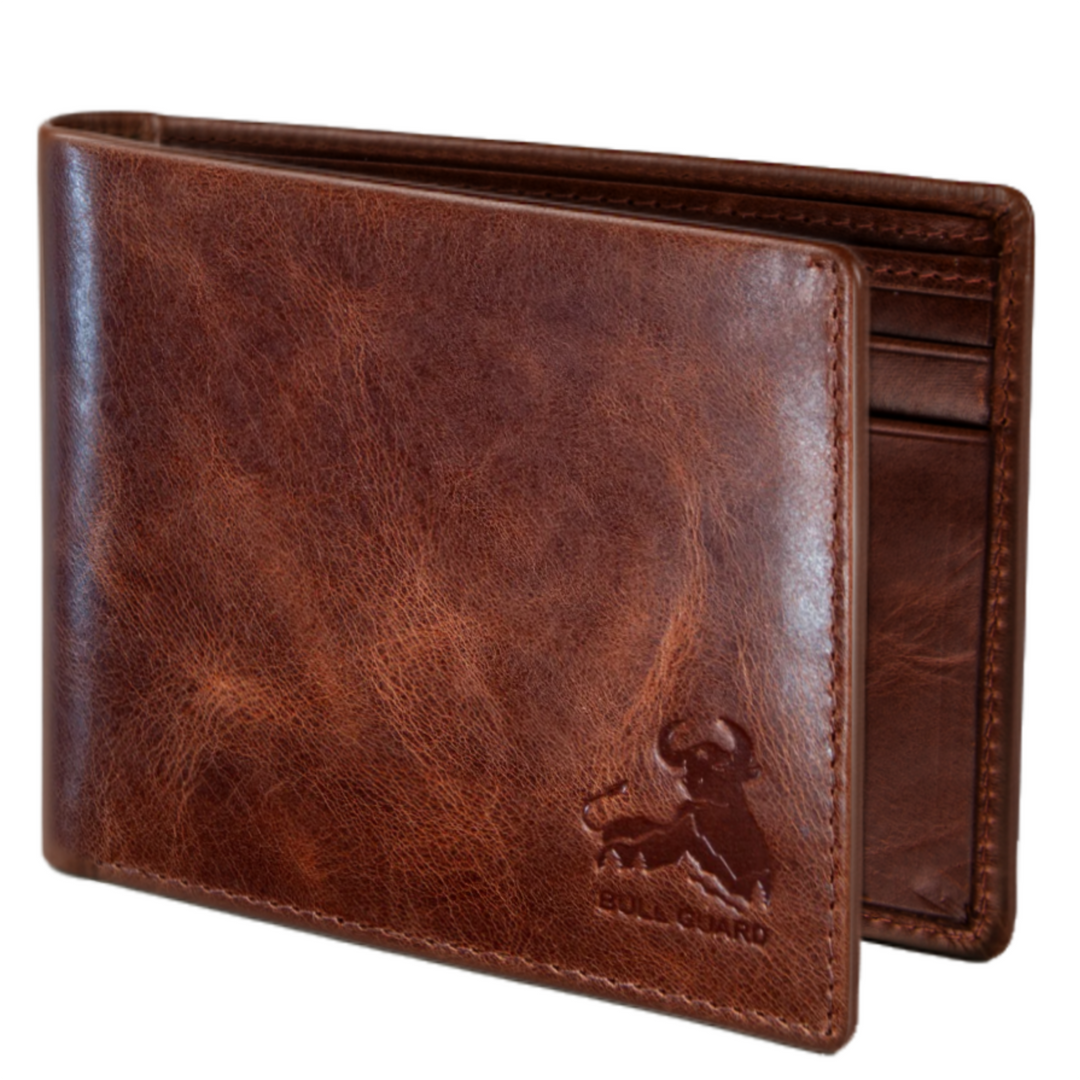
Bull Guard integrates RFID-blocking technology across its entire wallet lineup. The Bifold with Flip Up ID pairs a classic billfold layout with shielding verified by real-world testing. One customer--an electronics developer who ran his own scanner--reported zero reads through the closed wallet. That's the kind of peace of mind that should come standard.
Choosing a Wallet That Handles Your Cash with Confidence
Bifold and Trifold Options for Roomy Cash Storage
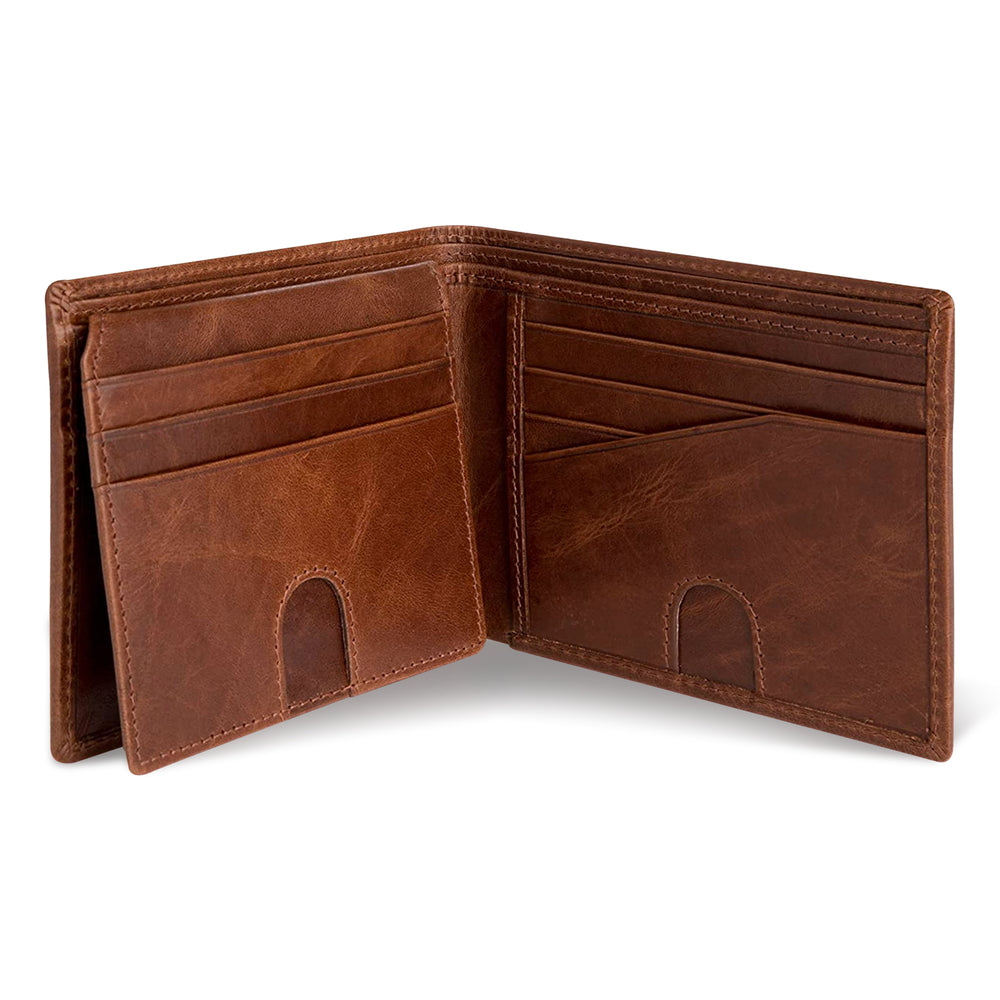
The Bifold with Flip Up ID suits men who carry multiple cards alongside folded bills. The flip-up ID window gives instant access without removing the card from its slot. Trifold models add a coin pocket and secured card slots inside the bill compartment--handy for separating a $50 emergency reserve from everyday spending cash. Both styles age beautifully in full-grain or top-grain leather, developing a patina that tells the story of where you've been.
Think of it like a restaurant: the cut of leather (full grain, top grain) sets the starting point, but the tannery, the finishing, and the craftsmanship determine the final result. You can feel the difference in your hands the moment you open one.
Slim Designs for Minimalist Daily Carry
Front-pocket carriers and commuters often prefer a slim leather wallet or slim bifold. These hold cards and folded bills without the rear-pocket bulk that distorts a trouser line. Select models offer optional AirTag compatibility--a useful tracking layer for travelers who want recovery options alongside RFID shielding. There's something clarifying about a wallet that physically limits excess. It makes the cash question answer itself.
Crossbody Purses for Women on the Move
The XtraRoom Crossbody Wallet Purse is built for women who want to carry a phone, cards, cash, and a passport in one slash-proof, adjustable-strap bag. At 7.5 × 4.75 × 1.2 inches, it holds 12 card slots, 3 flexible dividers, 2 ID windows, 2 dedicated cash compartments, a zippered coin pocket, and a cell phone pocket sized 3.5 × 6.3 inches. YKK zippers, quality metal hardware, and RFID blocking at 13.56 MHz cover everything from city errands to international travel. It ships with a lifetime warranty and free shipping on U.S. orders over $50. For broader context on wallet types and styles, the wallet overview on Wikipedia is a solid reference.
Build Habits That Make Cash Carry Effortless and Secure

A Sunday Reset That Takes Five Minutes
Every Sunday, set your cash for the week ahead. Pull receipts, restock your preferred carry amount, and tuck a $20 reserve behind your ID. That's it. Five minutes of intention means you never reach a register unprepared--and you never carry more risk than your week requires.
- Clear old receipts and expired coupons
- Reload cash to your target amount based on the week's plans
- Confirm your emergency reserve is in place behind your ID
- Wipe leather with a dry cloth to maintain the finish
Organizing Cash Alongside Cards and Essentials
Keep spending cash separate from your emergency reserve. Dedicate distinct slots to debit, credit, and loyalty cards so you're never fumbling at checkout. The Bifold with Flip Up ID makes ID retrieval instant--which matters at airport security, a pharmacy counter, or anywhere else a second of hesitation feels like an eternity. For broader guidance on spending and savings habits, the Consumer Financial Protection Bureau's money tools are worth bookmarking.
Long-Term Wallet Care for Lasting Performance
Quality leather rewards simple care. Keep your wallet out of your back pocket when you're seated for long stretches--pressure over time warps the structure. A light leather conditioner every few months keeps the grain supple. Over time, the leather softens and shapes itself to your routine, building the kind of character that only honest daily use creates. That's not wear. That's a story.
Carry Cash with Confidence: Your Practical Verdict
The Right Amount Reflects Your Life
After walking through these scenarios, the answer to how much cash should I have in my wallet is personal, not universal. City days often call for $50 to $100. Adventure weekends can push that to $200 or more. Travel days may justify $300 alongside solid RFID protection. The number matters less than the habit: know your week, set your amount, and carry it in a wallet designed to organize it cleanly.
Your Wallet Choice Seals the Habit
A wallet that fumbles at checkout or bulges in your pocket quietly discourages good cash habits. The Bifold with Flip Up ID addresses this directly. Dual bill pockets separate spending cash from your emergency reserve. Thumb-push card slots eliminate fumbling. The flip-up ID window handles airport security and pharmacy counters without removing a single card. RFID blocking works in the background--no setup, no maintenance, no thinking about it.
Full-grain and top-grain leathers from trusted tanneries soften and shape with daily use. Months in, the leather starts to carry your fingerprint. That's not metaphor. That's what quality leather actually does.
Frequently Asked Questions
How much cash should I carry in my wallet for daily use?
To carry life boldly, you need to be prepared, but not burdened. Financial experts often suggest keeping $50 to $200 in your wallet for everyday needs. The perfect amount truly depends on your unique routine, where you live, and your personal spending habits, not a one-size-fits-all rule.
Why is it still important to carry some cash?
Even in our digital world, cash is your untamed spirit's backup plan. It's there when card readers falter, apps crash, or you discover a charming cash-only vendor at a local market. Carrying the right amount ensures convenience and peace of mind, so you're never left stranded.
Does my lifestyle influence how much cash I should carry?
Absolutely, your lifestyle dictates your cash needs, helping you unleash your inner strength with confidence. An urban professional in a card-friendly city might find $50 to $100 sufficient, while someone navigating suburban errands might prefer $100 to $200. For travel days or outdoor adventures, carrying $200 to $300 helps you conquer any unexpected situation.
What is a good amount of cash for city commuting or a typical workday?
For your daily commute and city life, you rarely need more than $80 in cash. Card readers cover most transit, lunch, and coffee expenses. I always recommend tucking a folded $20 behind your ID, ready for a parking meter, a street vendor, or splitting a tab at a cash-only spot, ensuring you're prepared without feeling reckless.
How much cash should I pack for outdoor adventures or travel?
When you're ready to embrace adventure, your cash needs change. For trail days, where vendors and park entry booths often don't accept cards, carry $150 to $250, perhaps split between compartments. For travel, a minimum of $200 helps cover tips, tolls, and unique local businesses that prefer cash, allowing you to carry life boldly wherever you roam.
How can I protect my cash and cards from electronic theft?
Protecting your financial freedom is paramount, especially from unseen threats like RFID skimming. Modern cards can broadcast data, making you vulnerable in crowded spaces. Bull Guard wallets integrate RFID-blocking technology at 13.56 MHz, shielding your credit, debit, and transit cards from electronic theft and giving you peace of mind.
What kind of wallet helps me manage my cash and cards effectively?
A well-designed wallet is a true companion, helping you organize your cash with confidence and strength. Our Bull Guard Bifold with Flip Up ID, a best seller, suits men who carry multiple cards and folded bills, offering instant access to your ID. For women on the move, the XtraRoom Crossbody Wallet Purse, made from genuine premium top-grain leather, keeps cash, cards, and your phone organized securely with RFID blocking and a slash-proof strap.