

Key Takeaways
- The "front and backpack" strategy enhances security by keeping valuables within easy reach during travel.
- Splitting gear between front and back bags improves organization and accessibility for commuters.
- This carrying method offers quick access to essentials, making it ideal for hiking and outdoor activities.
- Combining front and back carry addresses limitations of using a single bag system.
Table of Contents
- Front vs. Back: What "Front and Backpack" Really Means for Modern Carry
- Backpack Access Styles: Front-Loading, Top-Loading, and Panel-Loading Explained
- Front Bag (Chest Bag) vs. Backpack: Roles, Safety, and Comfort
- Panel Loader and Hybrid Designs Comparison
- How to Wear Front Bag and Backpack Together Without Wrecking Your Back
- Travel Backpacks: Front-Loading vs. Hiking Packs for Real Trips
- Front Bag + Backpack for Digital Nomads and Everyday Commuters
Front and Backpack: How to Choose, Carry, and Combine Packs for Real-World Travel & Everyday Life
The phrase "front and backpack" confuses many travelers, but it represents one of the smartest carrying strategies for modern life. Whether you're navigating airport security with valuables in reach, commuting with tech gear split between packs, or hiking with quick-access essentials on your chest, combining front carry with back carry solves problems that single-bag systems can't.
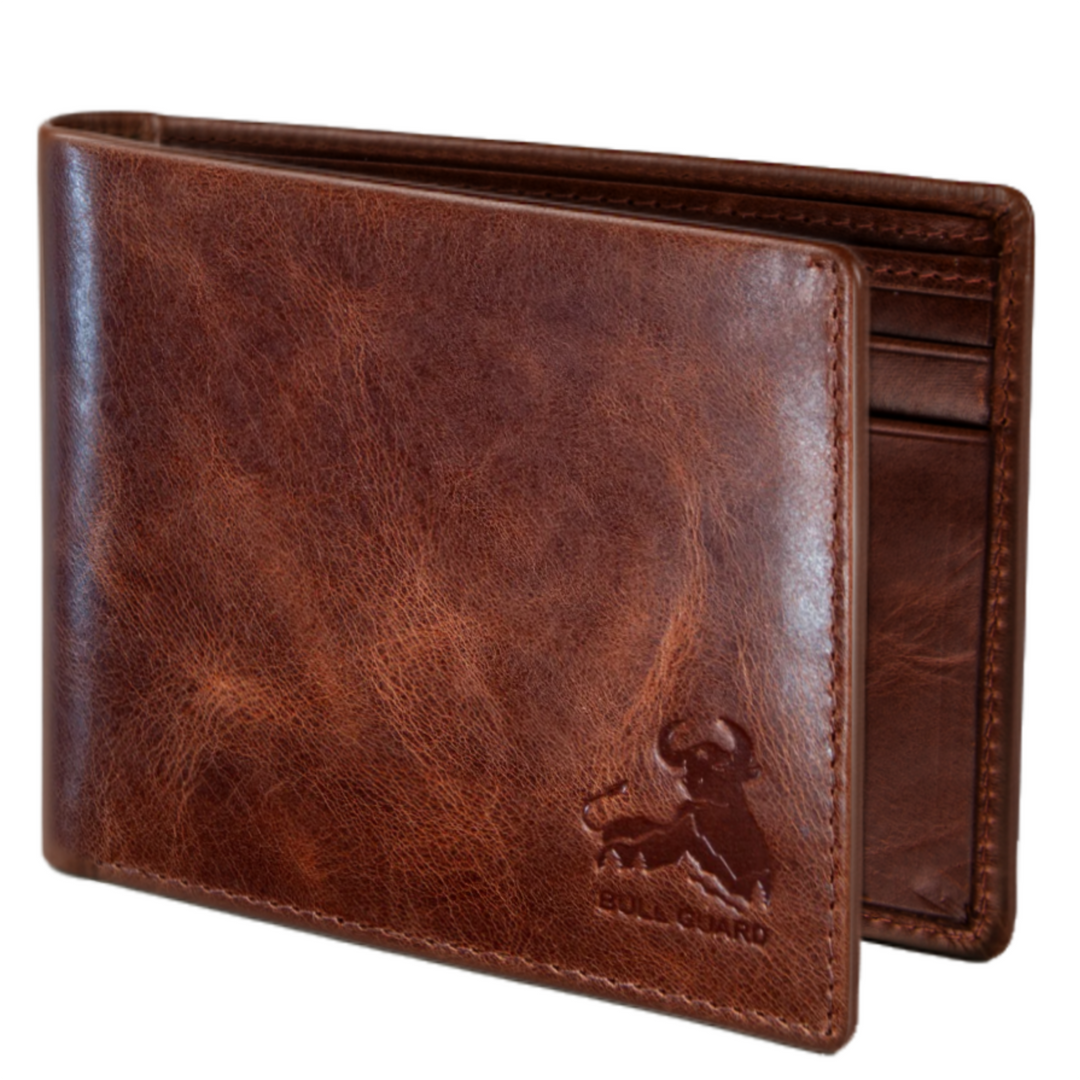
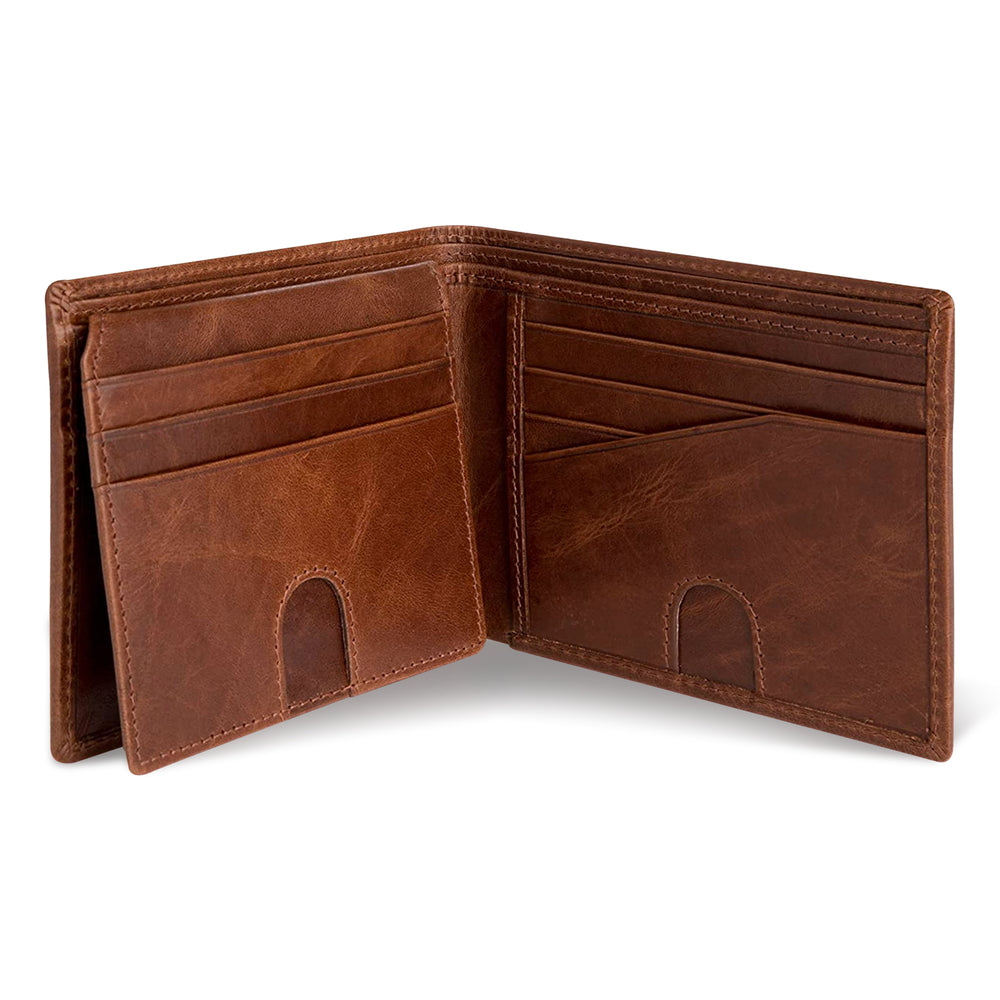
For travelers who want to keep their essentials close and organized, using a leather card holder wallet in your front bag is a smart move. Whether you're navigating airport security with valuables in reach, commuting with tech gear split between packs, or hiking with quick-access essentials on your chest, combining front carry with back carry solves problems that single-bag systems can't.
This guide cuts through the confusion to show you exactly how to choose, pack, and wear front bag and backpack combinations that actually work. You'll learn when bifold slim wallets beat bulkier options for travel, how to distribute weight without wrecking your posture, and which setups excel for everything from digital nomad travel to mountain day hikes.
Front vs. Back: What "Front and Backpack" Really Means for Modern Carry
Defining the Gear
When travelers say "front and backpack," they're usually describing one of two setups: a chest bag worn with a traditional backpack, or a front-loading backpack paired with a smaller daypack. The terminology matters because each serves different needs.
- Front bag/chest bag: 1-5L capacity worn on chest for valuables and quick access items
- Backpack: Main pack worn on back, typically 20-65L depending on use
- Front-loading backpack: Suitcase-style pack that opens via front zipper panel
The front bag + backpack combination emerged because travelers needed secure access to essentials without removing their main pack. Unlike front-loading backpacks (which describe zipper placement), this system keeps documents, electronics, and valuables visible and accessible while distributing weight across both front and back.
Why This Combo Exists
Three core problems drive the front and backpack approach: security, access speed, and capacity management. In crowded transit hubs, a front bag keeps passports and phones visible while your main pack carries everything else. For day-long city exploration, quick access to maps, snacks, and cameras eliminates constant pack removal.
Digital nomads use this split to keep work essentials (laptop, chargers) separate from travel gear, while parents find front bags perfect for kid supplies that need instant access. Even commuters benefit, metro cards and phones stay in the front bag while laptops ride safely in the main pack.
For more on optimizing your carry setup, check out this guide to best front pocket wallets.
Backpack Access Styles: Front-Loading, Top-Loading, and Panel-Loading Explained

What Is a Front-Loading (Suitcase-Style) Backpack?
Front-loading backpacks open via a large U-shaped zipper that runs around the pack's front panel, creating suitcase-style access to the main compartment. Most range from 30-45L for travel use and include internal compression straps, mesh dividers, and stowable harness systems that tuck away for airline travel.
These excel for one-bag travel, hostel hopping, and car-to-hotel trips where you need to see and organize everything quickly. The wide opening makes packing cubes shine and eliminates the archaeological dig required with top-loading packs when searching for specific items.
What Is a Top-Loading Backpack?
Top-loading packs feature a single opening at the top, typically with a drawstring closure and removable lid. Most hiking and mountaineering packs use this design because it creates a lighter, more weather-resistant shell that's easier to overstuff when needed.
Internal frame designs dominate modern top-loaders, with aluminum stays and framesheet panels that transfer weight to your hips. They carry tall items (sleeping bags, tents) better than panel loaders, but accessing gear at the bottom requires unpacking everything above it, frustrating in hostels or when you need something quickly.
Panel Loader and Hybrid Designs
Panel loaders split the difference with a large front zip that doesn't extend fully around the pack. This creates better access than top-loaders while maintaining more structure than pure front-loaders. Many include real suspension systems with hip belts, making them suitable for both travel and light hiking.
| Access Style | Best For | Organization | Weight/Durability |
|---|---|---|---|
| Front-Loading | City travel, hostels, one-bag trips | Excellent with packing cubes | Heavier zippers, more complexity |
| Top-Loading | Hiking, mountaineering, expedition | Challenging for small items | Lightest, most durable |
| Panel Loading | Mixed travel/hiking, versatility | Good compromise | Moderate weight, good durability |
Front Bag (Chest Bag) vs. Backpack: Roles, Safety, and Comfort
What Does Each Bag Do?
The front bag, often called a chest bag or sling, is your quick-access zone for valuables, passport, phone, wallet, and snacks. It keeps essentials visible and within arm’s reach, reducing the risk of theft and eliminating the need to remove your main pack in crowded spaces. The backpack, meanwhile, is your primary storage for clothing, tech, and bulkier items, distributing most of the weight across your hips and back for comfort over long distances.
Safety and Comfort Considerations
Wearing a front bag increases your awareness of valuables and deters pickpockets, especially in busy transit hubs or tourist areas. It also allows you to keep your hands free for tickets, coffee, or helping kids. However, balance is key: keep the front bag light (ideally under 5 lbs/2.5 kg) to avoid forward lean and back strain. Adjust straps so both bags sit comfortably without pinching or restricting movement.
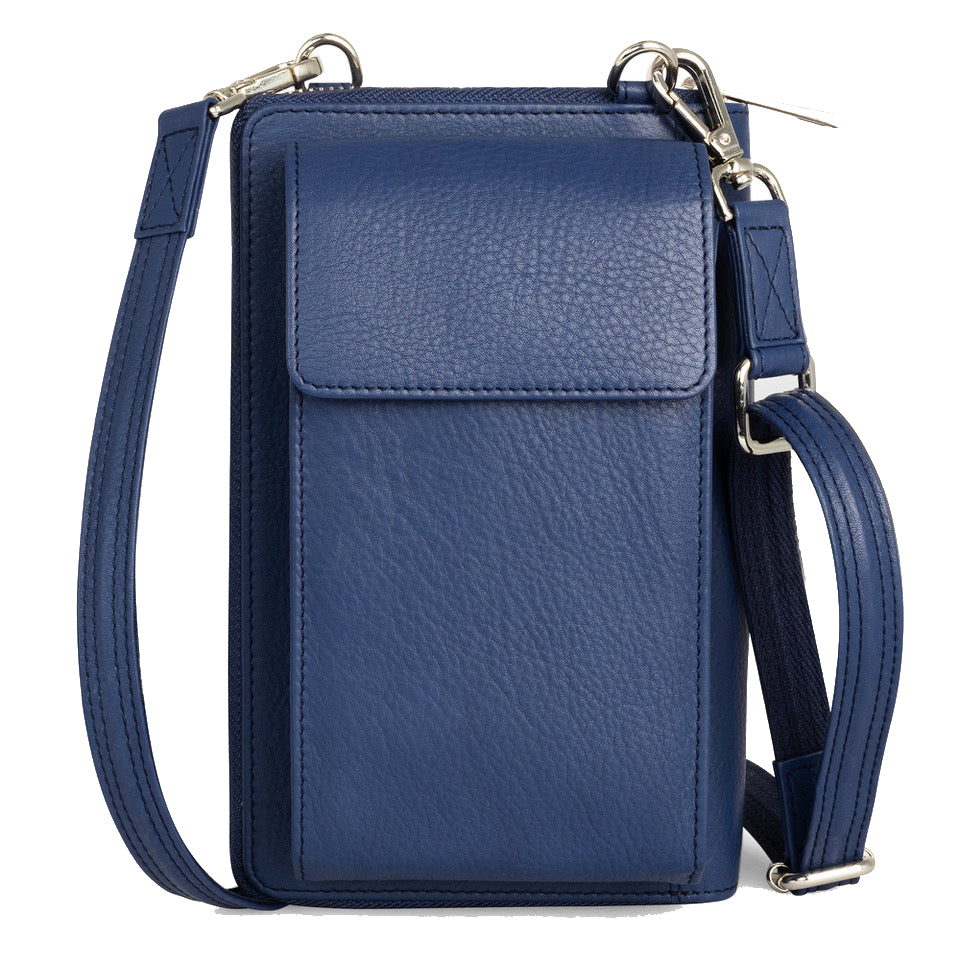
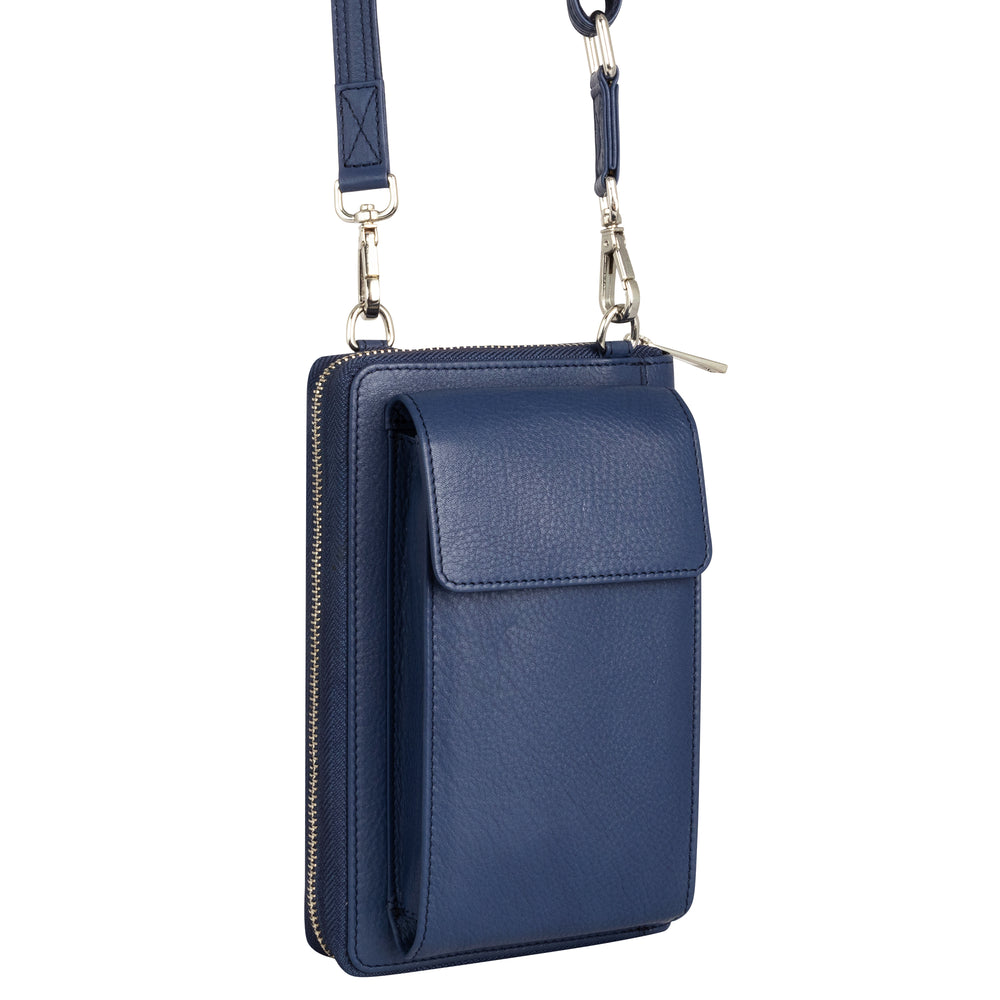
For those who value both security and style, a well-designed front bag or crossbody wallet purse can be a game-changer for daily commutes and travel alike.
Panel Loader and Hybrid Designs Comparison
Hybrid travel-hiking packs combine panel access with genuine suspension systems, offering versatility for mixed trips that include both city exploration and trail time. These packs typically feature hip belts rated for 20+ pounds and load-lifter straps that keep weight close to your back.
| Access Style | Best For | Organization | Weight & Durability |
|---|---|---|---|
| Front-Loading | Hotel travel, frequent packing | Excellent with packing cubes | Heavier zippers, more wear points |
| Top-Loading | Multi-day hiking, gear stability | Limited; requires strategic packing | Lightest, most weather-resistant |
| Panel-Loading | Mixed travel and light hiking | Good compartmentalization | Moderate weight, balanced durability |
Choose front-loading for city-heavy trips where you'll pack and unpack frequently. Top-loaders excel on trail-heavy adventures where gear stays put for days. Panel-loaders work best for travelers who need both urban organization and trail capability in a single pack.
If you want to explore more about different types of bags and their uses, see our article on satchels and bags.
How to Wear Front Bag and Backpack Together Without Wrecking Your Back

Load Distribution: How Much Weight Goes Front vs. Back
Target total carry weight at 20% of body weight maximum for full-day use, with 80-90% of that load on your back. Your front bag should never exceed 3-5 pounds (1.5-2.5 kg) even on long travel days. This ratio prevents the forward lean that causes neck and lower back strain.
Warning signs of front overloading include neck tension within 15 minutes, difficulty seeing your feet clearly, or feeling like you're fighting gravity to stand upright. When this happens, immediately move dense items like water bottles or tech gear to your main pack.
Strap Setup: Step-by-Step Fitting Routine
Follow this exact sequence for proper fit: First, put on your backpack and tighten the hip belt at your iliac crest (hip bones). Snug the shoulder straps and set the sternum strap at mid-chest level. Then add your front bag strap, positioning it so the bag clears your rib cage during deep breathing.
To avoid strap tangles, cross the front bag strap diagonally if it interferes with your backpack's shoulder straps. Tuck excess strap length to prevent snagging, and adjust the front bag height in 2-3 cm increments until it feels natural during arm movement.
Walking, Stairs, and Public Transit
Adjust your front bag higher and tighter on stairs so you can see your feet clearly. In crowded transit, slide your backpack off one shoulder and hold it at your side, while rotating the front bag under your arm when squeezing through doors.
For 10-20 minute walks, keep shoulders relaxed by slightly loosening your backpack's shoulder straps every few minutes. Let your hip belt carry the weight while your shoulders simply guide the pack. This micro-adjustment prevents the gradual shoulder creep that causes fatigue.
Hiking and Outdoor Use: Special Considerations
Pairing a front bag with a hiking backpack makes sense for camera gear, trail snacks, maps, and frequently-needed items like sunscreen or lip balm. However, front carry works best on smooth, well-formed paths where you can see your footing clearly. Avoid front bags on boulder fields, steep descents, or technical terrain where you need unobstructed vision.
For mountain days, keep these tactics ready: loosen or completely remove your front bag before scrambles or exposed sections. Use trekking poles to maintain balance when carrying front weight. Always keep heavy water bottles and dense gear in your main pack's back panel, never in the front bag where they'll pull you forward on steep terrain.
For more information on the history and design of backpacks, see this Wikipedia article on backpacks.
Travel Backpacks: Front-Loading vs. Hiking Packs for Real Trips
Travel Backpack vs. Hiking Backpack: What Changes and Why
Travel backpacks feature stowable harness systems that zip away for airline handling, smoother exteriors without external attachment points, and dedicated laptop sleeves with quick access. Hiking packs prioritize tall internal frames, external gear loops, and load lifter straps that keep weight close to your spine during movement.
These structural differences directly impact your experience: travel packs glide through airport security and hotel check-ins but feel unstable on rough trails. Hiking packs excel on uneven terrain but create hassles in overhead bins and hostel storage areas due to their external hardware and rigid frames.
Carry-On Size, Rolling Options, and Airline Realities
Standard carry-on dimensions hover around 22 x 14 x 9 inches (55 x 35 x 23 cm), but airlines vary significantly. Measure your packed front and backpack system by total linear inches, length plus width plus depth. Most carriers allow 45 linear inches, though budget airlines often restrict this to 42 inches.
Rolling backpacks excel on smooth airport floors and hotel corridors but struggle on cobblestones and stairs. Choose rolling options only if 80% of your travel involves wheeled-luggage-friendly surfaces. For mixed terrain, a front-loading backpack with compression straps offers more versatility than any rolling system.
Packing a Front-Loading Travel Backpack Efficiently
Master this five-step process: Lay your pack completely flat and unzip the main compartment fully. Place heavy items like shoes and tech within 3-4 cm of the back panel where they'll rest against your spine. Use three packing cubes, one each for tops, bottoms, and underlayers, to create organized sections.
Engage compression straps to reduce pack depth by 2-3 cm, keeping everything tight against the frame. Reserve outer pockets for a quick-access pouch containing items that might transfer to your front bag during travel days. This system works reliably for 7-10 day trips in a 35-40L pack.
| Pack Type | Best Trip Length | Terrain Suitability | Airport Ease |
|---|---|---|---|
| Front-Loading Travel Pack | 1-3 weeks | Urban, light trails | Excellent |
| Panel-Loading Hybrid | 1-4 weeks | Mixed urban/trail | Good |
| Top-Loading Hiking Pack | 3+ days to months | Backcountry, technical | Challenging |
For a practical way to keep your cards and cash secure while traveling, consider a magnetic money clip card case that fits easily in your front bag or pocket.
Front Bag + Backpack for Digital Nomads and Everyday Commuters
Commuter Setup: Laptop on the Back, Essentials on the Front
Optimize your commute with a 20-30L backpack featuring a dedicated laptop sleeve and organizer panel for cables and chargers. Your front bag handles immediate-access items: phone, transit pass, compact wallet, small notebook, and keys. This separation means never digging through your main pack during rush hour.
Create time-saving systems by always keeping your work ID in the front bag's outer pocket and positioning your phone in the same spot every day. These micro-habits eliminate the daily search-and-fumble routine that slows down commutes and creates stress.
If you prefer a hands-free solution, a crossbody wallet purse can keep your essentials accessible and secure during transit.
Digital Nomad Work-Travel Layout
Split your gear strategically so work essentials never leave your sight during travel. Front bag carries: passport, 1-2 bank cards, phone, slim wallet, earbuds, and SIM tools. Main backpack holds: laptop, charger, camera, clothing cube, and toiletries. This division ensures your most critical items stay accessible and secure.
Perfect your airport flow by moving your laptop to a quick-access sleeve 10-15 minutes before security. During screening, slide your front bag behind your back on the belt while keeping your passport in hand. This choreographed approach eliminates the frantic scrambling that marks amateur travelers.
For more tips on choosing the right backpack for guys, read our article on guys backpack.
Security Mindset for City Use
Position all zippers facing inward toward your body, making casual theft attempts obvious and difficult. Use double zipper pulls and consider small padlocks for high-risk areas. The front and backpack combination actually improves awareness because you're constantly conscious of both weight distributions.
For additional safety tips while traveling, see this CDC guide on travel safety.
Frequently Asked Questions
What are the main benefits of using a front bag and backpack combination compared to a single bag system?
Using a front bag and backpack together enhances organization by splitting gear into accessible zones, reduces strain through balanced weight distribution, and offers quick access to essentials without unpacking the main bag. This combination solves the limitations of single-bag systems by providing both security and convenience for diverse activities.
How does carrying a front bag and backpack together improve security and accessibility during travel?
Carrying valuables in a front bag keeps them within your line of sight and reach, reducing the risk of theft, while the backpack holds bulkier items securely on your back. This setup allows quick access to important items like wallets or passports without removing the main pack, making travel smoother and safer.
What types of front bags and backpacks are best suited for different activities like hiking, commuting, or digital nomad work?
For hiking, a small chest bag with 1-5L capacity paired with a durable hiking backpack offers easy access to essentials and ample storage. Commuters benefit from front-loading backpacks combined with compact front bags for tech gear and daily items. Digital nomads often prefer hybrid or panel-loading backpacks with front bags that organize gadgets and documents efficiently.
How can I distribute weight properly when wearing both a front bag and a backpack to avoid back strain?
To avoid strain, balance the load by keeping heavier items in the backpack and lighter, frequently used essentials in the front bag. Adjust straps for a snug fit on both bags, ensuring the front bag sits comfortably on your chest without restricting movement, while the backpack rests evenly on your shoulders and hips.