

diy chain wallet
# DIY Chain Wallet Guide: Build Your Own in 7 Easy StepsWhat Is a DIY Chain Wallet and Why Make One?
A DIY chain wallet is any wallet you've customized by adding a metal chain attachment. You clip one end to your wallet, the other to your belt loop or bag, so nothing gets lost mid-adventure. Building your own means you control every detail: chain weight, attachment style, and length that fits how you actually move through your day.
From Highways to City Streets
Motorcyclists in the 1950s needed wallets that stayed put at 70 mph. Punk rockers in the 1970s turned the chain into a statement piece. Today? Urban cyclists, hikers, festival-goers, and anyone tired of that pocket-patting panic claim the chain wallet for men as practical carry. The chain solves one problem beautifully: your wallet stays exactly where you put it.
Why DIY Beats Ready-Made
Pros of DIY
- Customize chain length for your body and carry habits
- Start with a wallet you already trust
- Replace worn parts instead of buying new
- Save $30-$80 vs. boutique chain wallets
Cons of DIY
- Takes about an hour plus basic tools
- Cheap materials fail fast
- Bad installation can tear your wallet
Starting with Quality Leather
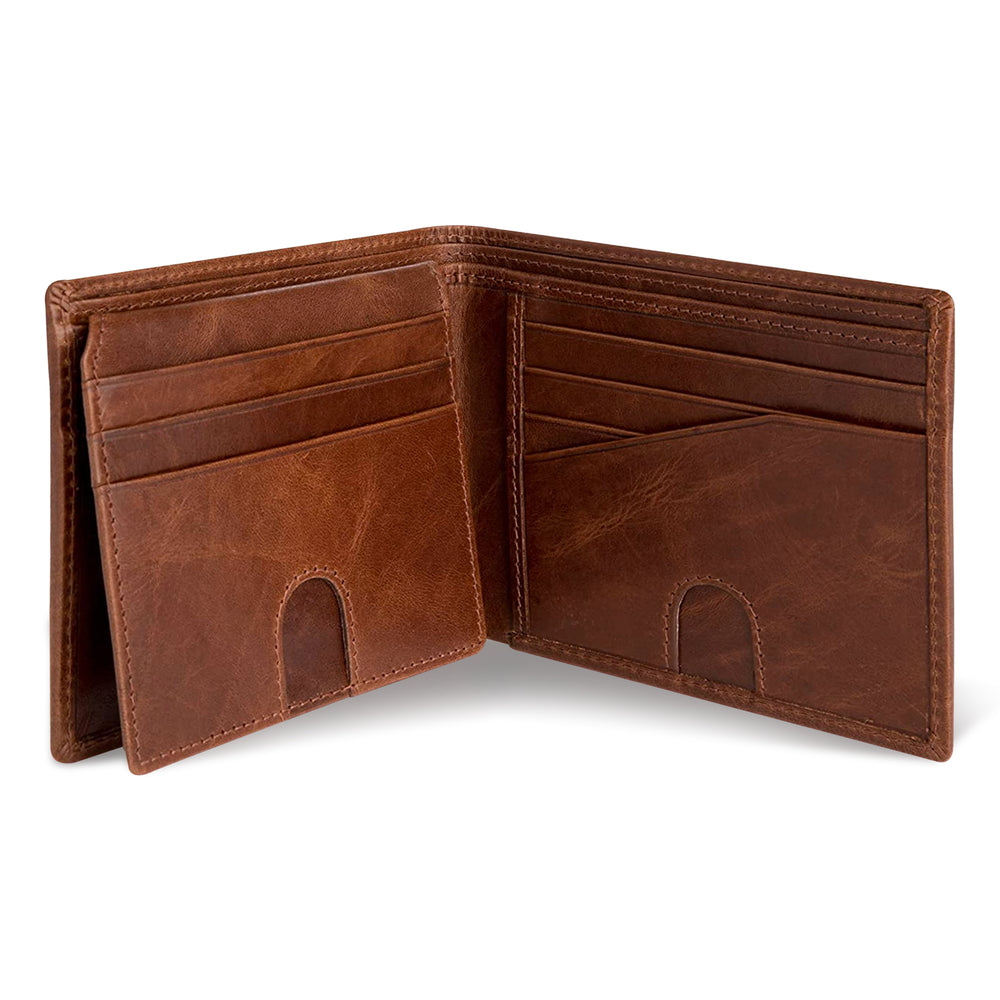
Your wallet becomes the foundation. Thin synthetic bases tear at attachment points within weeks. I've seen it happen. When I design each Bull Guard bifold and trifold, I select hides for durability and hand-feel, then reinforce stitching at stress points. The leather softens and darkens as you carry it--developing patina that tells your story. Add a chain, and you've got a companion built to last years, not months.
Materials You Need for a Durable DIY Chain Wallet

Chain and Hardware Essentials
Head to a hardware store or leather supply shop for these components (total cost under $20):
- Chain: Stainless steel or brass, 3-6 mm thick, rated for 50+ pounds. Skip ball chains--they snap. Go for curb, rope, or box link styles.
- Clasps: Two lobster clasps or trigger snaps
- Attachment hardware: One split ring plus either a leather rivet set or a small D-ring (match your chain finish)
Choosing Your Wallet Base
Your wallet must handle daily friction. "Genuine leather" labels tell you nothing about quality--that term just means real leather, and it spans everything from paper-thin scraps to thick, resilient hides. What matters is how the tannery selects and finishes the material.
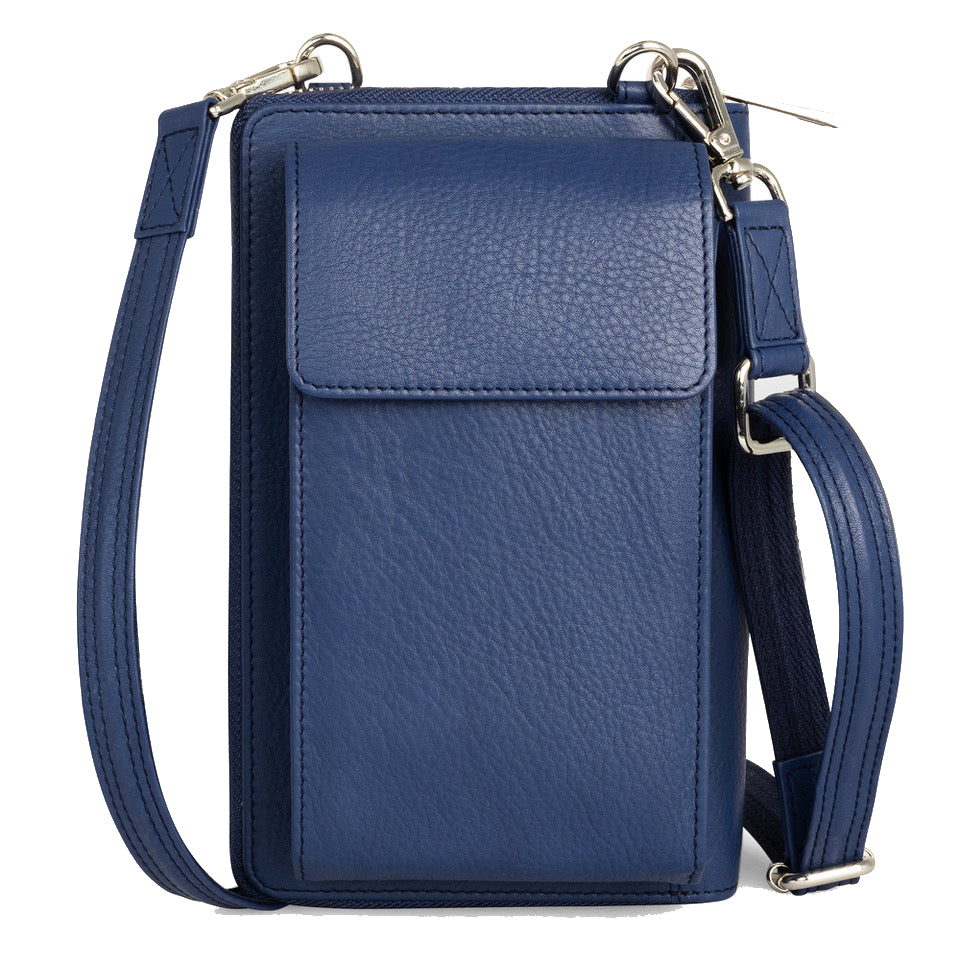
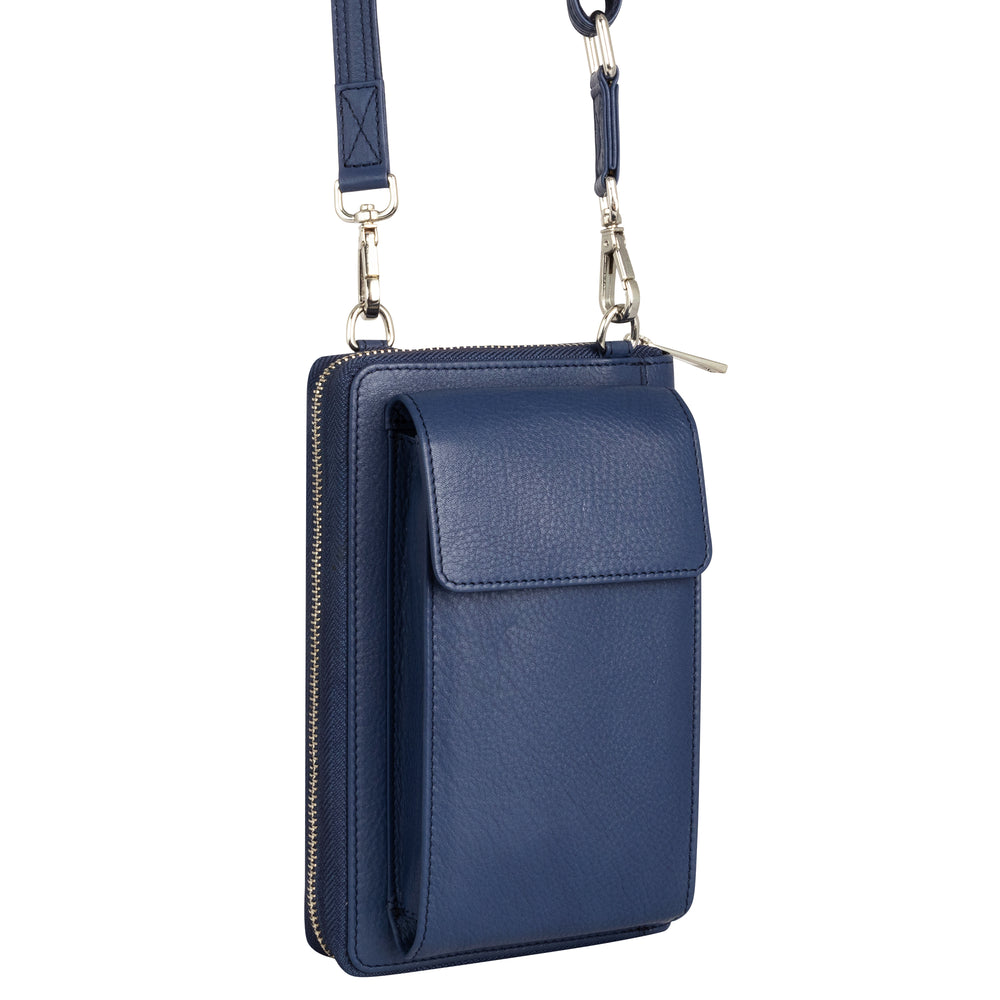
I test every Bull Guard prototype on city streets and mountain trails before we make it available. Our bifolds and trifolds are built from full-grain or top-grain hides chosen for long-term performance. The Freedom Trifold includes a secret pocket in the cash compartment--perfect for holding an AirTag alongside your chain attachment. For hands-free carry, the Small Crossbody Wallet Purse in Celestial Blue Moon Chai already has a slash-proof adjustable strap, but you can swap it for a decorative chain.
Tools for Assembly
You'll need a leather punch (or drill with 1/8-inch bit), needle-nose pliers, small hammer, and a rivet setter if you're using rivets. Work on a cutting board or scrap wood. Test your punch on scrap leather first--you want clean holes, no ragged edges.
Step-by-Step Guide to Building Your DIY Chain Wallet
Step 1: Measure and Cut Your Chain
Stand naturally. Measure from your preferred belt loop to where your wallet sits--pocket, bag, wherever. Add four inches for clasps and adjustment. Most guys need 12-16 inches for back-pocket carry; front-pocket users want 8-10 inches. Women often choose 14-18 inches for hip or crossbody placement.
Mark your measurement with tape, then cut cleanly through a link using bolt cutters or a jeweler's saw. File any sharp edges smooth.
Step 2: Attach the Chain Securely
- Find your attachment point. On bifolds, punch a hole in the corner fold opposite the opening, about 1/4 inch from each edge. On trifolds, use the area near the spine where it won't interfere with card slots.
- Install the D-ring or rivet. Thread a small D-ring through your punched hole. Secure it with a leather rivet--cap on the outside, stem through the hole and D-ring, backing set firmly with your hammer and rivet setter. Tug hard. It shouldn't budge.
- Connect the chain. Open a split ring with pliers and thread it through the D-ring. Attach one lobster clasp to the split ring, connect your chain to that clasp, then attach the second clasp to the chain's opposite end for your belt loop.
- Reinforce if needed. Thin leather? Add a small washer between the rivet cap and wallet surface to spread the stress.
Step 3: Test Strength and Fit
Clip the chain to your belt. Load your wallet with cards and cash. Walk. Sit. Crouch. Reach into your pocket repeatedly. The chain should allow full movement without yanking your belt or forcing you to unclip.
Give the wallet a sharp tug away from your body. The rivet and D-ring should hold without tearing or bending. Chain too long? Remove it, shorten by one or two links, reattach.
Styling Your DIY Chain Wallet for Modern Everyday Carry
Men's Looks: Work, Gym, Trails
Pair dark leather with a gunmetal chain for business-casual days--front pocket carry with a subtle drape along your thigh. At the gym, clip your trifold to a carabiner on your bag strap. Cards stay accessible without bulking up your gym shorts.
Weekend hikes or bike commutes? Attach your chain wallet for men to cargo pants or a backpack D-ring. It won't bounce out on rough terrain.
Women's and Gender-Neutral Styling
Layer a slim chain wallet over midi skirts or tailored trousers. Clip it to a belt loop or bag strap for hands-free shopping and travel. The Small Crossbody Wallet Purse in Celestial Blue Moon Chai fits passports and phones while the soft celestial leather resists scratches. Swap the strap for a decorative chain and you've got a statement piece for concerts or dinner dates.
How to Wear a Wallet Chain Without a Wallet
Attach your chain to a keyring loaded with essentials: house key, car fob, multitool. Clip the opposite end to your belt loop or bag strap. Secure tether, no pocket bulk. Or thread the chain through a carabiner holding a small pouch or AirTag case. Perfect for minimalist travelers carrying only cards in a phone case who still want the security and style of a visible chain.
Tips for Lasting Durability and Smart Upgrades

Monthly Inspections Save Headaches
Check your chain monthly for stretched links or worn clasps. Ball chains and thin decorative styles fail first--replace them with thicker curb or rope links.
Never attach chains to wallet seams or card slots. Repeated stress tears stitching. If your leather cracks around the rivet, the hide quality is too low. When you start with well-selected leather that's been properly tanned, it softens and darkens without splitting--even after years of chain carry.
Pair with RFID Protection for Complete Security
Your chain stops physical loss. But digital skimming? That's a different threat. All Bull Guard wallets include RFID-blocking technology to help reduce electronic pickpocketing in crowded airports, festivals, and transit. Physical chain plus invisible RFID shield equals dual protection for commuters and travelers.
Gifting Your Creation
Present your finished DIY chain wallet in its original box with a handwritten note explaining your material choices. Toss in a small bottle of leather conditioner and care instructions. For birthdays, pair a completed chain wallet for men with a matching belt or a second chain in a contrasting finish--gives the recipient outfit flexibility.
Final Thoughts: Building Something That Lasts
You can build a DIY chain wallet in one focused hour. But the result? That can accompany you through years of commutes, adventures, and daily routines.
Success depends on three decisions: chain hardware rated for real stress, leather that develops character instead of cracking, and attachment points that distribute load cleanly. The wallet you start with shapes everything. Thin synthetic bases fail at attachment points within months. Quality leather from trusted tanneries softens and darkens with use, creating patina that cheap materials never achieve.
Your finished chain wallet adapts anywhere. Clip it to belt loops for cycling or hiking security. Attach it to bag straps for hands-free shopping. Thread it through a carabiner when you want chain style without the wallet bulk. The visible chain signals you're prepared. The leather evolves into a record of where you've carried it.
Check your work monthly: stretched links, worn clasps, leather stress around the rivet. Replace components before they fail. Condition the leather twice yearly to maintain flexibility. As the wallet darkens and softens, it becomes unmistakably yours--shaped by your routine, marked by your adventures.
Frequently Asked Questions
Are there places where carrying a chain wallet might be an issue?
While chain wallets offer incredible security and personal style, some venues might have specific rules about accessories. I believe in carrying life boldly, and for most everyday adventures, a well-crafted chain wallet is a trusted companion that keeps your essentials close and secure, preventing loss.
What's the best way to attach a chain to my wallet for lasting security?
To truly make a chain wallet your own, start with a durable wallet base like our Bull Guard bifolds or trifolds, which feature reinforced stitching. You'll punch a precise hole, secure a D-ring with a leather rivet, then connect your chosen chain using sturdy clasps. This ensures your wallet becomes a living companion, ready for any adventure.
Do chain wallets offer real protection against pickpockets?
A chain wallet certainly makes it much harder for your essentials to be lost or easily snatched. By securing your wallet to your belt or bag, you create a physical tether that deters opportunistic theft. Our Bull Guard wallets also come with integrated RFID blocking, adding another layer of digital security for your cards.
Is a standard necklace strong enough to be used as a wallet chain?
For a true chain wallet that stands up to daily life, I always recommend choosing chains rated for at least 50 pounds of pull, like stainless steel or brass curb links. Regular necklaces are often designed for aesthetic appeal, not the functional strength needed to secure your wallet, which could lead to easy breakage and loss.
What materials are best for a durable DIY chain wallet?
For a chain wallet that truly lasts, I suggest starting with full-grain or top-grain leather for the wallet base, like our Bull Guard creations. For the chain itself, choose stainless steel or brass in a curb, rope, or box link style, between 3mm and 6mm thick, ensuring it's rated for at least 50 pounds of pull. This combination ensures your wallet becomes a living companion, developing character over years.
How do I determine the right length for my DIY wallet chain?
The perfect chain length is all about your personal carry style. Stand naturally and measure from your preferred belt loop to where your wallet rests in your pocket or bag, then add about four inches for clasps. Most men find 12 to 16 inches works for back-pocket carry, while women often prefer 14 to 18 inches for hip or crossbody placement, allowing you to carry life boldly with comfort.