

best leather for wallet
The best leather for a wallet is full-grain or premium top-grain from trusted tanneries, chosen for durability, hand-feel, and how it ages. Cowhide and buffalo lead in strength, while thickness between 1.2–1.6 mm balances structure and flexibility. Tanning method matters too: vegetable-tanned develops rich patina, while chrome-tanned breaks in faster. Quality isn't a simple grade label; it's the entire process, from hide selection to finishing craftsmanship.
Full-grain keeps the hide's natural surface for maximum strength and patina. Top-grain is sanded lightly for a refined feel while staying durable. Both outperform lower grades when sourced well. Match your thickness to wallet style: 1.2–1.4 mm works for slim card cases, 1.4–1.6 mm for bifolds and trifolds.
What Makes the Best Leather for a Wallet
Two wallets stamped "full grain" can feel and wear completely differently. Why? Because tannery expertise, hide selection, and finishing methods drive real-world performance, not just the label.
Think restaurants. The cut of meat matters, but the chef, ingredients, and preparation determine what lands on your plate. Same with leather.
Full-Grain Leather: Strength from the Surface
Full-grain keeps the hide's outermost layer intact. No sanding. No buffing. That preserves the tight fiber structure that resists wear and moisture.
This surface develops a patina over months—darkening and softening into a one-of-a-kind finish. It's my go-to for wallets meant to last years, not seasons.
Top-Grain Leather: Balance of Feel and Durability
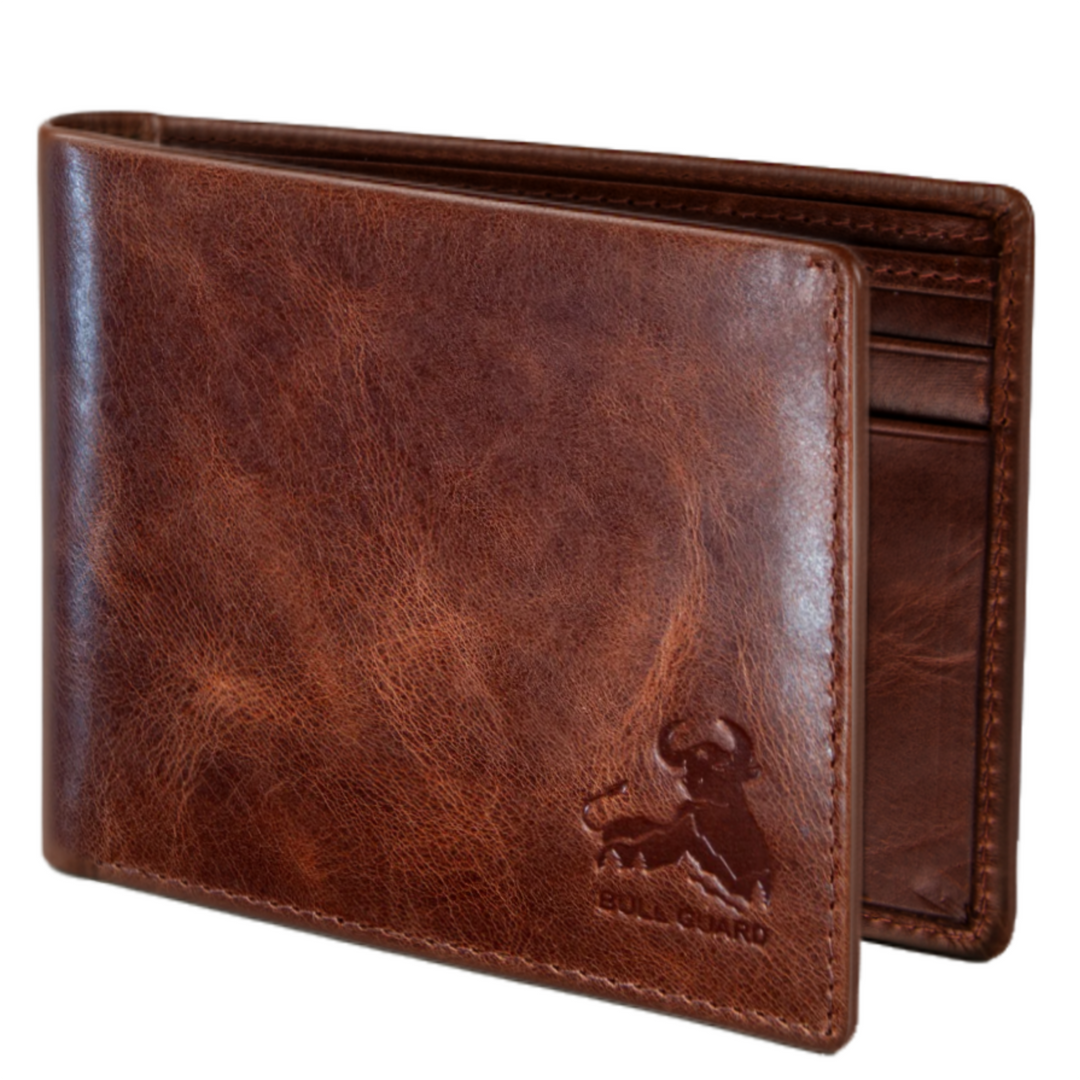
Top-grain is lightly sanded to remove surface imperfections, then finished for a smooth, consistent texture. It breaks in faster and still offers excellent longevity. I use it in many Bull Guard wallets because it combines durability with immediate comfort and a polished look.
Why Processing Method Matters More Than Labels
The traditional hierarchy—full grain, top grain, genuine—describes processing, not absolute quality. "Genuine leather" simply means real leather. That's it. It spans everything from premium to bargain-bin.
Judge by feel, stitching, and tannery reputation. A well-made top-grain wallet from a skilled tannery will outlast a poorly finished full-grain piece every time. I've seen it happen.
| Leather Type | Surface Treatment | Patina Development | Break-In Time | Best For |
|---|---|---|---|---|
| Full-Grain | None (natural surface) | Rich, unique aging | Longer | Long-term daily carry |
| Top-Grain | Light sanding + finish | Moderate, even tone | Shorter | Polished style, quick comfort |
Cowhide and Buffalo: Top Animal Hides for Wallets

Cowhide dominates wallet production for good reason: it's strong, consistent, and widely available. Buffalo offers a distinct grain texture and extra toughness for those who want character and resilience.
Why Cowhide Leads in Wallet Strength
Cowhide's fiber density makes it resistant to tearing and stretching. It holds stitching well, ages predictably, and works across wallet styles—from slim card cases to roomy trifolds. Most premium wallets start here because it delivers reliable performance at scale.
Buffalo Leather's Unique Texture and Toughness
Buffalo hide is thicker with a natural pebbled grain. Highly scratch-resistant. Develops a rugged patina faster than cowhide.
If you carry your wallet in a back pocket or toss it into a bag with keys, buffalo leather shrugs off the abuse. I've watched customers beat up their buffalo wallets for years—still going strong.
Matching Hide to Your Everyday Needs
Choose cowhide for a refined look and versatile aging. Pick buffalo if you prioritize texture, scratch resistance, and a bold aesthetic. Both last for years when paired with quality tanning and construction.
Pros
- Cowhide: smooth finish, consistent grain, widely available
- Buffalo: distinctive texture, strong scratch resistance, fast patina
Cons
- Cowhide: shows scratches more easily than buffalo
- Buffalo: heavier feel, less common in slim wallet designs
Ideal Leather Thickness for Different Wallet Styles
Thickness determines pocket feel, flexibility, and how cards slide in and out. Too thin? Flimsy. Too thick? Bulges. The sweet spot depends on your wallet's structure and how many cards you carry.
1.4–1.6 mm for Bifolds and Trifolds
Bifolds and trifolds need enough body to hold shape when full. Leather between 1.4–1.6 mm provides structure without stiffness, letting the wallet fold smoothly while protecting cards. This range also ages well—softening over time without sagging. Explore my collection of bifold wallets designed with this thickness for lasting use.
1.2–1.4 mm for Slim Wallets and Card Cases
Card cases and minimalist front-pocket wallets work best with 1.2–1.4 mm. Thinner stock stays sleek in a shirt pocket or jeans while maintaining enough strength to resist stretching. Pair this with quality stitching to reduce tearing at stress points. Consider the Card Holder with or without Airtag for a slim and practical option.
How Thickness Affects Break-In and Patina
Thicker leather takes longer to break in but develops deeper, more dramatic patina. Thinner leather softens faster and shows color changes sooner.
Both last for years if the hide quality is high. Thickness is about preference and carry style, not durability alone.
| Wallet Style | Ideal Thickness | Flexibility | Break-In Period |
|---|---|---|---|
| Bifold & Trifold | 1.4–1.6 mm | Moderate | 2–4 weeks |
| Slim Card Case | 1.2–1.4 mm | High | 1–2 weeks |
Pro Tip: Thickness under 1.2 mm can feel flimsy after months of daily use. Above 1.8 mm creates unnecessary bulk. The 1.2–1.6 mm range delivers the best balance for long-term pocket carry.
Vegetable-Tanned vs Chrome-Tanned: Aging and Durability
Tanning transforms raw hide into stable leather. The method affects color, flexibility, and how your wallet changes over years of use. Vegetable tanning uses plant extracts and takes weeks. Chrome tanning uses mineral salts and finishes in days.
Vegetable-Tanned Leather's Patina
Vegetable-tanned leather starts pale and stiff, then darkens into rich amber or chocolate tones as oils from your hands and sunlight react with the tannins. This patina is permanent and unique to your wallet's journey.
It's my choice when I want an accessory to tell a story.
Chrome-Tanned for Quick Comfort
Chrome tanning produces supple, colorfast leather that feels broken in from day one. It resists water better than vegetable-tanned hides and holds dye evenly—ideal for wallets in black, navy, or forest brown. Patina is subtle, focusing more on softness than color shift.
Which Method Fits Your Style?
Both methods produce durable leather when done well. Vegetable-tanned excels in patina and traditional appeal. Chrome-tanned wins on immediate comfort and weather resistance.
Your choice depends on whether you value evolving character or consistent appearance. I offer both in the Bull Guard collection because different carriers have different priorities.
Pros
- Vegetable-tanned: dramatic patina, traditional craftsmanship, more eco-friendly tanning process
- Chrome-tanned: soft from the start, water-resistant, stable color
Cons
- Vegetable-tanned: longer break-in, shows water spots at first
- Chrome-tanned: minimal patina, less distinctive aging
Bull Guard Wallets: Full-Grain and Top-Grain in Action

Every Bull Guard wallet starts with premium full-grain or top-grain leather selected for durability and hand-feel. I work with trusted tanneries to source hides that break in beautifully and last for years of daily carry.
How I Choose Leather for Each Style
My bifold and trifold wallets use 1.4–1.6 mm cowhide or buffalo leather—structure without bulk. Slim card cases feature 1.2–1.4 mm stock for front-pocket carry.
Finishes include Nappa, Saffiano, Crazy Horse, and Wild Buffalo. Each offers distinct texture and aging. You pick what fits your life.
RFID Protection Paired with Premium Hides
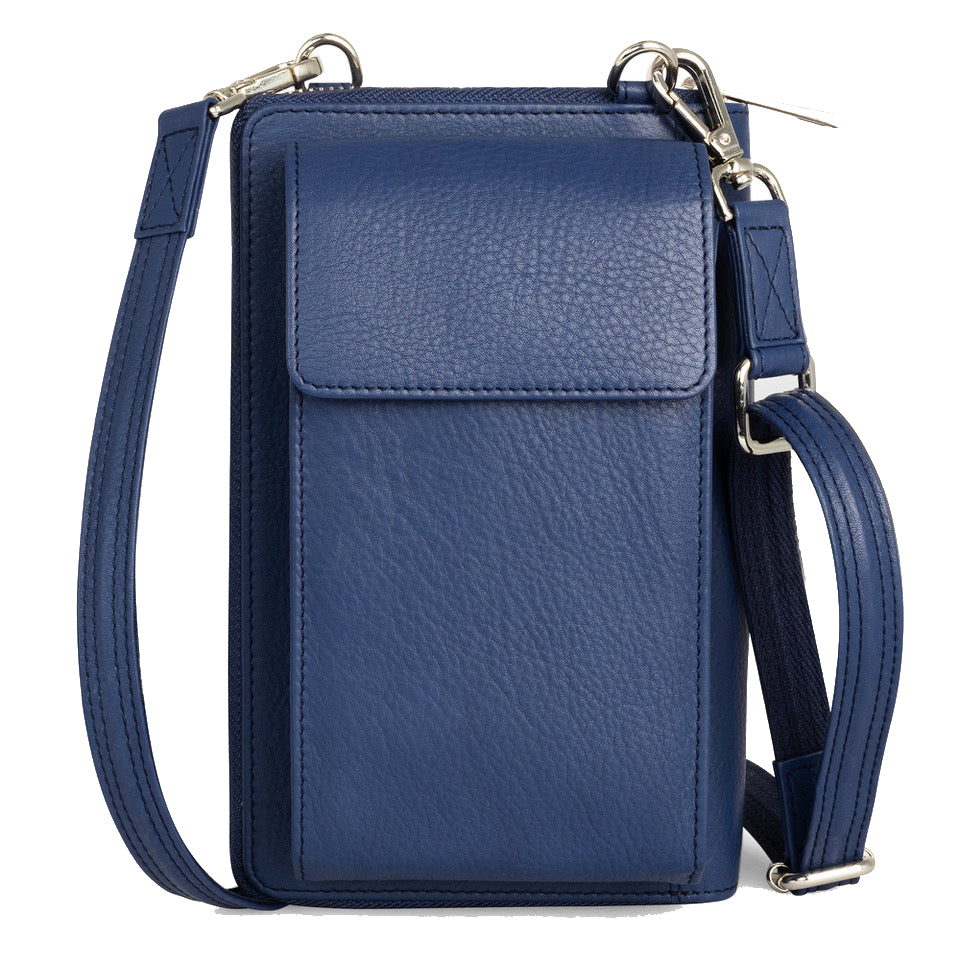
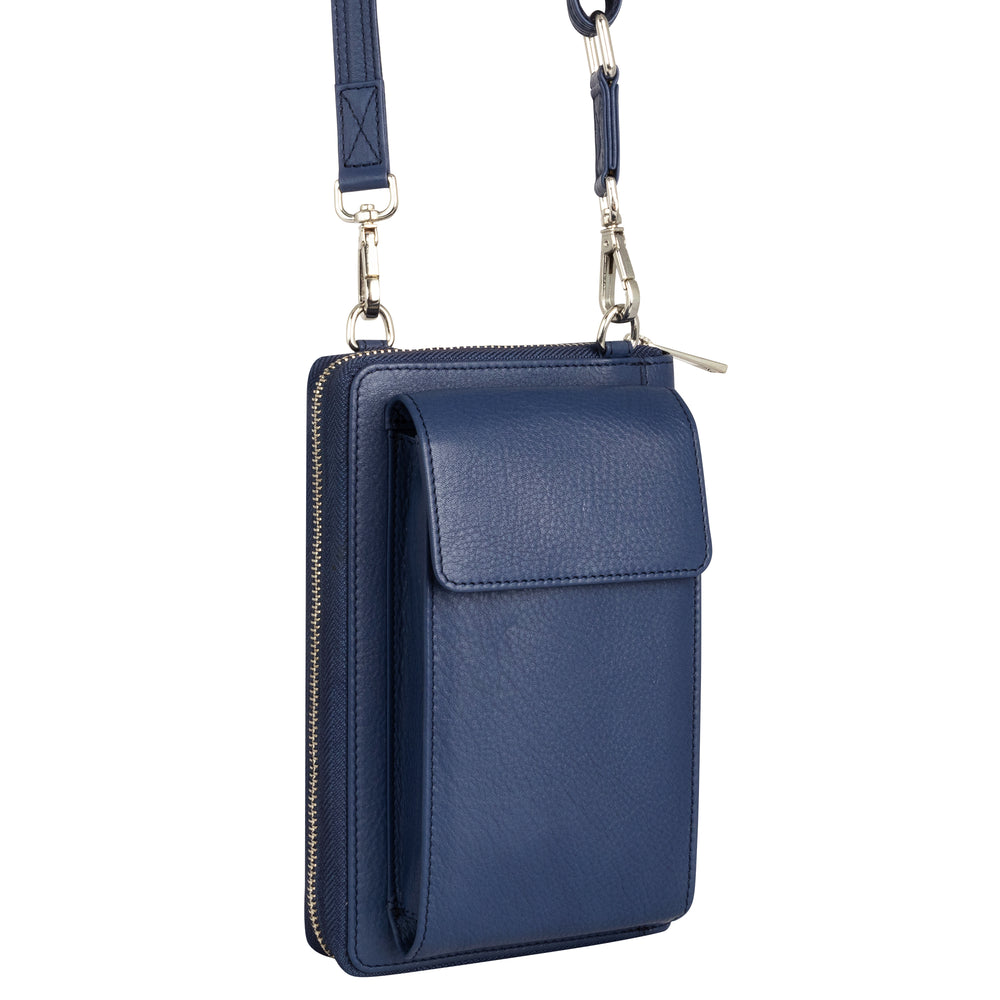
RFID-blocking technology is integrated into every wallet and crossbody purse, protecting your cards from electronic pickpocketing without adding thickness. Security and style work together, not against each other.
Real Stories from Real Carriers
C. Kiehl's bifold still looks new after 18 months in a back pocket. Developer Duck ran scanner tests and confirmed RFID blocking works. Rick calls his wallet "rugged sophistication that withstands the urban jungle."
These aren't accessories. They're companions that carry your life with confidence.
Find Your Perfect Match
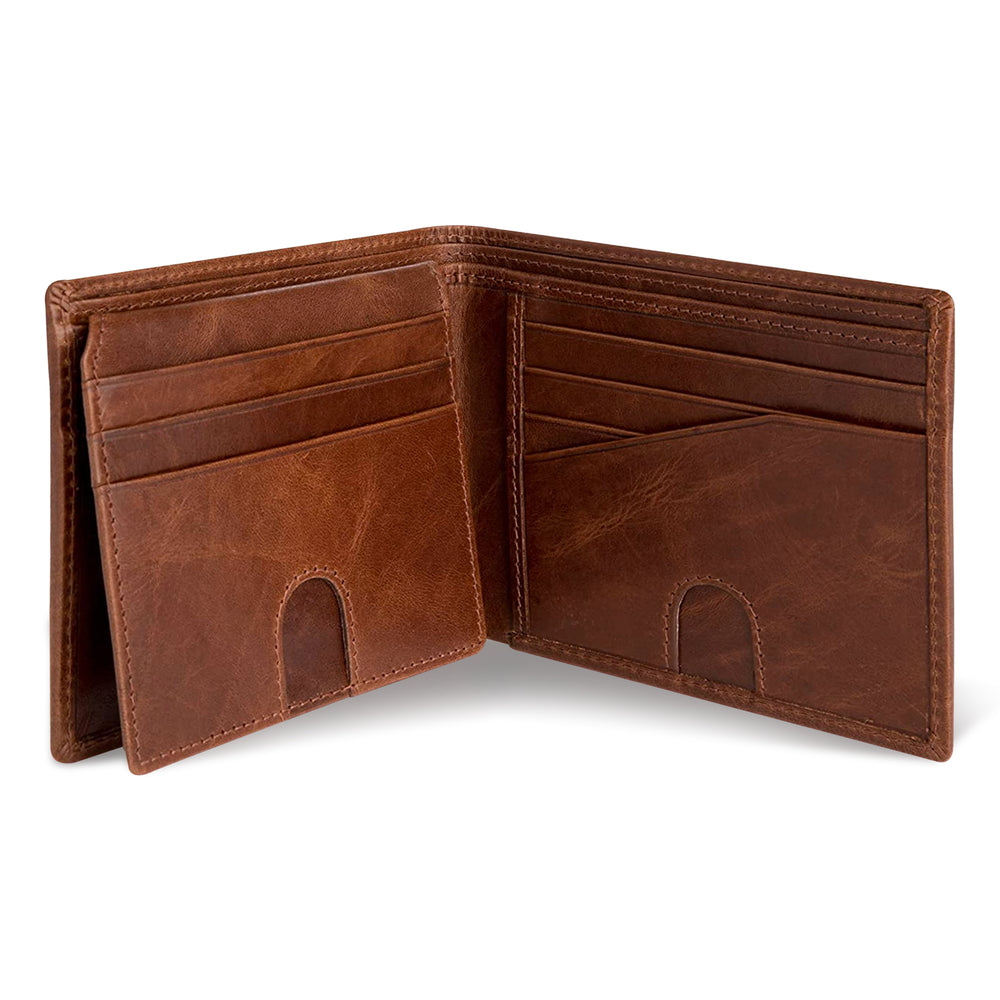
Choose a classic bifold with flip-up ID if you value a traditional layout. Go trifold for extra card slots and a hidden AirTag pocket. Need minimalist? My slim card cases disappear in a shirt pocket.
Every style is built to last, age beautifully, and simplify your daily carry.
Ready to carry life boldly? Explore my full collection of RFID-blocking wallets in full-grain and top-grain leather. Find your perfect match today.
Choosing the Right Leather for Your Wallet and Lifestyle
Your wallet touches your hands dozens of times a day. The best leather should feel right from the first pull and improve with every month of carry.
Match hide type, thickness, and tanning method to how you actually live. Front pocket or back? Minimalist or organized? Rugged outdoor use or daily commute?
Match Leather Type to Your Carry Style
Full-grain cowhide suits those who want maximum patina and don't mind a break-in period. Top-grain works for anyone seeking immediate comfort with long-term durability. Buffalo appeals to outdoor enthusiasts and tradespeople who need scratch resistance.
Vegetable-tanned delivers evolving character. Chrome-tanned gives stable color and quick softness.
Thickness Determines Your Pocket Experience
Slim front-pocket carriers need 1.2–1.4 mm leather to avoid bulk. Back-pocket users can handle 1.4–1.6 mm for better structure.
Card count matters too. Eight or more cards often do better with slightly thicker stock to reduce stretching. Test thickness against your daily card load before committing.
Quality Signals Beyond the Grade Label
Check stitching density and thread weight. Run your thumb across the grain to feel fiber tightness. Smell the leather—real hides have an earthy, organic scent.
Flex a corner gently. Quality leather rebounds without deep creasing. These tactile cues reveal tannery skill better than any grade stamp.
Final Verdict: Best Leather for Wallet Longevity and Style
The best leather for wallet longevity combines premium hide selection, expert tanning, and thickness matched to your wallet style. Full-grain and top-grain from trusted tanneries outperform lower grades when the entire process is done right.
For bifolds and trifolds, aim for 1.4–1.6 mm cowhide or buffalo. Slim card cases work well with 1.2–1.4 mm top-grain. Prioritize stitching quality, RFID protection, and a finish that matches your aesthetic.
A well-chosen wallet becomes a daily companion that softens, darkens, and molds to your routine over years of carry.
Bull Guard wallets pair full-grain and top-grain leather with RFID blocking, thoughtful organization, and construction built for the long haul. Whether you choose a classic bifold, a roomy trifold with a hidden AirTag pocket, or a minimalist card case, you're investing in leather that lives boldly alongside you.
Pick the hide and thickness that fit your life. Then let the patina tell your story.
Your Next Step: Explore Bull Guard's collection of RFID-blocking wallets in full-grain and top-grain leather. Find the style, thickness, and finish that match how you carry life every day.
Frequently Asked Questions
What type of leather is truly best for a wallet that lasts?
For a wallet that becomes a living companion, full-grain and premium top-grain leather stand out. Full-grain retains the hide's natural strength, developing a unique patina, while top-grain offers a refined feel with excellent durability. Both are chosen for their ability to carry life boldly, resisting the wear of everyday adventure.
Which animal hide offers the most strength for a wallet?
When we talk about strength for your wallet, cowhide and buffalo leather lead the charge. Cowhide is widely favored for its consistent strength and ability to hold stitching well, making it a reliable foundation for your journey. Buffalo leather, with its distinct grain and extra toughness, is for those who seek a rugged character that shrugs off daily challenges.
Beyond just the type, what defines the best leather quality for a wallet?
True leather quality for your wallet goes beyond a simple grade label, it's about the entire journey. It encompasses the expertise of the tannery, the careful selection of the hide, and the finishing craftsmanship that brings out its inherent strength. This complete process ensures your wallet becomes a trusted companion, ready for any adventure.
What thickness of leather should I look for in a wallet?
The ideal leather thickness for your wallet balances structure with flexibility, ensuring it feels right in your pocket. For bifolds and trifolds, 1.4–1.6 mm provides lasting form, while slim card cases thrive with 1.2–1.4 mm leather. This careful selection ensures your wallet remains a sleek, strong companion without unnecessary bulk.
How do tanning methods affect a wallet's character and longevity?
The tanning method profoundly shapes your wallet's character and how it ages alongside you. Vegetable-tanned leather, crafted with plant extracts, develops a rich, deep patina that tells your unique story over time. Chrome-tanned leather, using mineral salts, breaks in faster, offering immediate comfort for your everyday adventures.
Why should I choose premium leather for my wallet?
Choosing premium leather for your wallet means investing in a companion that will stand the test of time, developing a unique story with every carry. It's about the durability, the hand-feel, and the way it ages into a one-of-a-kind piece that reflects your journey. This commitment to quality ensures your Bull Guard wallet unlocks inner strength and invites everyday adventure.