

1.5 inch belt
Why 1.5 Inches Is the Standard Belt Width
The 1.5 inch belt fits most jean and pant loops, balances strength with flexibility, and works across body types. This width delivers reliable hold without bulk, whether you're on the job site, hitting the trail, or heading to dinner.
Designed for Modern Pant Loops
Most jeans, chinos, and work pants have loops built for this width. A narrower belt shifts and sags; a wider one fights every loop. This measurement locks into place, distributes tension evenly, and keeps your carry stable when you're clipping keys, a phone holster, or a multi-tool.
One Belt, Three Wardrobes
Quality leather at this width moves from weekend hikes to Monday meetings. Pair it with denim and boots, dress it up with slacks, or trust it under a tool belt. The surface area supports weight without cutting into your waist.
A Visual Balance for Any Frame
Wider tactical belts can overwhelm a slim build. Narrow dress belts look lost on broader frames. 1.5 inches frames your waistline without competing with your outfit. As the leather develops patina, it becomes a signature piece.
Comparing Belt Widths: What Works Where
Narrow Belts: 1 to 1.25 Inches
Dress belts run 1 to 1.25 inches. They slide through smaller loops on tailored trousers and create a refined line under a blazer. The trade-off? Less support for heavy items and limited compatibility with rugged pants.
Standard Width: 1.5 Inches
You get enough leather to hold shape through years of wear, enough width to support a wallet or keys clipped to your waistband, and a fit that works across casual and work wardrobes. A well-made belt in top-grain leather softens and molds to your body while gaining character.
Wide Belts: 1.75 to 2 Inches
Tactical belts measure 1.75 to 2 inches. They're built for heavy-duty carry—holsters, gear, tools. The downside: most standard pant loops won't fit them, and they can feel stiff for all-day wear.
| Width | Best For | Loop Compatibility | Everyday Comfort |
|---|---|---|---|
| 1–1.25" | Dress pants, formal wear | Tailored loops only | Light carry, refined look |
| 1.5" | Jeans, chinos, work pants | Universal fit | All-day support, versatile |
| 1.75–2" | Tactical gear, bold style | Limited to wider loops | Heavy-duty, statement piece |
How to Size Your Belt Correctly
Start with Your Actual Waist
Grab a soft tape measure and wrap it where you actually wear your belt—over the pants you'll pair it with most. Add two inches to that measurement for your belt size. Wear a 34-inch waist? Order a 36-inch belt. This accounts for the buckle, leather thickness, and the hole you'll settle into.
Factor in What You Carry
Carrying a phone, wallet, or tools on your belt? Add an extra inch. Leather stretches slightly during break-in, but quality full-grain hides hold their shape. Plan to use the middle hole on a five-hole belt so you can adjust as the leather softens.
What Our Customers Report
Following "pant size plus two" consistently delivers the right fit from day one. One contractor noted his belt molded to his routine within a week, sitting comfortably whether loading gear or meeting clients. A traveler appreciated the adjustability on long flights and active days abroad.
Pro Tip: Measure over the pants and shirt you'll wear most. A belt that fits over a T-shirt may feel tight over a flannel and jacket.
Choosing Leather That Actually Lasts
What Makes a Belt Durable
Leather quality isn't about labels—it's about the entire process. Think restaurants: the cut matters, but the chef, ingredients, and preparation make the meal. A belt at this width needs smart hide selection, tanning expertise, and careful finishing to last years. Look for premium full-grain and top-grain hides from trusted tanneries. You'll feel the difference when you buckle it on.
How Patina Tells Your Story
Quality leather starts with hides chosen for tight fiber structure and natural grain. As you wear it, the leather absorbs oils from your hands and develops a rich patina reflecting your routine. A contractor's belt gains worn shine at the buckle from tool weight; a traveler's picks up subtle creases from airport security. This evolution is the hallmark of real leather, not a flaw. The belt softens without sagging and ages without failing.
Spotting Quality vs. Cheap Imitations
Real leather smells earthy, feels supple yet firm, and shows natural grain variation. Cheap belts use heavily coated splits that crack at stress points within months. Check the edges: quality belts finish them cleanly, sometimes burnished or painted. Examine stitching: tight, even rows in strong thread signal craftsmanship. A well-made belt costs more upfront but outlasts three or four disposable alternatives.
Pros
- Develops unique patina reflecting your life
- Softens and molds to your body
- Outlasts multiple cheap replacements
- Natural grain adds character
Cons
- Requires initial break-in period
- Higher upfront cost than synthetic options
- Needs occasional conditioning
Styling and Caring for Your Belt
Buckle Finishes and Outfit Matches
A matte or brushed buckle keeps the look understated for work and outdoor days. Polished hardware elevates the belt for dinner or travel. Match your buckle finish to your watch, boots, or wallet hardware for a cohesive carry. The 1.5 inch belt pairs naturally with jeans and flannel, chinos and a button-down, or cargo pants and a tee.
Daily Care for Long-Term Performance
Wipe your belt down after dusty or wet days. Condition it every few months with quality leather balm. Avoid soaking it or leaving it in direct sun for long periods. Rotate between two belts if you wear one daily, giving the leather time to rest and breathe. This simple routine preserves flexibility and helps natural patina develop.
Build a Cohesive Everyday Carry
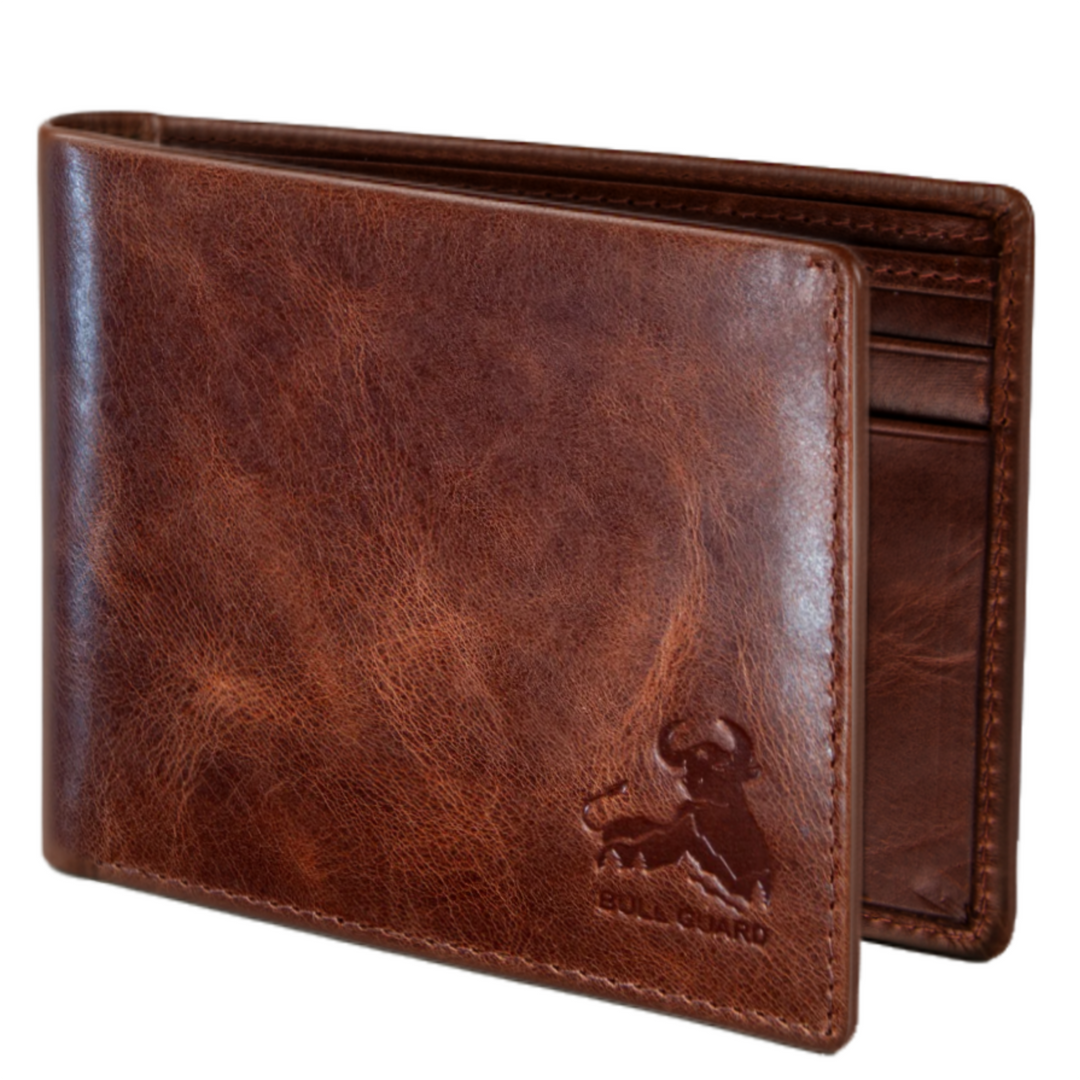
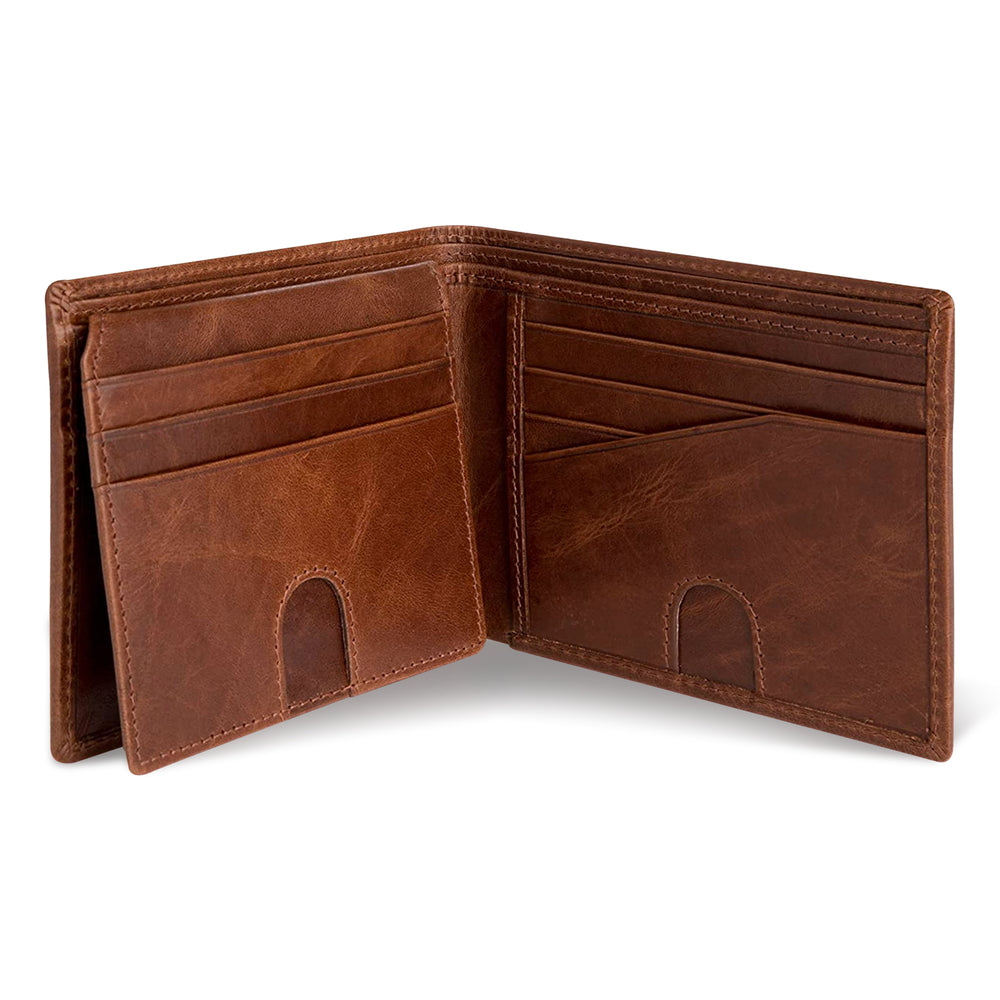
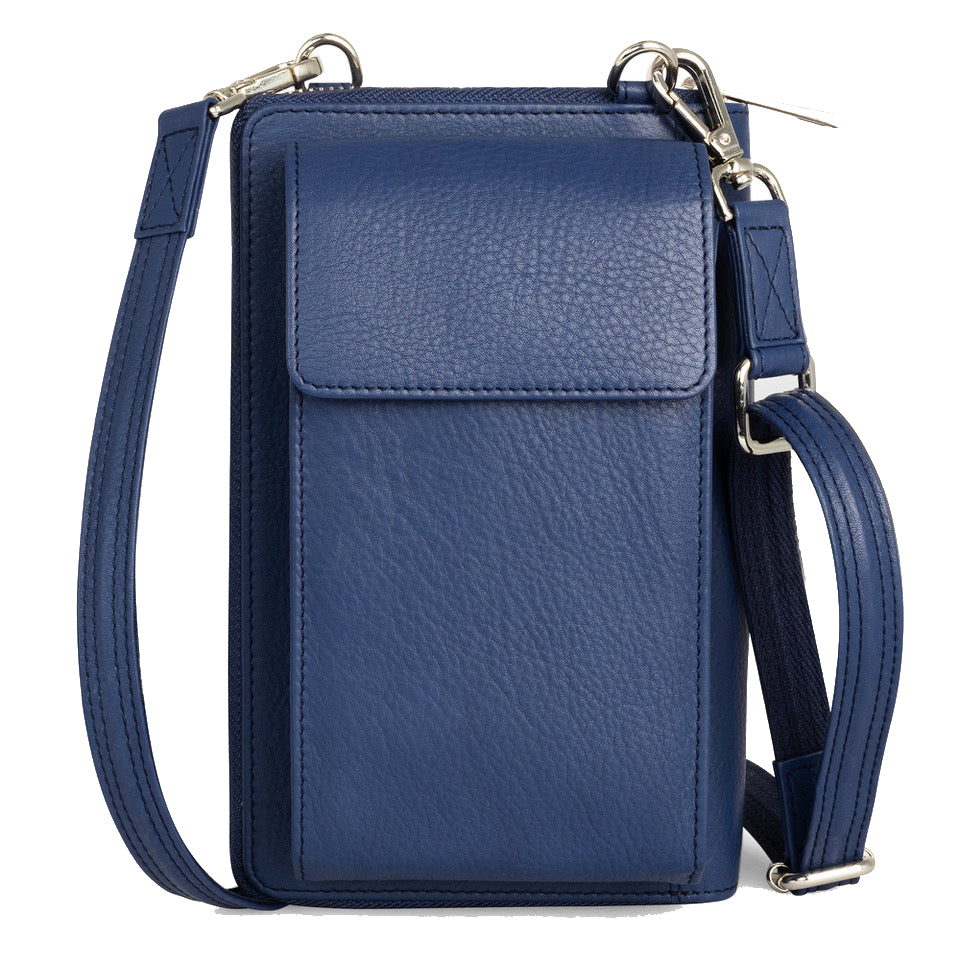
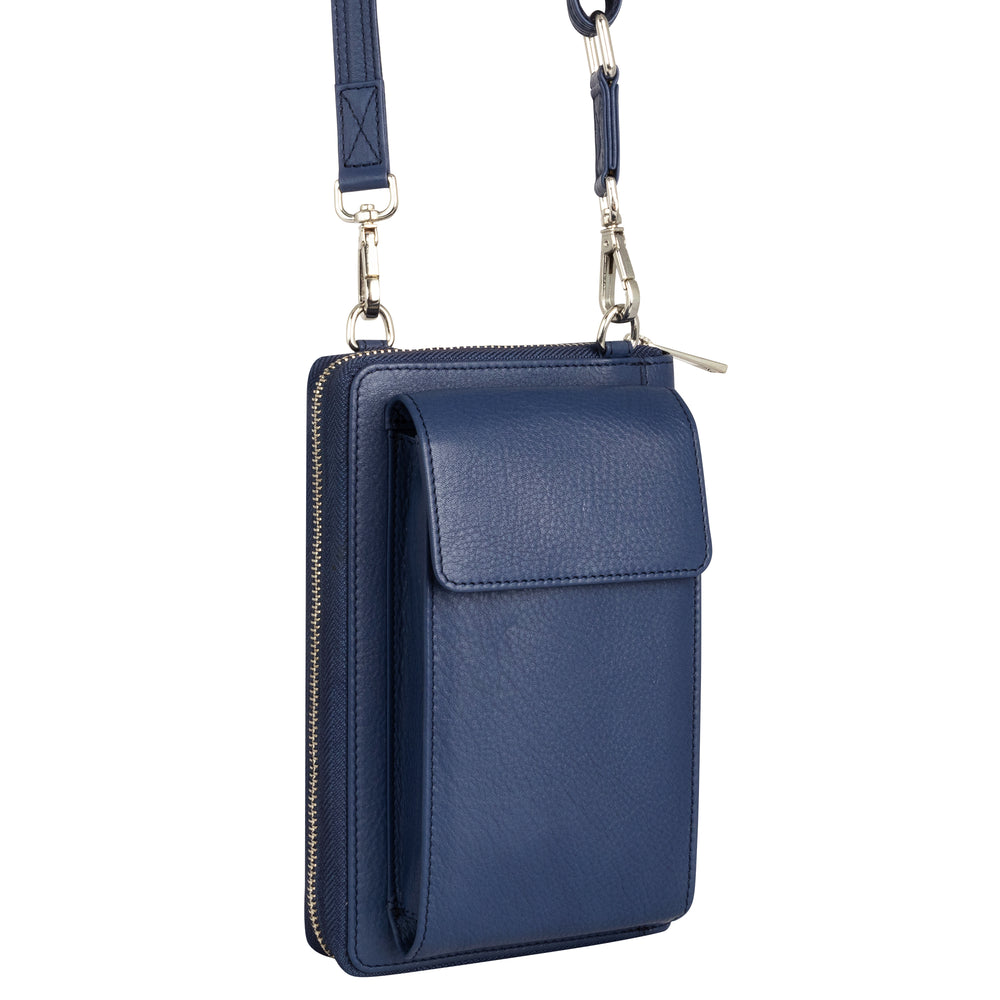
Pair your belt with a Bull Guard bifold wallet or trifold wallet in the same leather finish for a unified carry. Our Trifold Freedom wallet offers dual ID windows and a secret pocket for an AirTag. For partners or family, the Ladies' Crossbody Leather Cell Phone Purse Wallet delivers hands-free convenience with a slash-resistant strap, RFID protection, and patina-ready leather.
Quality Check: Run your thumbnail across the belt edge. A clean, burnished finish signals attention to detail. Ragged or peeling edges point to shortcuts in construction that become early failure points.
Carry It Boldly: A well-chosen 1.5 inch belt becomes part of your daily rhythm. It holds your essentials, adapts to your body, and tells your story through every scuff and crease. Choose leather that lasts, size it right, and trust it to carry you through whatever comes next. Learn more about the history and uses of a belt to deepen your appreciation for this accessory.